The FAA wants a hardware fix on a small set of Boeing 787 Dreamliners powered by Rolls-Royce Trent 1000 engines after finding that one fan cowl does not protect critical systems well enough from debris. The proposal is public, not a same-day grounding order, and it matters first to operators and maintenance planners.
In a notice of proposed rulemaking published in the Federal Register on August 7, 2026, the agency estimates only 22 airplanes on the U.S. registry would be affected if the rule is adopted. Comments are open through September 21, 2026.
- Action type: Proposed airworthiness directive, not a final order yet.
- Fleet: Certain Boeing 787-8, 787-9, and 787-10 jets with Trent 1000 engines.
- U.S. estimate: About 22 airplanes if the AD is adopted as proposed.
- Risk named: Debris path that could contribute to dual engine shutdown after an uncontained failure.
- Comment deadline: September 21, 2026.
What the FAA says is wrong
According to the Federal Register NPRM text, Boeing reported that the protection system on the left fan cowl of the right engine does not sufficiently cover components and systems on airplanes equipped with specific Rolls-Royce Deutschland Trent 1000 engine variants.
The concern is cross-engine debris. If the left engine suffers an uncontained intermediate-pressure turbine failure, oil lines and a P30 sense line on the right engine could be exposed. The FAA says that exposure, if unaddressed, could damage the second engine and create an in-flight dual engine shutdown scenario.
That is a severe outcome on paper. It is also still a proposed rule. The document does not order immediate passenger cancellations, and it does not say every 787 worldwide is involved. Engine family and part numbers bound the scope.
Aviation trade coverage, including AeroTime’s report on the fan cowl proposal, has summarized the same NPRM for operators watching Trent-powered 787 fleets. Independent reporting helps confirm the public filing, but the load-bearing facts remain the Federal Register text.
Which airplanes are in the draft rule
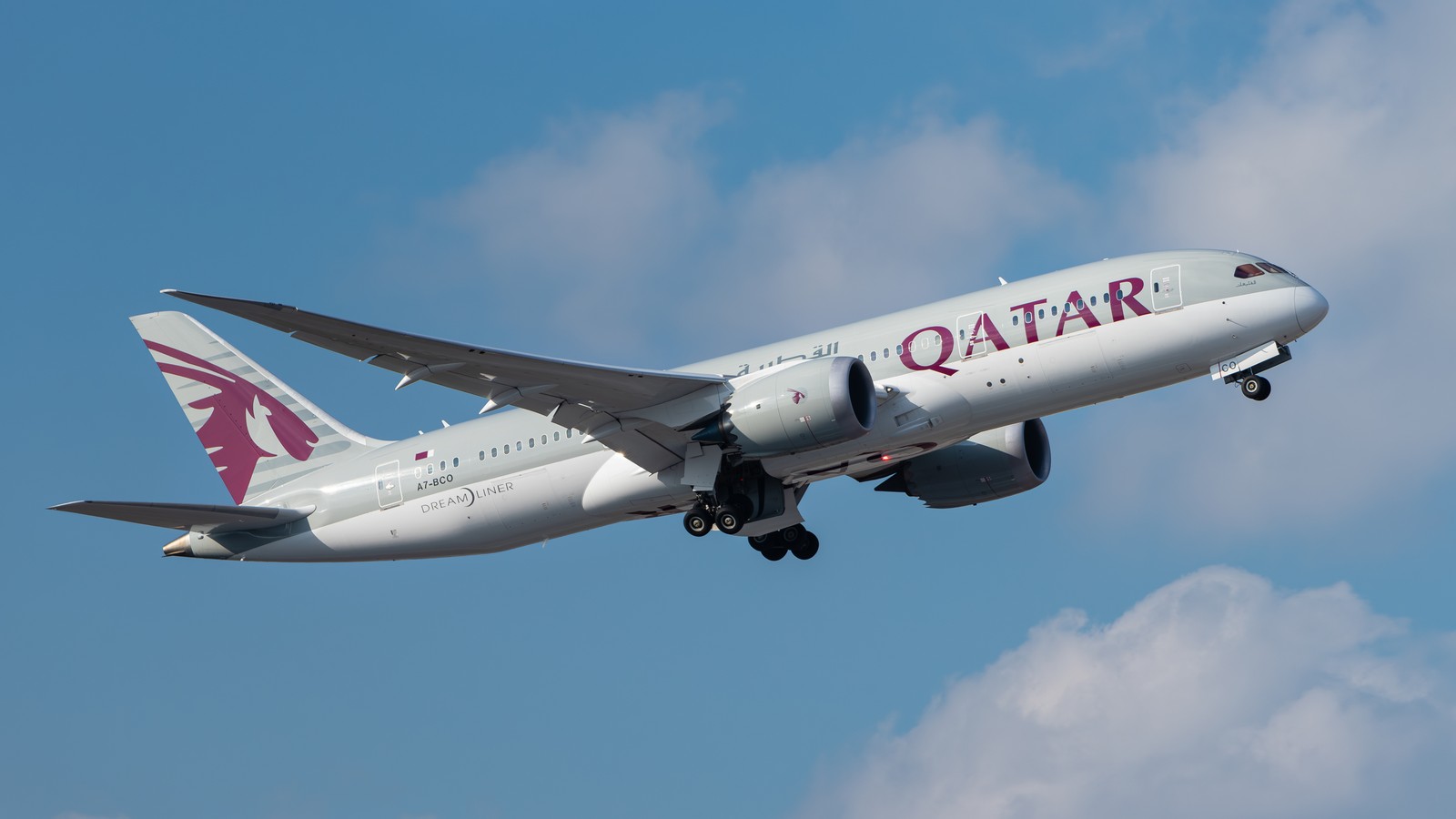
The proposed AD would apply to Boeing 787-8, 787-9, and 787-10 airplanes equipped with listed Trent 1000 engine models, including AE3, CE3, D3, G3, H3, J3, and K3 variants. Many 787s use General Electric GEnx engines instead and are outside this specific package.
Required actions would start with a maintenance records check or inspection of the right engine’s left fan cowl part number. If the cowl is one of the listed part numbers, operators would modify or replace it on the schedule in the Boeing requirements bulletin incorporated by the proposal.
The FAA’s cost table is modest at the inspection step: three work-hours per airplane for the records check or inspection, with higher costs only if a modification or replacement is required. The agency says some costs may be covered under warranty.
For passengers, the important boundary is that this is maintenance planning language. It is not a public statement that a specific commercial flight tomorrow is unsafe. Airline schedules change for many reasons, and an NPRM alone is not proof of a passenger rebooking window.
What travelers should and should not do
Do not invent a panic rebook from the headline. The useful traveler action is narrower: understand that a regulator is proposing a fix on a defined Trent 1000 787 subset, watch for a final AD if you track fleet news, and treat any airline schedule message as separate evidence.
If an airline later issues a waiver, delay notice, or equipment substitution tied to this work, that message becomes the passenger decision document. Until then, the NPRM is primarily for operators, lessors, and maintenance shops.
Frequent long-haul flyers who care which metal they board can still check aircraft type in booking tools after ticketing. Seeing “787” is not enough to map this rule, because engine family is not shown to most consumers. Absent an airline notice, there is no clean consumer checklist for Trent versus GEnx at seat selection time.
Deep Arrival’s British Airways guide remains useful for travelers whose long-haul patterns often include Trent-powered 787 product, but it is a carrier planning page, not a maintenance bulletin. Pair any equipment curiosity with the airline’s own irregular operations messages.
Why the dual-engine language is carefully bounded
Regulators use worst-case failure paths when they write airworthiness text. The dual engine shutdown phrase describes a possible cascade after an uncontained failure if protection is insufficient. It is not a claim that dual shutdowns are routine on these jets.
The NPRM also includes a parts installation prohibition for the listed fan cowl part numbers on airplanes that do not already have them, once an AD becomes effective. That is how the agency prevents the problem from being reintroduced during later maintenance.
Boeing material dated February 19, 2026, is incorporated by reference for the inspection and on-condition steps. Operators with access to Boeing fleet data will work those procedures if the AD is finalized. Passengers will not see that paperwork and do not need to.
Commenters have until September 21, 2026, to argue for changes. The FAA can amend the proposal after comments. Until a final rule is published and effective, the compliance clock described in the NPRM has not started for operators under that future AD number.
How this fits other 787 maintenance stories
Boeing 787 fleets already operate under a thick stack of service bulletins and prior airworthiness actions that most passengers never see. This fan cowl package is another layer aimed at a narrow engine and part-number set, not a rewrite of the entire Dreamliner program.
That distinction matters for readers who saw earlier 787 battery, quality-escape, or delivery-pause headlines. Those were different technical systems and different regulatory actions. Mixing them into one “787 problem” bucket creates false urgency for people whose flights use unaffected engines.
Airline fleet planners will map the NPRM against their Trent 1000 tail numbers and heavy-check calendars. A 22-airplane U.S. estimate is small in absolute terms, yet each long-haul tail is high value, so the work still has to be scheduled cleanly around peak seasons.
If a final AD lands with short compliance windows near a holiday bank of long-haul flying, travelers could feel secondary effects through equipment swaps. That is a future contingency, not the state of play in the August proposal itself.
| If you… | What to do |
|---|---|
| Hold ordinary 787 tickets with no airline notice | Keep plans. This NPRM is not a passenger rebooking order. |
| See an airline message about 787 maintenance | Follow that carrier notice for changes, refunds, or rebooking. |
| Track Trent 1000 787 fleets as an operator | Read the Federal Register text and Boeing bulletin references. |
| Want to comment on the proposal | Submit by September 21, 2026, under the docket instructions. |
| Assume every 787 is covered | Stop. Scope is Trent 1000 variants listed in the NPRM. |
- September 21, 2026: Comment period closes on the proposed AD.
- Final rule: Only a final AD starts the operator compliance clock.
- Airline notices: Any passenger-facing schedule effect will come from carriers, not the NPRM alone.
- Engine scope: Confirm Trent 1000 applicability before generalizing to all 787s.
The honest traveler summary is calm and specific. The FAA has proposed a fan cowl protection fix for a limited Trent-powered 787 group after a debris-path finding that could, in a worst case, threaten both engines. Watch the final rule, and only change trips if an airline tells you the metal or schedule actually moved.
Is the FAA grounding Boeing 787 flights over the fan cowl issue?
No. The August 7, 2026 action is a proposed airworthiness directive, not a same-day grounding order for passengers.
Which 787 airplanes are covered by the proposal?
Certain 787-8, 787-9, and 787-10 airplanes with listed Rolls-Royce Trent 1000 engine variants, estimated at 22 U.S.-registered jets.
What risk does the FAA describe?
Insufficient fan cowl protection that could leave right-engine systems exposed to debris from a left-engine uncontained failure, potentially leading to dual engine shutdown.
When can the public comment?
The FAA must receive comments on the proposed AD by September 21, 2026.