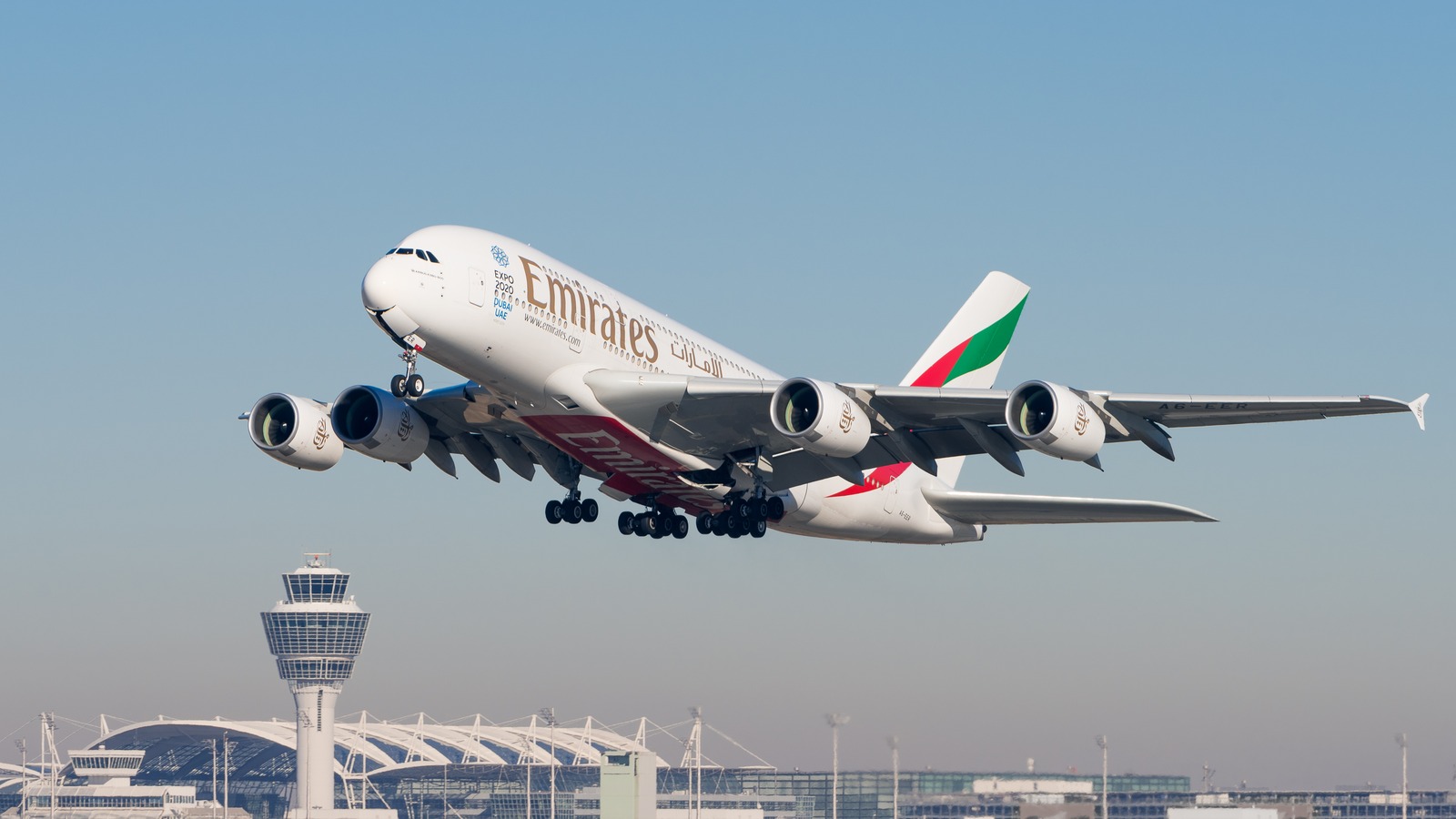
The Federal Aviation Administration published airworthiness directive 2026-20-12 on October 8, 2026, ordering airlines to remove and replace high-pressure turbine interstage seals in certain Engine Alliance GP7200 series engines that power the Airbus A380, after an uncontained seal failure forced an aircraft to abort a takeoff. The final rule takes effect October 23, 2026, according to the Federal Register entry for the directive, and aviation trade press AeroTime reports the same compliance timeline.
If you hold an upcoming booking on an A380, check which aircraft operates your flight and keep extra flexibility for possible schedule changes while carriers rotate affected engines through shop visits. Travelers weighing Gulf carrier superjumbo options can compare the onboard products in our Emirates versus Etihad guide before deciding whether to keep, shift, or rebook a flight.
- What changed: The FAA issued airworthiness directive 2026-20-12 on October 8, 2026, for Engine Alliance GP7270, GP7272, and GP7277 engines.
- Effective date: October 23, 2026, with public comments due November 23, 2026, under docket FAA-2026-11801.
- First parts due: The 15 seals with the most flight cycles since overhaul must be replaced within 50 flight cycles or 30 days, whichever comes first.
- Outer deadline: The remaining affected seal groups follow within 150 flight cycles or 90 days after the effective date.
- Cost and registry: The FAA estimates 528,150 dollars per engine and states that zero affected engines sit on United States registered aircraft.
Engines Covered by the Directive
The directive applies only to specified serial numbered seals installed in Engine Alliance models GP7270, GP7272, and GP7277, rather than to every GP7200 series engine in the fleet. The exact affected engine and seal serial numbers appear in Engine Alliance Alert Service Bulletin EAGP7-A72-479, dated September 4, 2026, which the FAA incorporated by reference into the rule.
The agency is phasing the work by risk, starting with the 15 high-pressure turbine interstage seals carrying the highest number of flight cycles since overhaul. The FAA did not identify the airline, the aircraft registration, or the date of the aborted takeoff that prompted the rule, so travelers cannot tie the order to one carrier or one flight from the official text alone.
Compliance Dates Operators Must Meet
October 23, 2026, is the gate that starts every clock in this rule, because the directive becomes effective on that date and each compliance window runs from it. The most urgent seal group must be replaced within 50 flight cycles or 30 days after the effective date, whichever occurs first, with the required timing varying by serial number.
The remaining groups step outward from there, reaching 150 flight cycles or 90 days after the effective date for the last parts, which carries shop visits into January 2027. The FAA adopted the rule without first seeking public comment, citing the safety risk and the short deadlines, and it described the directive as an interim measure with further rulemaking possible once a final corrective action is identified.
Failure Findings Behind the Order
The directive traces back to an A380 fitted with GP7270 engines that suffered an uncontained failure of a high-pressure turbine interstage seal, shut the engine down, and aborted its takeoff. An uncontained failure means debris escapes the engine containment structure, which can damage neighboring components and the airframe itself.
The manufacturer investigation found that cracking most likely began at locating features between the interstage seal and the shaft extending from the first stage turbine disk, with relative rotation of the seal, described as clocking, as a contributing factor. Movement ran greater in seals that had been reassembled during overhaul, while the root cause remains under investigation, and the FAA warned that another failure could cause an engine fire and damage to the airplane.
What A380 Travelers Should Do
Because the FAA estimates that no affected engines are installed on United States registered aircraft, United States airlines face no direct burden from this rule. The practical exposure sits with foreign carriers whose Engine Alliance powered A380s serve United States airports, where maintenance scheduling could shuffle aircraft assignments on specific dates.
Check your reservation for the operating aircraft in the days before departure, and if the listing shows an A380, ask the airline whether your aircraft carries an affected engine and whether the schedule is firm. Safety inspection driven aircraft swaps have reshaped A380 schedules before, as our earlier report on A380 wing spar crack inspections showed, so a short notice equipment change is the scenario to plan for rather than a fleet grounding.
| If you… | What to do |
|---|---|
| Fly an A380 before October 23, 2026 | Travel as booked, since the directive takes effect October 23, 2026. |
| Hold an A380 booking from late October onward | Confirm the operating aircraft with the airline and keep one flexible backup option. |
| Receive a retiming or aircraft swap notice | Accept the airline rebooking or request an alternate flight, and keep receipts for expenses. |
| Are choosing between Gulf carrier superjumbos | Compare cabins in our Emirates versus Etihad guide, then book the itinerary with the firmer schedule. |
October 23, 2026, is the effectiveness gate. Confirm the operating aircraft for A380 trips on or after that date before finalizing hotels, connections, or ground transport.
Late November 2026 is the urgent group gate. The highest cycle seals must be replaced within 30 days of effectiveness, so watch early season A380 schedules most closely through November 2026.
January 2027 is the outer group gate. The last affected seals run to 90 days after effectiveness, so keep schedule flexibility on A380 bookings into the new year.
Does this directive ground the A380?
No. The FAA ordered phased seal replacement during scheduled shop visits, not a grounding, with deadlines from 50 flight cycles or 30 days to 150 flight cycles or 90 days.
Are United States airlines affected?
The FAA estimates zero affected engines on United States registered aircraft, so the direct burden falls on foreign carriers operating Engine Alliance powered A380s.
What caused the failure?
The FAA points to an uncontained high-pressure turbine interstage seal failure during an aborted takeoff, with seal rotation called clocking as a contributing factor and the root cause still under investigation.
Where can I read the official rule?
The full text sits in the Federal Register under document 2026-20666, docket FAA-2026-11801, with comments accepted through November 23, 2026.
Will ticket prices rise because of the fix?
The FAA priced the work at 528,150 dollars per engine against operators, and it stated no fare effect, so travelers should not assume any ticket impact.
Image Credits
- Lead Photo
Julian Herzog · CC BY 4.0 · cropped