Matti Blume · CC BY-SA 4.0 · cropped
Eurocontrol, the European Organisation for the Safety of Air Navigation, published its Special Summer 2026 Flash Briefing on September 11. The network averaged 35,959 flights a day from June 1 to August 31, up 2.4 percent from summer 2025, and set a record 37,640 flights on Friday, July 10.
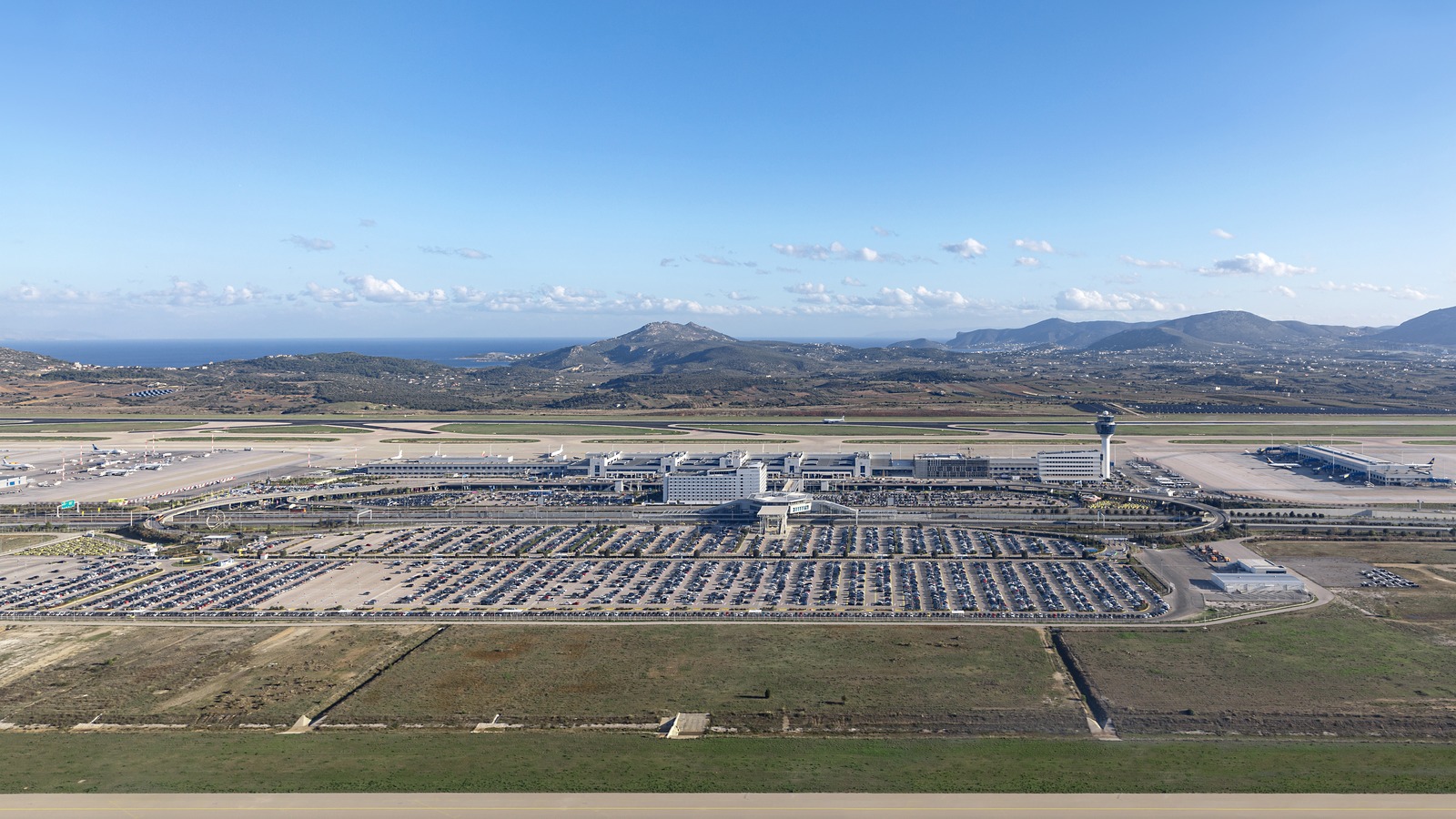
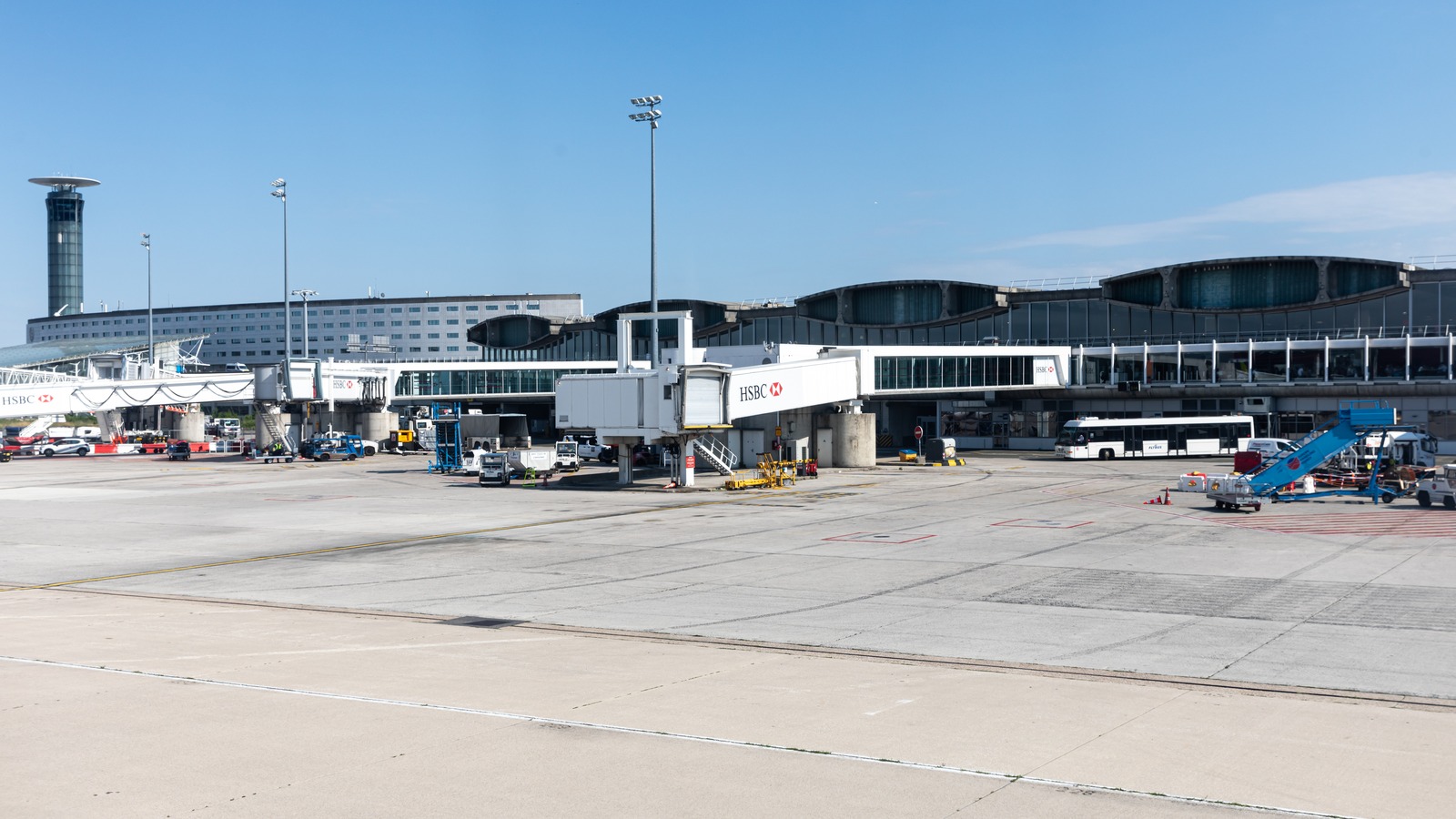
Travelers flying Europe this winter still inherit those bottlenecks. France accounted for 32 percent of year-to-date en-route delays, while Greece’s airports and Athens airspace absorbed a holiday surge that pushed delays 57 percent higher than a year earlier. If your itinerary touches Paris, build extra time into the CDG Paris Airport to Eiffel Tower transit plan rather than assuming a record summer meant smoother connections.
Flight delayed or cancelled? AirHelp can check whether your trip may qualify for compensation. Check a flight with AirHelp Disclosure: Deep Arrival may earn a commission.
- Network load: 35,959 average daily flights from June 1 to August 31, 2026, up 2.4 percent year on year.
- Peak day: 37,640 flights on Friday, July 10, the busiest network day Eurocontrol has recorded.
- On time: 72.6 percent of flights arrived within 15 minutes, 1.2 points better than summer 2025.
- Delay share: France 32 percent of year-to-date en-route delays; Spain 17 percent; Greece 12 percent.
- Demand shift: Traffic fell in Bulgaria, Hungary, Romania and Turkiye, and rose in Greece, Croatia, Albania and nearby coasts.
Europe’s Busiest Summer Still Ran More Punctually
The briefing covers the EUROCONTROL Network Manager area from June 1 through August 31. Average daily traffic reached 35,959 flights. Air traffic flow management, or ATFM, delays fell 17 percent to 3.27 minutes per flight, split between 2.62 minutes en route and 0.65 minutes at airports. About 681,000 flights, 21 percent of the total, still took an ATFM restriction, or about 7,400 delayed flights a day.
Arrival punctuality rose even as volume set records. Eurocontrol reported 72.6 percent of flights arriving within 15 minutes, and departure punctuality at 66.3 percent. SAS Group led the 20 busiest airline groups at 86 percent arrival punctuality. Aegean sat at the bottom of that table at 60 percent, with ITA Airways just above at 62 percent. The lesson is not that every European airport felt the same summer.
Eurocontrol credits revised capacity and weather-based operations procedures with saving about 2.9 million minutes of en-route delay in the three peak months, and 3.1 million minutes since May 1. Convective weather still caused 43 percent of en-route ATFM delay. Capacity and staffing caused 49 percent. Strikes caused only 1 percent, limited to one Norway ATC action that cancelled about 150 flights.
France, Spain and Greece Drove Most En-Route Delay
France remains the network’s largest delay source. Eurocontrol attributes 32 percent of year-to-date en-route delays to French airspace, including 11 percent at Marseille, 8 percent at Reims and 6 percent at Brest area control centres. The briefing cites capacity, staffing and the 4-FLIGHT system transition, plus more weather delay. Even so, French average en-route delays are 29 percent lower so far in 2026 than in 2025.
Spain generated 17 percent of year-to-date en-route delays, 11 percent of that at Barcelona ACC, with delays 14 percent higher than last year. Greece generated 12 percent, 7 percent at Athens ACC, and those delays are 57 percent higher year to date. Marseille, Barcelona and Belgrade ACCs were the top penalising locations for three airlines each. Among the busiest carriers, Marseille appeared nine times, Reims eight and Karlsruhe UAC seven.
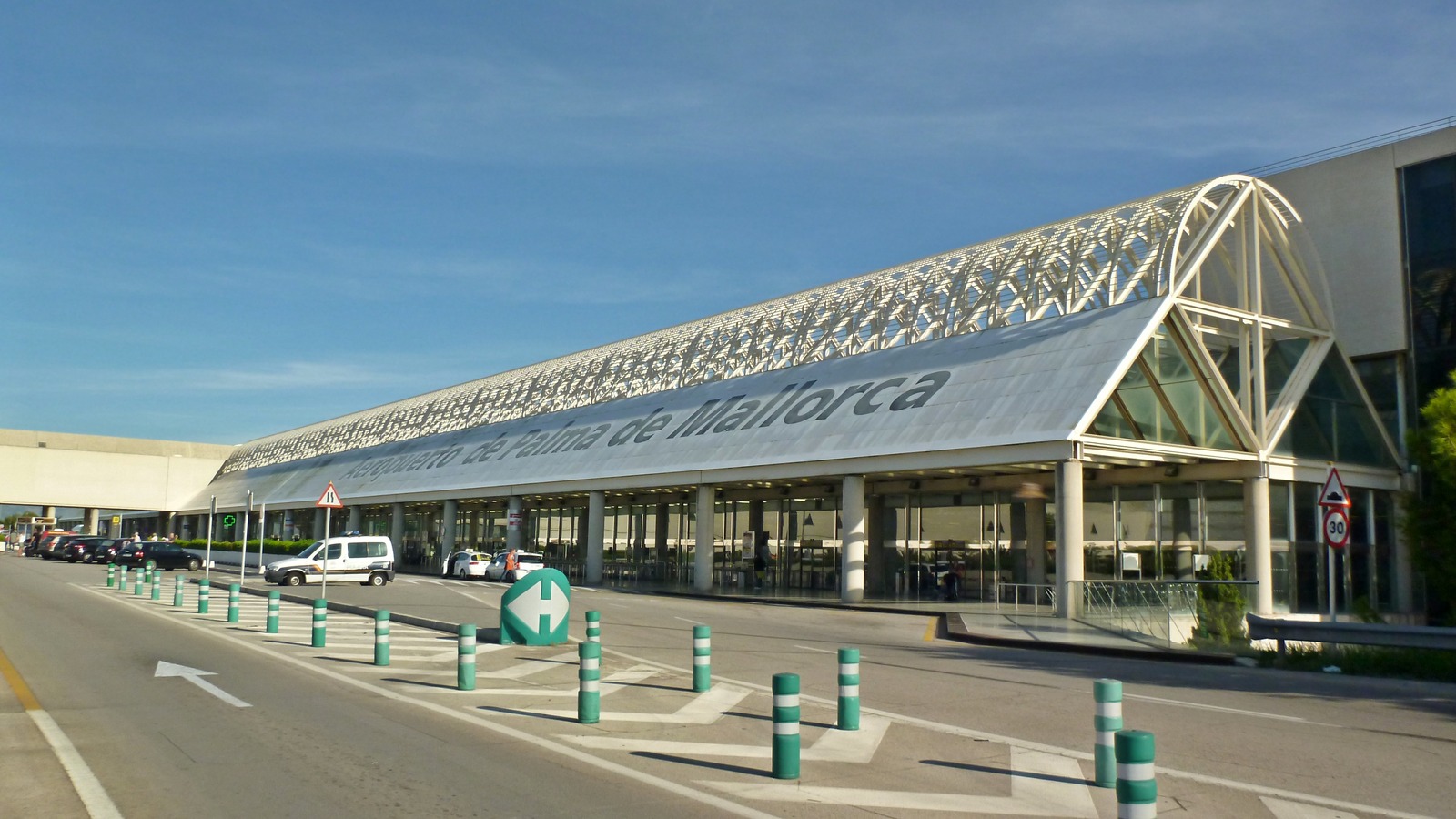
Airport-level punctuality was uneven. Stockholm Arlanda led the busiest 30 airports at 82 percent departure punctuality. Istanbul and Oslo followed at 81 percent. Lisbon sat at 52 percent despite a nine-point gain. Zurich and Palma de Mallorca were at 53 percent, Athens at 54 percent and Manchester at 55 percent. Manchester also posted the steepest drop, five points. Istanbul Sabiha Gokcen jumped 12 points even with 7 percent more traffic.
Holiday Traffic Shifted Toward Greece and the Balkans
The Middle East crisis reshaped where Europeans flew. Eurocontrol recorded lower traffic in Bulgaria, Hungary, Romania and Turkiye, and a high increase in Albania, Croatia, Cyprus, Greece, Montenegro, North Macedonia, Serbia and Slovenia, plus continued growth in southwest Europe. Fourteen states set daily arrival and departure records, including Greece, Italy, Spain, Ireland and Portugal. Things to do in Greece matter more this year because the airports that serve those trips were the ones that hit their limits.
Sixteen airports set daily records, including Athens, Barcelona, Istanbul Airport, Istanbul Sabiha Gokcen, Dublin, Malaga and Nice. Twenty-four area control centres did the same, including Athens, Marseille, Barcelona, London and Istanbul. Eleven airline groups set records, among them Ryanair, easyJet, Wizz Air, Aegean, Turkish Airlines and Jet2.com. Aegean, SWISS and KLM were especially exposed to ATFM delay at Athens, Zurich and Amsterdam.
Independent reporting from Euronews, drawing on the same briefing, said record passenger numbers at Greek airports pushed the country’s air traffic control system to the limit in peak season. That matches Eurocontrol’s Athens and Greece delay figures. It does not mean Greece is closed. It means a July Friday into Athens or the islands needed more buffer than a typical summer 2025 itinerary.
What Travelers Should Watch Before Summer 2027
Eurocontrol says 45 of 68 area control centres are on track for the European capacity target by year end. Ten are on track but still hit by weather or the Middle East crisis. Thirteen look set to miss the target. The Network Manager has started a lessons-learned pass for summer 2027 focused on weather and capacity procedures, Network Operations Plan commitment, sector opening schemes, controller recruitment, airspace redesign and faster ATM digitalisation.
Prestwick and Athens were the two centres that frequently fell short of the Network Operations Plan over the summer. France, Austria, Croatia, Germany and Hungary improved against the plan compared with 2025. For a traveler, that is a route-level signal, not a continent-wide all-clear. A connection through CDG or a hop across Marseille airspace still carries more ATFM risk than a Stockholm or Oslo departure.
Industrial action was almost absent. One Norway ATC strike produced about 14,500 minutes of ATFM delay. Capacity and thunderstorms, not walkouts, were the summer’s delay engines. That mix can flip quickly if a major French or Spanish staffing dispute returns, so treat the 1 percent strike share as a 2026 fact, not a 2027 forecast. Watch airline and airport apps for ATFM slots on French, Spanish and Greek sectors first.
Planning another trip? Review Travel Guard plan terms for delays, cancellations, and baggage before choosing coverage. Review Travel Guard plans Disclosure: Deep Arrival may earn a commission.
How to Read the Record for Your Next Booking
A record network day is not the same as a ruined trip. Average ATFM delay of 3.27 minutes per flight is a network mean. Aegean, easyJet and TUI groups saw much higher delay per flight, while SAS and Turkish Airlines groups sat closer to two minutes or less. Book the first wave of the day when you can, and avoid the last bank through Marseille, Reims, Barcelona or Athens if a missed connection would strand you overnight.
If you are building a 2027 Europe trip, the briefing’s demand map is the useful part. Greece, Croatia, Albania and nearby coasts took traffic that used to go farther east. Those airports and ACCs set records and still posted weak punctuality. Leave more time on the ground in Athens, and treat island connections as weather-sensitive even when the ticket looks cheap. Southwest Europe’s growth also means Barcelona and Malaga stay busy outside the old August spike.
Eurocontrol is already preparing summer 2027 with the same Network Operations Plan discipline that cut delays 17 percent this year. That work only helps travelers if airlines and airports keep the extra minutes they gained. For now, the September 11 briefing is the baseline: more flights than ever, fewer delay minutes than 2025, and a delay map still concentrated in France, Spain and Greece.
| If you… | What to do |
|---|---|
| Connect through Paris, Marseille airspace or CDG | Add at least 2 hours between flights. France still generates 32 percent of year-to-date en-route delay. |
| Fly into Athens, the Greek islands or Aegean | Avoid last-bank connections. Greece delays are 57 percent higher year to date, and Aegean arrival punctuality was 60 percent. |
| Use Barcelona, Palma or Lisbon | Expect slower banks. Barcelona ACC is Spain’s delay core; Palma and Lisbon sat near 52 to 53 percent departure punctuality. |
| Depart Stockholm, Oslo or Istanbul | Those hubs led departure punctuality at 81 to 82 percent. Keep the itinerary if you need a reliable start. |
| Are booking summer 2027 now | Prefer morning banks and extra connection time on French, Spanish and Greek sectors until the 2027 plan is published. |
How many flights did Europe run each day in summer 2026?
Eurocontrol counted 35,959 average daily flights from June 1 to August 31, 2026, up 2.4 percent from summer 2025. The peak was 37,640 flights on Friday, July 10.
Which country caused the most European flight delays?
France accounted for 32 percent of year-to-date en-route delays, led by Marseille, Reims and Brest area control centres. Spain followed at 17 percent and Greece at 12 percent.
Were European flights more on time than in 2025?
Yes. Arrival punctuality rose to 72.6 percent, up 1.2 points, and ATFM delays fell 17 percent to 3.27 minutes per flight even as traffic set records.
Where did holiday demand actually go this summer?
Traffic increased in Greece, Croatia, Albania, Cyprus, Montenegro, North Macedonia, Serbia and Slovenia, and stayed strong in southwest Europe. It declined in Bulgaria, Hungary, Romania and Turkiye.