England bus passengers who blast music or videos from phones face fines of up to £100 after the UK government issued enforcement guidance on Monday, October 19, 2026. The Department for Transport notice activates local authority powers under the Bus Services Act 2025, while a separate national rail campaign warns train riders that refusing to turn the volume down can end in removal from the train or fines up to £1,000.
Pack headphones and keep every video, call and playlist private on buses and trains across England. The crackdown is the latest change to England bus travel rules, following the move to round the clock disabled bus pass access from April 2027, and it lands just as autumn city breaks fill the network.
The Department for Transport says bus drivers will not enforce the new rules. Instead, authorised officers, including transport safety officers and the police, will deal with incidents. The BBC reports that ministers also want the same quiet on trains, with a campaign telling rail passengers to share the carriage, not the noise.
- What changed: On October 19, 2026, the government issued guidance so English councils can set bus byelaws against loud music, vaping, littering and threatening behaviour.
- Bus fines: Fixed penalties of up to £100, but each local rule still needs sign off by the transport secretary before officers can use it.
- Rail campaign: A national drive reminds train riders to use headphones; refusal can mean removal at the next station or fines up to £1,000.
- Who enforces: Authorised officers and the police, not bus drivers, through a three step engage, explain and enforce approach.
- Scope: Bus powers cover England; the rail campaign runs across the network, and London already bans playback under its own byelaws.
Councils Gain the Power to Fine Noisy Bus Riders
The new powers flow from the Bus Services Act 2025, which lets every local transport authority in England write and enforce its own bus conduct rules. Ministers issued the operating guidance on October 19, and Prime Minister Andy Burnham urged councils to use the powers promptly against loud music, vaping, littering and threatening behaviour.
Each council must still draft its byelaws and secure transport secretary approval, so the £100 penalty does not switch on everywhere at once. Travellers should therefore check local notices at bus stations and on board, because the exact restricted behaviour and the start date will vary by area until coverage is complete.
Three Steps Before Any Bus Fine
Officers must first engage with the person playing audio aloud, then explain the local rule and how it protects fellow passengers. Only a rider who refuses to comply moves to the third step, formal enforcement with a fixed penalty of up to £100.
The government stresses that drivers carry no enforcement duty, a point aimed at protecting solo drivers from confrontation. Passengers who feel uneasy should report the problem to staff or the British Transport Police rather than tackling the offender themselves, a message ministers repeated on BBC Breakfast on launch day.
Rail Campaign Puts Headphone Rules on Every Carriage
On the railway, the law already bans playing loud music and singing, with penalties reaching £1,000 for those who refuse a staff instruction. The new industry campaign ends the patchwork of operator posters and announcements with one consistent message, audio reminders, carriage posters and station displays telling riders to share the carriage, not the noise.
Transport Secretary Heidi Alexander said small changes in behaviour make a large difference to journey quality. The TSSA transport union welcomed the move as a step in the right direction, while adding that ministers must also confront violence and abuse toward passengers and staff and properly fund the British Transport Police.
What Visitors to England Should Do Now
Treat every bus and train as a headphones zone from today, even where local bus byelaws are still awaiting sign off. Download shows and playlists before boarding, switch devices to silent, and take calls only with earbuds in, because the national message is already live on rail and bus rules are following area by area.
Families should brief children that speakers stay off, including short clips and games with sound. Anyone fined can expect the penalty to follow the local fixed penalty process, so keep the notice and check the payment deadline rather than ignoring it and risking a larger sum.
| If you… | What to do |
|---|---|
| Ride local buses in England this autumn | Wear headphones for all audio and watch for new conduct notices at stops, since £100 penalties start area by area after sign off. |
| Visit London for a city break | Keep playback off completely; Transport for London byelaws already ban it, and officers ask first, then remove or prosecute refusers. |
| Tour England by train | Expect announcements to share the carriage, not the noise; stop playback when asked or risk removal and fines up to £1,000. |
| See another rider blasting music | Tell staff or the British Transport Police instead of intervening, and let authorised officers apply the three step process. |
October 19, 2026 guidance day is the awareness gate. From this date, assume headphones are required on rail and prudent on every English bus, and brief your group before the trip.
Local byelaw sign off is the enforcement gate. Before relying on quiet in a specific town, look for the council notice on board; until it appears, staff can still warn riders under general conditions.
April 2027 bus pass change is the next planning date. Disabled pass holders gain round the clock access then, so combine both rule changes when planning spring bus itineraries.
Can tourists be fined for loud music on England buses?
Yes, once the local byelaw is signed off. Visitors face the same £100 fixed penalties as residents, so use headphones on every ride.
Do the £100 bus fines apply across the whole UK?
No. The new powers cover England only. Scotland, Wales and Northern Ireland set their own transport rules, while London already prohibits playback under Transport for London byelaws.
Will the bus driver fine me directly?
No. Drivers have no enforcement role. Authorised officers, transport safety officers and the police handle incidents through engage, explain and enforce steps.
What happens if I refuse to turn music down on a train?
Staff can remove you at the next station or report you for prosecution, with fines up to £1,000 under long standing railway rules.
Image Credits
- Lead Photo
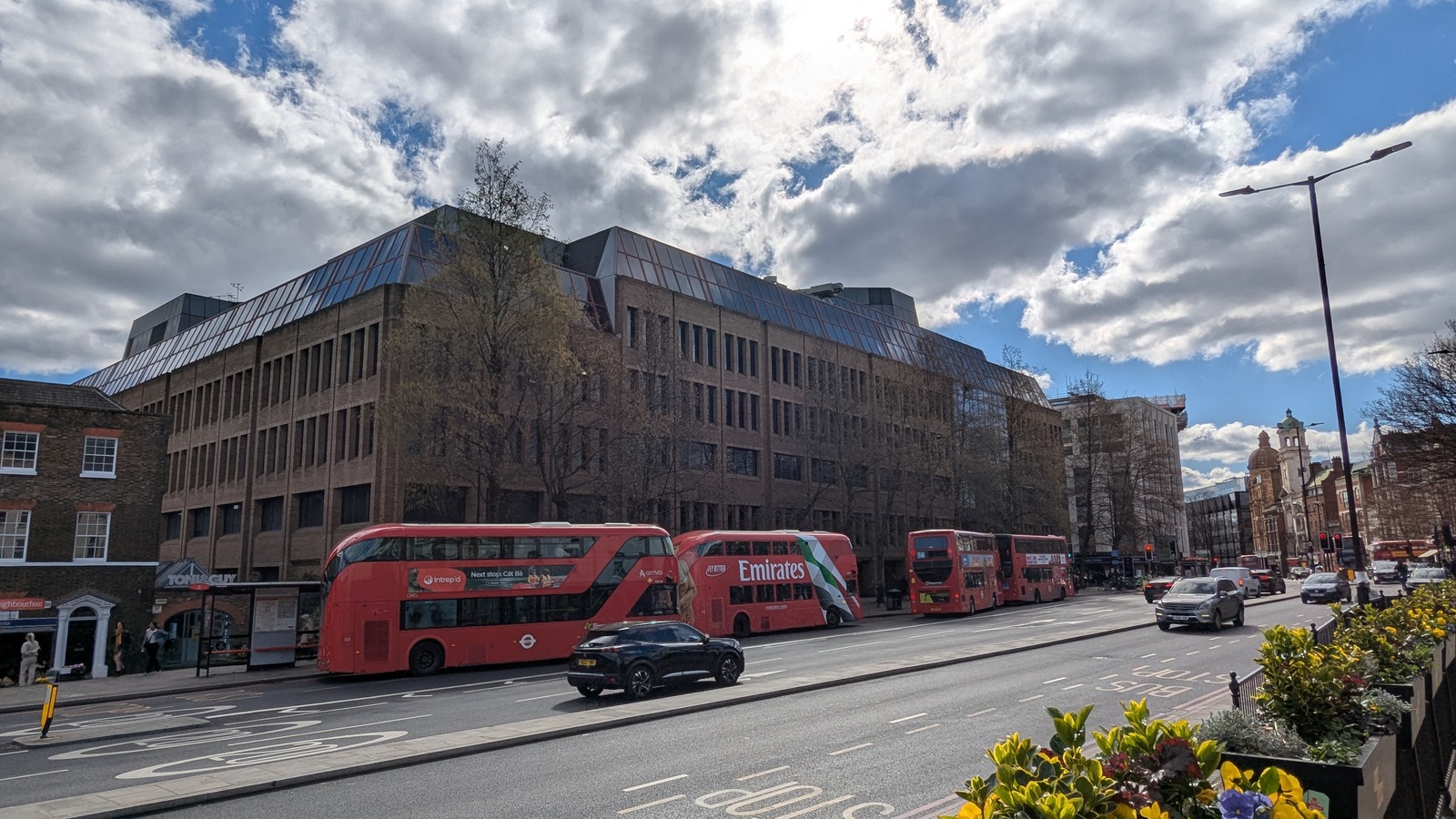
Double-Decker Buses on Islington High Street 2025-03-16 · Eden, Janine and Jim · CC BY 2.0 · edited