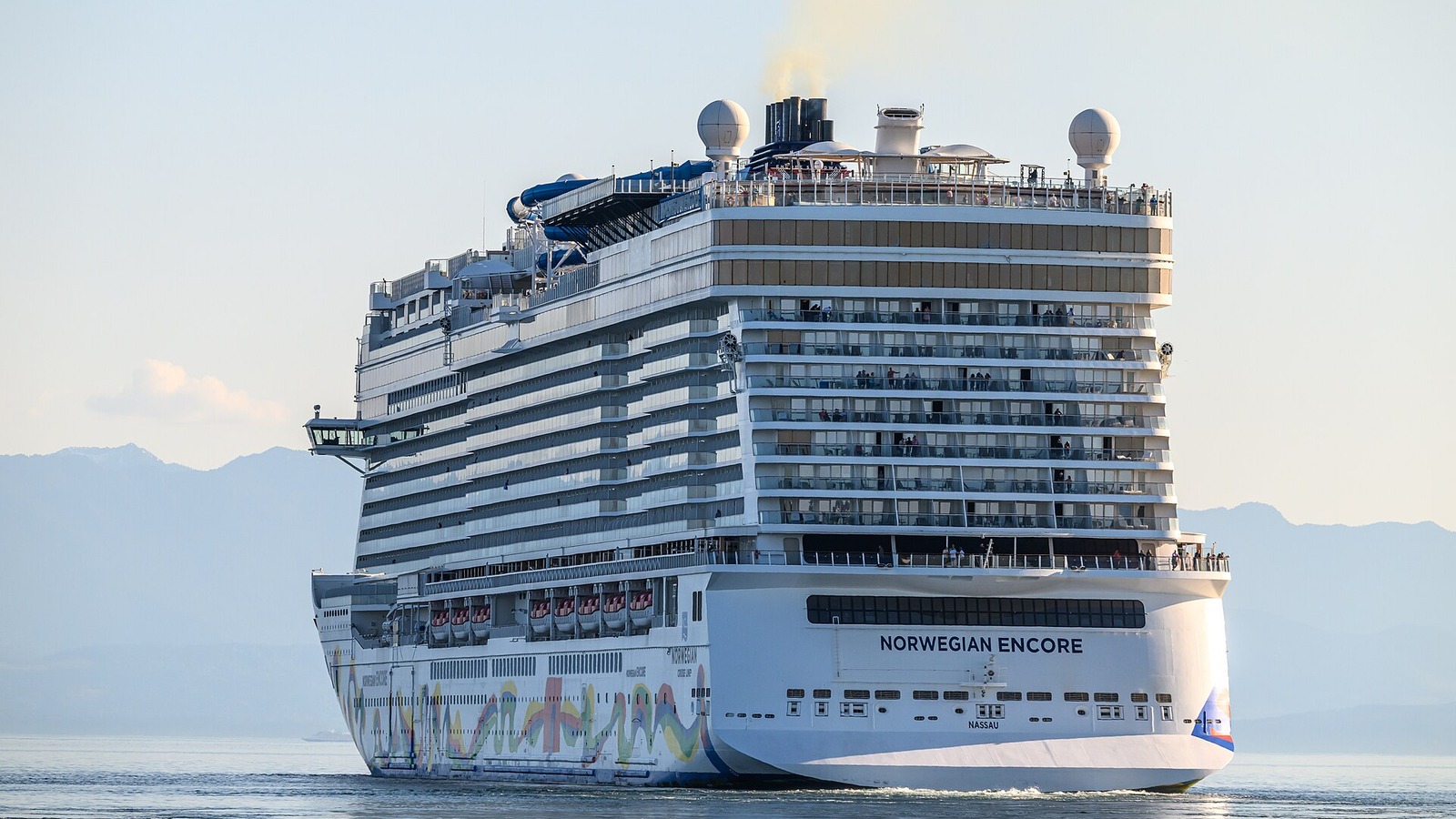
My kids fell asleep to the gentle rumble of propulsion systems last night. At 11 PM, as families tucked into their Disney Cruise Line staterooms, the ship’s engines were consuming roughly 1,250 pounds of fuel every hour. By sunrise, we had burned through more fuel than most American families use in their cars over two full years.
This is the math your vacation brochure doesn’t mention. Large cruise ships burn up to 250 tons of fuel daily, creating what researchers describe as floating cities with the carbon footprint of small nations.
The numbers hit differently when you realize what they mean.
The Weight of Paradise
A large cruise ship holds up to two million gallons of fuel. That’s enough gasoline to fill 5,000 Honda Civics completely. The Disney Wish, which my family has sailed three times, carries enough fuel to power the city of Anaheim for about six hours.
The fuel itself tells a story most passengers never hear. Heavy fuel oil remains the standard for most cruise operations, a petroleum sludge so thick it requires heating before engines can burn it. Think motor oil mixed with tar. This isn’t the refined gasoline in your driveway.
The International Council on Clean Transportation’s May 16, 2022 analysis explains that LNG-powered cruise engines can release unburned methane, known as methane slip. For the engines it discusses, the research it cites found higher life-cycle greenhouse gas emissions than using low-sulfur marine gas oil. This comparison concerns those engines and fuel options.
The Engine That Never Sleeps
Your cruise ship operates differently than any other form of travel. Airlines shut down engines between flights. Hotels operate on local power grids with increasing renewable sources. Cruise ships burn fuel continuously for propulsion, electricity, air conditioning, water treatment, and the 24-hour buffet experience passengers expect.
The typical cruise passenger generates 421 kilograms of CO2 emissions daily, eight times more than staying on land. A seven-day cruise produces more emissions per person than most Americans generate from home electricity usage in three months.
Distance amplifies the impact. Modern cruise itineraries cover thousands of miles. The transatlantic repositioning cruise Disney runs each fall burns approximately 3,000 tons of fuel moving a single ship from Europe to Florida. That’s equivalent to the annual fuel consumption of 600 average American households.
The Port That Never Rests
Docked cruise ships continue burning fuel at reduced but significant rates. Air conditioning systems, lighting, water treatment, and kitchen operations require constant power. Even connected to shore power where available, most ships supplement with onboard generation during peak demand periods.
European ports reported that 214 cruise ships emitted more sulfur than one billion cars in 2022. The math becomes absurd when you consider that Europe has roughly 260 million registered passenger vehicles. Carnival Corporation alone produces emissions exceeding the entire city of Glasgow.
The industry’s response involves technical solutions that sound impressive in marketing materials but deliver limited real-world impact. Scrubber systems reduce air pollution by transferring sulfur compounds into ocean discharge water. Advanced wastewater treatment handles sewage more effectively while engines continue burning fossil fuels at industrial scales.
The Future Floating on Promises
Cruise lines promise net-zero emissions by 2050, consistent with International Maritime Organization guidelines. The timeline assumes technological breakthroughs in marine fuel that don’t yet exist at commercial scale. Green hydrogen requires massive renewable energy infrastructure. Methanol and ammonia alternatives remain expensive and largely theoretical for ships carrying 4,000+ passengers.
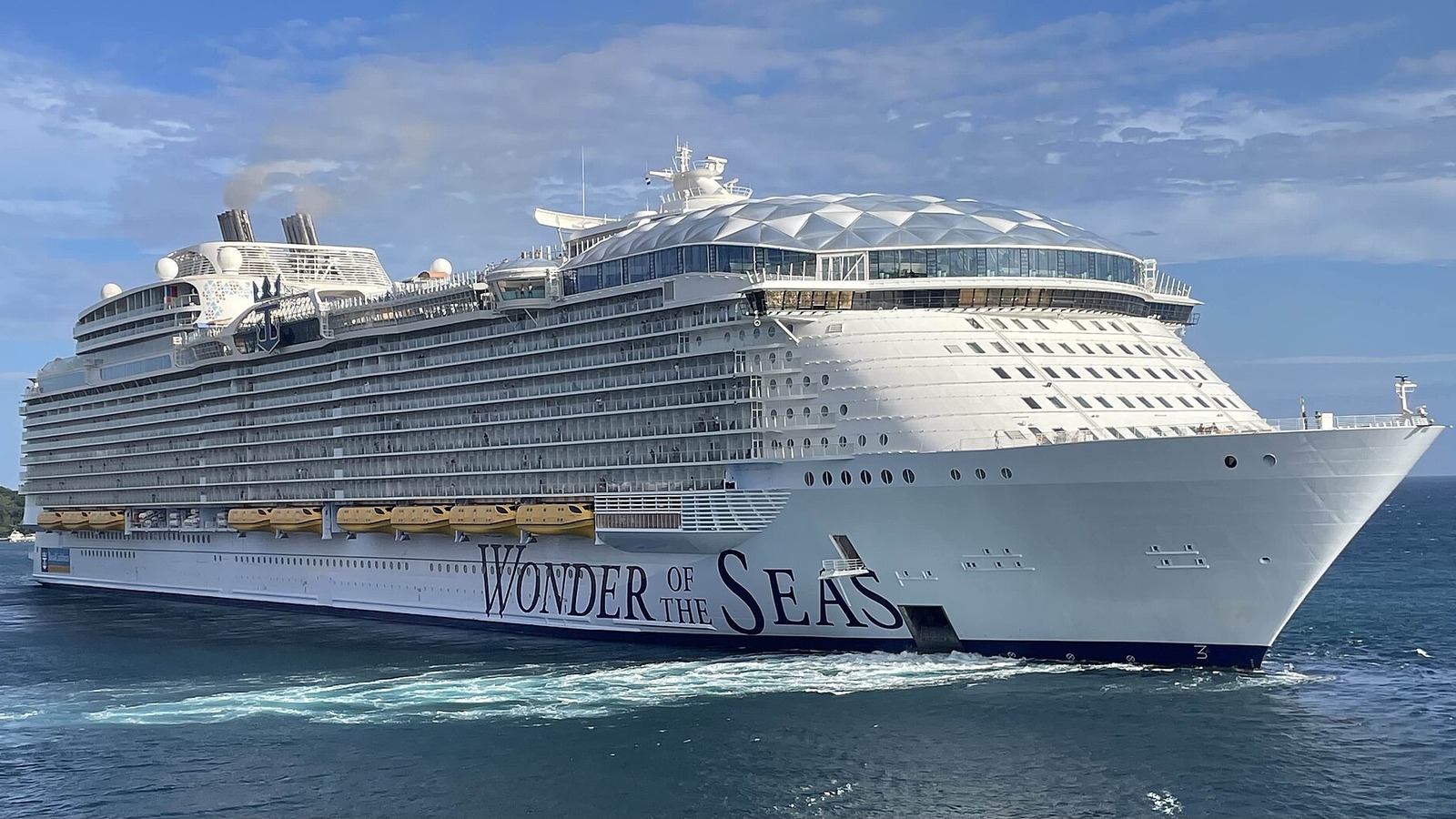
Meanwhile, the industry continues ordering new ships designed around current fuel systems. Royal Caribbean’s Icon of the Seas weighs 365 million pounds fully loaded and operates primarily on traditional marine diesel supplemented by some natural gas capability. The ship carries enough fuel to power a small city, which it essentially is.
The disconnect between environmental promises and operational reality becomes clear when examining fuel logistics. Cruise terminals lack infrastructure for alternative fuels. Supply chains remain built around petroleum products. Ship designs optimize for passenger capacity and experience amenities, not emissions reduction.
My family has sailed Disney Cruise Line multiple times because the experience delivers exactly what they promise: seamless family entertainment in a floating resort environment. The kids love character meet-and-greets and the AquaDuck water slide. Parents appreciate managed logistics and included dining.
Understanding the environmental cost doesn’t eliminate the appeal. It changes how you weigh the decision. Every cruise passenger funds an industry burning fuel at rates that dwarf most other travel choices while promising changes that remain largely aspirational. The engines will keep running whether we board or not, but our tickets validate the math that makes it profitable to burn 30 tons of fuel while families sleep.