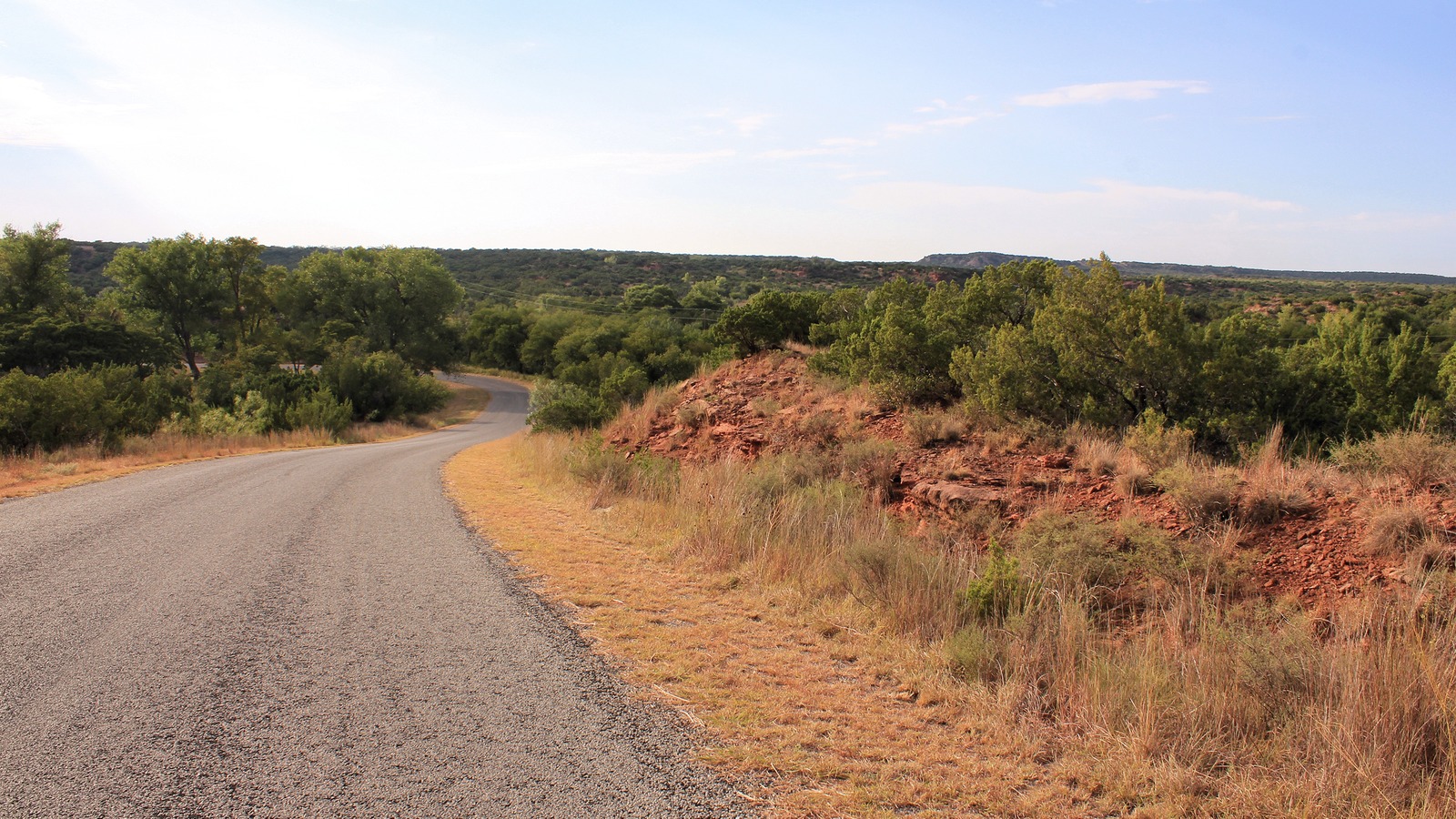
© 2015 Larry D. Moore · CC BY 4.0 · cropped, adjusted
Copper Breaks State Park in Texas is under a September 9 boil-water notice, changing a basic part of a camping trip: visitors need to bring drinking and cooking water or be prepared to boil park water for those uses. The alert remains listed by Texas Parks and Wildlife as of September 12.
There is an important equipment catch for anyone choosing to boil water at camp. The park’s separate, existing burn ban prohibits wood and charcoal fires but allows cooking with containerized fuel stoves. Check the current Copper Breaks alerts before packing a stove or relying on a campsite fire for meal preparation.
- New notice: Boil-water precautions dated September 9, 2026.
- Water plan: Bring water for drinking and cooking, or boil park water for those uses.
- Cooking equipment: Containerized fuel stoves are permitted; wood and charcoal fires are not.
- Duration: TPWD has not posted an end date for the boil-water notice.
Pack for More Than the Drive to the Park
A few bottles intended for the car journey may not cover the water needs of an overnight stay. Think through the number of people, meals prepared at the campsite, drinks mixed there, and how long the group expects to remain before access to another dependable supply.
The CDC’s boil-water advisory guidance recommends commercially bottled or boiled water for drinking, cooking, and brushing teeth. It also advises giving pets bottled water or boiled water that has cooled. Those uses help explain why a camping water plan needs to extend beyond filling a hiking bottle.
Keep safe water in clean containers and make sure everyone in the party knows which supply to use. The practical aim is to avoid a situation where one person follows the notice while another assumes that an ordinary campground tap is ready for unrestricted drinking.
Boiling Requires the Right Stove and Time
The CDC says to bring water to a full rolling boil for one minute, or three minutes above 6,500 feet, then let it cool before use. It also says water should still be boiled during an advisory even if it has passed through a household or pitcher filter. Follow any more specific local instructions.
At Copper Breaks, the burn restriction narrows the equipment option. A plan to boil a large pot over a wood fire or charcoal grill does not fit the current park rules. If bringing a permitted containerized fuel stove, account for the additional fuel and time needed for water preparation as well as the meal itself.
Bringing commercially bottled water can reduce that preparation burden, particularly for a short visit or a group without a suitable stove. The park notice offers bringing water as an option; it does not require every visitor to solve the problem by boiling at the campsite.
Do Not Combine Separate Restrictions Into One New Incident
The park alert page also lists a boat-ramp and fishing-pier closure because of low lake levels, but that entry is dated September 9, 2025. The boil-water entry is September 9, 2026. The matching month and day do not make the older facility restriction a new closure this week.
Likewise, the standing drought notice and burn ban have their own dates. They matter when planning the same trip, but the current page does not establish that one newly identified incident caused all of them. It also does not identify a specific contaminant, report an illness outbreak, or announce a parkwide shutdown because of the water notice.
The travel publisher BitesSightsFlights’ September 12 alert update independently summarizes the water precautions alongside the separate low-lake restrictions and permitted stove option. For a booking decision, use TPWD’s dated notice as the controlling park instruction.
What to Check Before Keeping or Changing a Campsite
If the trip still works with a brought-in water supply, the notice does not itself require canceling the visit. Start with what your group can reliably provide, then check whether any separate facility restriction affects the activities that made the stay worthwhile.
The park’s main visitor page provides contact and reservation links. Ask staff about your particular campsite or facility rather than assuming that a general listing of water amenities means the boil-water precautions have ended.
If a third-party campground summary gives conflicting fire or water instructions, verify the current position directly with the park before using it. The presence of an older amenities list is not evidence that the September notice has been withdrawn.
Anyone who decides to change a reservation should check the applicable cancellation conditions. The alert does not announce a blanket refund or fee waiver. A provider’s booking terms and the park’s operating precautions answer different questions.
| Your plan | What changes |
|---|---|
| Use campground tap water directly | Bring a safe supply or follow boiling instructions. |
| Boil water over a campfire | Wood and charcoal are prohibited; use permitted equipment or bring water. |
| Travel with a pet | Include the pet’s safe drinking water in the supply plan. |
| Launch a boat or use the pier | Check the separate low-water facility closure before going. |
Before packing: Count drinking and meal-preparation needs together.
Before cooking: Match your equipment to the burn ban.
Before using a tap: Check whether TPWD has explicitly lifted the notice.
Must I cancel a Copper Breaks visit?
The notice does not announce a parkwide closure. Assess whether you can meet the water precautions and your planned activities remain available.
Can I boil water on a wood fire?
No. The current burn ban prohibits wood and charcoal fires; containerized fuel stoves are allowed for cooking.
When does the water notice end?
No end date is posted. Continue following the notice until TPWD changes the instruction.