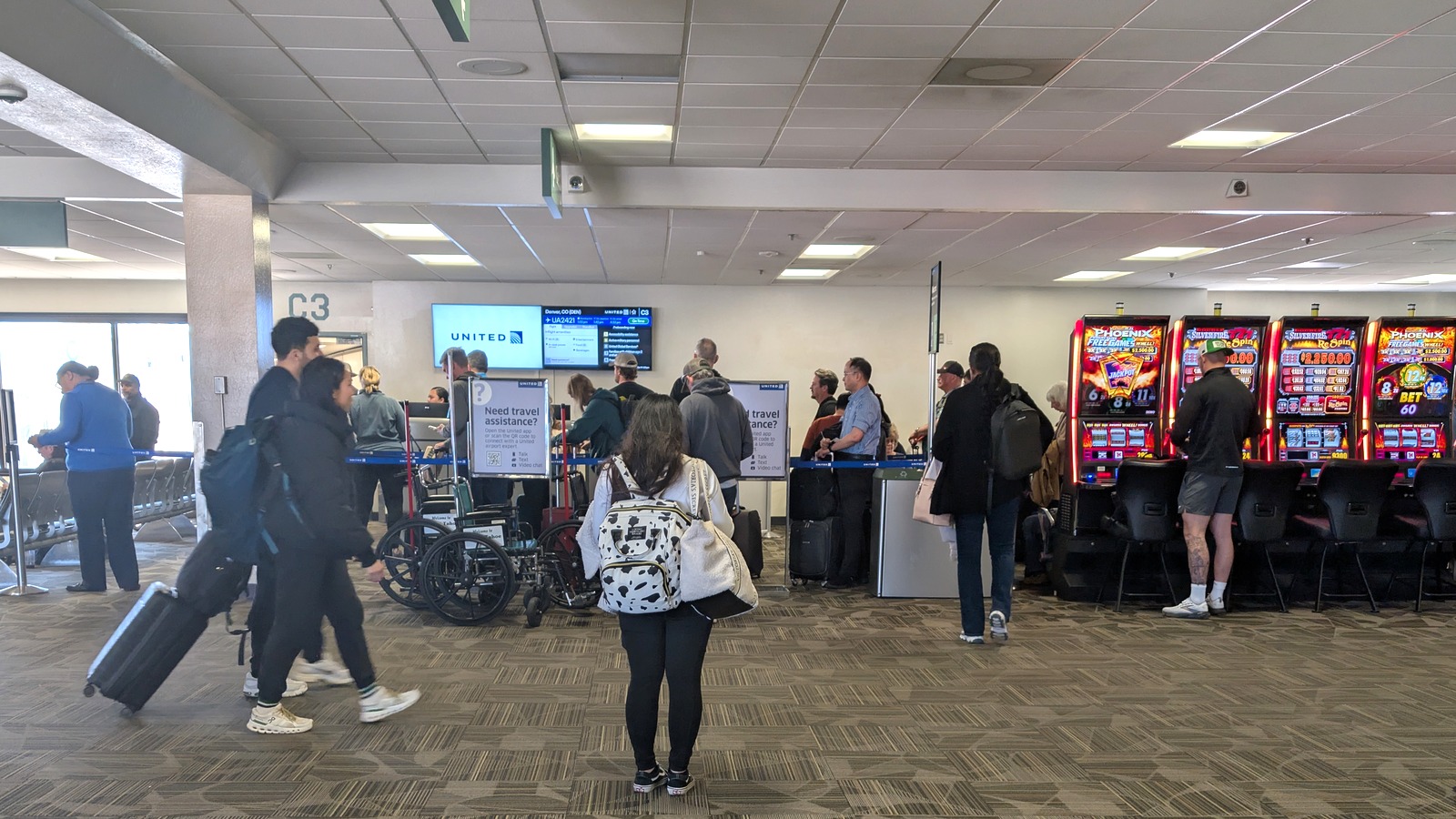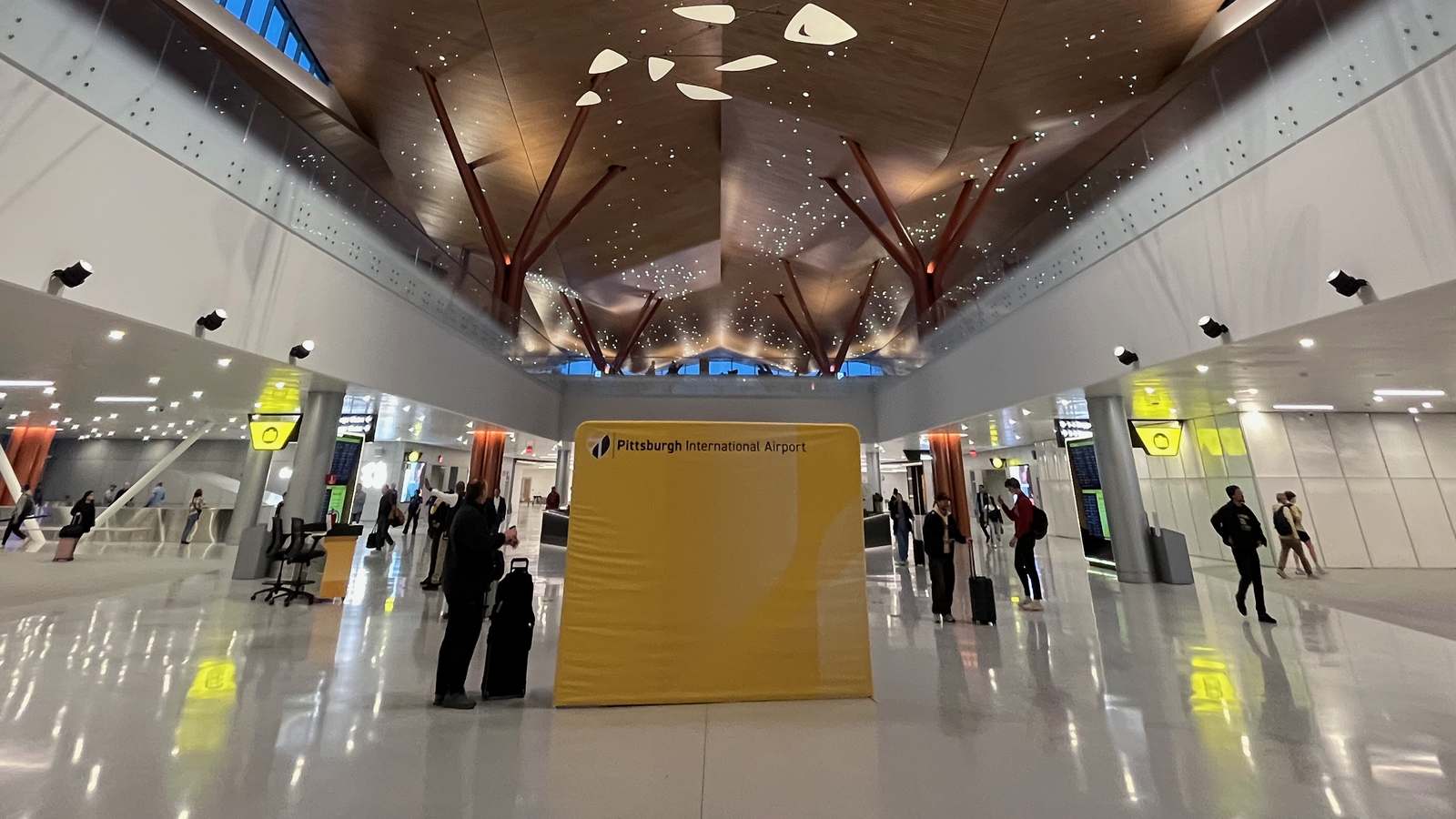
U.S. Customs and Border Protection says its facial biometric system has now verified the identity of more than 1 billion travelers, the agency announced on Tuesday, October 6, 2026. Face matching is now used for entry at every U.S. airport with international arrivals, for departures at 66 airports, at 42 seaports and in every pedestrian lane at the southwest and northern land borders. U.S. citizens who do not want their photo taken can still opt out and ask for a manual document check.
The milestone does not change what you need to carry: a valid passport or other accepted travel document is still required. Our guide on whether you should carry your passport with you covers when to keep it on hand during a trip.
- Announced: Tuesday, October 6, 2026.
- Travelers verified: More than 1 billion.
- Airports: All with international arrivals for entry; 66 for exit.
- Seaports: 42, including 25 with closed-loop cruise debarkation.
- Opt out: Tell a CBP officer and request a manual document check.
Face Matching at Airports, Seaports and Borders
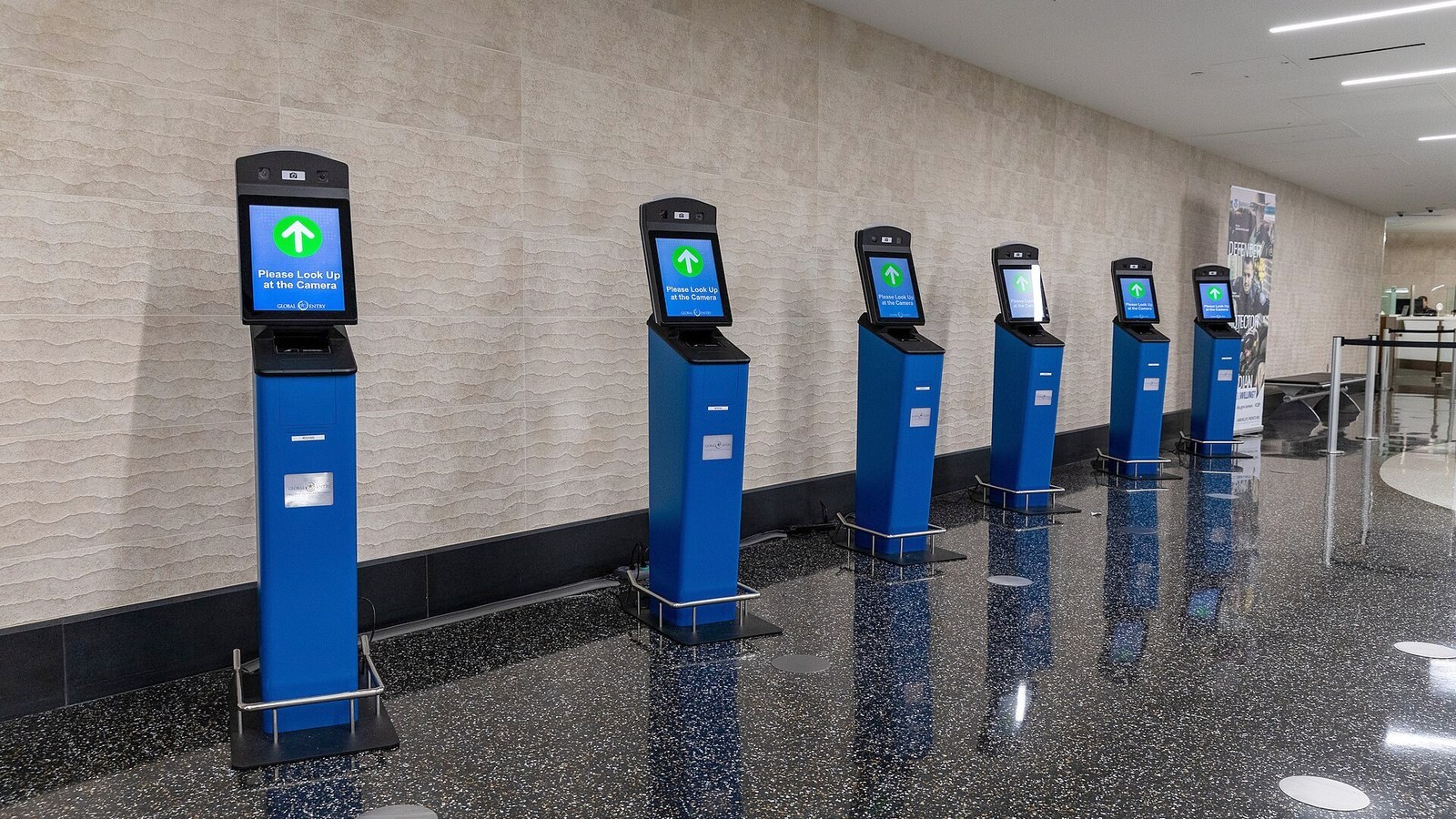
When you arrive on an international flight, a camera at the CBP booth or gate takes your photo and compares it with images the government already holds, such as your passport photo. If the match succeeds, the officer usually does not need to scan your passport by hand. CBP says the system is now in place for entry at all U.S. airports with international arrivals, including its Preclearance locations abroad, where travelers clear U.S. immigration before boarding.
On departure, 66 U.S. airports use face matching at the boarding gate for international flights, often through cameras run with the airline. At sea, 42 ports use it, and 25 of those handle closed-loop cruises, where passengers leave and return to the same U.S. port. On land, every pedestrian lane at the southwest and northern border ports now has the technology, the agency said.
CBP reported accuracy above 98 percent. It said the system has helped identify more than 600,000 travelers who overstayed their visas and more than 2,300 impostors trying to use someone else’s documents since 2018. Congress set aside 673 million dollars in July 2025 to expand the program across all ports of entry, so more lanes and gates are likely to add cameras.
How to Opt Out at the Airport or Port
U.S. citizens and other eligible travelers who do not want to take part can opt out in favor of a manual document check, Biometric Update reported. CBP says the process is simple: tell the CBP officer before your photo is taken and ask for your documents to be checked by hand.
At a departure gate, the camera may be operated by airline staff rather than CBP. Tell the gate agent that you want to opt out before you step up to the camera, and have your passport and boarding pass ready so they can check them manually. Expect it to take a little longer than walking through the camera lane, and allow extra time if your gate is busy.
The opt out applies to U.S. citizens and eligible travelers, so foreign visitors should ask the officer whether it applies to them. CBP notes that photos of non-citizens are kept in a DHS identity system.
What Happens to Your Photo
For U.S. citizens, CBP says new photos taken at the border are discarded within 12 hours once identity is confirmed. Photos of non-U.S. citizens are enrolled in the DHS Biometric Identity Management System, the department’s central database for fingerprints and face images.
The program still draws criticism. Biometric Update noted that privacy advocates have raised fears of mass surveillance and called for more oversight. If you have concerns, the opt out is the practical option at the counter, and CBP points travelers to the DHS biometrics page for program details.
Cruise Passengers and Land Border Crossings
Cruise passengers on closed-loop sailings at the 25 participating ports usually see a camera at the terminal when they get off the ship, which can shorten the line on debarkation day. The same opt out applies. Our earlier report covers facial recognition at cruise terminals.
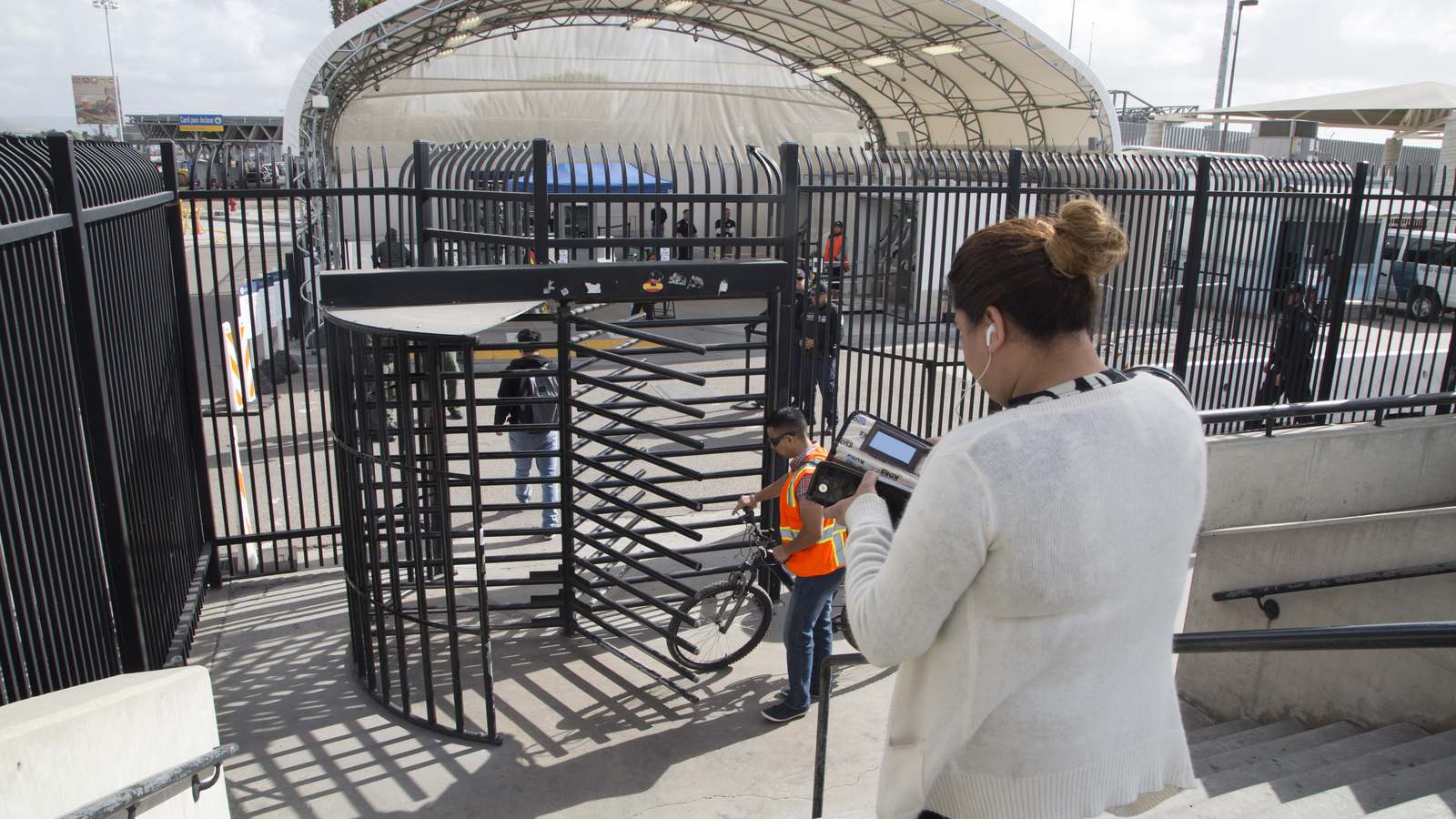
If you walk across the border from Mexico or Canada, the pedestrian lanes now have the technology at every port, CBP said. The release gave no matching figure for vehicle lanes, so drivers should keep documents ready for the officer as usual. The photo at the top of this story shows CBP’s 2016 biometric pilot at the Otay Mesa pedestrian crossing in San Diego.
Before Your Next International Trip
CBP said it is also testing on the move facial biometrics, which verify travelers as they walk, as part of Global Entry modernization. Our report on the end of passport stamps on arrival explains another recent change at the booth.
Carry your passport even if you expect the camera to clear you, because officers can always ask to see it. If the camera cannot confirm a match, expect the officer to check your documents by hand before you move on.
| If you… | What to do |
|---|---|
| Are a U.S. citizen and want to opt out | Tell the officer or gate agent before the photo and ask for a manual check. |
| Are boarding an international flight | Expect a camera at the gate at 66 U.S. airports. |
| Are ending a closed-loop cruise | Expect a terminal camera at 25 seaports. |
| Are a foreign visitor | Ask the officer whether the opt out applies to you. |
| Want program details | See dhs.gov/biometrics. |
1 billion travelers verified by face matching.
66 U.S. airports using it on departure.
12 hours before U.S. citizen photos are discarded.
Can U.S. citizens opt out of CBP face scans?
Yes. Tell the CBP officer and request a manual document check.
How long does CBP keep photos of U.S. citizens?
CBP says they are discarded within 12 hours.
Where is facial biometrics used?
All U.S. airports with international arrivals, 66 airports on exit, 42 seaports and all pedestrian border lanes.
Do I still need my passport?
Yes. A valid travel document is still required.
How accurate is it?
CBP reports accuracy above 98 percent.