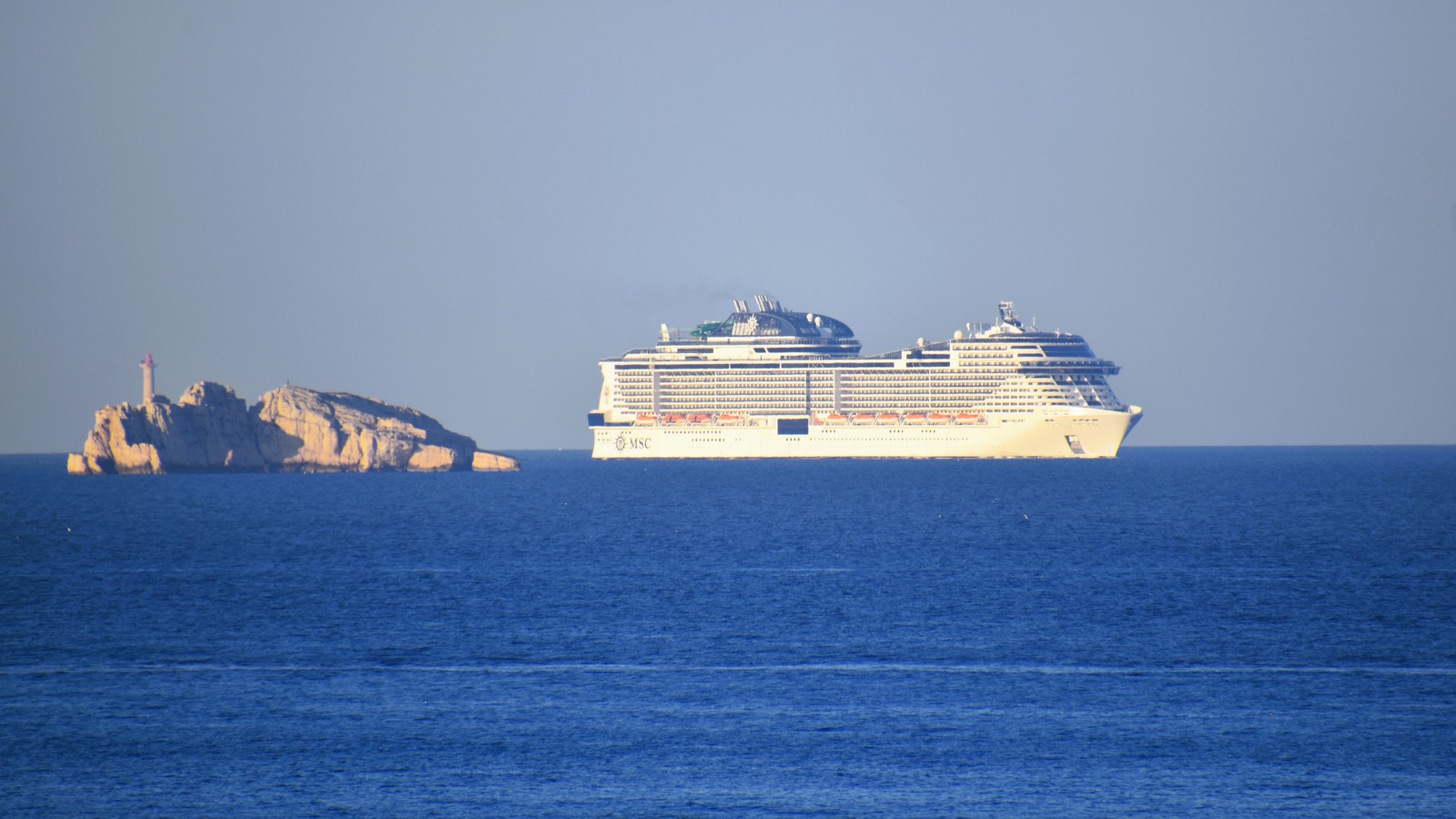
File photograph of the Cape May-Lewes Ferry in Delaware, October 13, 2023.
Driving onto the Cape May-Lewes Ferry will cost an additional $7 per vehicle, per crossing, beginning Monday, October 12, 2026. Walk-on passengers are exempt. For a vehicle making two crossings at the announced rate, the new charge adds $14 to the round trip, not $7 for the entire journey.
For a Cape May visit, Deep Arrival’s Cape May sightseeing guide can help choose the onshore stops before deciding whether to bring the car. The ferry is one part of the visit; the vehicle fee should be weighed alongside the rest of the day’s transport plan.
The Delaware River and Bay Authority announced the temporary fuel surcharge on October 8, and the ferry’s current schedules and fares page confirms the October 12 travel start. The practical change for drivers is to compare the final reservation total, because published fares do not include an applicable fuel surcharge.
- Starts: Travel beginning October 12, 2026.
- Amount: $7 per vehicle for each crossing.
- Round trip: $14 for two vehicle crossings at that rate.
- Exemption: Walk-on passengers do not pay this surcharge.
- Duration: Expected through December 31, but subject to fuel-price changes.
The New Charge Follows the Vehicle, Not Each Passenger
The authority’s notice describes a charge on all vehicle fares per crossing. It is not a new $7 fee for every person aboard. A party traveling in one vehicle should therefore distinguish the vehicle surcharge from the passenger and driver fare categories already shown on the ferry’s fare page.
That distinction also matters for travelers deciding whether to bring a vehicle. Walking aboard avoids this particular surcharge, but it does not make every part of the trip free. Passenger admission and any onward transportation remain separate planning questions. Choose the travel mode that fits the itinerary, rather than assume the exemption replaces the ordinary fare.
The ferry connects Cape May, New Jersey, with Lewes, Delaware, across Delaware Bay. The announcement concerns the price of taking a vehicle on that service; it is not a notice that the route is closing or that passengers must stop using it. Check the specific sailing before heading to either terminal.
A Two-Crossing Vehicle Trip Adds $14 at the Announced Rate
The operator’s service alert expressly describes a $7 crossing charge and a $14 round-trip charge. The arithmetic is simple, but it can be easy to miss when comparing a displayed vehicle fare with the cost of a return journey. One vehicle crossing adds $7; an outbound and return crossing add $7 each.
For travelers making repeated trips, three vehicle crossings would add $21 if the surcharge remains $7 on every crossing. That is an illustration of the new fee alone, not a complete ticket quote or a promise that the surcharge will stay fixed. The authority says it may adjust the amount as fuel costs change.
Do not multiply the charge by everyone in the car. Conversely, do not treat the outbound payment as automatically covering the return. Keep the number of vehicles and crossings separate from the number and age of passengers when reviewing a reservation total.
The Published Fare Is Not the Final Surcharge Check
DRBA says published fares exclude any applicable fuel surcharge and encourages customers to inspect the final amount shown during reservations before buying. It also says rates are subject to change and will be assessed when customers check in at the tollbooth. A saved fare-table screenshot is therefore not a guarantee of the final charge.
If a booking was made before the announcement for travel on or after October 12, do not infer an exemption from the earlier purchase date. The notice does not set out a grandfathering rule for every existing reservation. Ask the ferry to confirm how the charge applies to that booking, particularly when comparing a prepaid total with the amount assessed at arrival.
The authority directs customers to the ferry website or 800-643-3779 for the latest surcharge information. Use the exact travel date and vehicle category when checking. This is more useful than treating a general published starting fare as a final quote for a different vehicle or a later departure.
December 31 Is an Expected End, Not a Fixed Price Promise
The charge is expected to remain in effect through December 31, 2026. The authority also says it can be adjusted with fuel costs and removed if fuel prices fall back to previous levels. Travelers returning later in the season should recheck the rate rather than assume that today’s $14 round-trip example will apply unchanged.
Delaware Public Media’s October 9 report independently confirms the Monday start and walk-on exemption. It attributes the change to rising fuel costs and expiring fuel hedges. Those operating pressures explain the announcement; they do not establish a separate passenger surcharge or a change to every fare category.
For a trip this coming week, the decision is immediate: budget the extra amount if driving aboard, confirm the final reservation total and check the operator’s current notice before departure. For a later trip, keep the fee in the budget while treating the amount and expected end as changeable.
| Your Trip | New Fuel Charge |
|---|---|
| One vehicle, one crossing | $7 at the announced rate. |
| One vehicle, outbound and return | $14 if both crossings use that rate. |
| Walk-on passenger | No vehicle fuel surcharge; ordinary passenger fare still applies. |
| Existing booking for October 12 or later | Confirm the reservation’s treatment with the operator; do not assume an exemption. |
Budget by crossing: Count each vehicle’s outbound and return journeys, not the number of passengers.
Check the total: Published fares exclude applicable fuel surcharges; review the final reservation and tollbooth assessment.
Recheck later travel: The amount and December 31 expectation can change with fuel costs.
When does the Cape May-Lewes Ferry surcharge start?
For travel beginning Monday, October 12, 2026.
Who pays the additional $7?
The surcharge applies to vehicle fares for each crossing, not separately to each passenger.
Do walk-on passengers pay it?
No. Walk-on passengers are exempt from this vehicle fuel surcharge.
How much does it add to a vehicle round trip?
$14 for two crossings if the charge remains $7 for each crossing.
Is December 31 a guaranteed removal date?
No. That is the expected duration; DRBA says the surcharge may change with fuel costs.
Image Credits
- Lead Photo
Harrison Keely · CC BY 4.0 · cropped