Satdeep Gill · CC BY-SA 4.0 · cropped
The United States Department of State updated its travel advisory for Cambodia to Level 2: Exercise Increased Caution on September 15, 2026, citing crime, unrest and unexploded ordnance across parts of the country, according to the department advisory page for Cambodia.
The practical decision for travelers is whether to keep, reroute or add protection to a Cambodia trip this fall, starting with removing the Cambodian Thai border area from the itinerary and checking that travel insurance covers evacuation and medical care. Visitors spending days in the capital can use our National Museum of Cambodia visitor guide to plan daytime sightseeing in central Phnom Penh inside the new guidance.
- Updated: September 15, 2026, when the State Department set Cambodia at Level 2: Exercise Increased Caution.
- Do not travel: Areas along the Cambodian Thai border now carry the Level 4 warning because of unrest.
- Capital caution: Phnom Penh carries extra caution for street crime, and travelers should not physically resist a robbery attempt.
- Seven provinces flagged: Battambang, Banteay Meanchey, Pursat, Siem Reap, Pailin, Preah Vihear and Kampong Thom carry warnings tied to unexploded ordnance.
Thai Border Zone Carries the Highest Level 4 Warning
While Cambodia as a country sits at Level 2, the areas along the Cambodian Thai border carry the State Department highest warning, Level 4: Do Not Travel, because of unrest. NJ.com summarized the update as a direct instruction not to enter the border area, which matters for overland travelers who once treated a Thai Cambodia crossing as routine. Anyone holding a bus ticket, private transfer or self drive plan that touches the frontier should cancel that leg and rebook travel inside the country or by air.
The border warning also changes multi country Southeast Asia itineraries that paired Thailand temples with Cambodian temples in one loop. Travelers crossing between the two countries should now fly between Bangkok and Phnom Penh or Siem Reap rather than using land crossings near the disputed area. Tour operators running overland loops should confirm their current routing in writing before final payment, since the advisory singles out the border strip rather than the main airport gateways.
Phnom Penh Visitors Face Street Crime Caution
The advisory tells travelers to exercise increased caution in Phnom Penh because of crime, with frequent street theft in areas where foreigners gather. The New York Post reported that phone and bag snatchings are a named concern in the capital, alongside the department blunt robbery guidance. Visitors should split cash and cards between a hotel safe and a day wallet, carry the phone they can afford to lose on street days, and use ride hailing or hotel cars after dark instead of walking with visible valuables.
The single most quoted line of the update is the State Department instruction: do not physically resist any robbery attempt. That sentence changes how travelers should rehearse a mugging response before they fly, because compliance is now the official guidance rather than a guidebook tip. Travelers should also photograph passports and insurance cards into secure cloud storage, keep emergency contacts on paper, and know the route to their embassy and a recommended clinic before they need either one.
Seven Provinces Flagged for Unexploded Ordnance
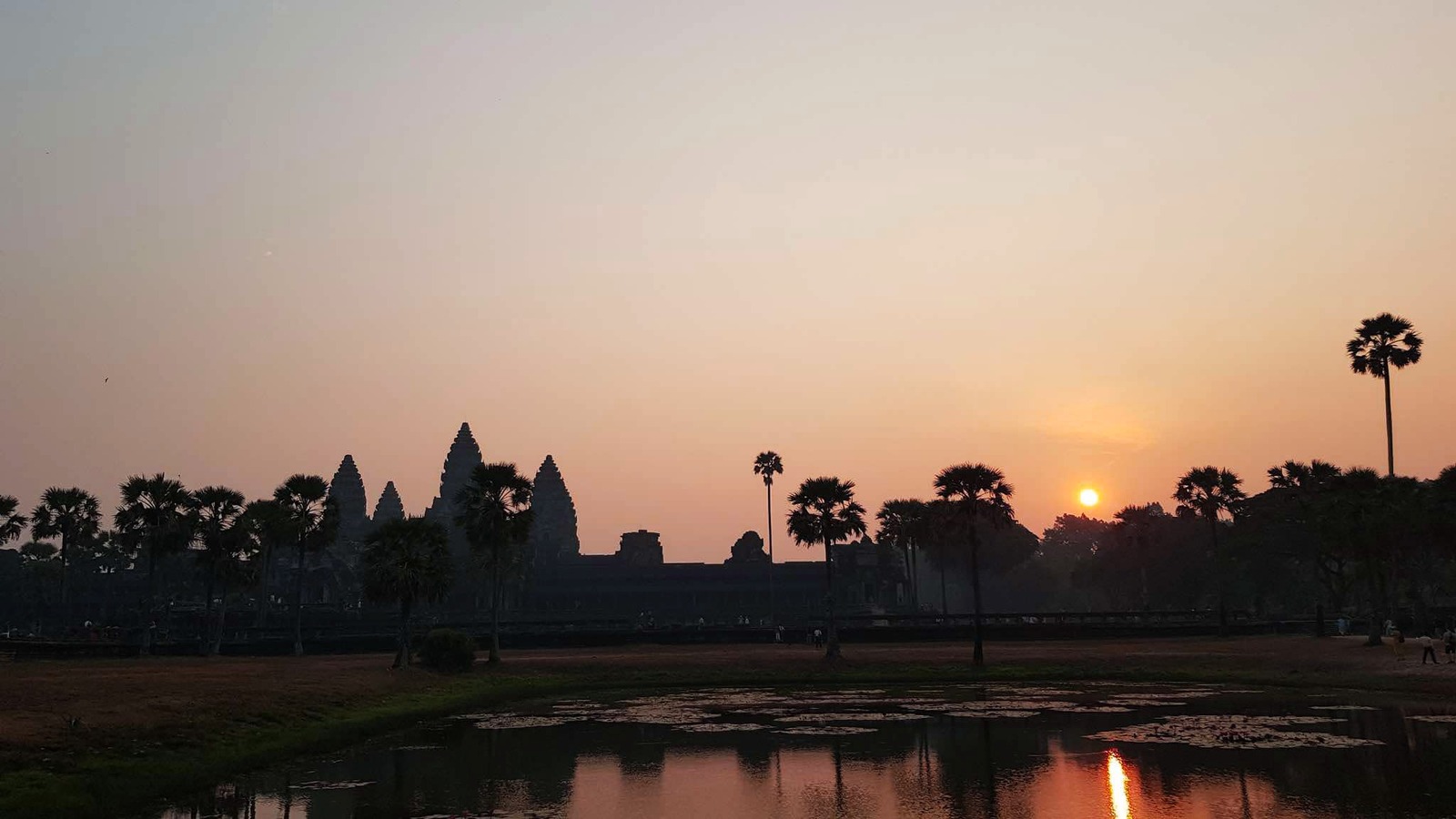
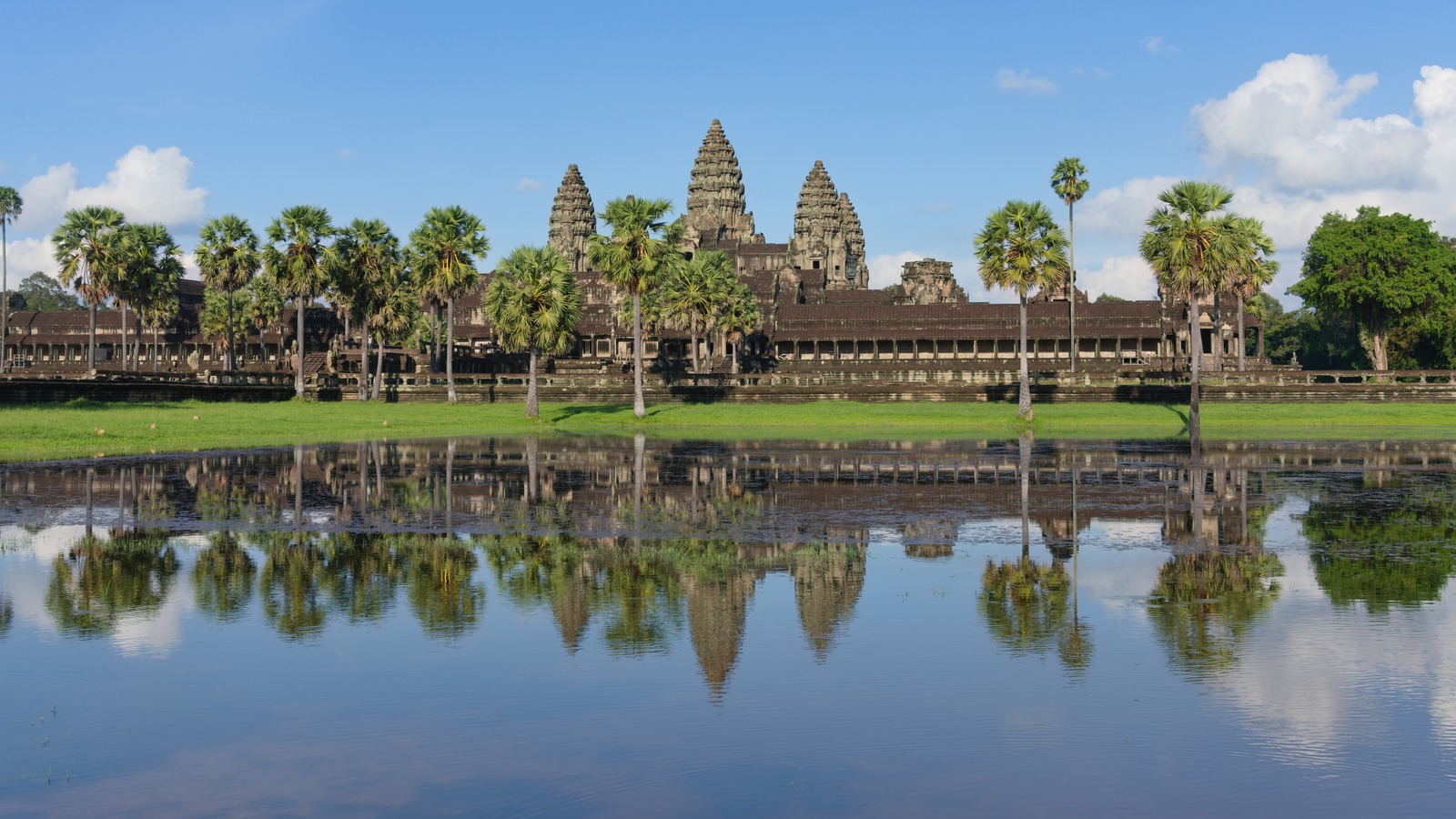
Battambang, Banteay Meanchey, Pursat, Siem Reap, Pailin, Kampong Thom and Preah Vihear provinces carry increased warnings because of unexploded ordnance left from earlier conflicts. The listing matters because it includes Siem Reap, the gateway province for Angkor Wat, so temple travelers cannot read this advisory as a far away border problem. Guided temple days booked through established operators, with transport and walking routes set in advance, fit the advisory better than unguided wandering outside marked paths and known sites.
Travelers heading to floating villages, rural temples or countryside homestays in the named provinces should confirm exact locations with their host or operator against the advisory before paying balances. Rural road conditions and signage can already slow emergency response, so daylight scheduling, charged phones with local SIM cards, and sharing the day plan with a contact at the hotel are sensible backups. Travelers who planned motorbike loops through the northwest should reroute to escorted transport or drop the rural legs entirely.
What the Robbery, Drink and Drug Guidance Says
Beyond the headline warnings, the advisory carries street level guidance that shapes nightly plans. The department warns that crimes targeting tourists often involve drugged drinks, and it advises travelers not to accept drinks from strangers and never to leave drinks unattended. That turns bar street behavior into a planning item: order directly from staff, watch the pour, travel in pairs at night, and agree on a check in time with a travel companion.
The advisory also flags Cambodia strict drug laws, noting a zero tolerance policy under which even small quantities of illegal drugs can bring arrest and detention, with lengthy prison sentences possible on conviction. The message for festival and party travelers is direct, because no advisory language softens it. Travelers should also read their policy documents for exclusions tied to alcohol and drug incidents, since insurers routinely deny claims connected to either one.
Insurance, Health and Money Steps Before You Fly
The State Department highly recommends purchasing travel insurance and checking whether coverage includes evacuation assistance, medical insurance and trip cancellation. For this advisory that recommendation carries extra weight, because the named risks run from street robbery injuries to ordnance incidents in rural provinces. Buy the policy within the window that preserves cancel for any reason or pre existing condition benefits where offered, and save the evacuation hotline in the phone before departure.
Money and health backups close the gap. Carry two cards on different networks plus a modest cash reserve in small notes, since a stolen wallet should never end the trip. Pack a basic medical kit with wound care supplies, confirm routine vaccinations with a travel clinic, and treat mosquito precautions as a standing item for temple days at dawn and dusk. Keep the State Department advisory for Cambodia bookmarked and recheck it during the week of travel, because advisory language can tighten again if border conditions change.
| If you… | What to do |
|---|---|
| Hold an overland Thai Cambodia crossing | Cancel the land leg dated after September 15, 2026 and rebook by air between the two countries. |
| Stay in Phnom Penh | Book central lodging, use hotel safes and ride hailing, and rehearse compliance if robbed. |
| Plan Angkor Wat from Siem Reap | Keep the trip but use an established operator with set routes inside the September 15 guidance. |
| Travel without evacuation coverage | Buy insurance covering evacuation, medical care and cancellation before departure. |
September 15, 2026 is the advisory date gate. Treat any Cambodia plan priced or routed before that date as stale and recheck border legs, rural stops and insurance terms.
The week before departure is the recheck gate. Reopen the advisory, confirm operator routings in writing, and share the day by day plan with a home contact.
On the ground is the behavior gate. Apply the no resistance rule, the drink precautions and the border avoidance every day of the trip.
Is Cambodia safe to visit right now?
The State Department rates Cambodia at Level 2: Exercise Increased Caution as of September 15, 2026, which means travel can continue with added precautions, except in the Level 4 do not travel zone along the Thai border.
What exactly changed on September 15, 2026?
The department issued an updated advisory keeping Cambodia at Level 2 while naming crime, unrest and unexploded ordnance, adding the blunt do not resist robbery guidance and restating the border area warning.
Can Americans still visit Angkor Wat?
Yes, with the September 15 caution in mind, because Siem Reap province carries an unexploded ordnance warning that calls for established operators, set routes and marked paths rather than independent rural exploring.
Should travelers avoid Phnom Penh?
The advisory does not tell travelers to skip the capital, but it urges increased caution there for street crime, so central lodging, hotel safes, ride hailing and low profile valuables are the right response.
What insurance should Cambodia travelers buy?
A policy that covers emergency evacuation, medical care and trip cancellation, bought early enough to keep time sensitive benefits, matches the State Department recommendation tied to this advisory.