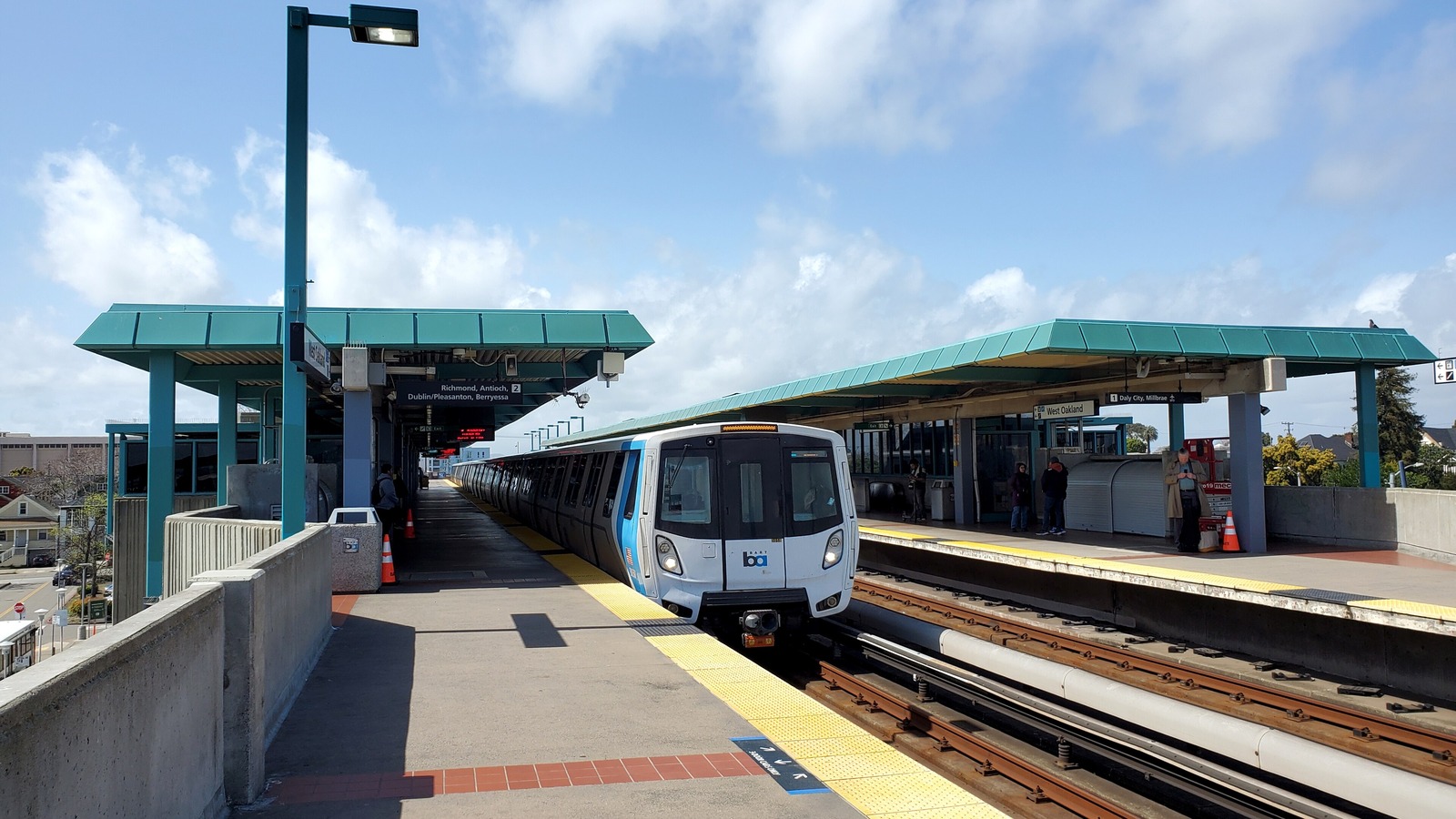
BART is running a pilot that pays for blind and low vision riders to use Aira, a live video interpreter service, on trips through the Bay Area system. The pilot began October 6 and runs through Sunday, January 3, according to BART.
Aira normally charges by the minute, but during the pilot the agency covers any call related to a BART trip, from the rider’s front door to the destination. Mass Transit magazine’s report on the launch describes the same terms.
- What: a pilot of Aira, a live video interpreter service for blind and low vision riders.
- Dates: October 6, 2026 through Sunday, January 3, 2027.
- Cost to riders: BART covers calls related to a BART trip, which Aira normally bills by the minute.
- Where it works: anywhere in the BART system, and riders do not need to be inside a station.
- Availability: 24 hours a day, seven days a week during the pilot.
What an Aira Interpreter Can Do
Aira connects a rider with a trained visual interpreter through a video call on a smartphone. Using the phone’s camera, the interpreter can describe surroundings and read signs and other text.
BART lists the tasks it expects riders to ask for: finding a station entrance, locating fare gates and ticket vending machines, identifying the correct platform and boarding the right train. The agency says interpreters get basic training on the BART system and can use BART’s website and mobile app to answer questions.
How to Get the Free Calls
Riders download the free Aira Explorer app from the Apple App Store or Google Play and create an account. The app asks for permission to use the phone’s camera, microphone and GPS location so the interpreter can help.
On the app’s home screen, tap Browse Access Offers, search for BART, and the offer applies to the next call. To place a call, tap Call an AIRA agent, tell the interpreter the trip is for BART, and point the camera at whatever needs describing. BART says riders reach an interpreter in about 10 to 15 seconds.
Connection and Wi-Fi at Stations
Aira works best where a cell signal or Wi-Fi connection is available. BART lists free Wi-Fi at SFO, West Oakland, 16th St./Mission, 24th St./Mission, Glen Park, Balboa Park, Embarcadero, Civic Center and Powell St. stations, with more stations coming.
The agency does not say what happens to a call in a spot with a weak signal, so riders who depend on the service may want to test it at a familiar station before relying on it for an unfamiliar trip.
BART’s Reason for the Test
BART’s director of customer access and accessibility, Ryan Greene-Roesel, said blind and low vision riders have told the agency that navigating to and through stations can be a real challenge, especially finding fare gates and other key features. The pilot is meant to test whether a live, on-demand interpreter makes those trips easier.
BART says it will gather feedback and review usage data to see how riders use the service and whether to seek funding for it in the future. The pilot is funded with a grant from the Federal Transit Administration, and the agency has not said what happens after January 3.
Another California Accessibility Tool
Mass Transit also reports that Riverside Transit Agency has added Convo Access, a live American Sign Language interpretation service. Riders scan a QR code on any RTA bus or at an RTA facility to reach an interpreter who helps them communicate with RTA staff.
That service is separate from BART’s pilot and serves deaf and hard-of-hearing riders in a different part of California.
| If you… | What to do |
|---|---|
| Are a blind or low vision rider planning a BART trip before January 3 | Install Aira Explorer, search Browse Access Offers for BART, and use the offer on your next trip call. |
| Want to try it before a first solo trip | Test a call at a station with free Wi-Fi from BART’s list. |
| Are traveling with a blind or low vision companion | Share the app steps ahead of time, since the offer must be applied in the app before the call. |
| Plan to ride BART after January 3 | Watch BART’s announcements, because the agency has not said whether the free calls continue. |
January 3 is the end of the pilot. BART covers trip-related calls only through that Sunday, so riders planning a winter trip should check what BART says before the date passes.
Your phone settings are the first gate. The Aira app needs camera, microphone and GPS access, so riders should set that up before a trip rather than in a crowded station.
The call quality depends on signal. BART says the service works best with a cell signal or Wi-Fi, so plan around the stations on its Wi-Fi list.
Does BART pay for Aira calls?
Yes, during the pilot. BART says it covers the cost of any call related to a BART trip, from the rider’s front door to the destination.
When does the BART Aira pilot end?
It runs from October 6, 2026 through Sunday, January 3, 2027. BART has not said what happens after that date.
Do I have to be inside a BART station to use Aira?
No. BART says riders can use the service anywhere in the BART system and do not need to be inside a station.
What does the Aira app need access to?
The app needs permission to use the phone’s camera, microphone and GPS location so the interpreter can see surroundings and help with directions.
Image Credits
- Lead Photo
Pi.1415926535 · CC BY-SA 4.0 · edited