
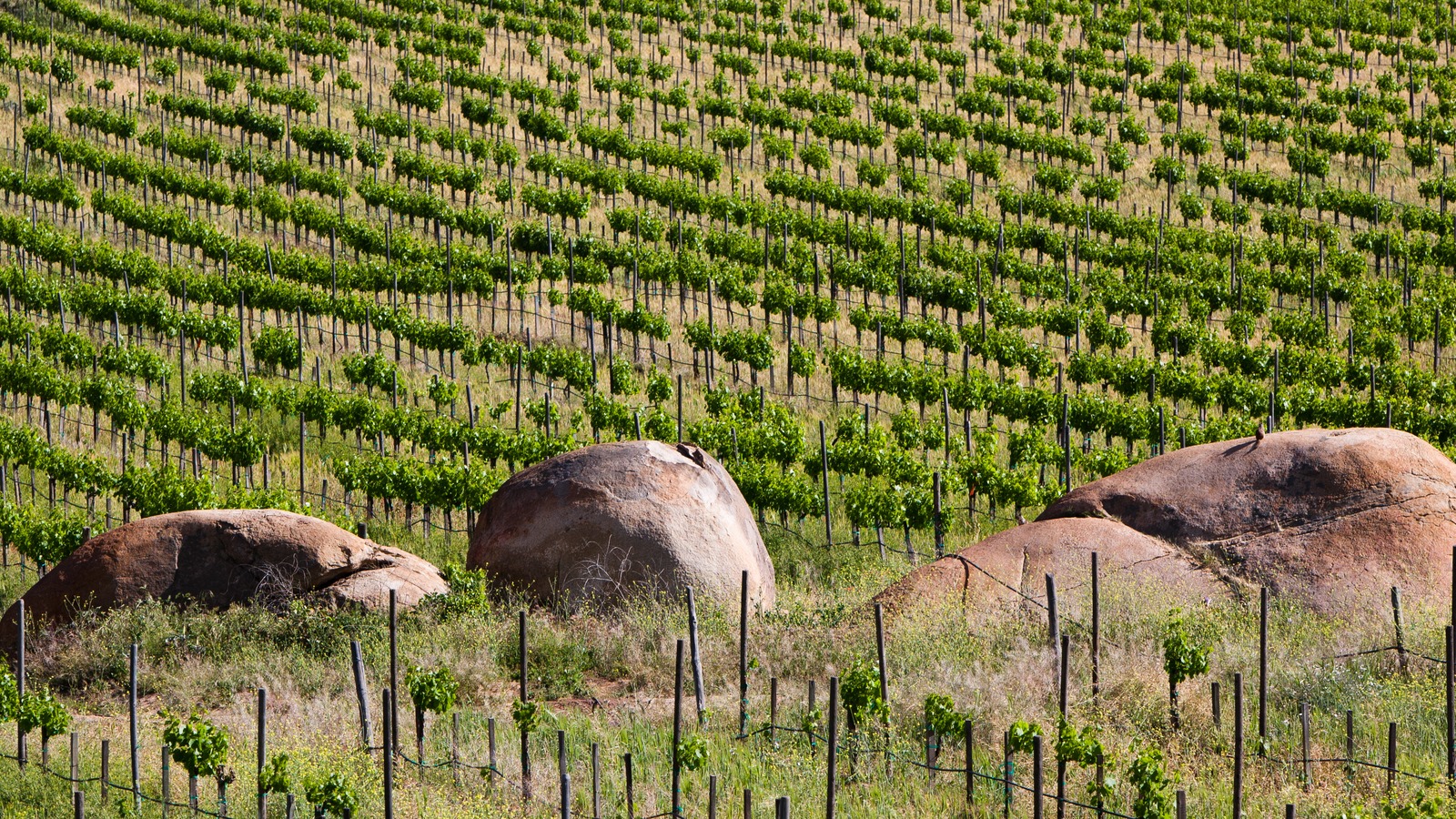
Valle de Guadalupe is a farming valley about ninety minutes south of the border that has become the center of Mexican wine, with something close to eighty producers spread along a handful of dirt roads. The single decision that shapes a trip here is transport, because the cellar doors are far apart, the side roads are unpaved and unlit, and tasting and driving do not mix.
The top 12, ranked
Ranked by how consistently each pick appears across official Valle de Guadalupe sources, the local destination marketing organization, and recent independent roundups.
- Top pick
 #1Best for Understanding how the valley works · #1 of 12
The Ruta del Vino
TourValle de GuadalupeMost cellar doors open through the middle of the day and close in the late afternoon, with reduced days midweek and in winterTicketedThe wine route is not one road but a loose network across several valleys, with the main run between Ensenada and Francisco Zarco carrying the greatest concentration of cellar doors. The state tourism board divides it into named circuits, including the Valle de Guadalupe itself, the older southern route and the combined cheese and wine loop out to the east.
Local tipPick one circuit per day and book three or four tastings at most, because the gaps between properties are longer than the map suggests and most visits run to an hour.
- Top pick
 #2Best for The benchmark producer · #2 of 12
Monte Xanic
TourValle de GuadalupeOpen most days for booked tours and tastings, with fewer sessions midweek outside the harvest monthsTicketedFounded in the late 1980s, Monte Xanic was one of the wineries that pushed Mexican wine from bulk production toward serious bottles, and it remains the reference point for the valley. The tasting terrace looks out over a small reservoir and the vineyard slopes, and the cellar tour walks through the barrel room and the underground library.
Local tipReserve a tour rather than dropping in for a tasting, because the walk through the production side is what separates this from a bar with a view.
- Top pick
 #3Best for The most distinctive cellar · #3 of 12
Vena Cava
TourValle de GuadalupeOpen daily for tastings on a booked basis, with the surrounding food and hotel operations keeping their own hoursTicketedThe most photographed building in the valley is a cellar dug into a hillside and roofed with the upturned hulls of salvaged fishing boats, which is both a design statement and a practical way to keep the barrels cool. The wines are made in small lots with minimal intervention, and the tasting room sits directly above the working cellar.
Local tipTastings are seated and take a while, so this is a first or last stop of the day rather than something to squeeze between two others.
-
4Best for A first visit to the valley · #4 of 12
El Cielo
TourValle de GuadalupeOpen daily for tastings and tours, with longer hours at weekends and through the harvest seasonTicketedEl Cielo is the polished, resort scale end of the valley, a large property with a tasting room, restaurants, villas and gardens laid out around the production building. Its wines are named after stars and constellations, and the operation is set up for people arriving without a plan, which makes it the easiest first stop for a newcomer.
Local tipIt is the busiest property in the valley at weekends, so a weekday visit gives you the same wines with a fraction of the crowd.
-
 #5Best for Getting out among the vines · #5 of 12
Adobe Guadalupe
TourValle de GuadalupeTastings run daily through the middle of the day, with horse rides on set departures that need booking aheadTicketedOne of the older estates in the modern valley combines a hacienda style inn, a tasting room and a stable of home bred Azteca horses, with the wines named after archangels. Guided rides go out through the vineyards and along the dry riverbed, which is the only way most visitors see the valley at ground level rather than through a windscreen.
Local tipBook the ride and the tasting together and take the earlier slot, because the light and the temperature are both better before the middle of the day.
-
 #6Best for The long valley lunch · #6 of 12
The valley's open air country tables
TourValle de GuadalupeMost country kitchens serve through the middle of the day only, with a small number open in the evening and many closed early in the weekTicketedThe valley's cooking grew up alongside its wine as a style the state calls Baja Med, built on Pacific seafood, local produce and Mediterranean and Asian technique. Most of it happens outdoors, under shade structures on winery land, with wood fire grills and long communal tables, and several kitchens here changed how Mexico thinks about regional cooking.
Local tipThe best known tables take bookings weeks ahead for weekends, so reserve before you fix the rest of the day rather than after.
-
7Best for Tasting widely in one go · #7 of 12
The Fiestas de la Vendimia
TourValle de GuadalupeRuns through August each year, with a flowering festival earlier in the summer and further wine events in the autumnTicketedFor a few weeks in late summer the harvest turns into a festival program run by the regional producers association, with tastings, grape treading, vineyard dinners and a paella competition spread across dozens of properties. The centerpiece is a single large tasting where most of the member wineries pour side by side, which is the fastest way to taste the region.
Local tipIndividual events sell out well before they happen and rooms in the valley go with them, so this needs booking several months out.
-
 #8Best for The oldest wine story in Mexico · #8 of 12
Bodegas de Santo Tomas
TourEnsenadaTours and tastings run through the day, with the surrounding plaza open later in the eveningTicketedThe oldest commercial winery in Mexico traces its line back to a mission vineyard and to the founding years of Ensenada, and its historic cellars sit in the middle of the city rather than out in the countryside. Tours run through the old barrel halls, and the surrounding block has been turned into a small arts and food quarter.
Local tipBecause it is in town it works as an evening stop after a day in the valley, when the rural cellar doors have already shut.
-
 #9Best for Eating on the coast · #9 of 12
Ensenada and the malecon
Neighborhood LandmarkEnsenadaThe waterfront is open at all hours, the fish market runs from early morning, and the cultural center keeps daytime hoursFree with paid optionsThe port city half an hour south of the valley is where the region eats seafood, with a waterfront promenade, a working fish market and the fish taco stands that the style is named after. It also holds the former casino turned cultural center on the seafront and the cruise dock that brings a different crowd on ship days.
Local tipGo in the morning for the fish market and the taco stands, and check whether a cruise ship is in port if you would rather avoid the busiest hours.
-
 #10Best for The coastal half day · #10 of 12
La Bufadora
ParkThe Pacific coast south of EnsenadaAccessible in daylight hours year round, with the stalls and the parking busiest at weekends and on cruise daysFree with paid optionsA sea cave on the Punta Banda headland compresses incoming swell and fires it back out as a spout that can reach the height of a ten storey building. It is one of the largest marine blowholes in North America, reached down a long lane of craft and food stalls, with hiking and kayaking on the same headland.
Local tipThe spout depends entirely on the swell and the tide, so it is worth timing a visit for a day when the Pacific is running rather than a flat one.
-
11Best for Something other than wine · #11 of 12
La Ruta del Queso at Ojos Negros
TourOjos Negros and the eastern valleysRanches receive visitors during daytime hours, most of them by appointment rather than as walk insTicketedEast of Ensenada, the Ojos Negros valley holds more than ten working cheese ranches within a small radius, several of which age their wheels in cellars cut into the hillside. The route is organized into three circuits taking in the historic ranches at Real del Castillo, the valley center and the foothills of the Sierra de Juarez.
Local tipIt is a genuine detour rather than a side trip from the vineyards, so give it its own morning and combine it with the drive back toward the border.
-
12Best for An evening off the wine · #12 of 12
The Ensenada craft beer route
TourEnsenadaTaprooms open in the afternoon and evening, with more of them trading at weekends than midweekFree with paid optionsBaja California brews as seriously as it makes wine, and the state promotes a formal brewery circuit through Ensenada alongside the wine routes. Taprooms run tours through the production side and pour flights against the local seafood, and the whole thing is walkable in a way the vineyards are not.
Local tipThis is the sensible evening after a day of tastings, since the breweries are clustered in town and reachable without a long drive back in the dark.
Where things cluster
The wine country spreads across four working zones, and a day is far easier if it stays inside one of them.
- Valle de GuadalupeThe core wine country between Francisco Zarco and San Antonio de las Minas, where most of the cellar doors, country kitchens and vineyard hotels sit. Nearly all of it is reached on unpaved side roads.
- EnsenadaThe city half an hour south, with the historic cellars, the fish market, the waterfront promenade and the breweries. It is the only place nearby where you can walk between things.
- The Pacific coast south of EnsenadaThe Punta Banda peninsula and the coast road out to the blowhole, with sea cliffs, kayaking and a long run of craft stalls at the end.
- Ojos Negros and the eastern valleysThe cattle and cheese country inland toward the Sierra de Juarez, reached on the highway east from Ensenada. Different landscape, different produce, and a separate day.
Make it a day
Three cellar doors and a long lunch
Book a driver, start with a cellar tour at Monte Xanic while the light is still soft, then move to Vena Cava for a seated tasting. Take a late lunch at one of the open air country kitchens and finish with a third tasting nearby before the roads get dark.
The valley, then the coast
Give the first day entirely to the valley, with three tastings, a long lunch and an evening back at your accommodation rather than on the road. Day two drops to Ensenada for the historic cellars and the fish market, then runs out to La Bufadora before turning for home.
Horses, cheese and a blowhole
Wine country is not a natural fit for children, so build the day around the parts that are: a morning ride through the vineyards at Adobe Guadalupe and a cheese ranch visit out at Ojos Negros. Finish on the coast at La Bufadora, where the spout and the stalls hold attention better than any tasting room.
Map
Best time to visit
F
M
A
M
J
J
A
S
O
N
D
Spring is green and mild with the vines coming into leaf and the smallest crowds, while late summer and early autumn bring the harvest, the busiest calendar and the highest room rates. Winter is the rainy season here, which turns the dirt access roads to mud and sees a number of the smaller cellar doors cut back to weekends only.
Staying over? Compare hotels in Valle de Guadalupe at Expedia.
Deep Arrival earns a commission when you buy through partner links. It does not change the price you pay.
Valle de Guadalupe things to do FAQ
Parking, timing, cost, and weather answers for a smoother visit.
Do you need a designated driver in Valle de Guadalupe?
Effectively yes. There is no public transport between the wineries, the properties are spread over many kilometers of unpaved side roads with no street lighting, and Mexican drink driving enforcement is strict. Most visitors either hire a driver for the day, join a small group tour, or stay in the valley and use one property's transport. Ride hailing coverage is patchy once you leave the main highway.
What are the roads actually like?
The main highway through the valley is paved and in reasonable condition, but almost every winery sits at the end of a dirt or gravel track. These are dusty in summer, rutted after rain, and unlit after dark. A normal car copes in dry weather if driven slowly, though a higher vehicle is more comfortable, and satellite navigation is unreliable enough that it is worth noting turnoffs in advance.
How far is the valley from San Diego and from Ensenada?
Reckon on around two hours from the San Ysidro border crossing in normal traffic, and about ninety minutes from Tijuana airport using the toll road down the coast. Ensenada is roughly half an hour to the south, which is why most itineraries treat the two as a pair. Northbound border waits can be long, so build slack into the return.
Do you need reservations for wineries and restaurants?
For the better known properties, yes. Most cellar doors now run tastings as booked appointments rather than walk ins, and the well regarded country kitchens fill weekends weeks ahead. Midweek is far more relaxed and you can often improvise. During the August harvest festivals everything is booked out months in advance.
Is there anything to do here besides drinking wine?
More than the reputation suggests. There are vineyard horse rides, the cheese ranches out at Ojos Negros, kayaking and hiking on the Punta Banda headland, the fish market and waterfront at Ensenada, and the craft breweries in town. The valley also has a strong olive oil and produce scene, and several properties run cooking and blending workshops.
What happened to the Museo de la Vid y el Vino?
The state wine museum sits on the highway through the valley and covers the history of viticulture in Baja California alongside a sculpture garden and rotating exhibitions. Its former website no longer works and now points somewhere unrelated, so opening days are best confirmed through your accommodation or a local operator before making the trip out to it.
Keep planning
Use these nearby guides to extend your Valle de Guadalupe trip with a different pace and a clear next stop.
Hero image: The Ruta del Vino, photograph by Tomascastelazo, CC BY-SA 3.0, via Wikimedia Commons. Cropped to 16:9. Image credits. #1 The Ruta del Vino: Tomascastelazo, CC BY-SA 3.0, via Wikimedia Commons. #2 Monte Xanic: Anacahuas, CC BY-SA 4.0, via Wikimedia Commons. #3 Vena Cava: T.Tseng, CC BY 2.0, via Wikimedia Commons. #5 Adobe Guadalupe: Tomascastelazo, CC BY-SA 3.0, via Wikimedia Commons. #6 The valley's open air country tables: Chris Hunkeler from Carlsbad, California, USA, CC BY-SA 2.0, via Wikimedia Commons. #8 Bodegas de Santo Tomas: Saloca, CC BY-SA 3.0, via Wikimedia Commons. #9 Ensenada and the malecon: Paulo Rios, CC BY 3.0, via Wikimedia Commons. #10 La Bufadora: Luis Enrique Cruz, CC BY-SA 3.0, via Wikimedia Commons.