
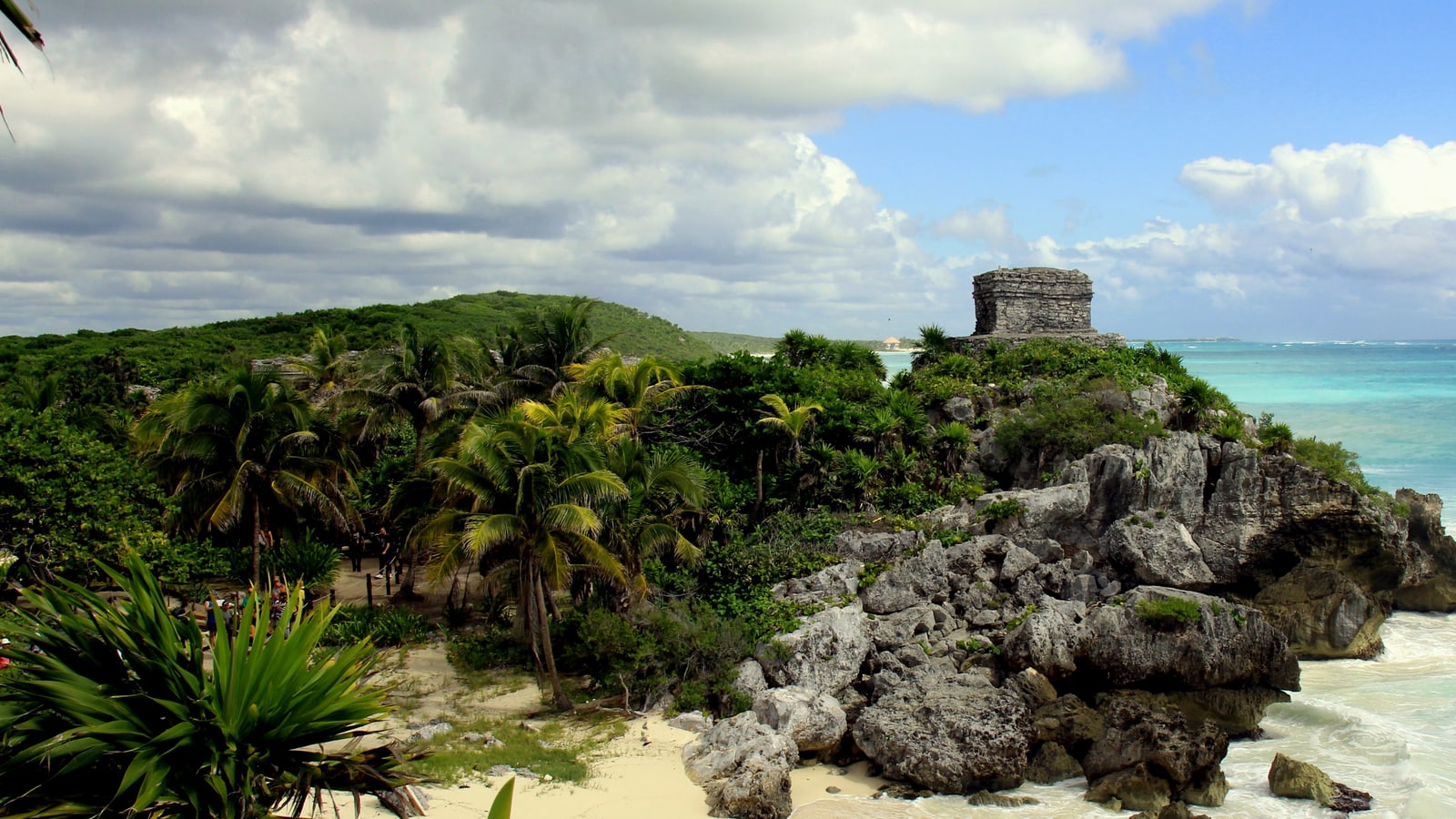
8 Things to Do in Tulum, Ranked
Tulum is more than its cliffside Maya site. Use this route-first shortlist to balance public beach access, cenotes, protected wetlands, Sian Ka'an, the pueblo, and one carefully timed archaeological visit while checking current fees, entry rules, and sea conditions.
Ranked by source consensus and editor review.
The top 8, ranked
Ranked for distinct experiences, responsible access, route logic, and a balance beyond archaeology.
- Top pick
 #1Best for Protected coast · #1 of 8
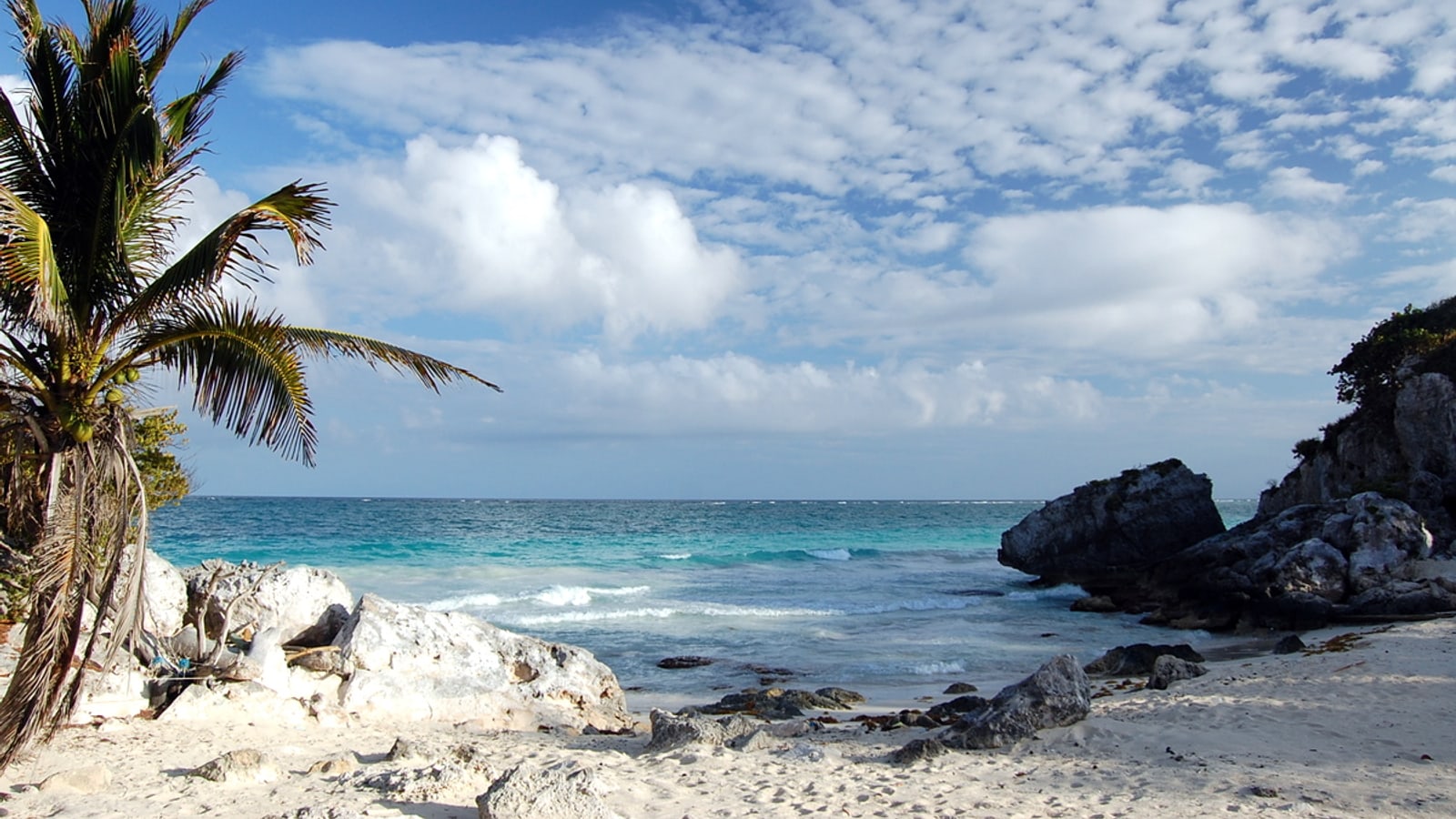
Parque Nacional Tulum Coast and Public Beaches
Protected coastTulum National Park and coastThe national park combines coastal vegetation, beaches, mangroves, cenotes, and wildlife habitat around the archaeological zone, giving travelers a beach and nature experience rather than a ruins-only stop.
Local tipUse official park or municipal access information and obey beach, food, pet, and conservation rules before choosing a shoreline entrance.
- Top pick
 #2Best for Protected nature and boat route · #2 of 8
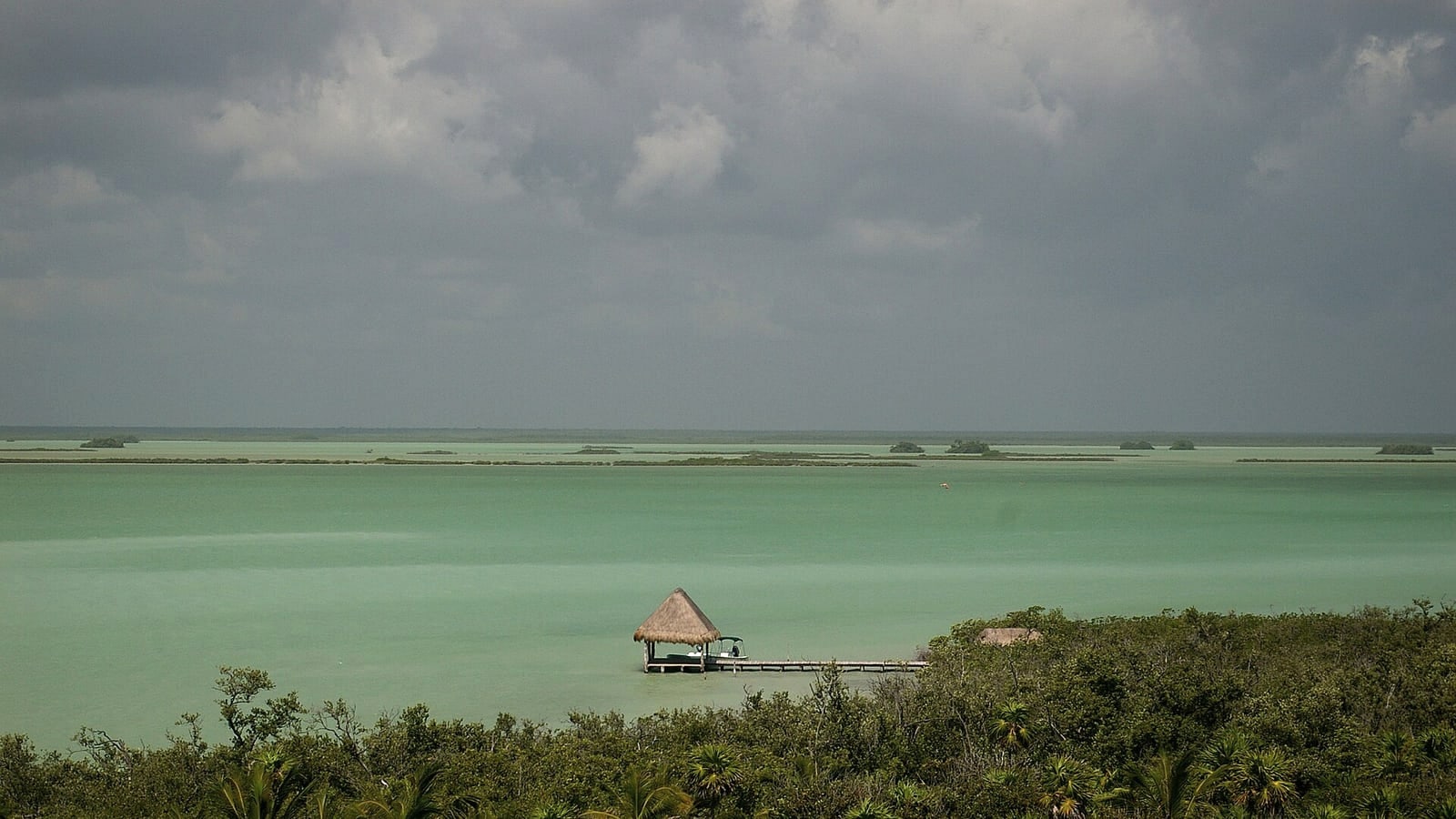
Sian Ka'an Biosphere Reserve from Muyil
Protected nature and boat routeSouth of Tulum and MuyilSian Ka'an adds lagoons, mangroves, wetlands, forest, reef, and wildlife to a Tulum trip, with Muyil providing a distinct inland access point and a gentler nature day than a beach club circuit.
Local tipBook through an authorized low-impact provider and choose either the Muyil inland route or the longer coastal approach rather than assuming one experience fits every visitor.
- Top pick
 #3Best for Cenote swim · #3 of 8
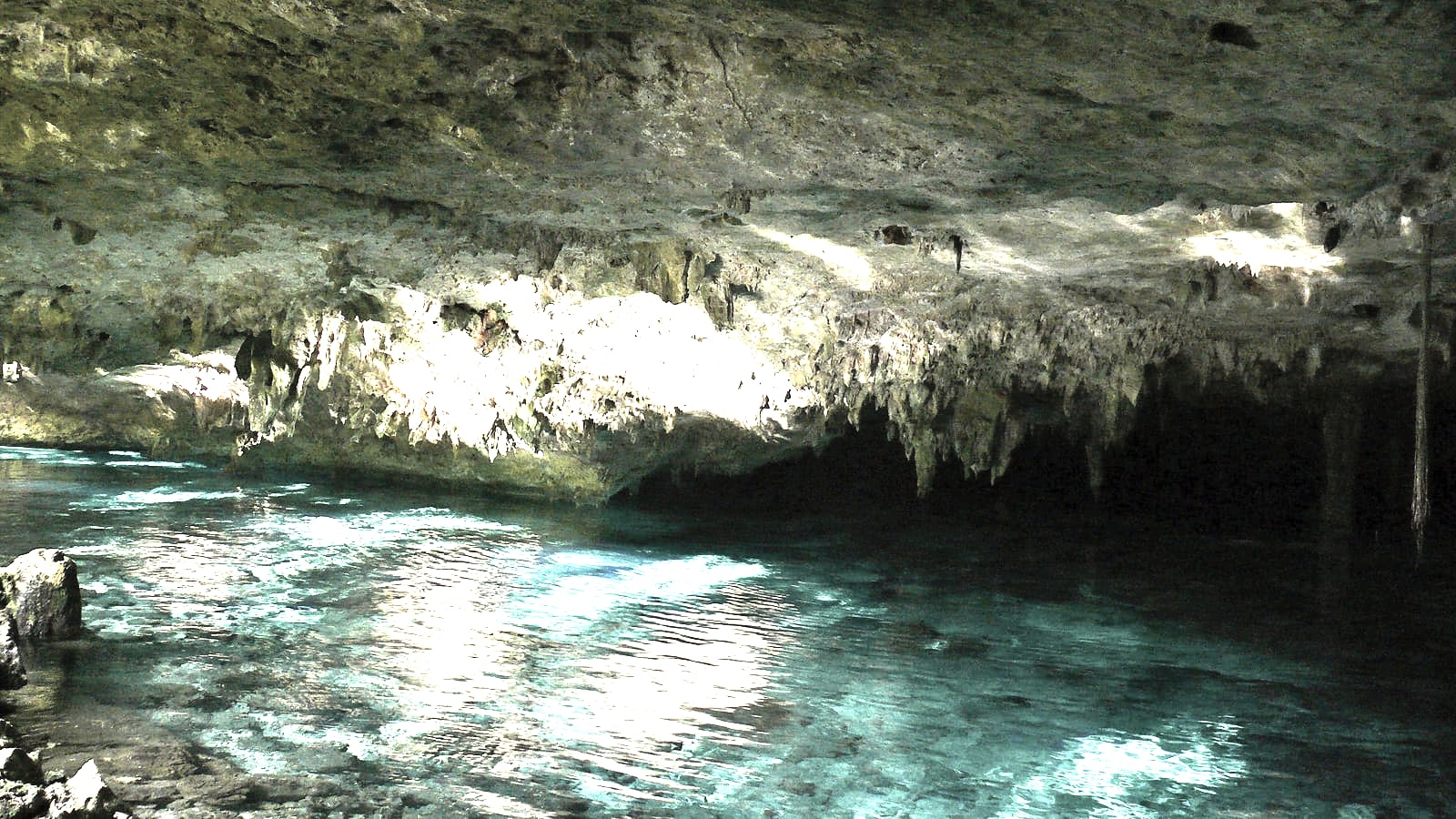
Gran Cenote
Cenote swimNorthwest of Tulum on the Coba roadGran Cenote delivers the freshwater, limestone, and jungle landscape that defines the inland side of Tulum, with a water setting distinct from the beach and reef.
Local tipCheck current on-site rules for life jackets, cameras, sunscreen, and arrival timing, and do not assume a cenote is a casual drop-in stop during peak hours.
-
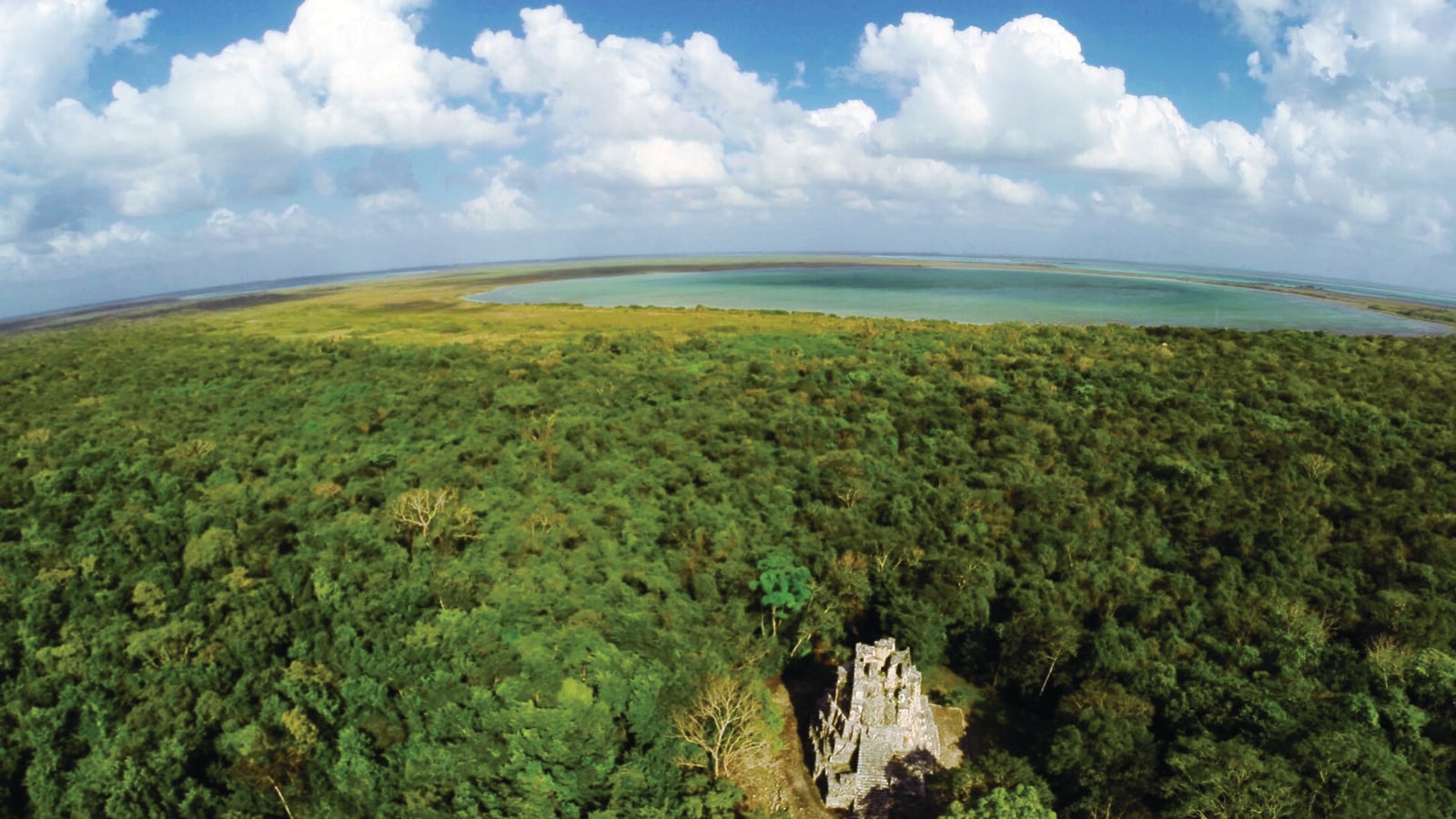 #4Best for Archaeology and nature · #4 of 8
Muyil Archaeological Zone and Jungle Edge
Archaeology and natureMuyil and Sian Ka'an gatewayMuyil pairs a smaller INAH-managed Maya site with jungle and reserve context, making it a useful archaeological alternative that does not repeat the coastal Tulum ruins experience.
Local tipCheck INAH hours and last entry, then leave time for the reserve route instead of treating Muyil as a quick photo stop.
-
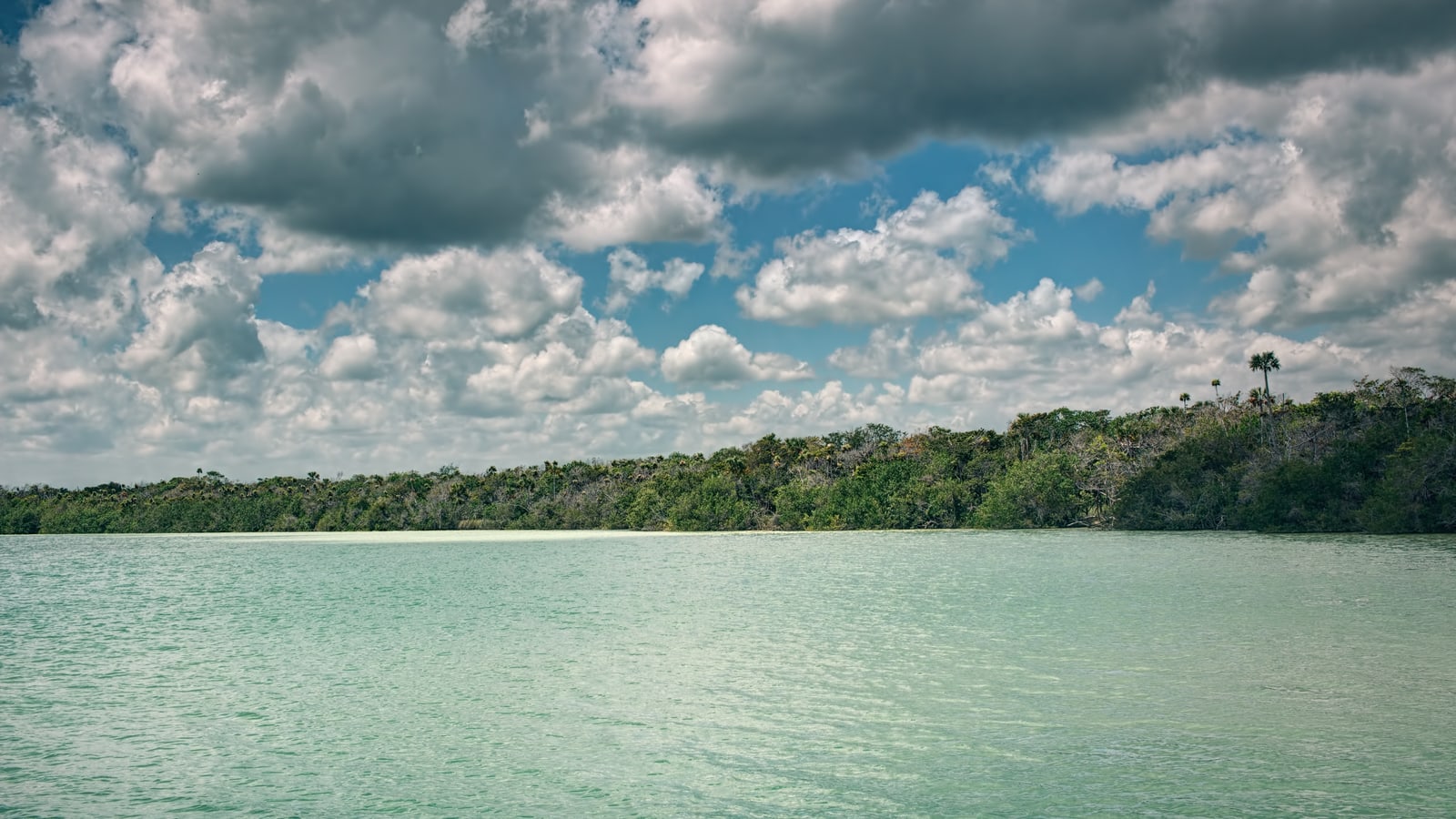 #5Best for Lagoon and swim · #5 of 8
Kaan Luum Lagoon
Lagoon and swimSouth of TulumKaan Luum offers a broad lagoon landscape and a different water day from a reef or cenote, with open sky, shallow water around a deep center, and a route that suits travelers who want scenery over a long list of stops.
Local tipConfirm current swim, drone, and access rules locally because lagoon conditions and operating policies can change.
-
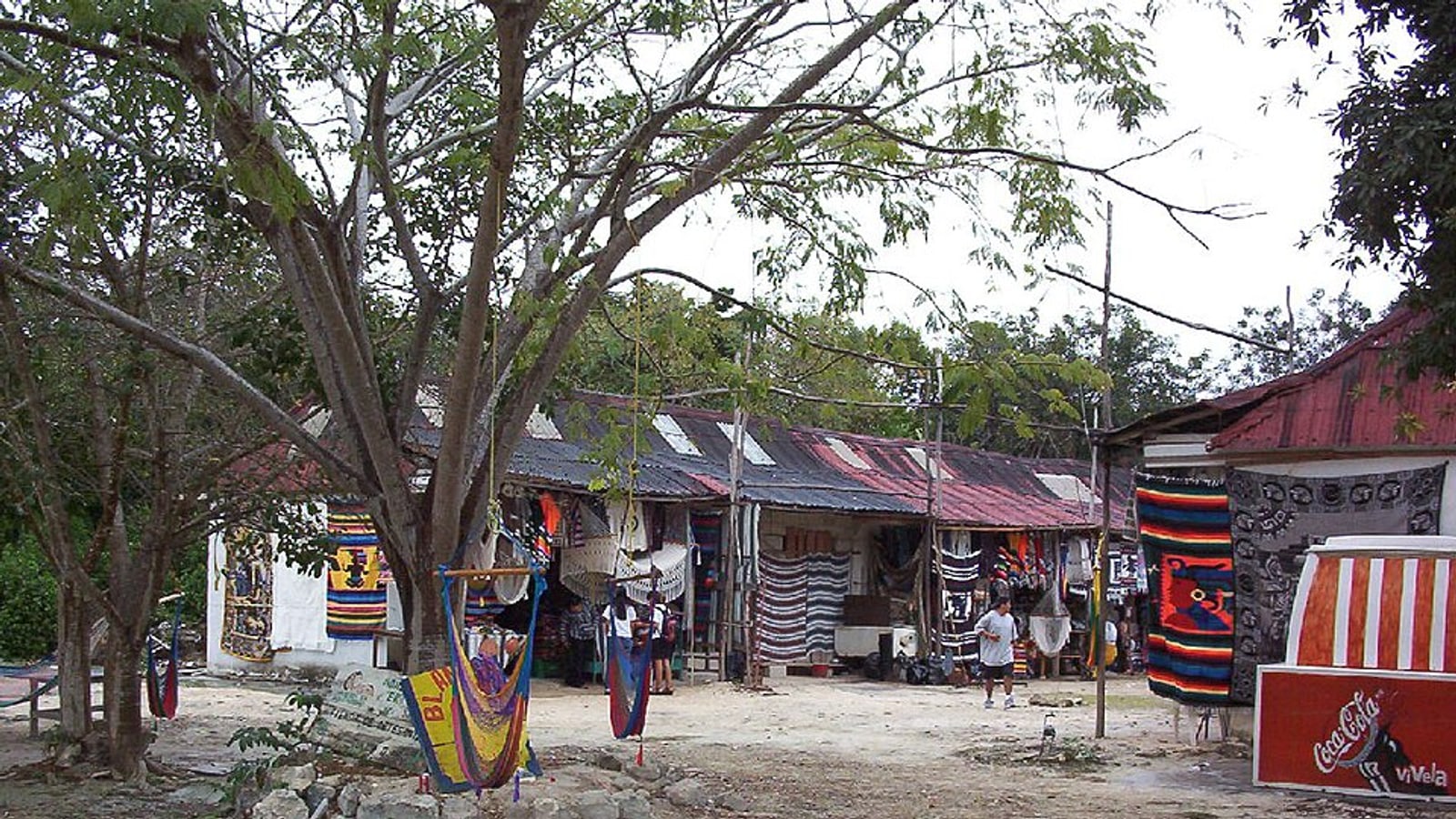 #6Best for Town and local life · #6 of 8
Tulum Pueblo
Town and local lifeTulum CentroPueblo is the practical food, market, street-art, and transport counterweight to the hotel zone, and it gives the guide a local planning anchor instead of treating Tulum as a resort strip.
Local tipUse the town for breakfast, supplies, or an evening meal and allow extra time for traffic between Centro and the coast.
-
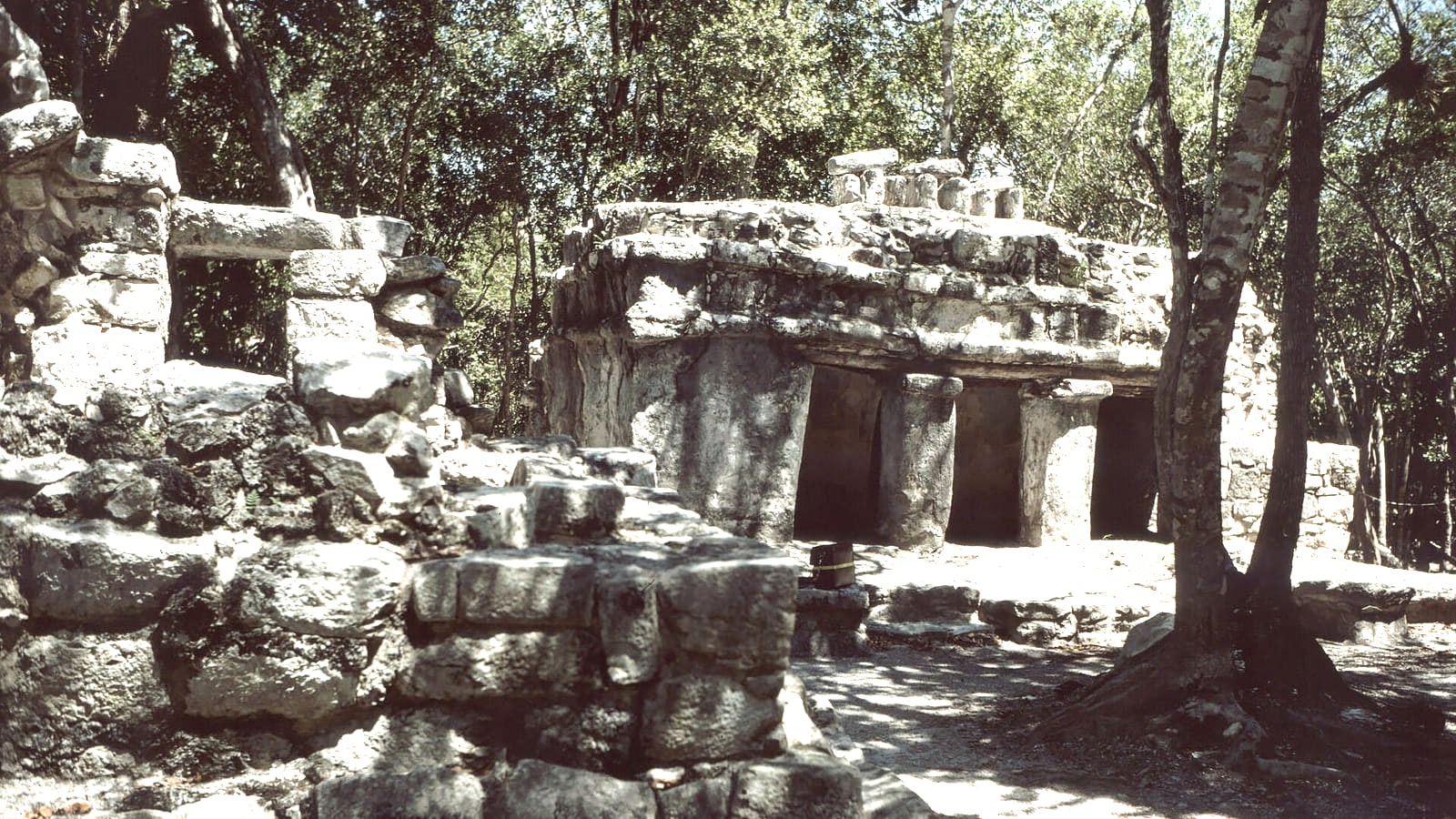 #7Best for Archaeology and coastal history · #7 of 8
Xel-Há Archaeological Zone
Archaeology and coastal historyNorth of TulumXel-Há adds a smaller coastal Maya site and a current reopening story to a wider Tulum route, giving history-focused travelers another option without making the main page only about Tulum's famous ruins.
Local tipCheck the latest INAH reopening, entry, and access information before driving because archaeological sites can change hours or services.
-
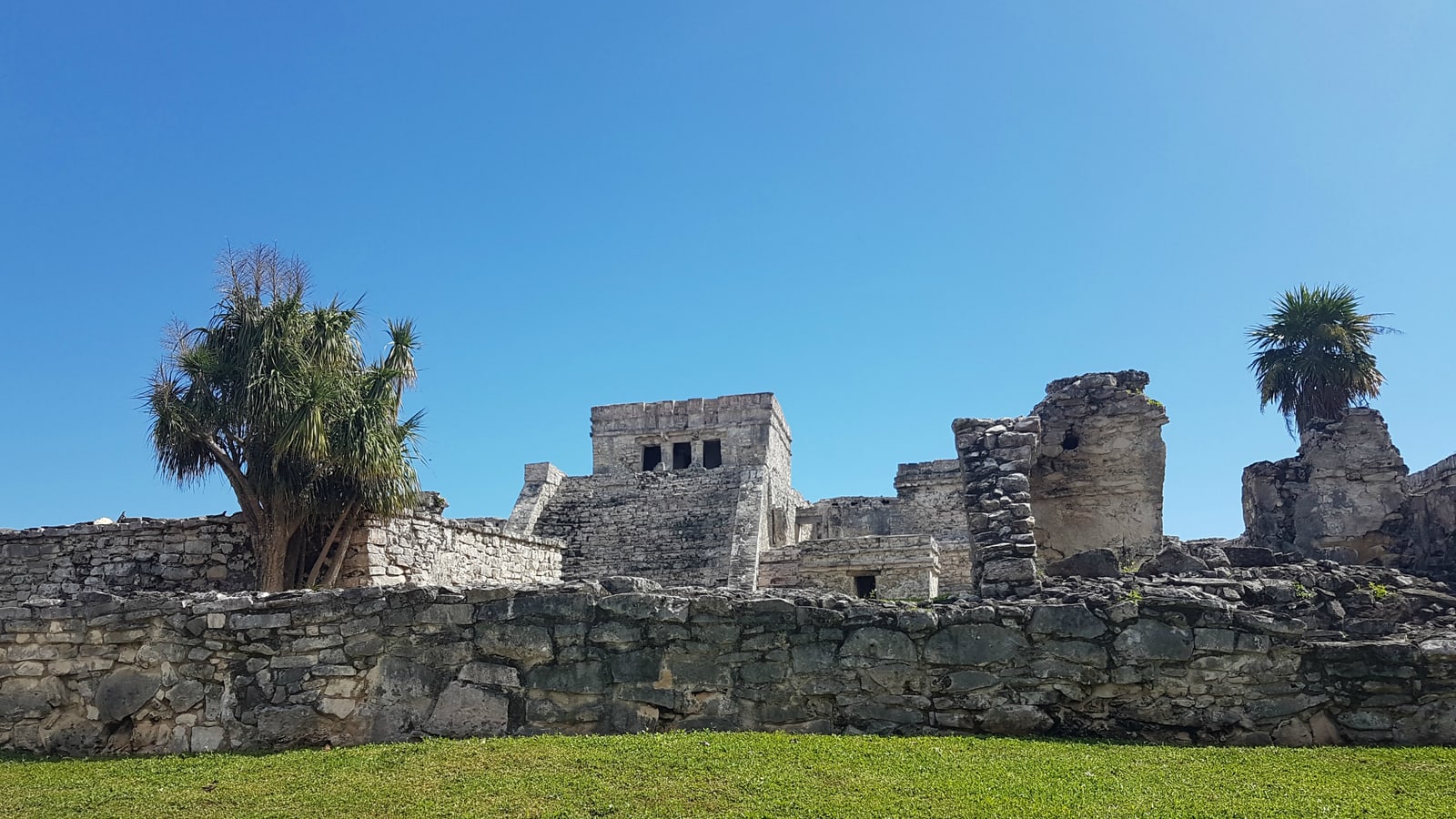 #8Best for Archaeology · #8 of 8
Tulum Archaeological Zone
ArchaeologyCoastal TulumThe cliffside walled Maya city remains Tulum's defining cultural visit, but it belongs as one timed stop inside a broader coast and nature itinerary rather than the whole destination story.
Local tipUse the current INAH page for opening time, last entry, fees, and restrictions, and arrive early enough to avoid combining the site with the hottest part of the day.
Where things cluster
A quick orientation so you can group stops instead of crossing Tulum twice.
- Parque Nacional Tulum and the hotel-zone coastProtected beaches, public access points, coastal vegetation, and sea conditions shape the coast route more than any single beach club.
- Tulum Centro and Aldea ZamaCentro is the practical local base for food, supplies, markets, street life, and transport between inland and coast.
- Cenote corridor northwest of townThe freshwater route reaches Gran Cenote and other limestone swimming sites where operator rules and arrival timing matter.
- Muyil, Kaan Luum, and Sian Ka'an gatewaySouthbound routes shift from beach tourism to lagoons, wetlands, jungle, and protected nature, usually requiring a longer half day.
Make it a day
Coast early, pueblo later
Start with the Tulum coast or public beach access while temperatures are manageable, then use the middle of the day for a cenote or shaded lunch in Centro. Finish with an early evening in Pueblo rather than stacking another long transfer.
Separate coast, cenote, and reserve days
Use day one for the archaeological zone plus the protected coast, keeping the site early. Give day two to either Gran Cenote and Kaan Luum or the longer Muyil and Sian Ka'an route, then return to Pueblo for dinner.
Water first, history in a short block
Choose a cenote or calm public beach with current safety rules, then use Centro for food and a break. Add one archaeological site when the group is rested, keeping Sian Ka'an as a guided nature option for families comfortable with heat and boat time.
Map
Best time to visit
F
M
A
M
J
J
A
S
O
N
D
November through April is generally the easiest planning window for heat and rain, while April through August is also the period when the municipality warns that sargassum is more likely along the coast. Cenotes and inland reserve routes can be useful weather alternatives, but every access point needs a current check.
Staying over? Compare hotels in Tulum, Mexico at Expedia.
Deep Arrival earns a commission when you buy through partner links. It does not change the price you pay.
Tulum things to do FAQ
Choose a Tulum route by coast, cenote, Pueblo, or reserve access before checking current conditions.
Is Tulum worth visiting beyond the ruins?
Yes. Tulum also offers protected coast, public beaches, cenotes, lagoons, Sian Ka'an, Muyil, Pueblo food, and nature routes. Those experiences require different access and time plans, so they should not be collapsed into one ruins itinerary.
How many days do you need in Tulum?
Two days can cover the archaeological zone, coast, one cenote, and Pueblo. Three days make a Muyil or Sian Ka'an route more comfortable and leave room for weather or sea-condition changes.
What is the best time to visit Tulum?
November to April is usually the easiest balance of heat and rainfall. April to August can bring a higher chance of sargassum on some beaches, so check municipal updates and keep an inland alternative.
Can you visit Tulum without a car?
You can base yourself in Pueblo and use taxis, transfers, or organized tours, but a car or prearranged transfer makes cenotes, Kaan Luum, Muyil, and Sian Ka'an easier. Always use qualified providers and confirm access details.
Are Tulum beaches free?
Some public beach access points do not charge for the beach itself, but park access, transport, parking, facilities, or third-party services can have separate rules or fees. Check current municipal and park information before leaving.
What should you not bring to Tulum archaeological and nature sites?
Follow the controlling site's current rules. Common restrictions include food, pets, smoking, professional cameras, and behavior that harms wildlife or cultural resources. Use official INAH and CONANP guidance rather than a tour listing.
Keep planning
Use these nearby guides to extend your Tulum trip with a different pace and a clear next stop.
Image credits. Hero: Thank You (25 Millions ) views / Flickr / CC BY 2.0. 1 Parque Nacional Tulum Coast and Public Beaches: mdanys / Flickr / CC BY 2.0. 2 Sian Ka'an Biosphere Reserve from Muyil: Tim / Wikimedia Commons / CC BY-SA 2.0. 3 Gran Cenote: Bernard DUPONT / Flickr / CC BY-SA 2.0. 4 Muyil Archaeological Zone and Jungle Edge: Kanché A.C. / Wikimedia Commons / CC BY-SA 4.0. 5 Kaan Luum Lagoon: Tinker & Rove / Flickr / CC BY 2.0. 6 Tulum Pueblo: Davidlohr Bueso / Wikimedia Commons / CC BY 2.0. 7 Xel-Há Archaeological Zone: HJPD / Wikimedia Commons / CC BY-SA 3.0. 8 Tulum Archaeological Zone: dave_7 / Flickr / CC BY-SA 2.0.