
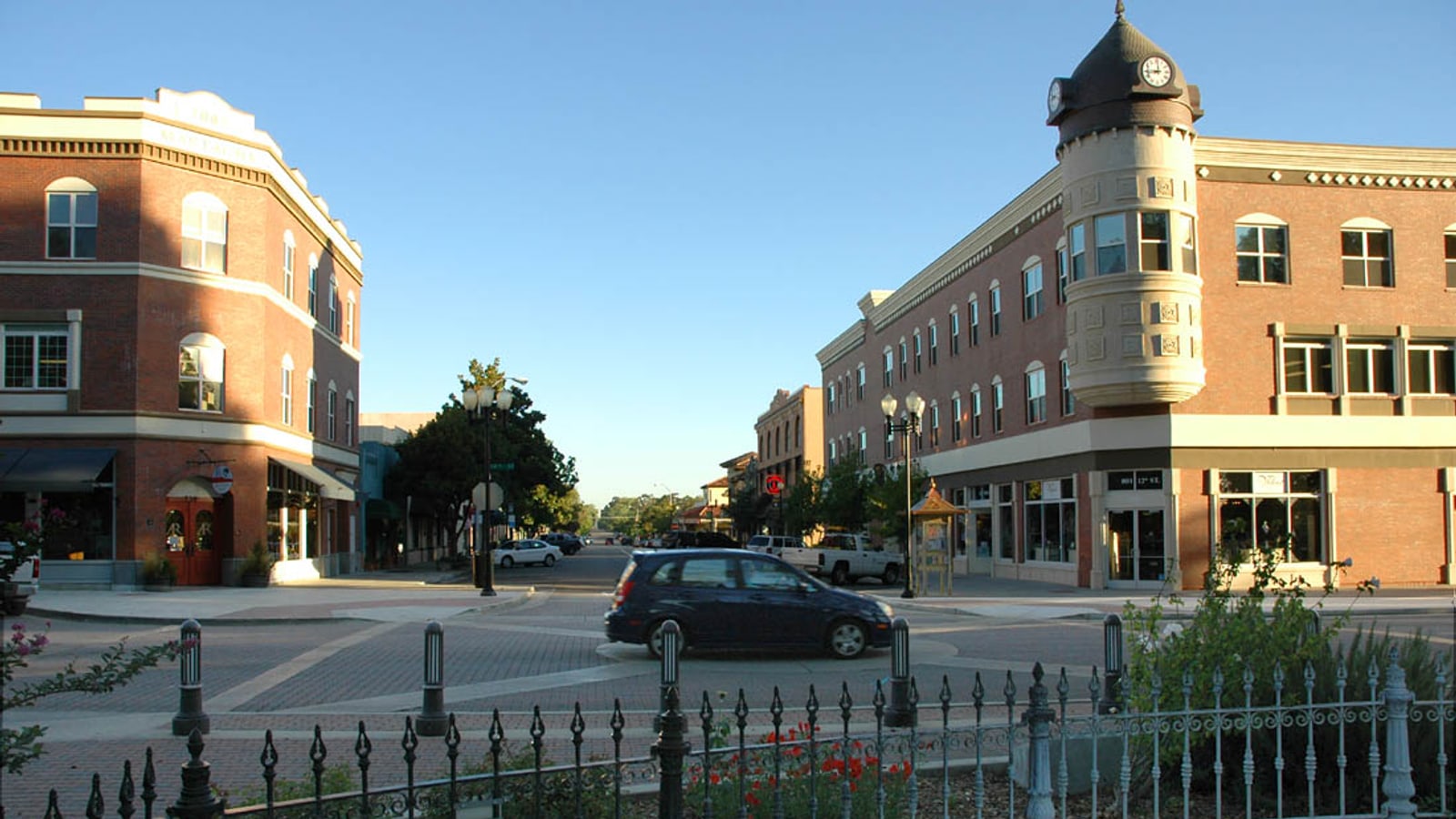
10 Things to Do in Paso Robles, Ranked
A ranked city and wine-country plan with specific route clusters, sober transport choices, booking notes, free alternatives, and one clearly labeled nearby mission.
Ranked by source consensus and editor review.
The top 10, ranked
Ranked for distinctiveness, first-visit value, route efficiency, practical cost, and appeal beyond wine alone.
- Top pick
 #1Best for first arrivals, mixed groups, and a free anchor · #1 of 10
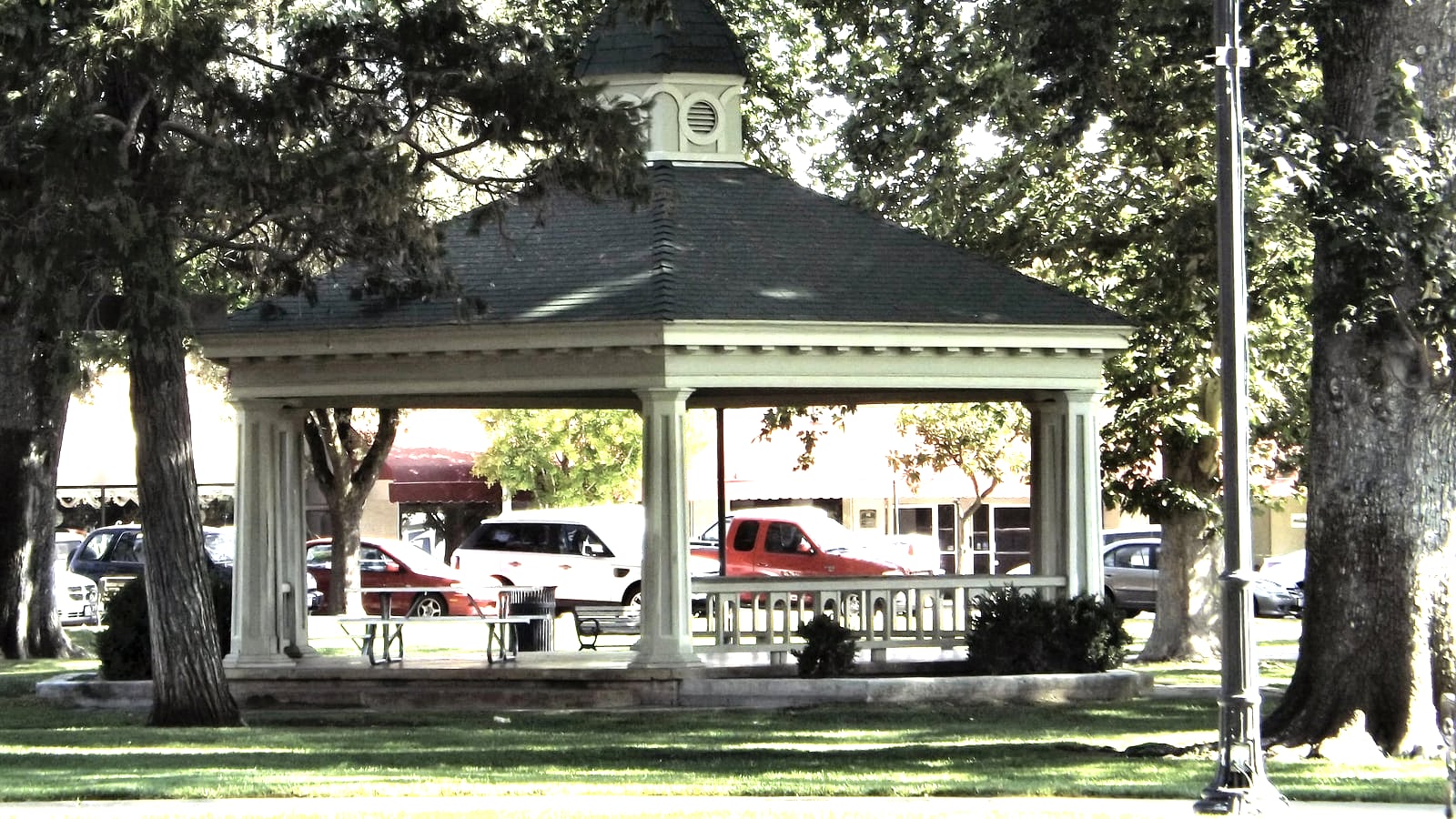
Downtown City Park and historic center
walkable downtown orientationDowntown and City ParkPublic space is available broadly, but museums, visitor services, shops, and events keep individual schedules.free to walk; food, shopping, tastings, and some programs cost extraDowntown City Park ranks first because it is the most flexible starting point for understanding Paso Robles before committing to rural drives or paid tastings. The park, Carnegie Library, historic buildings, shops, restaurants, galleries, and tasting rooms fit within a walkable cluster, so groups with different interests can share an easy opening. It also provides genuine value for non-drinkers and families, while the city's current end to paid public parking removes one common planning complication.
Local tipBegin at City Park, check current parking signs, choose one nearby museum or gallery, and use the visitor center to refine rural reservations.
Skip ifSkip a long downtown block only if extreme heat or a major event makes walking uncomfortable.
- Top pick
 #2Best for first-time wine visitors who want a coherent route · #2 of 10
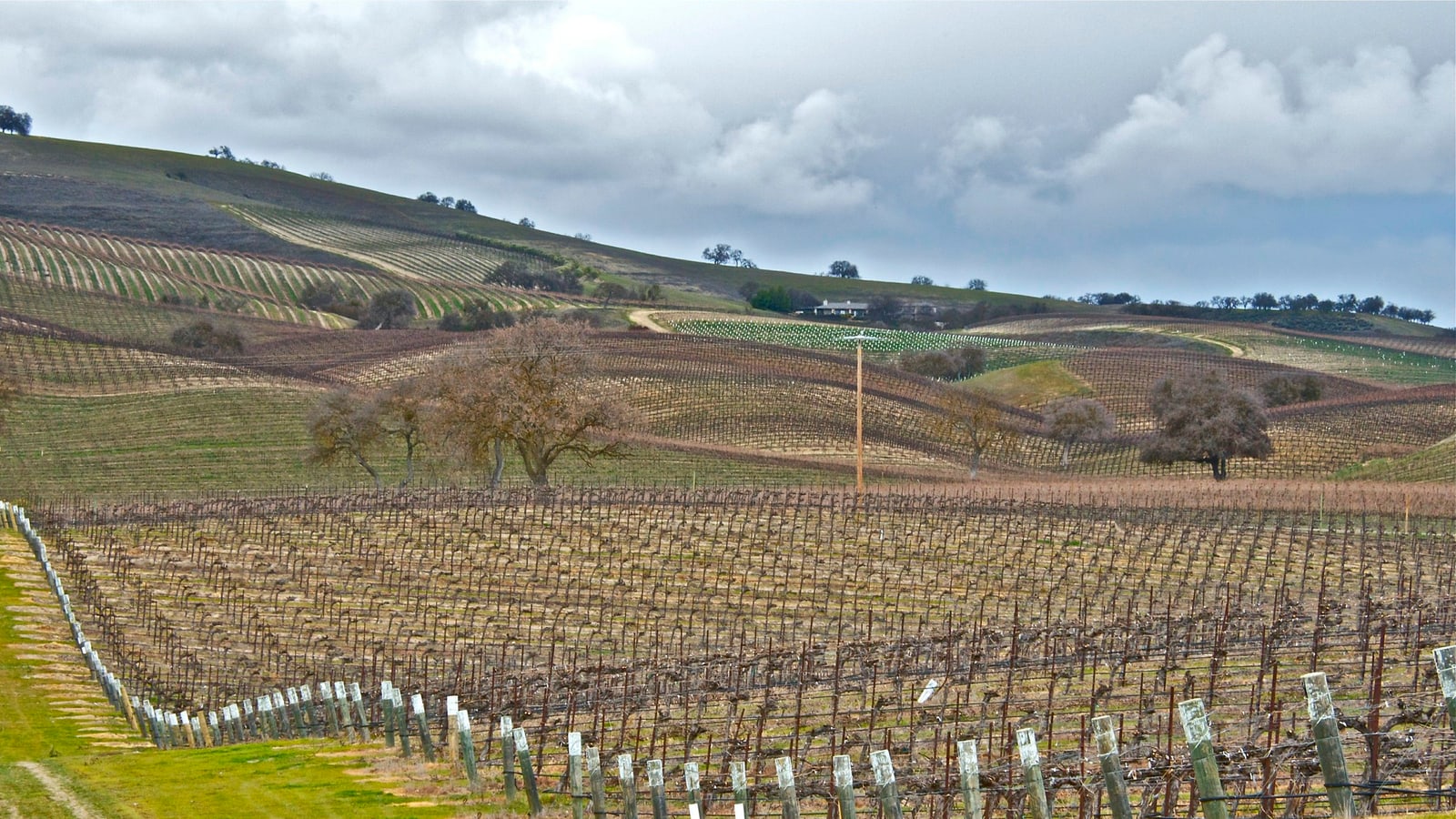
Paso Robles wine-country route
scenic tasting and vineyard driveEast-side or west-side wine countryEvery winery sets its own schedule, reservation, age, group, and tasting policies.moderate to premium depending on tasting fees, purchases, food, and transportA planned wine-country route ranks second because vineyards and tasting experiences define Paso Robles for many visitors, yet the real decision is geographic rather than numerical. Choosing one side of town, reserving a small set of compatible stops, and arranging a sober driver protects time for conversation, food, scenery, and unhurried travel. This approach ranks above any single winery because it teaches a reusable planning method without pretending that one commercial venue fits every palate or budget.
Local tipChoose one side of US 101, confirm appointment and food policies, limit the number of tastings, and arrange sober transportation before booking.
Skip ifSkip a tasting route if no sober transport or responsible non-drinking plan is secured.
- Top pick
 #3Best for history, aircraft, cars, families, and hot afternoons · #3 of 10
Estrella Warbirds Museum and Woodland Auto Display
aviation and automotive museumEast-side and airport clusterConfirm current opening days, special events, simulator availability, and admission on the museum site.ticketed museum; children and special programs may use different ratesEstrella Warbirds ranks third because it is Paso Robles' strongest substantial non-wine attraction, combining aircraft, military-history material, vehicles, and the Woodland Auto Display in one airport-area stop. It gives families and mixed-interest groups a clear alternative to tasting rooms, while indoor galleries help during heat or rain. The museum still needs a dedicated drive and has its own operating days, so it works best as a morning anchor before an east-side lunch or reserved winery.
Local tipCheck the museum calendar and admission before driving, allow time for both collections, and pair it with other east-side stops rather than downtown.
Skip ifSkip when the museum is closed or the group has little interest in aircraft and vehicles.
-
 #4Best for groups comparing wine, cider, beer, spirits, and food · #4 of 10
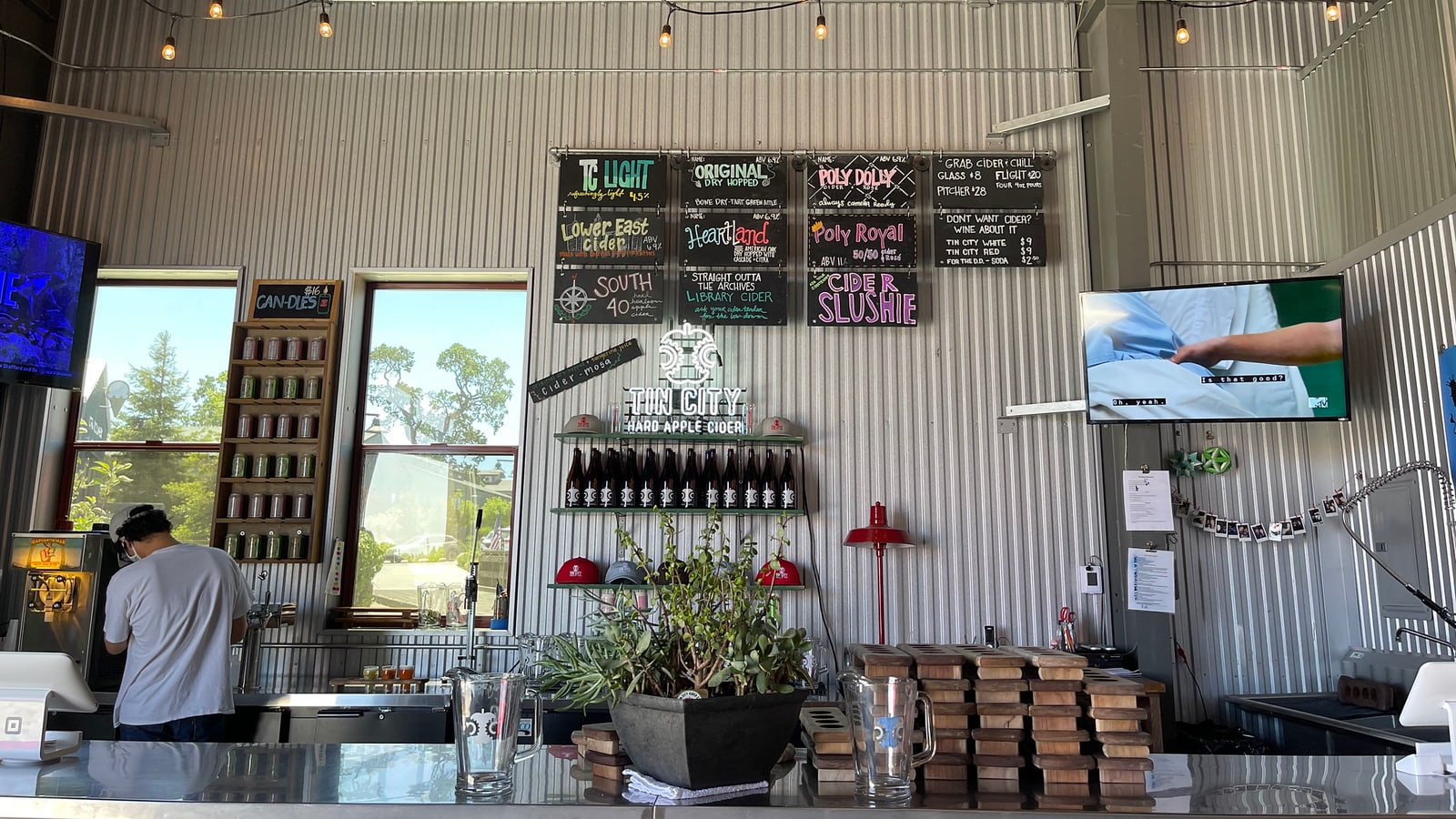
Tin City beverage district
walkable production and tasting districtTin City and Templeton edgeEvery producer and restaurant keeps its own hours, reservation, and age policy.varies by producer; walking the district is free but tastings and food are paidTin City ranks fourth because it concentrates many producers and food options in a walkable industrial district, reducing the rural driving that complicates a traditional winery day. The variety also lets mixed groups choose cider, beer, spirits, food, or wine rather than forcing one shared tasting style. Its compact form does not eliminate alcohol-safety or booking decisions, however, and the return to lodging must be arranged before anyone starts tasting.
Local tipSelect a short list before arrival, confirm each business schedule, reserve food when needed, and arrange the return ride before the first tasting.
Skip ifSkip if the group wants traditional vineyard scenery or lacks safe transportation back from the district.
-
 #5Best for visitors balancing art, gardens, and wine · #5 of 10
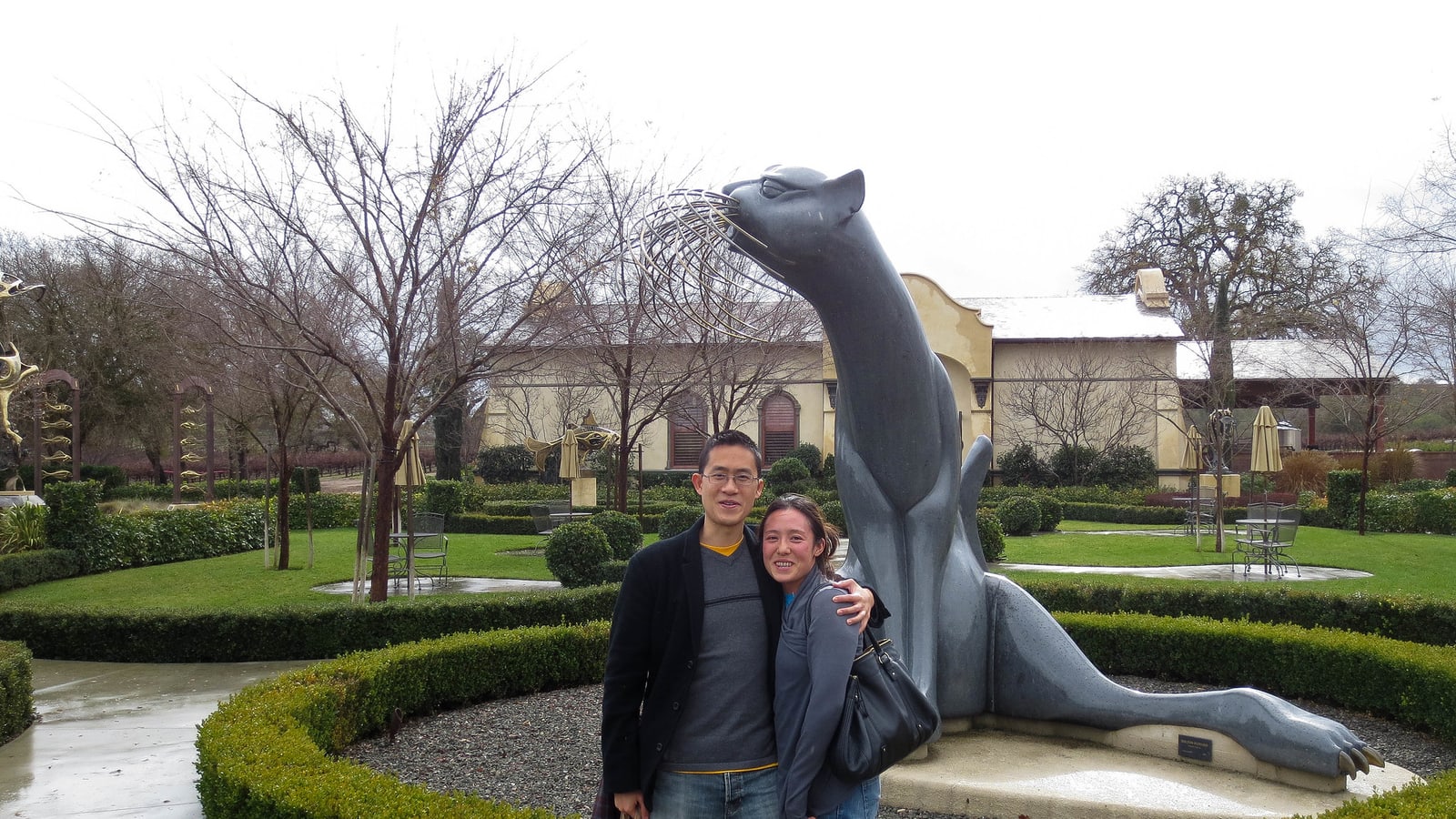
Sculpterra Winery and Sculpture Garden
wine tasting and outdoor artEast-side wine countryUse the operator's current visit page for appointments, events, food, and group policies.tasting and purchases are paid; garden access terms should be confirmedSculpterra ranks fifth because its sculpture garden gives the stop a visual and cultural identity beyond the tasting room, making it more useful for mixed-interest parties than a wine-only appointment. It also fits naturally into an east-side route near other attractions. The rank remains below Tin City because it is a single commercial venue with schedule and policy dependencies, and visitors should not assume that garden access, tastings, events, food, or group accommodations operate identically every day.
Local tipReserve if the operator recommends it, confirm garden and tasting access, and place the stop within one east-side route rather than crossing town repeatedly.
Skip ifSkip if outdoor heat, event restrictions, or winery policies remove the sculpture-garden value for the group.
-
 #6Best for visitors seeking a focused winery appointment · #6 of 10
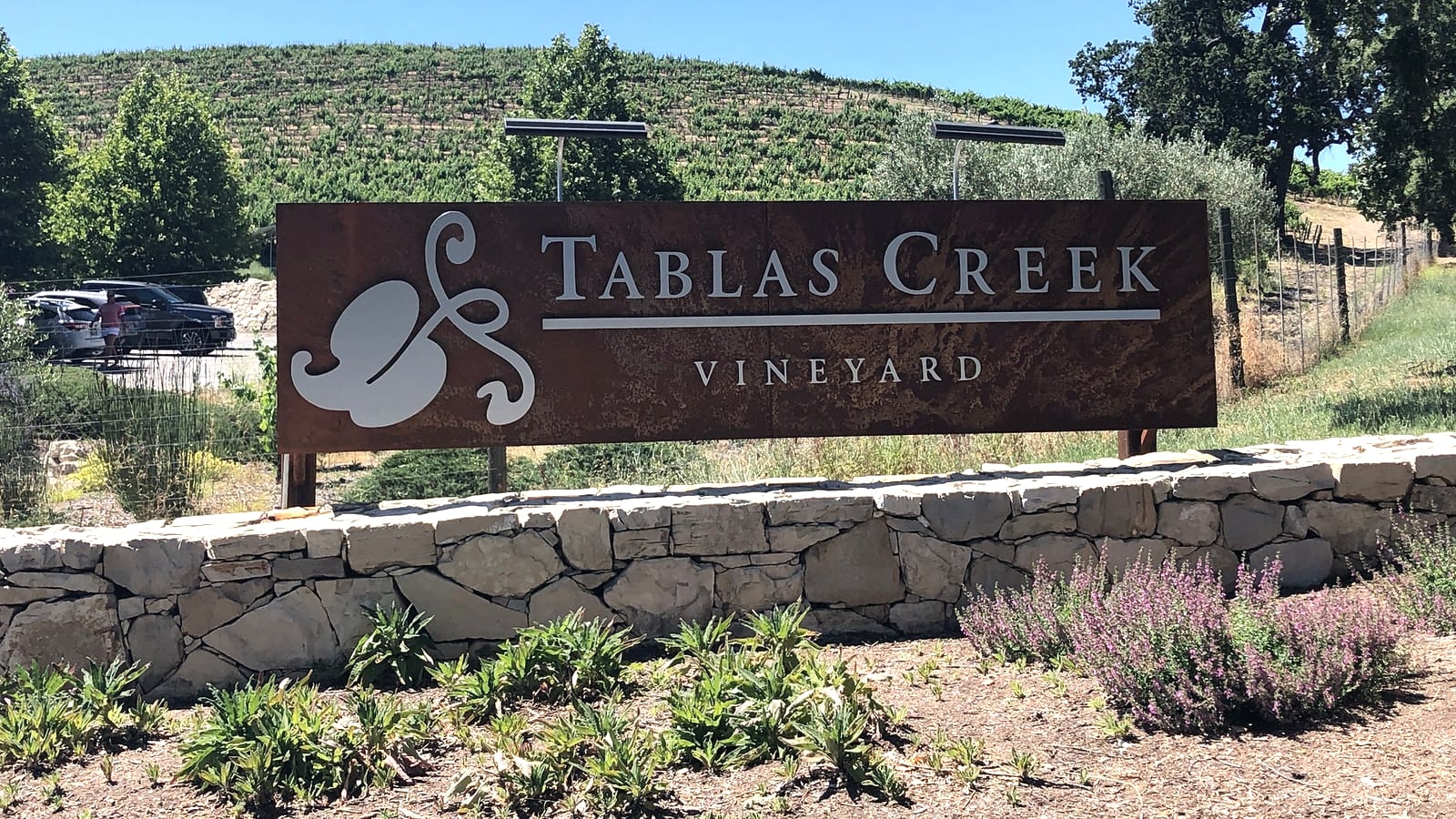
Tablas Creek Vineyard
west-side estate tasting and vineyard educationWest-side wine countryAppointments, experiences, release lists, and visitor policies can change; verify directly.paid tasting or tour with optional purchasesTablas Creek ranks sixth as a strong example of a west-side estate where visitors can build one focused appointment around wines, vineyard context, and the operator's current tasting formats. It works as an anchor rather than one more box on a crowded route. The lower rank reflects distance from downtown and the narrow commercial fit: non-drinkers, children, large groups, or visitors on a tight budget need to confirm that current options justify the rural drive.
Local tipBook the exact tasting or tour desired, read group and age policies, add food and water, and keep the west-side schedule intentionally sparse.
Skip ifSkip if the available tasting format, price, or rural drive does not suit every traveler.
-
 #7Best for craft-beer visitors and a casual meal stop · #7 of 10
Firestone Walker Paso Robles
brewery and taproomSouth city edgeUse the operator's Paso Robles location page for current restaurant, taproom, and tour details.food, drinks, merchandise, and tours are paidFirestone Walker ranks seventh because it represents Paso Robles' major craft-beer identity and can double as a meal stop, adding useful variety to a wine-heavy weekend. Its US 101 location also makes it convenient on arrival, departure, or a Tin City day. It ranks lower because brewery tours, taproom seating, menus, reservations, and age policies can change, and a beer-focused stop still requires the same sober-transport discipline as a winery.
Local tipConfirm the current taproom, tour, and food schedule, reserve when advised, and designate the driver before ordering any tasting flight.
Skip ifSkip if no one wants beer, the tour is unavailable, or safe onward transport is unresolved.
-
 #8Best for architecture, history, and a non-wine nearby branch · #8 of 10
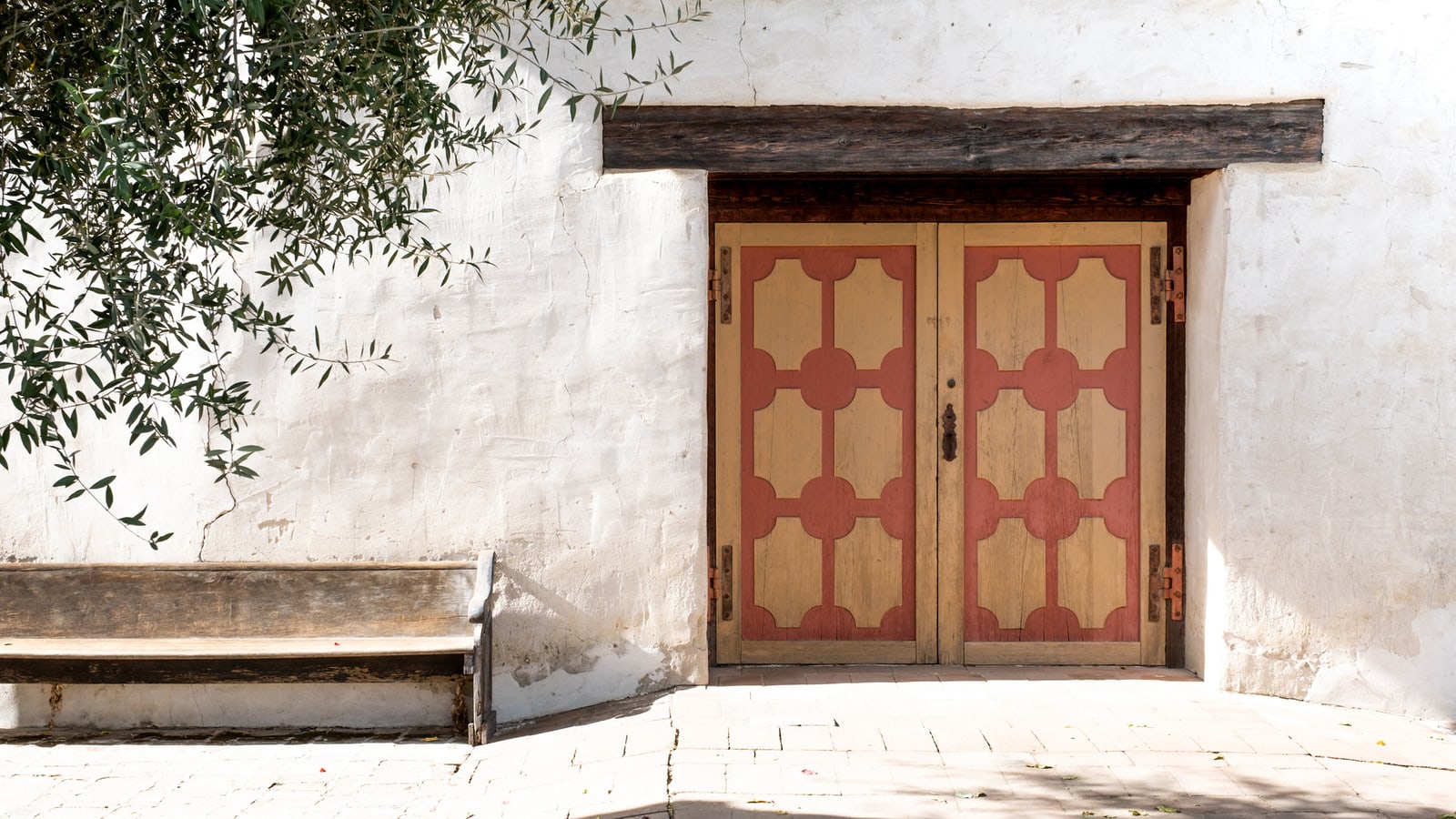
Mission San Miguel Arcangel
historic mission and museumSan Miguel branchChurch, museum, shop, and worship schedules may differ; verify with the mission.confirm current museum donation or admission directlyMission San Miguel ranks eighth because it adds architecture, living religious use, local history, and a museum-style visit to an itinerary that can otherwise become repetitive. It also lies close enough north of Paso Robles for a deliberate half-day branch. The mission is not inside the city, so the guide must label the drive clearly, respect worship and photography rules, and confirm public visiting hours rather than treating an active religious site as an always-open attraction.
Local tipCheck current public hours and services, dress and behave respectfully, verify photography rules, and combine the drive only with compatible northbound plans.
Skip ifSkip if public access is restricted or the northbound detour disrupts a tightly clustered city day.
-
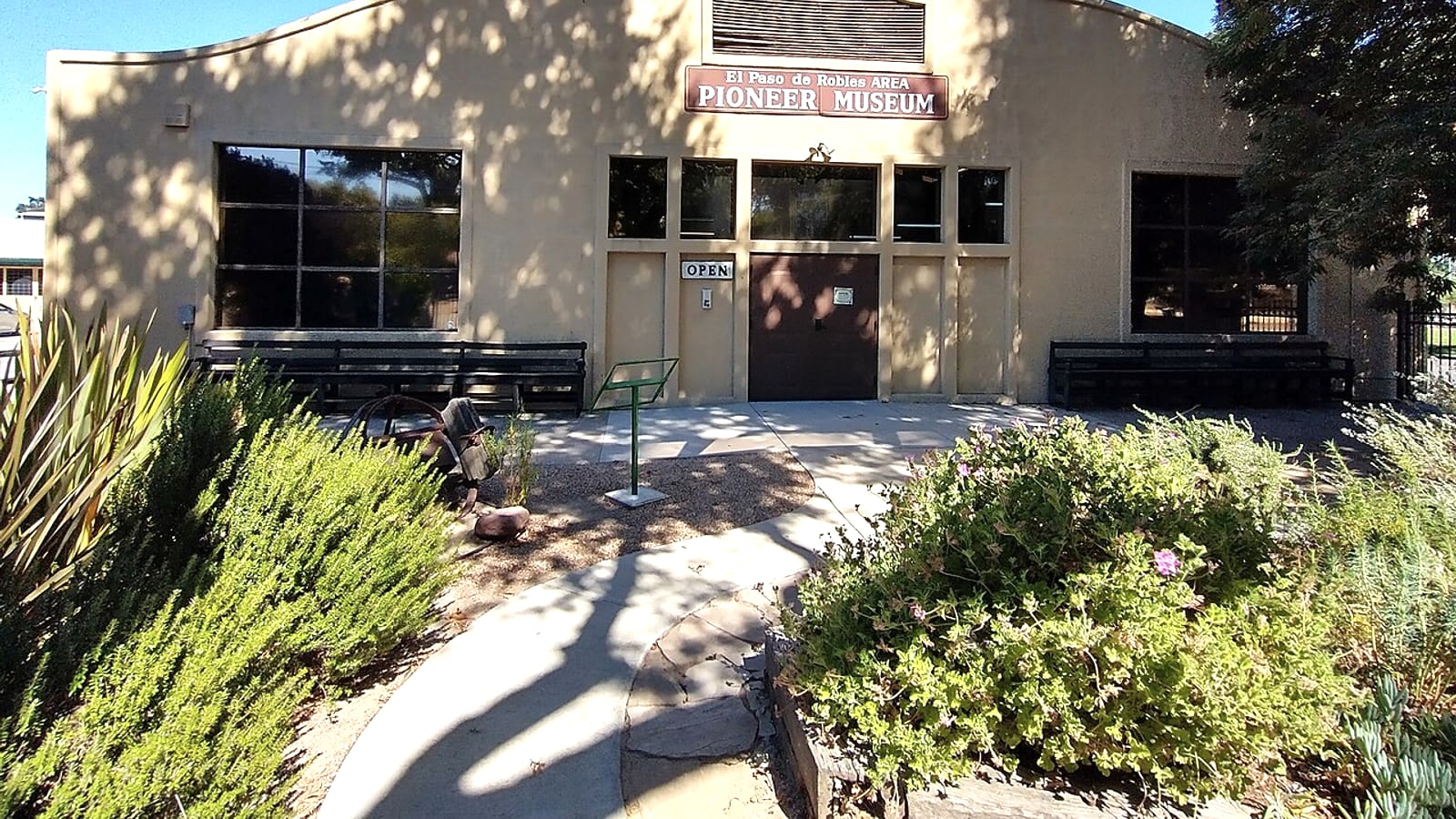 #9Best for families, rainy days, and regional context · #9 of 10
Paso Robles Pioneer Museum
local history museumNorth downtown edgeConfirm current days and holiday closures directly with the museum.free admission is currently promoted; donations may be welcomedThe Pioneer Museum ranks ninth because it offers a focused, low-cost account of local ranching, agriculture, transportation, and everyday life, giving context to the modern wine-country landscape. Its collection and reconstructed spaces can work for families or a weather backup, and the DMO currently identifies free admission. It ranks below the larger Warbirds complex because hours are more limited and the subject is locally specific, making a current schedule check essential before walking or driving north of downtown.
Local tipCheck the museum's limited opening schedule, allow time for the outdoor and reconstructed displays, and pair it with the downtown historic center.
Skip ifSkip when closed or when a short visit cannot justify leaving the central downtown walking cluster.
-
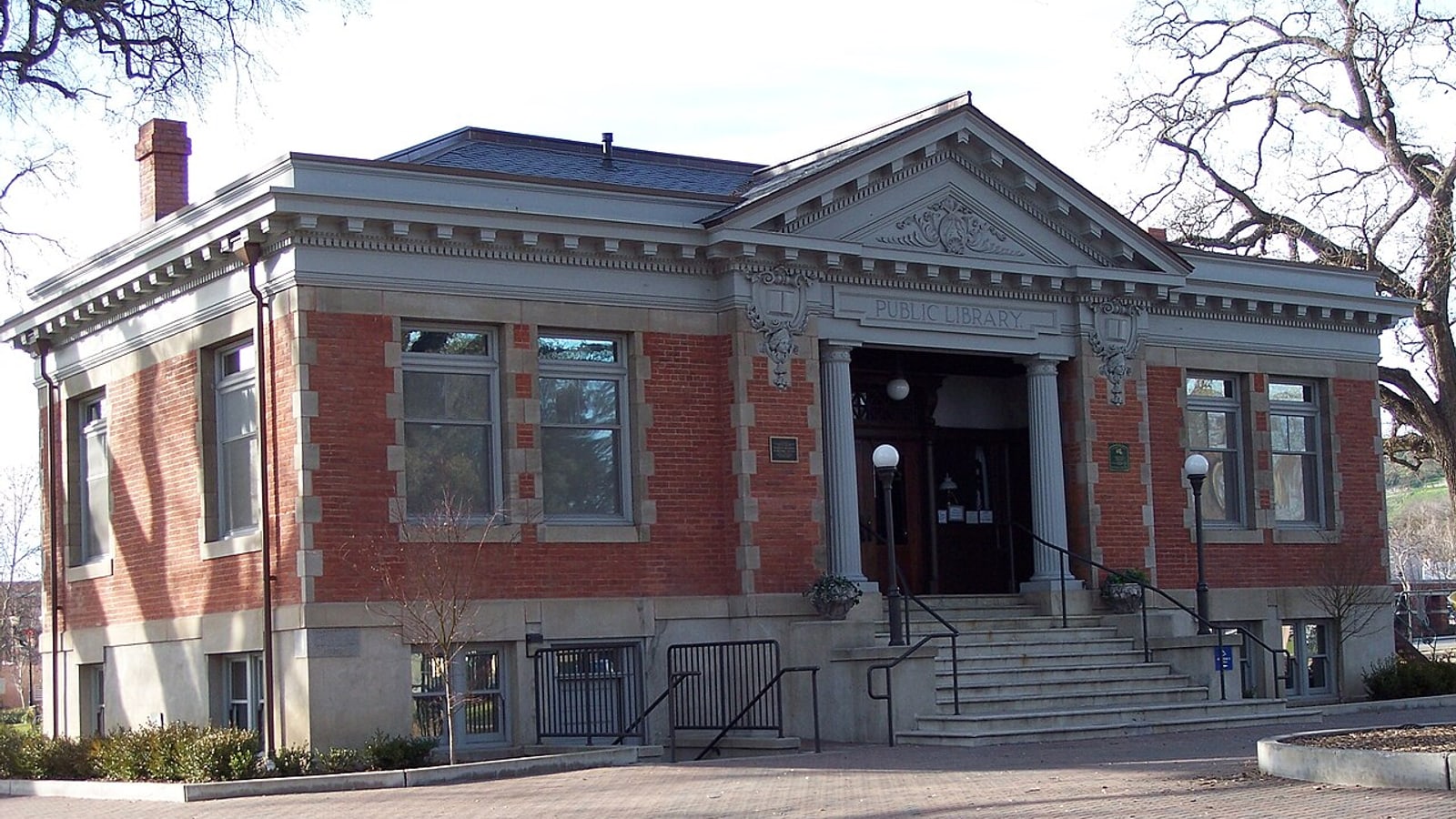 #10Best for a short free cultural stop in the city core · #10 of 10
Paso Robles History Museum in the Carnegie Library
downtown local-history stopDowntown and City ParkHistorical society exhibits and archive access follow their own schedule.free or donation supported; confirm special-program feesThe Carnegie Library history museum ranks tenth because it adds a compact, free cultural layer directly beside City Park, making it easy to use without changing the day's route. The historic building and local exhibits explain how hot springs, ranching, transportation, and wine shaped Paso Robles. It sits last because opening hours can be limited and the collection is smaller than the dedicated museums, but it remains one of the page's most efficient add-ons when the doors are open.
Local tipVerify the historical society's current public hours, visit while already downtown, and combine the museum with the park and historic-building walk.
Skip ifSkip when closed, but still view the historic exterior respectfully from the public park area.
Where things cluster
A quick orientation so you can group stops instead of crossing Paso Robles twice.
- Downtown and City ParkUse the walkable center for the park, Carnegie history museum, tasting rooms, restaurants, and art, with free public parking under current city policy.
- East-side wine countryGroup Sensorio-adjacent roads, Estrella, Sculpterra, and selected wineries east of US 101, while protecting drive time and using a sober driver.
- West-side wine countryBuild a reservation-aware route around a small number of wineries west of town, because rural roads and tasting durations make aggressive schedules unrealistic.
- Tin City and Templeton edgeTreat the compact beverage district south of downtown as one walkable cluster after arrival, but arrange the trip back before tasting begins.
- San Miguel branchReserve the short drive north for mission history, then return to Paso Robles rather than allowing this nearby stop to expand into a regional road trip.
Make it a day
Pair downtown with one outer cluster
Balanced first day: Start with Downtown City Park and the Carnegie museum, choose either Estrella or Pioneer Museum, then book one winery or Tin City cluster and return downtown for dinner. Wine first: Select one side of US 101, reserve no more than a few compatible stops, schedule food and water, and use a sober transport plan. Do not add Mission San Miguel the same day unless it lies naturally on the route. No wine: Combine the two museums, downtown history, City Park, Studios-area art, and Mission San Miguel, with a meal break and optional brewery visit for non-drinkers in the group.
Separate city and wine country
Day one: Keep the first day city-centered with downtown, a history museum, Tin City or Firestone Walker, and an evening meal. Day two: Choose one wine-country side for Tablas Creek, Sculpterra, or a broader scenic loop, adding Mission San Miguel only if the northbound route is efficient. Planning logic: Separate east and west wine-country roads, limit appointment density, and protect one flexible block for heat, rain, sold-out tastings, or a longer meal.
Give non-wine stops equal weight
Prioritize City Park, Estrella Warbirds Museum, Pioneer Museum, and Mission San Miguel. Confirm winery and brewery age policies, and never frame alcohol-centered stops as children's attractions.
Before you go
The practical choices that most often change the order, cost, or comfort of a Paso Robles day.
Arrival and driving
US 101 is the main road through Paso Robles. Downtown is compact, but wineries, the airport museum, and rural branches are spread out, so route by cluster rather than apparent map distance.
Tasting transport
Designate a sober driver, hire a licensed tour or car service, or stay within a walkable tasting cluster. Local fixed-route buses do not replace rural winery transportation.
Parking
The City of Paso Robles states that its paid downtown parking program has ended. Follow posted limits and reserve private venue parking only where the operator requires it.
Transit
Paso Express Routes A and B serve the city Monday through Saturday, with no Sunday service shown by the transit agency. Verify current routes and fares before relying on them.
Reservations and budget
Tasting fees, food requirements, tours, and reservations vary by venue. Mix free downtown and museum time with one or two paid anchors instead of stacking costly appointments.
Crossing US 101 for every tasting
Choose one wine-country side or one compact tasting cluster. Repeated east-west crossings consume the buffer needed for reservations, meals, and a safe return.
Assuming every tasting room takes walk-ins
Check reservations, age policies, food rules, tasting windows, and cancellation terms with each venue. A tasting room is not automatically suitable for every family member.
Depending on rural rideshare after drinking
Set the sober transport plan before the first tasting. Use a designated driver or a booked licensed service rather than assuming a late rural pickup will appear.
Ignoring heat, water, and meal breaks
Protect water, shade, food, and schedule slack, especially in summer. Dense appointment chains reduce comfort and can turn one delay into missed reservations across the day.
Calling Mission San Miguel downtown
Label the mission as a northbound branch outside central Paso Robles and add it only when the route, operating hours, and group interest justify the drive.
Making the entire guide about wine
Preserve downtown history, museums, public art, food, parks, and the mission so non-drinkers, families, and mixed groups can build a complete day.
Map
Best time to visit
F
M
A
M
J
J
A
S
O
N
D
Spring and fall usually offer the best balance of outdoor comfort, vineyard scenery, and event energy. Summer brings heat, so place walks early and protect shade breaks. Winter can be quieter and cooler, but rain, shorter daylight, and reduced schedules make museums and flexible reservations more valuable. Confirm winery, museum, and evening-program details on their official pages before fixing the day.
Staying over? Compare hotels in Paso Robles at Expedia.
Deep Arrival earns a commission when you buy through partner links. It does not change the price you pay.
Paso Robles things to do FAQ
Direct answers to the planning questions visible across the current search landscape.
Is Paso Robles worth visiting if you do not drink wine?
Yes. Downtown City Park, local-history museums, Estrella Warbirds Museum, public art, Mission San Miguel, restaurants, and rural scenery can fill a balanced visit without wine. The key is choosing museum operating days first, because several cultural sites keep shorter schedules than wineries and restaurants. A designated driver can also enjoy vineyard architecture and food without joining a tasting.
How many days do you need in Paso Robles?
Two days suit most first visits: one for downtown, museums, and Tin City or a brewery, then one for a carefully limited wine-country route. Add a third day for Mission San Miguel, a slower rural schedule, an evening event, or flexibility around heat, rain, and sold-out appointments.
Can you get around Paso Robles without a car?
Downtown can be explored on foot, and city buses serve local corridors on their published operating days. A car, hired driver, or licensed tour is still the practical choice for rural wineries, the airport museum, and Mission San Miguel. Arrange tasting transportation before drinking rather than relying on late rideshare availability.
Do Paso Robles wineries require reservations?
Policies vary. Some tasting rooms accept walk-ins, while estate tastings, tours, groups, or busy weekends may require reservations. Check each winery's official visit page, book the exact experience desired, and read cancellation, food, child, pet, and group rules before building the route. Add realistic drive time so one delayed appointment does not disrupt the day.
What is the best time of year to visit Paso Robles?
Spring and fall often provide the most comfortable outdoor conditions and attractive vineyard scenery, but events and harvest activity can raise demand. Summer needs heat-aware timing, shade, and water. Winter can be quieter, though rain, shorter daylight, and reduced museum or venue schedules call for a flexible plan.
Is Tin City walkable from Downtown Paso Robles?
Tin City is a compact, walkable district once you arrive, but the destination organization places it several miles south of downtown. Plan a car, hired driver, or confirmed ride between the two clusters. Do not describe the district as a casual extension of the downtown walking route.
Keep planning
Use these nearby guides to extend your Paso Robles trip with a different pace and a clear next stop.
Image credits. Hero: Wordydave / Wikimedia Commons / Public domain. 1 Downtown City Park and historic center: Ken Figlioli / Flickr / CC BY-SA 2.0. 2 Paso Robles wine-country route: goingslo / Flickr / CC BY 2.0. 3 Estrella Warbirds Museum and Woodland Auto Display: wbaiv / Flickr / CC BY-SA 2.0. 4 Tin City beverage district: Sarah Stierch / Flickr / CC0 1.0. 5 Sculpterra Winery and Sculpture Garden: maveric2003 / Flickr / CC BY 2.0. 6 Tablas Creek Vineyard: Sarah Stierch / Flickr / CC0 1.0. 7 Firestone Walker Paso Robles: Sarah Stierch / Flickr / CC0 1.0. 8 Mission San Miguel Arcangel: Sharon Mollerus / Flickr / CC BY 2.0. 9 Paso Robles Pioneer Museum: Stilfehler / Wikimedia Commons / CC BY-SA 4.0. 10 Paso Robles History Museum in the Carnegie Library: Jack B. Erhart / Wikimedia Commons / Public domain.