
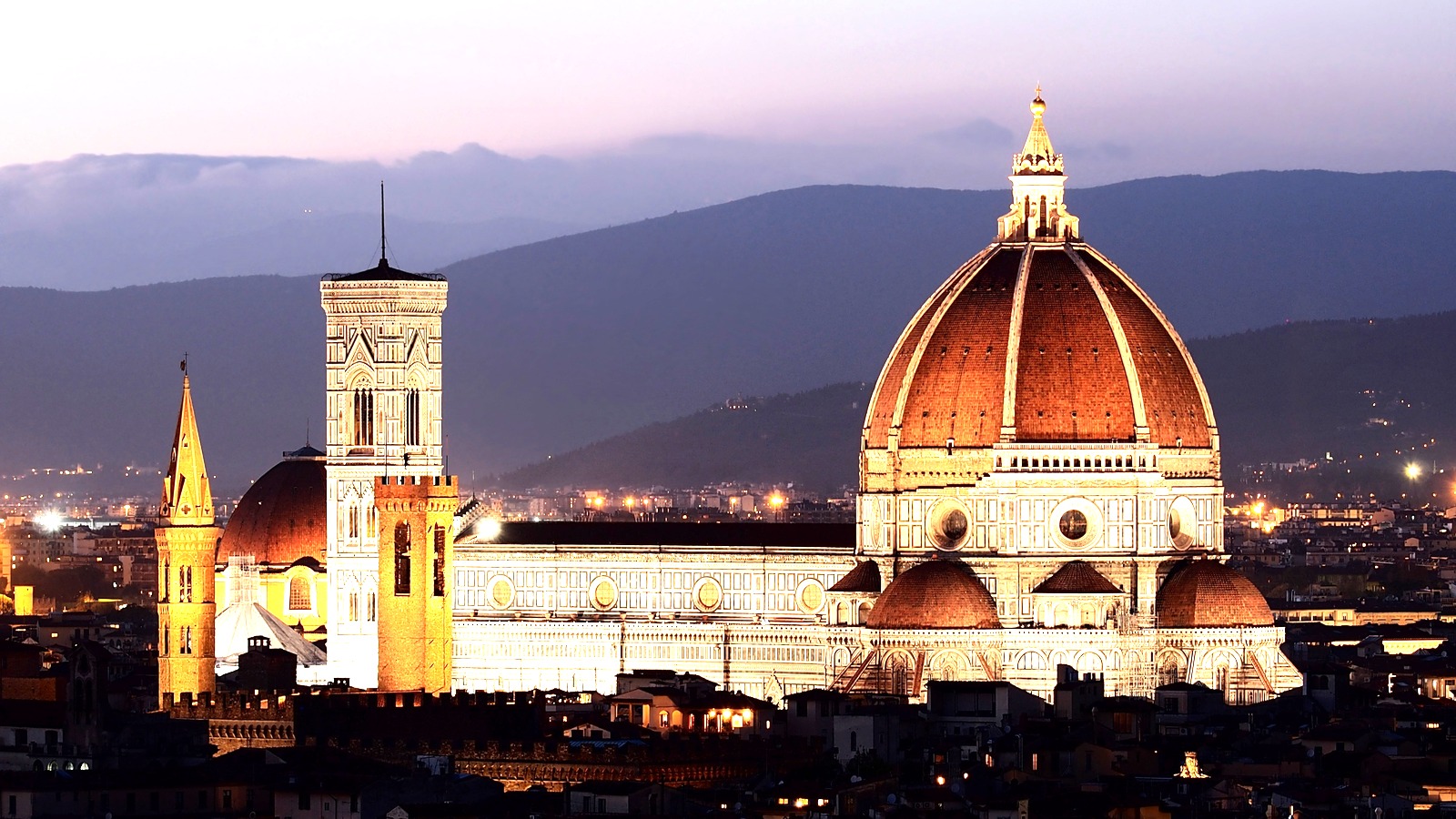
Florence concentrates an extraordinary amount of art into a walkable center, but the best trip still depends on sequencing. Reserve the Duomo climbs and headline museums first, group the Oltrarno palace-and-garden day separately, and leave room for churches, markets and viewpoints that do not require another major queue.
The top 15, ranked
Ranked from current museum, church and destination information, with live ticket, worship and conservation decisions deferred to each official page.
- Top pick
 #1Best for the essential Florence landmark and a planned climb · #1 of 15
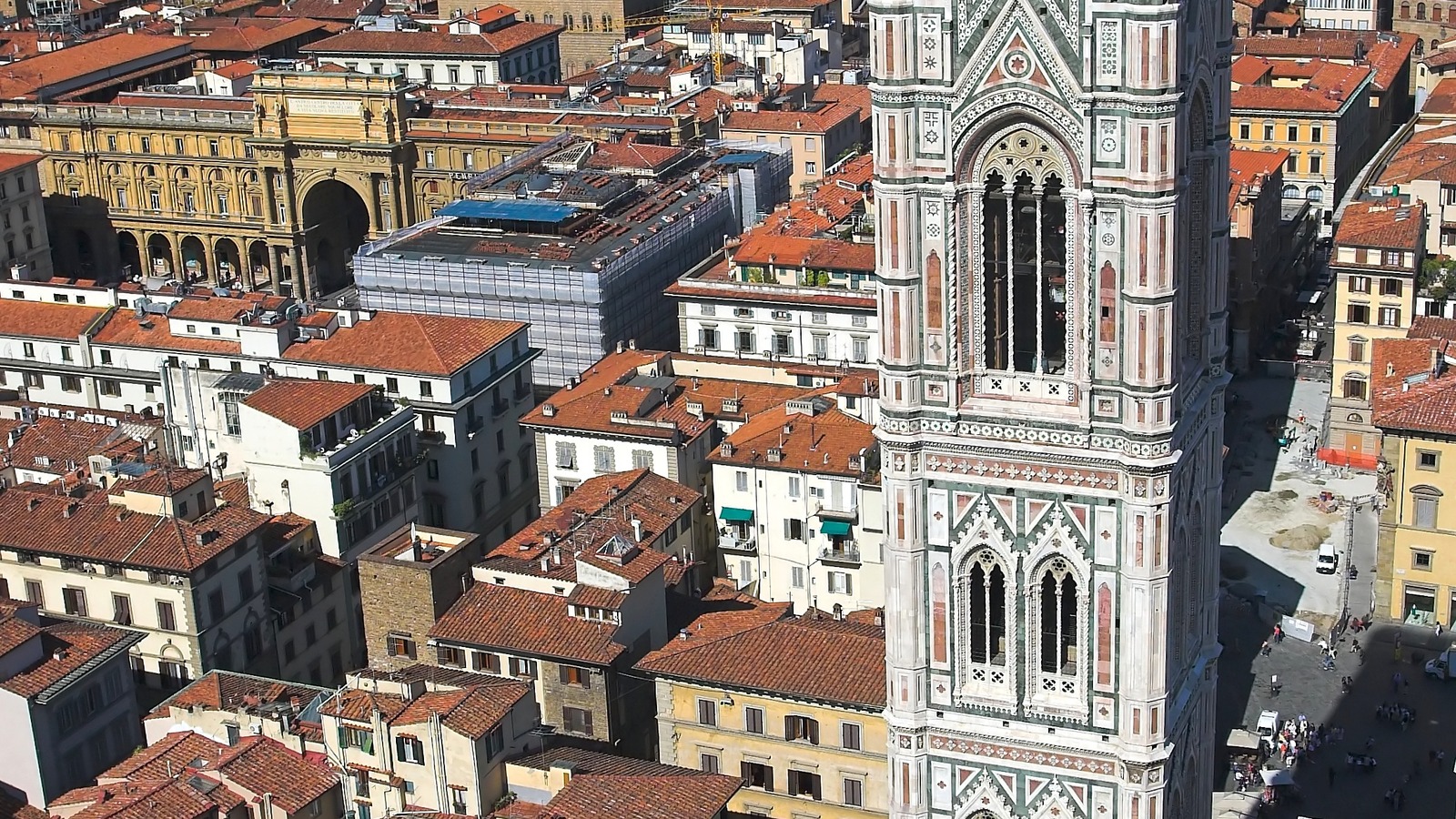
Florence Cathedral complex
Cathedral and monumentsDuomoWorship, monument, museum and climb access follow separate schedules.$30 to $50Brunelleschi’s dome, Giotto’s bell tower, the baptistery and cathedral form Florence’s defining architectural complex. Separate timed entrances and climbs make advance sequencing essential.
Local tipReserve any dome climb first, then place the museum, baptistery and cathedral around that fixed time.
- Top pick
 #2Best for Renaissance art and a major museum day · #2 of 15
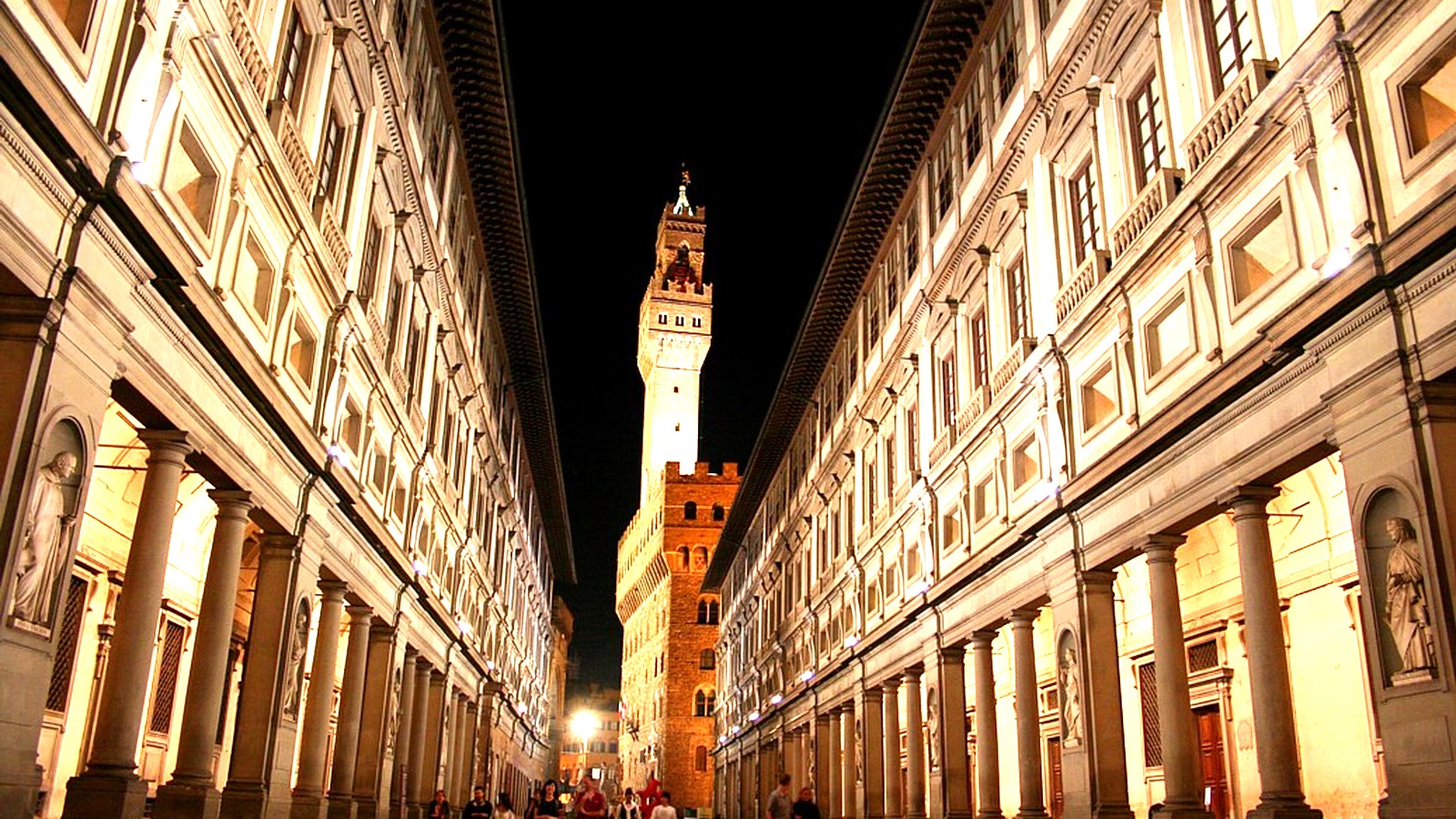
Uffizi Galleries
Art museumHistoric centerTimed admission, gallery closures and exhibitions vary.$15 to $30Renaissance masterpieces and the Vasari-designed riverfront building make the Uffizi the city’s most important art reservation. Gallery density rewards a selective route.
Local tipBook a timed entry and choose priority rooms before arrival; trying to study every gallery weakens the visit.
- Top pick
 #3Best for Michelangelo and a focused museum visit · #3 of 15
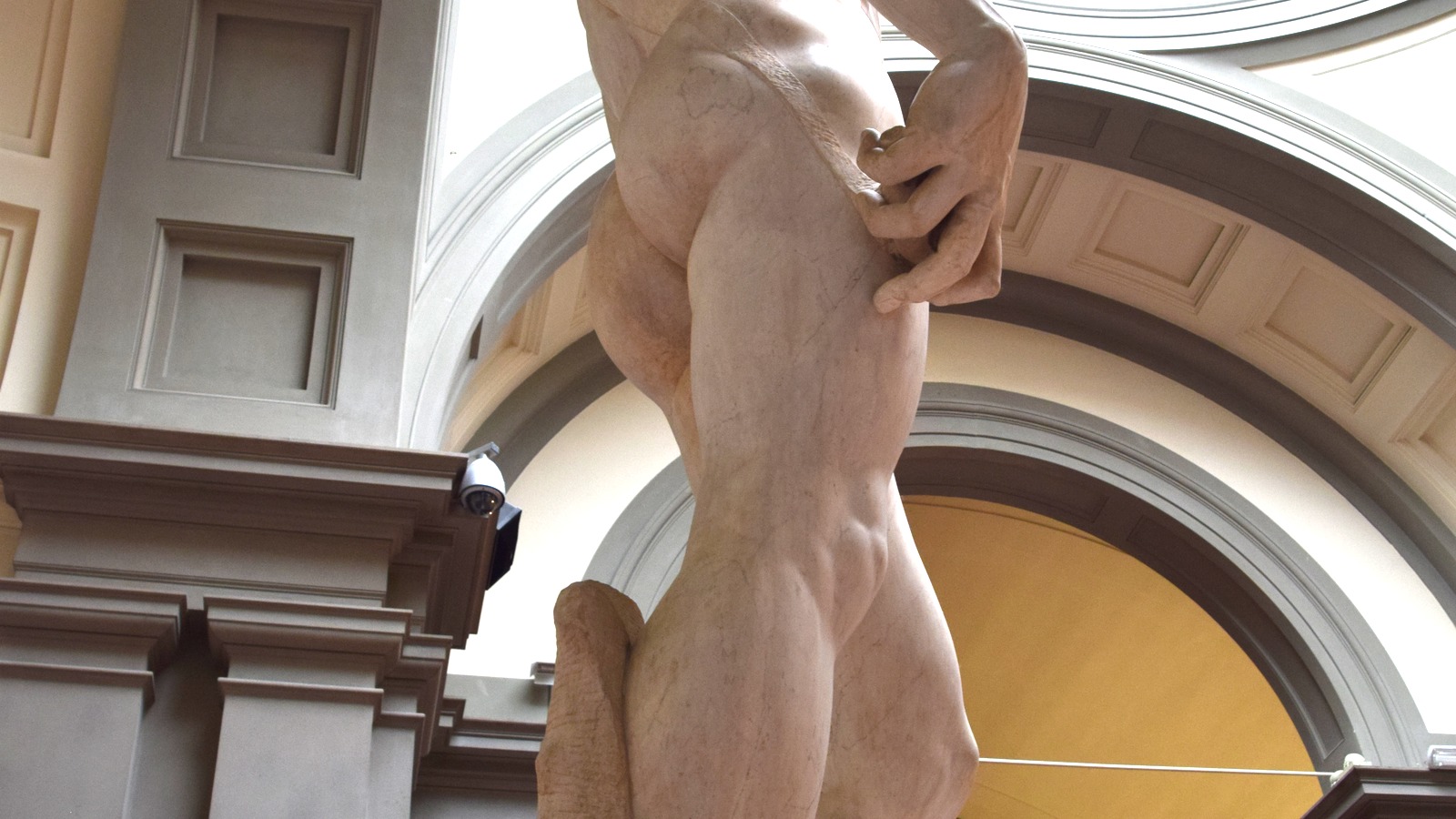
Galleria dell Accademia
Art museumSan MarcoTimed admission and gallery access follow the current calendar.$15 to $30Michelangelo’s David is the anchor, but unfinished Prisoners, musical instruments and Florentine painting give the compact museum more depth than a single photo stop.
Local tipReserve a timed entry and continue past David into the quieter galleries before leaving.
-
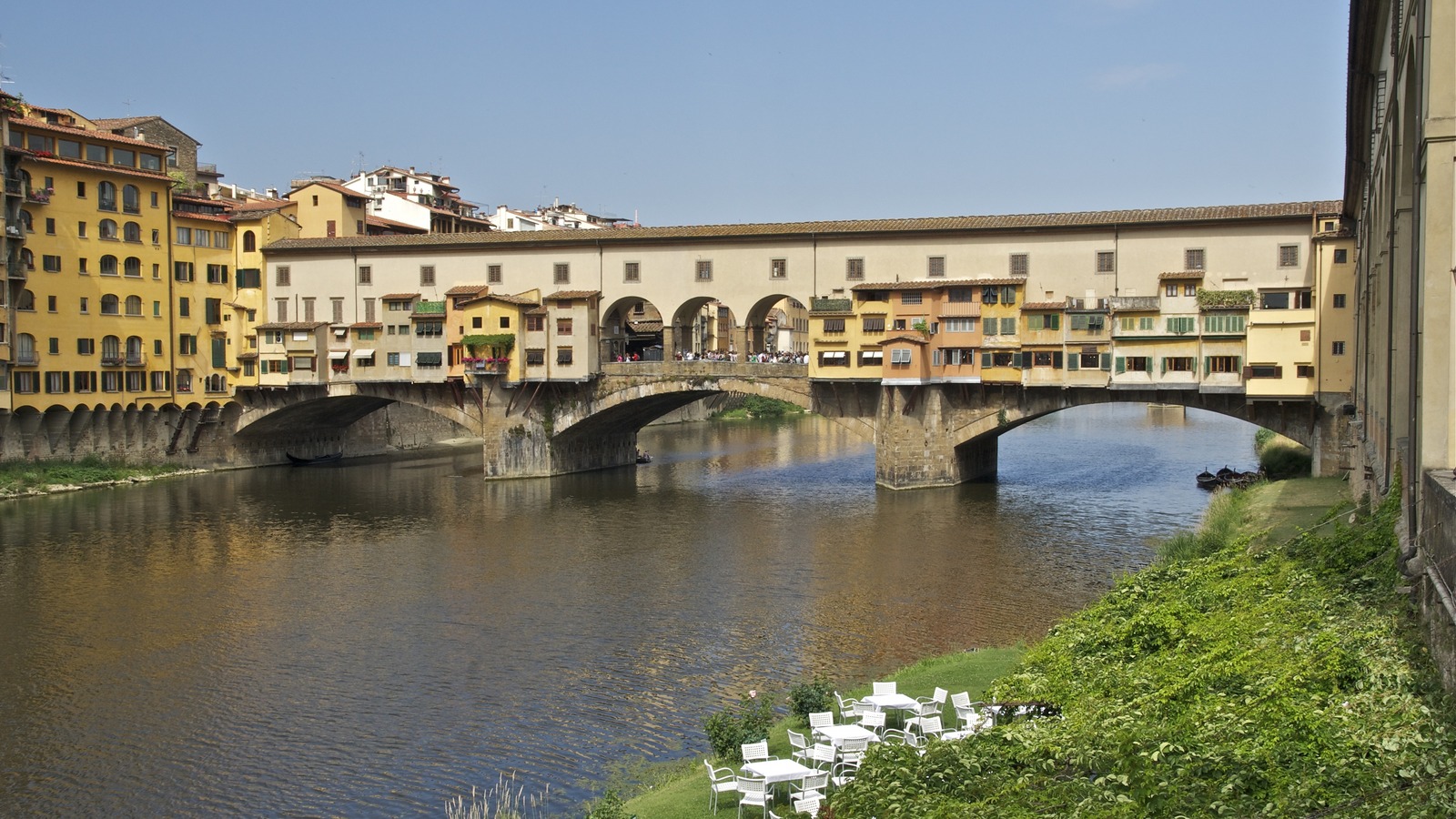 #4Best for a classic river crossing and city icon · #4 of 15
Ponte Vecchio
Historic bridgeArnoThe public crossing is continuous; shops and corridor access set separate hours.FreeThe shop-lined medieval bridge remains Florence’s most recognizable river crossing and a useful link between the historic center and Oltrarno. Crowds make timing decisive.
Local tipCross early, then photograph the bridge from Ponte Santa Trinita rather than stopping in the tightest pedestrian flow.
-
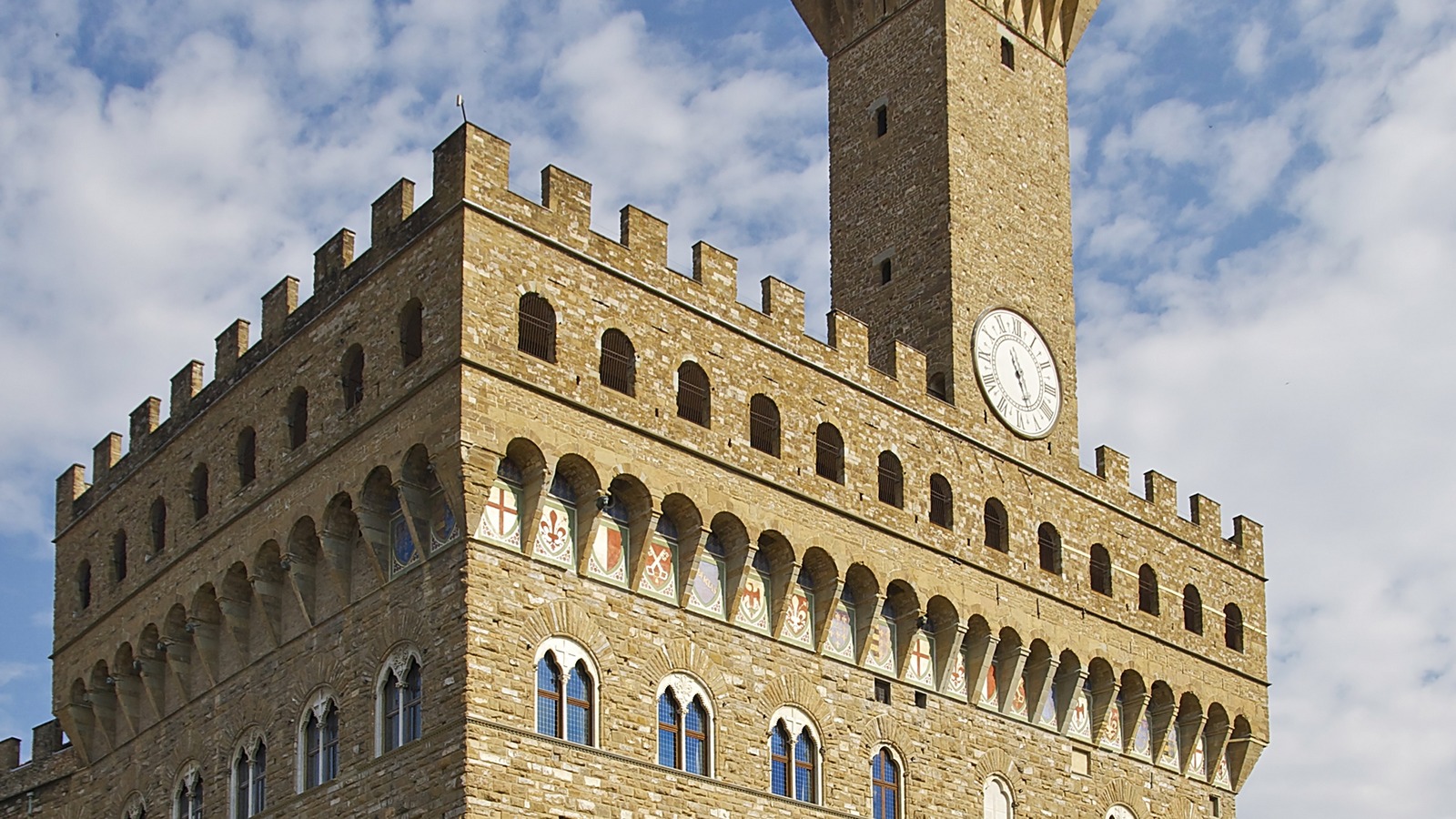 #5Best for civic history and monumental interiors · #5 of 15
Palazzo Vecchio
Civic palace museumPiazza della SignoriaMuseum, tower and archaeological access follow separate conditions.$15 to $30Monumental rooms, Medici history and the tower turn Florence’s active town hall into a layered museum. Tower access adds a distinct view but depends on conditions.
Local tipChoose palace rooms, tower or a guided route before arrival and avoid stacking this immediately after the Uffizi.
-
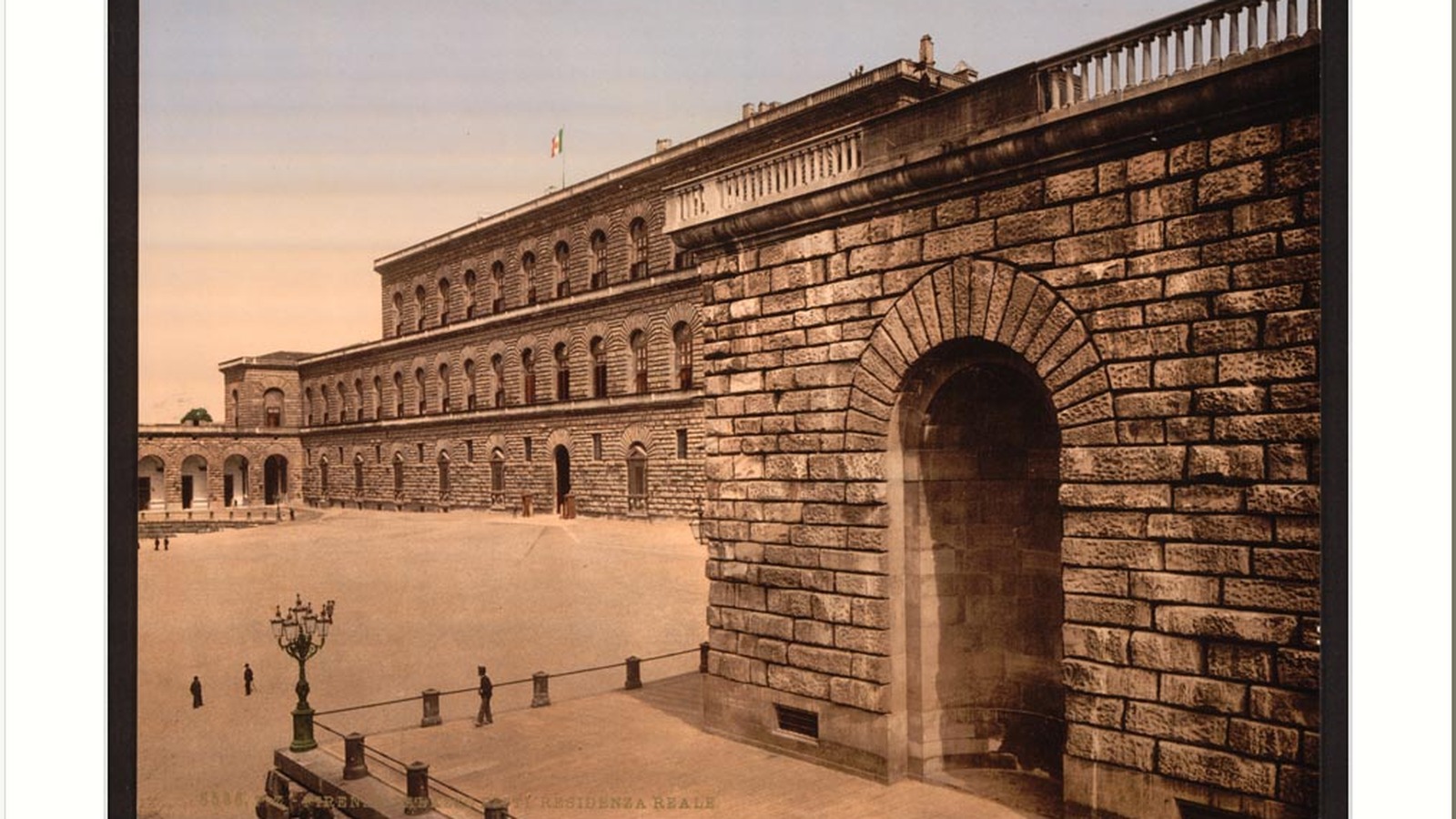 #6Best for palace interiors and deep collections · #6 of 15
Pitti Palace
Palace museumsOltrarnoCollections, rooms and admissions vary.$15 to $30A vast Medici palace holds multiple museum collections across royal apartments and galleries. It works best when travelers choose one or two collections instead of treating the whole complex as mandatory.
Local tipPair the palace with Boboli only if energy and daylight allow, and verify the exact ticket combination.
-
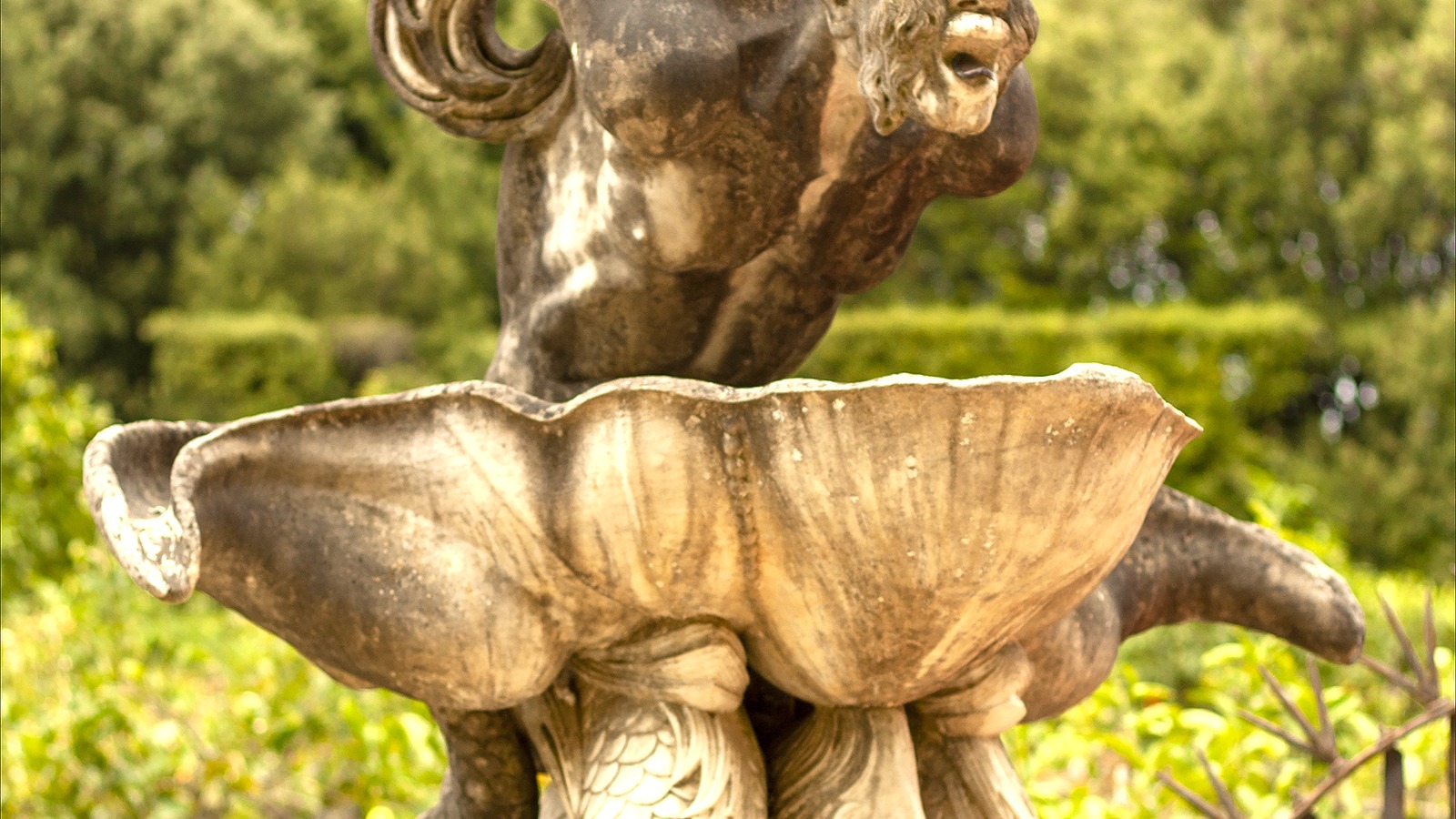 #7Best for formal gardens and elevated city views · #7 of 15
Boboli Gardens
Historic gardenOltrarnoEntrances, fountains and sections can close for weather or maintenance.$15 to $30Terraces, sculpture, fountains and long axial paths make the Medici garden a full outdoor experience behind Pitti Palace. Heat and elevation matter more than the map suggests.
Local tipCarry water, enter with a planned loop and save the steepest terraces for cooler hours.
-
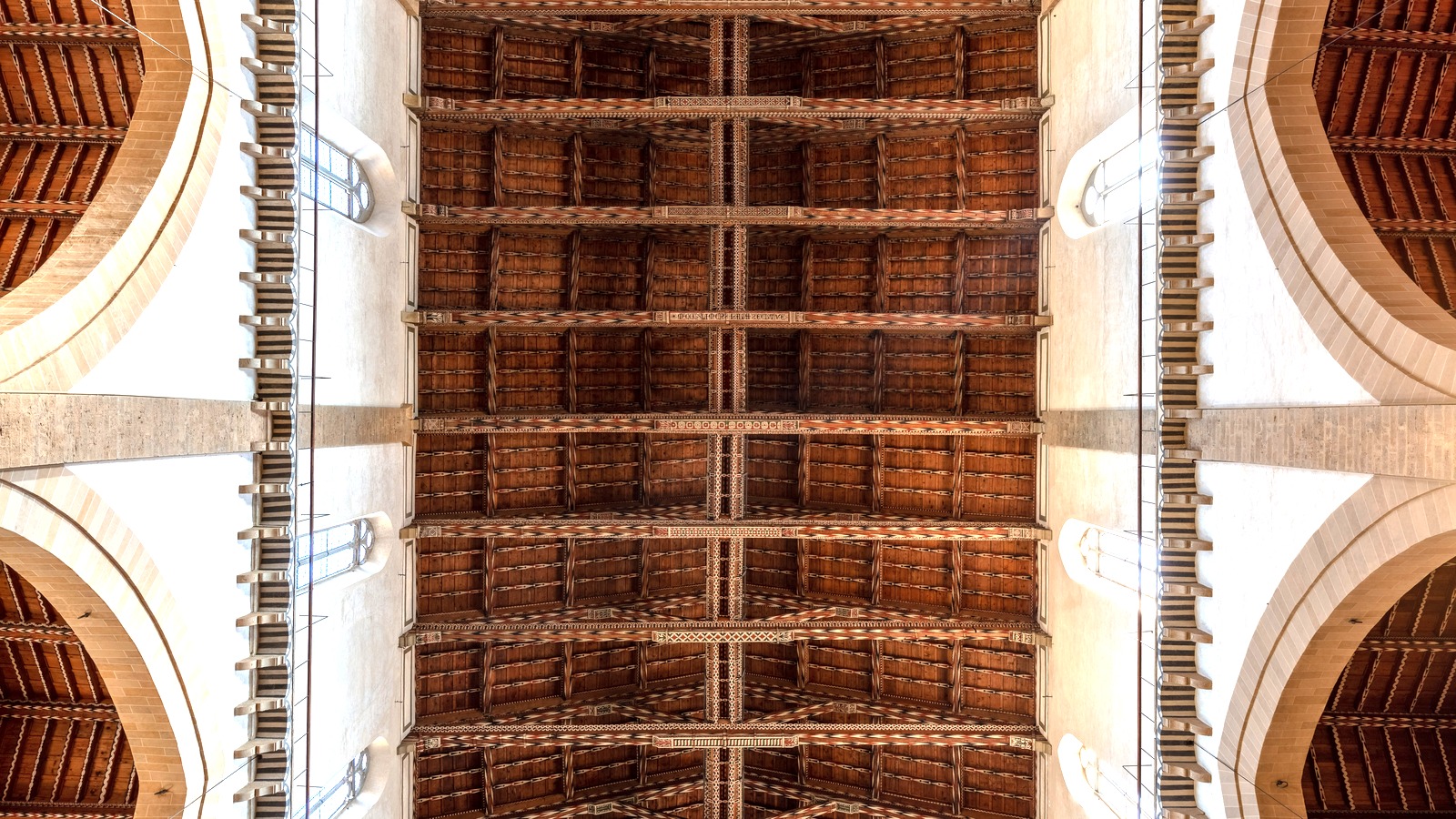 #8Best for frescoes, memorials and Renaissance architecture · #8 of 15
Basilica of Santa Croce
Basilica and museumSanta CroceVisitor access, worship and restoration zones vary.$15 to $30Giotto chapels, major tombs, cloisters and the Pazzi Chapel make Santa Croce a major art-and-history complex rather than only a church facade.
Local tipCheck worship restrictions and give the cloisters time after the main nave.
-
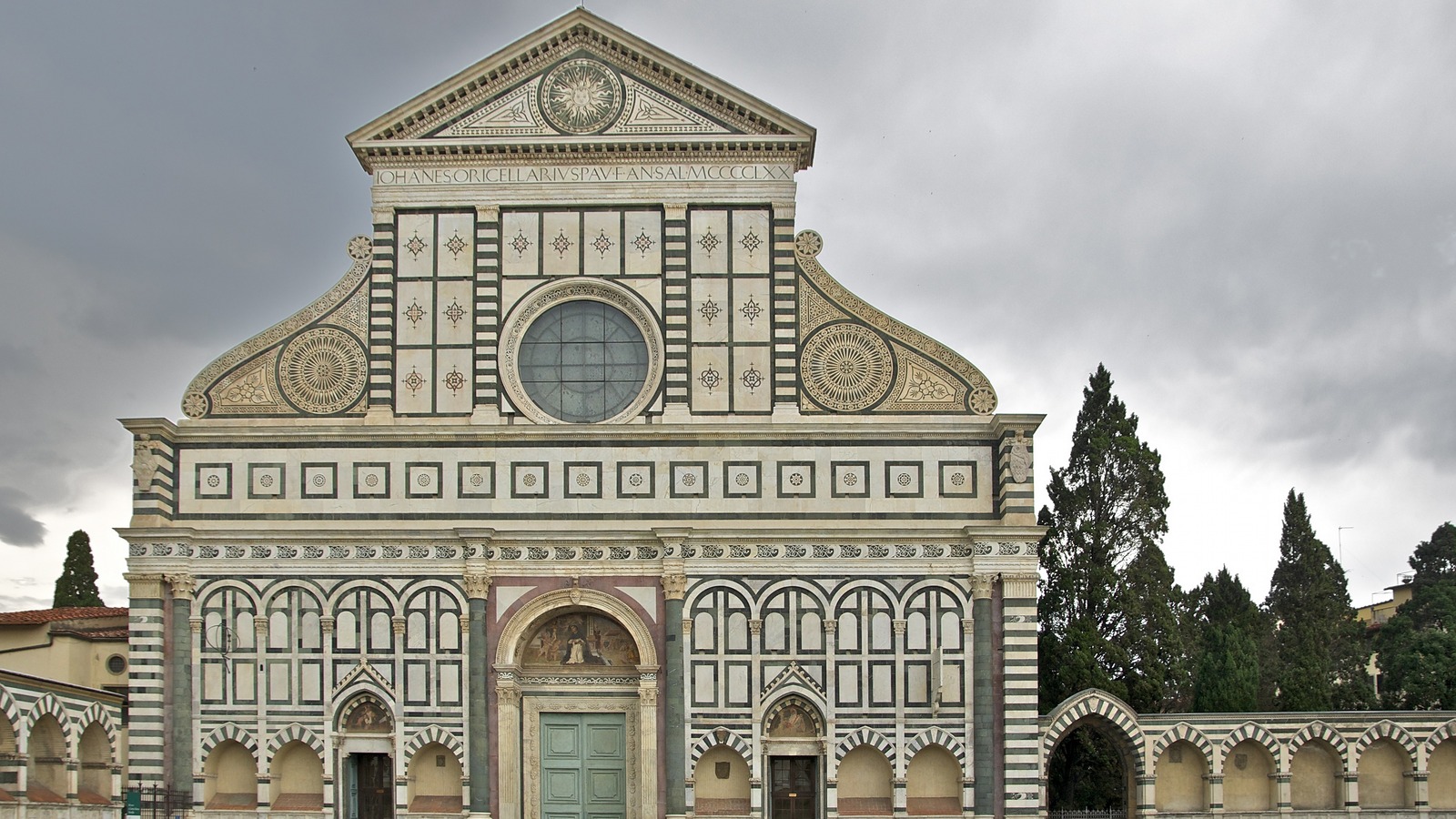 #9Best for major frescoes in an efficient central location · #9 of 15
Santa Maria Novella
Basilica and cloistersSanta Maria NovellaChurch, museum and worship access follow separate schedules.$15 to $30The patterned facade leads into an art-rich Dominican complex with Masaccio, Ghirlandaio and large cloisters. Its station-adjacent location makes it an efficient first or last museum block.
Local tipDo not judge the visit by the facade alone; reserve time for the nave and cloister route.
-
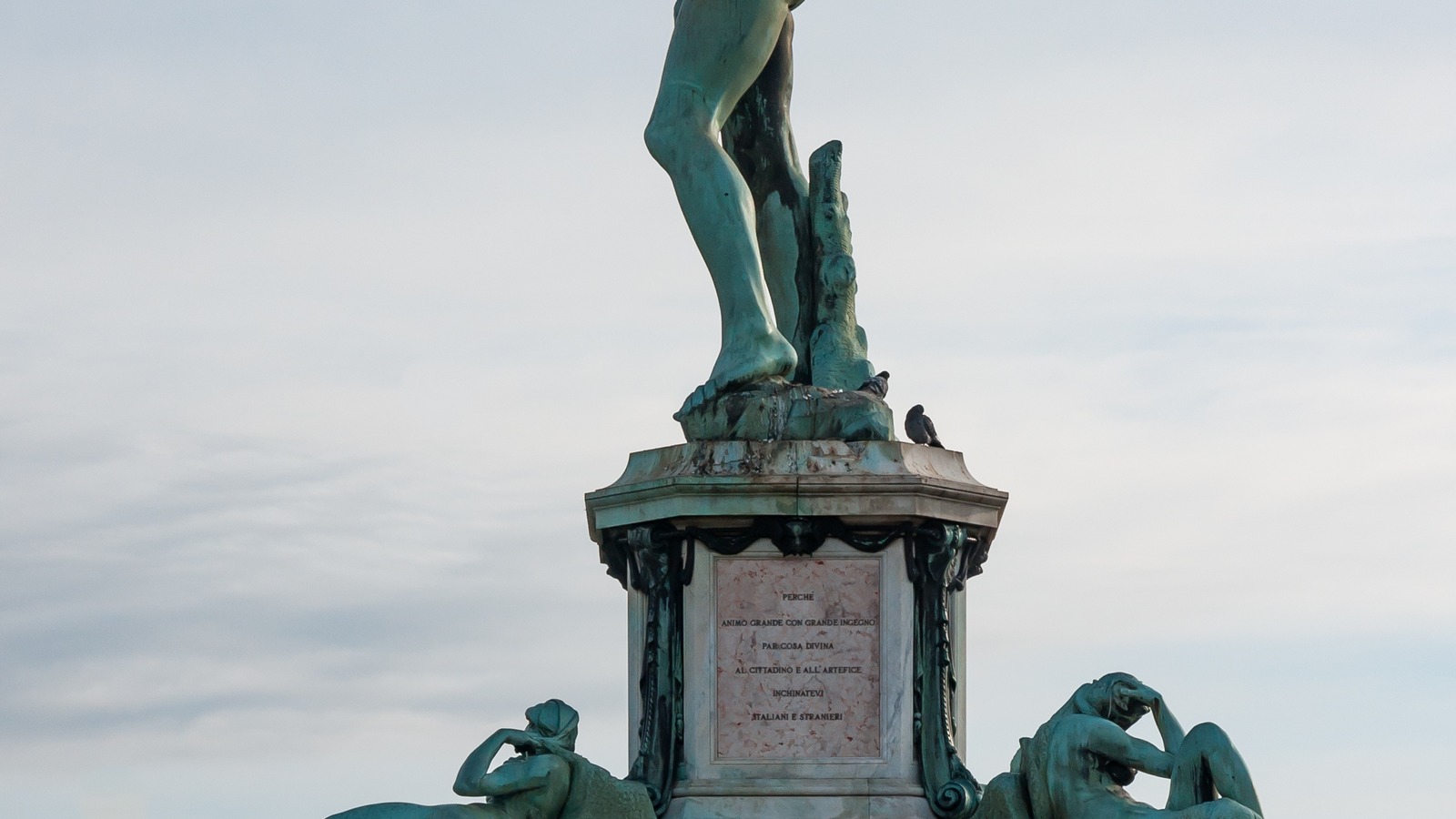 #10Best for the defining Florence panorama · #10 of 15
Piazzale Michelangelo
Panoramic viewpointSan Niccolo hillsThe open terrace is broadly accessible; traffic and events can alter access.FreeThe broad terrace delivers the classic panorama across the Arno to the Duomo and Palazzo Vecchio. It is free, but sunset crowds can overwhelm the experience.
Local tipWalk up earlier or continue to San Miniato for a quieter second viewpoint before peak sunset congestion.
-
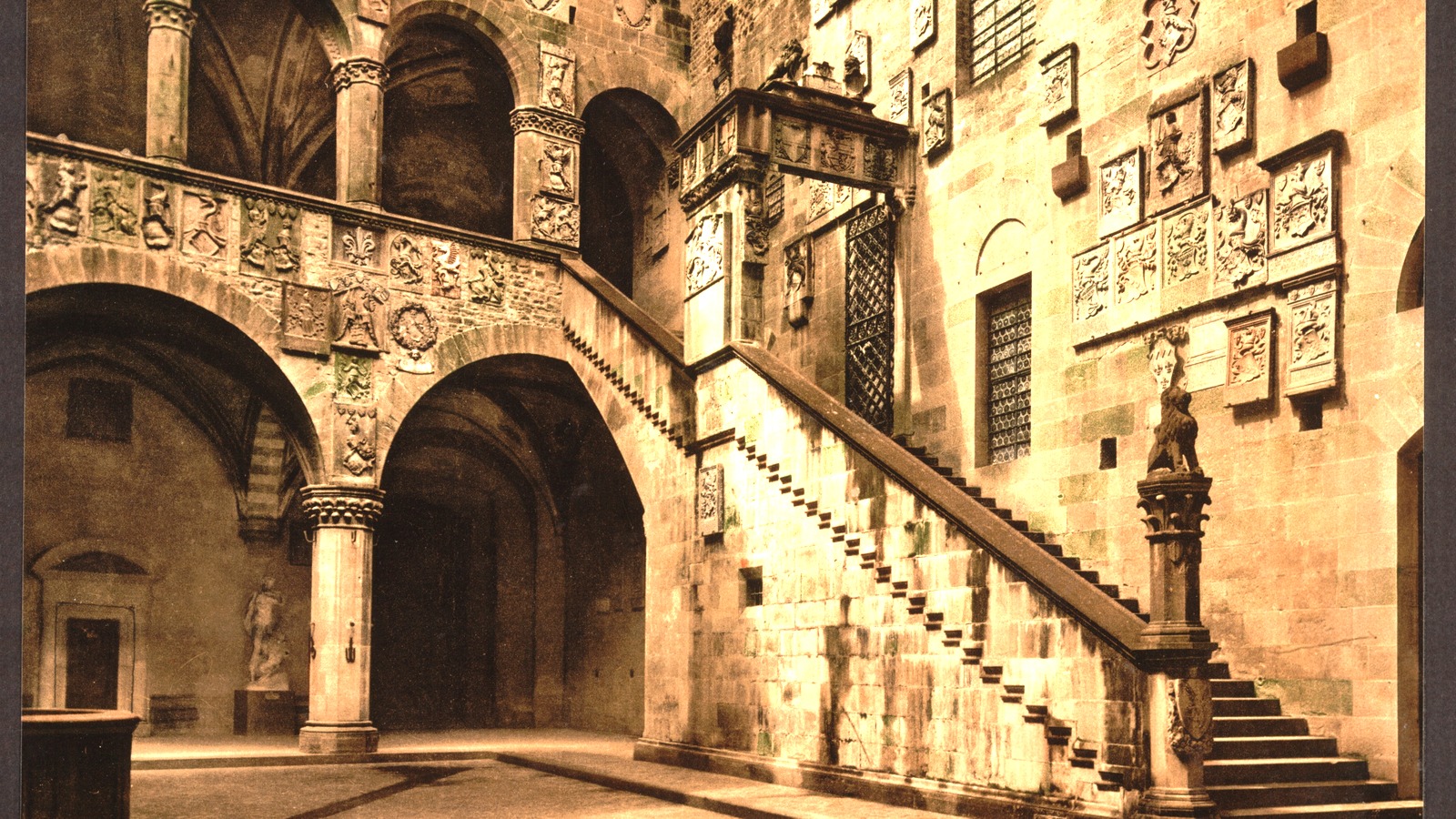 #11Best for Renaissance sculpture and medieval architecture · #11 of 15
Bargello National Museum
Sculpture museumHistoric centerOpen days, rooms and ticketing vary.$15 to $30A medieval civic building holds exceptional Renaissance sculpture in a dramatic courtyard and compact galleries. It offers a quieter complement to the Uffizi.
Local tipCheck open days carefully and prioritize the courtyard and major Donatello and Michelangelo works.
-
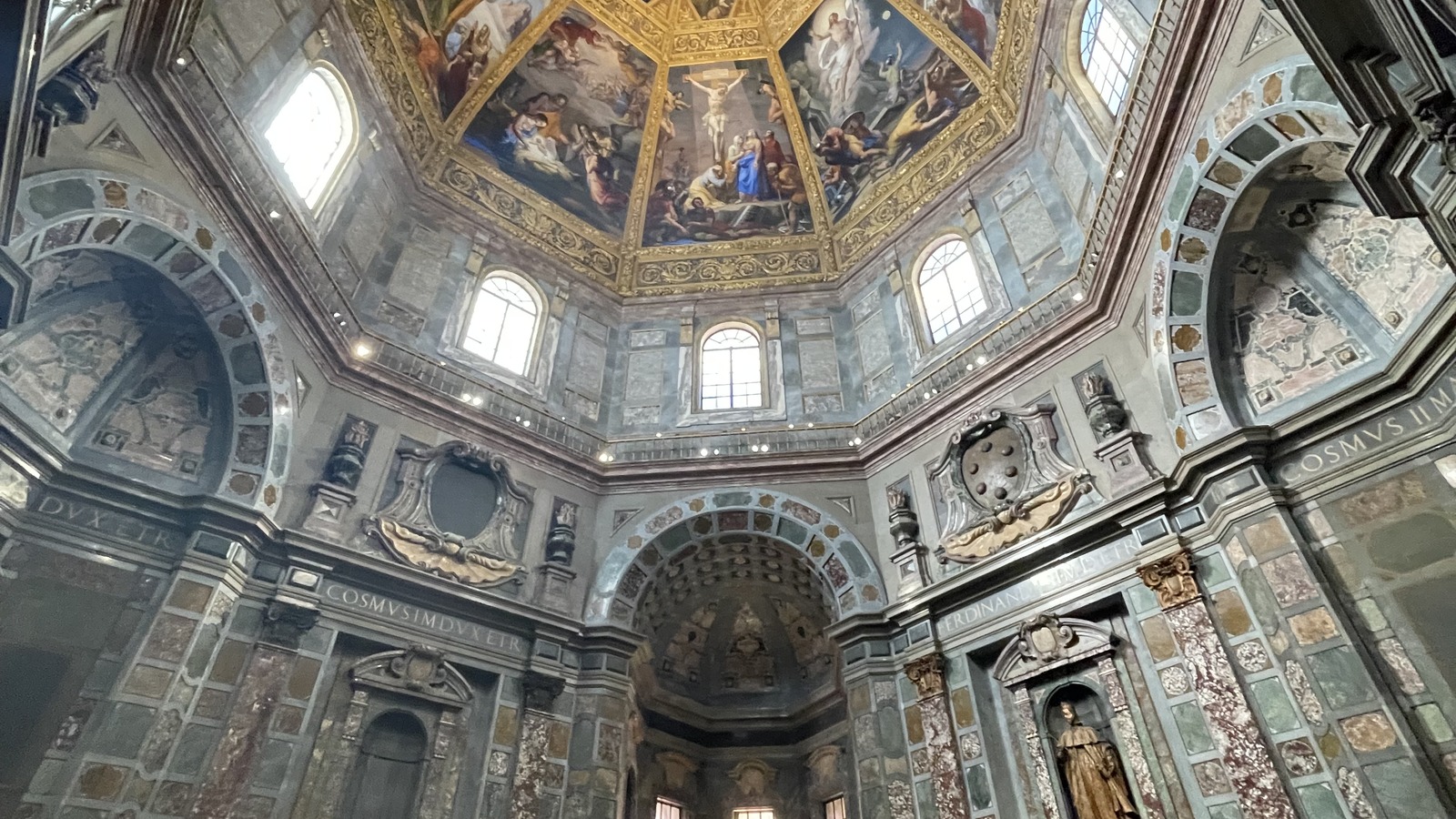 #12Best for Medici history and Michelangelo sculpture · #12 of 15
Medici Chapels
Historic chapel museumSan LorenzoAdmission, rooms and conservation access vary.$15 to $30Dynastic tombs, the Princes Chapel and Michelangelo’s New Sacristy turn the San Lorenzo complex into a concentrated Medici history stop.
Local tipUse a timed entry when offered and distinguish the chapels from the separate basilica entrance.
-
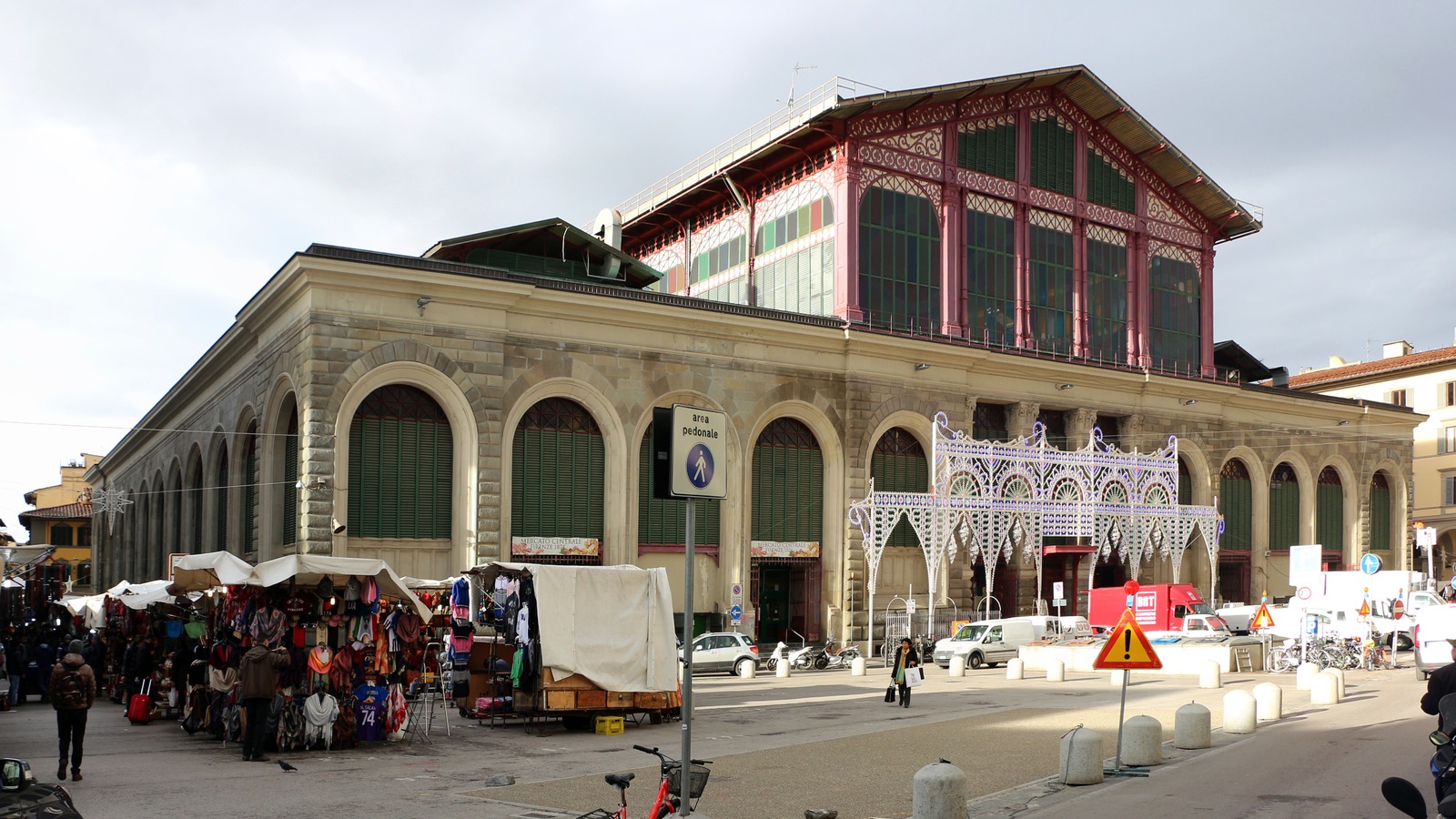 #13Best for a flexible local-market meal · #13 of 15
Mercato Centrale
Food marketSan LorenzoVendor and hall hours differ by level and day.Under $15A produce market below and prepared-food hall above make this a flexible meal stop near the major northern museums. The two levels deliver different experiences.
Local tipVisit the ground market earlier, then use the upper hall only when its variety suits the group.
-
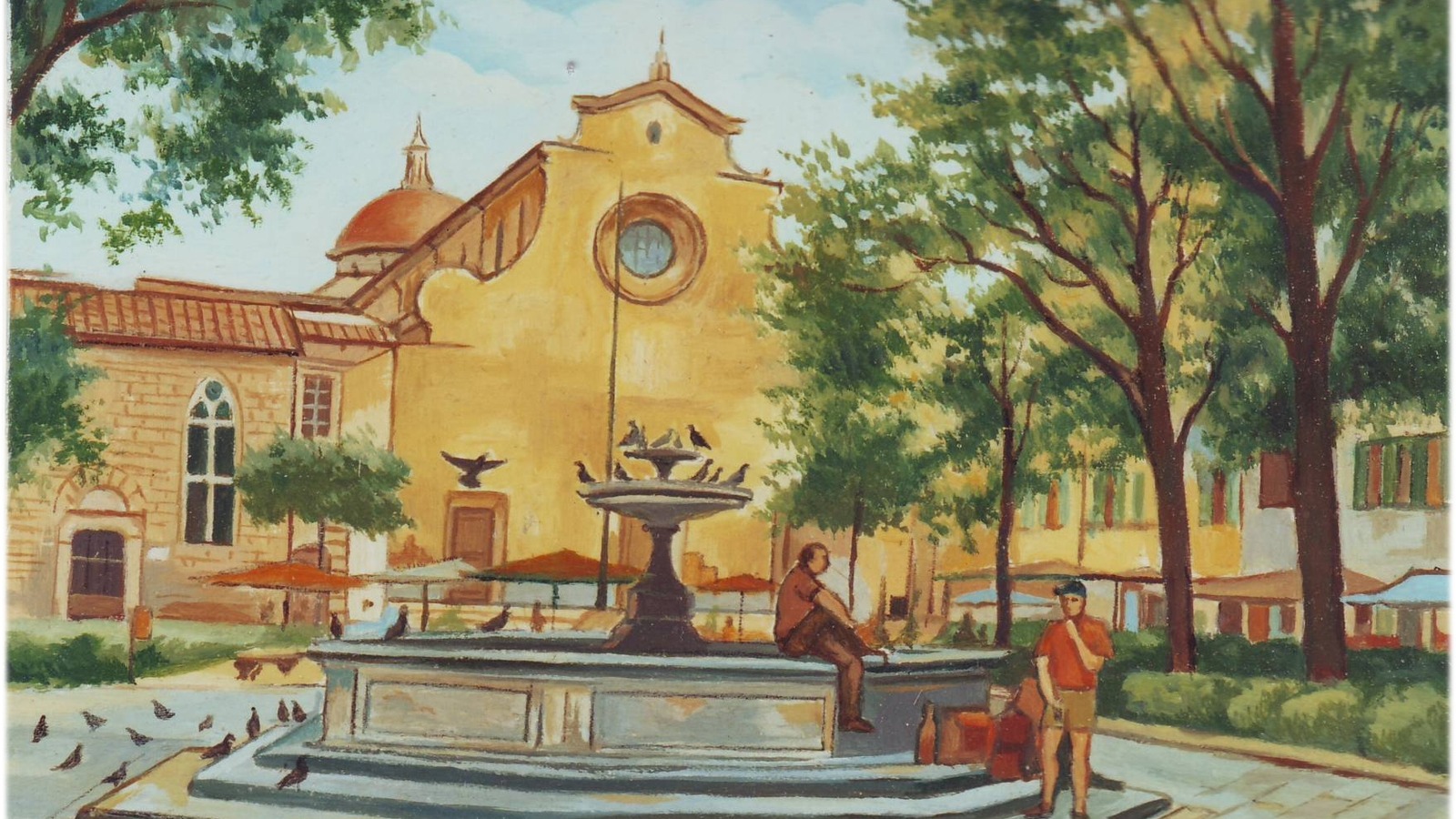 #14Best for Oltrarno atmosphere and an unhurried meal · #14 of 15
Piazza Santo Spirito
Neighborhood squareOltrarnoThe square is public; market, church and restaurant hours vary.FreeA broad Oltrarno square, Brunelleschi’s basilica and daily neighborhood rhythm provide a lived-in counterpoint to the monument-heavy center. Its value comes from lingering around a meal or market.
Local tipVisit after Pitti or Boboli and check the basilica separately rather than expecting all activity at one hour.
-
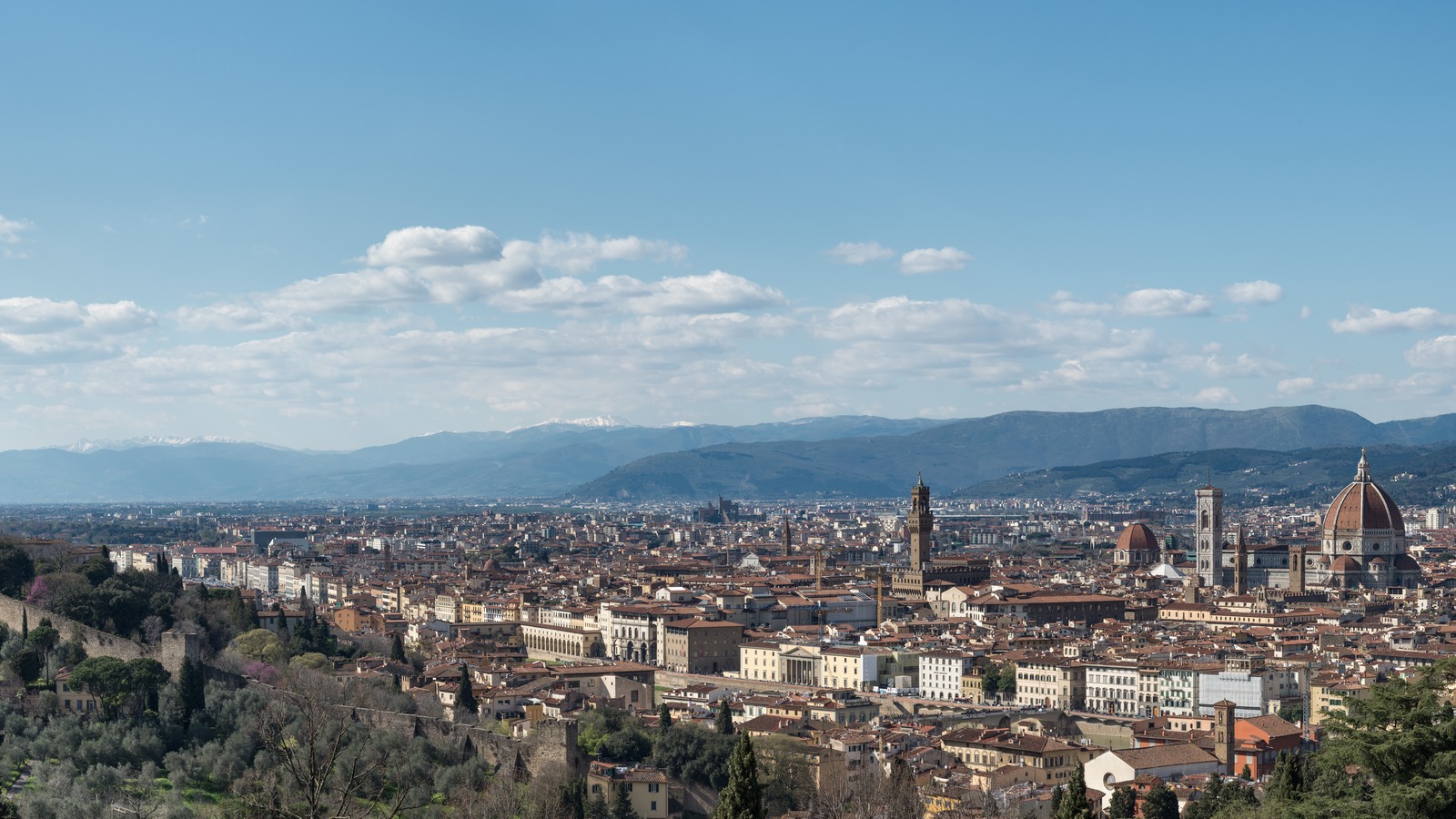 #15Best for a quieter hilltop church and panorama · #15 of 15
San Miniato al Monte
Hilltop basilicaSan Miniato hillVisitor access is secondary to worship and monastic life.FreeA Romanesque basilica above Piazzale Michelangelo adds mosaics, cemetery terraces and a quieter skyline view. The uphill location rewards combining both viewpoints.
Local tipContinue uphill from Piazzale Michelangelo and verify service times before entering quietly.
Where things cluster
Keep the Duomo and Signoria core compact, then treat Oltrarno and the south-hill viewpoints as separate walking blocks.
- Duomo and San MarcoCathedral complex, Accademia, Medici Chapels and market require reserved-time sequencing.
- Signoria and ArnoUffizi, Palazzo Vecchio, Bargello and Ponte Vecchio form the densest culture block.
- Pitti and Santo SpiritoPalace, Boboli and neighborhood dining need their own half or full day.
- Michelangelo and San MiniatoThe two viewpoints work best as one uphill walk around cooler hours.
Make it a day
Renaissance essentials
Begin with a reserved Duomo or Accademia time, walk to Palazzo Vecchio and the Uffizi district, cross Ponte Vecchio, then finish at Piazzale Michelangelo only if daylight and energy remain.
Historic core plus Oltrarno
Use day one for the Duomo complex, Accademia and Signoria museums. On day two, cross Ponte Vecchio for Pitti and Boboli, pause in Santo Spirito, then climb toward Piazzale Michelangelo and San Miniato.
Map
Best time to visit
F
M
A
M
J
J
A
S
O
N
D
Spring and late fall balance walking weather with garden value. Summer heat and crowds intensify climbs and queues; winter offers quieter museums but shorter garden days.
Landing abroad? Set up a Yesim eSIM before you fly.
Deep Arrival earns a commission when you buy through partner links. It does not change the price you pay.
Florence things to do FAQ
Reservation, timing, walking and museum-planning answers for a realistic Florence visit.
How many days do you need in Florence?
Three full days allow the Duomo complex, Uffizi, Accademia, Oltrarno and several churches without compressing every major reservation. Two days can cover the essentials with strict priorities.
Which Florence attractions need advance tickets?
The Duomo dome climb, Uffizi and Accademia are the highest-priority reservations. Palazzo Vecchio, Pitti, Boboli and other museums can also benefit from timed tickets in busy periods.
Is Florence walkable?
Yes. Most central attractions fit on foot, but cobbles, stairs, heat and hill climbs make realistic daily limits important. Piazzale Michelangelo and San Miniato require the most elevation.
What are the best free things to do in Florence?
Ponte Vecchio, Piazza Santo Spirito, Piazzale Michelangelo and San Miniato al Monte offer strong free experiences. Church visitor areas and special sections may still charge.
What is the best time to visit Florence?
March through May and October through November usually balance walking weather, daylight and manageable crowds better than midsummer.
Can you visit the Uffizi and Accademia in one day?
Yes with fixed timed entries, but the day is museum-heavy. Separate them when possible so the Duomo district and outdoor Florence remain part of the experience.
Keep planning
Use these live Deep Arrival guides to extend an Italy itinerary without duplicating this Florence overview.
Image credits. Hero: Petar Milošević / Wikimedia Commons / CC BY-SA 4.0. 1 Florence Cathedral complex: Thermos / Wikimedia Commons / CC BY-SA 2.5. 2 Uffizi Galleries: Chris Wee / Wikimedia Commons / CC BY 2.0. 3 Galleria dell Accademia: George M. Groutas / Wikimedia Commons / CC BY 2.0. 4 Ponte Vecchio: Jebulon / Wikimedia Commons / CC0. 5 Palazzo Vecchio: Jebulon / Wikimedia Commons / CC0. 6 Pitti Palace: Snapshots Of The Past / Wikimedia Commons / CC BY-SA 2.0. 7 Boboli Gardens: Macieklew / Wikimedia Commons / CC BY-SA 4.0. 8 Basilica of Santa Croce: Diego Delso / Wikimedia Commons / CC BY-SA 4.0. 9 Santa Maria Novella: Jebulon / Wikimedia Commons / CC0. 10 Piazzale Michelangelo: CEphoto, Uwe Aranas / Wikimedia Commons / CC BY-SA 3.0. 11 Bargello National Museum: Photochrom Print Collection / Wikimedia Commons / Public domain. 12 Medici Chapels: Giulio09445 / Wikimedia Commons / CC BY-SA 4.0. 13 Mercato Centrale: Sailko / Wikimedia Commons / CC BY 3.0. 14 Piazza Santo Spirito: Roberto Dughetti / Wikimedia Commons / CC BY-SA 3.0. 15 San Miniato al Monte: Giorgio Galeotti / Wikimedia Commons / CC BY 4.0.