
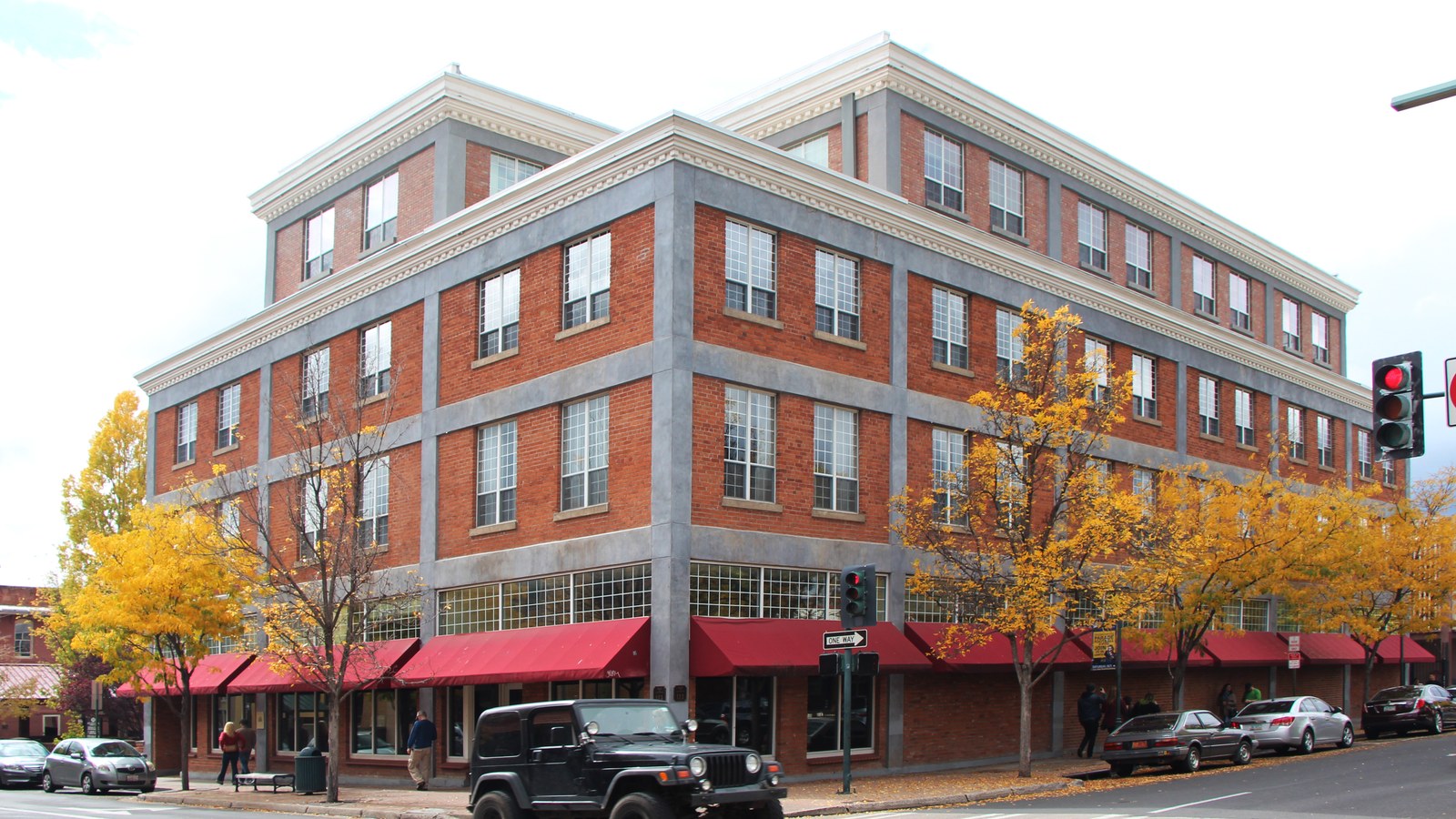
Flagstaff sits at 7,000 feet in a ponderosa forest below Arizona's highest mountains, which makes it a different state entirely from Phoenix two hours south. This guide ranks fourteen picks, from Lowell Observatory and the cliff dwellings at Walnut Canyon to Sunset Crater and the Snowbowl gondola, with what each one costs and what the altitude does to the seasons.
The top 14, ranked
Ranked from official sources: the National Park Service, the Coconino National Forest, Arizona State Parks, Lowell Observatory and each venue's own admission page. Prices and opening shapes were read from the operator's own site.
- Top pick
 #1Best for stargazing · #1 of 14
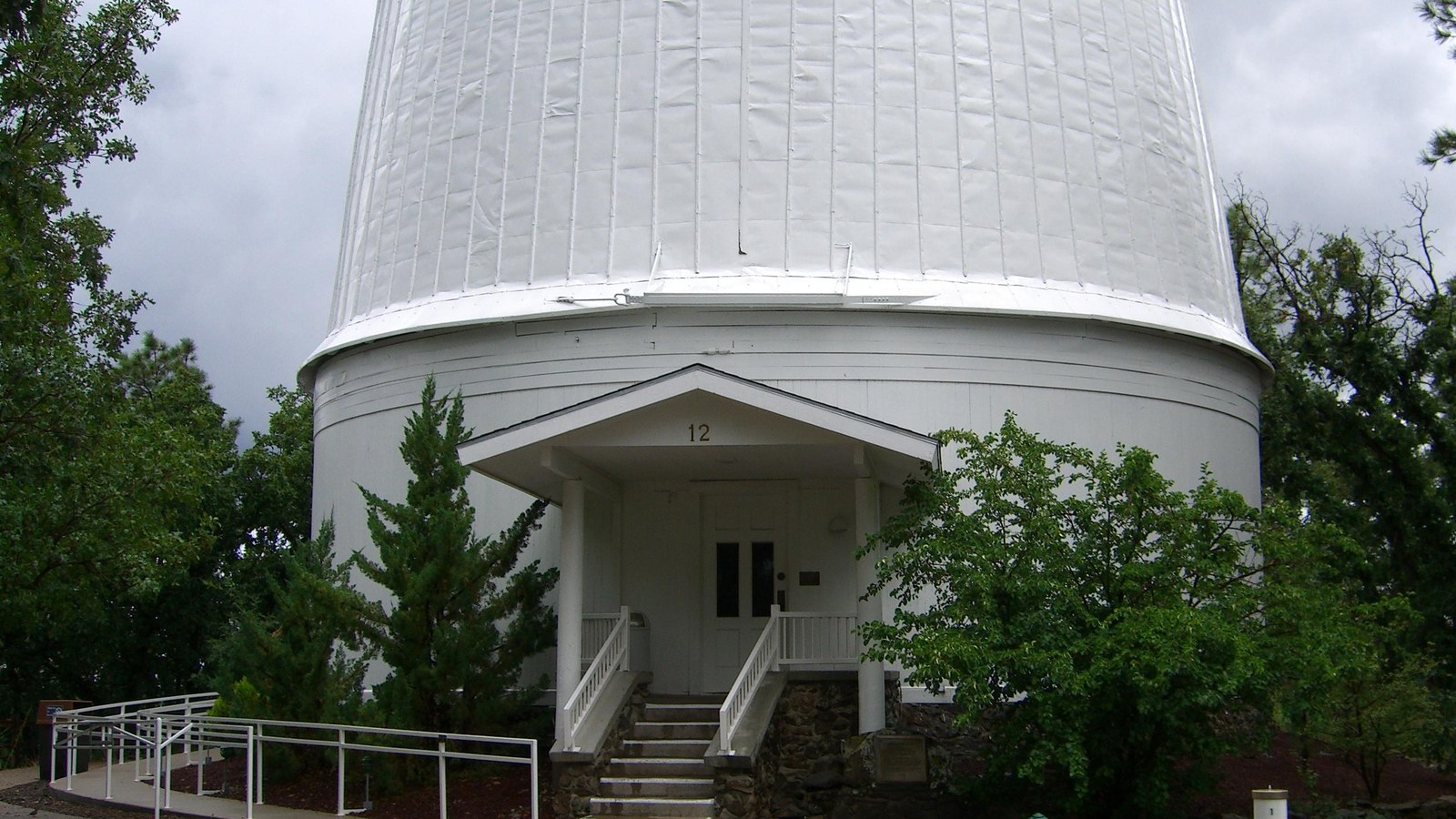
Lowell Observatory
ObservatoryMars Hillopen from afternoon into late evening most days, closed one weekday, with evening telescope viewing weather permitting$25 to $50Pluto was discovered from this hill west of downtown, and the observatory still runs public viewing through the historic Clark Telescope alongside a planetarium theater. Flagstaff's dark sky rules are the reason the seeing here holds up.
Local tipTelescope viewing opens around sunset, which moves from about half past four in winter to eight in summer, so check what time that actually is before you go.
- Top pick
2Best for archaeology · #2 of 14
Walnut Canyon National Monument
National MonumentEast of Flagstaffopen daily on a fixed day use schedule, with trails closing earlier than the gate and shorter winter hours$10 to $25Cliff dwellings built between 1125 and 1250 sit in the limestone ledges of a canyon seven and a half miles east of town. The Island Trail drops into the canyon and passes twenty five dwelling rooms at close range.
Local tipThe Island Trail closes at four in the afternoon and the Rim Trail at half past four even though the monument itself stays open until five, so arrive with time in hand.
- Top pick
3Best for geology · #3 of 14
Sunset Crater Volcano National Monument
National MonumentNorth of Flagstaffscenic drive and trails open year round, day and night, unless snow or weather makes the road impassable$10 to $25Arizona's most recent volcanic eruption left this cinder cone and the lava fields around it about twelve miles north of town. A paved trail and a scenic drive run through the flows, and the same fee covers Wupatki at the other end of the loop road.
Local tipOne entrance fee covers both this monument and Wupatki, so drive the full thirty five mile loop rather than treating them as two trips.
-
4Best for archaeology · #4 of 14
Wupatki National Monument
National MonumentNorth of Flagstaffpark road open at all hours year round, trails and pueblos open sunrise to sunset$10 to $25Wupatki Pueblo has 104 rooms and a ballcourt, built by an Ancestral Puebloan trade community that flourished in the cooler, wetter early 1100s. It sits at the far end of the loop road that starts at Sunset Crater.
Local tipThe park road is open all day every day, but the trails and pueblos themselves are only open sunrise to sunset.
-
5Best for context · #5 of 14
Museum of Northern Arizona
MuseumFort Valley Roadopen daily on standard museum daytime hours$10 to $25The museum covers Colorado Plateau geology, paleontology, archaeology and art alongside the living cultures of the region, on land it describes as sacred homelands to Native peoples across the plateau. It is the best single explanation of what you are looking at everywhere else on this list.
Local tipLast admission is an hour before closing, and going here before the monuments makes the cliff dwellings read very differently.
-
6Best for hiking · #6 of 14
San Francisco Peaks
Mountain RangeNorth of Flagstaffopen national forest land, with trailhead access affected by snow in the colder monthsFreeArizona's highest mountains rise straight out of the forest north of town, with Humphreys Peak at the top of them. The Navajo name translates as the summit which never melts, and the range is sacred to several tribal nations.
Local tipSome trailheads require a pass, and the summit hike starts above 9,000 feet, so treat altitude as the real constraint rather than distance.
-
7Best for mountain views · #7 of 14
Arizona Snowbowl
Mountain ResortHighway 180 corridortwo separate seasons, winter skiing and a summer gondola and activity season, both weather dependentVariesThe resort skis in winter on an average 260 inches of snow with a 2,300 foot vertical drop, and runs a scenic gondola in summer up to 11,500 feet, the highest lift served point in Arizona. On a clear day the view reaches Sedona's red rocks and the Grand Canyon.
Local tipBoth seasons use demand based pricing rather than a fixed rate, and the season dates move with the weather rather than the calendar.
-
8Best for history · #8 of 14
Riordan Mansion State Historic Park
Historic HouseNear the NAU campusseasonal hours, shorter in winter and longer in summer, with guided tours departing on the hourUnder $10A 1904 Arts and Crafts mansion of more than 13,000 square feet, built for two Riordan brothers who married two sisters and lived in joined halves of the same house. The period furnishings are largely original.
Local tipThe interior can only be seen on a guided tour departing on the hour, so the park entrance fee alone will not get you inside.
-
9Best for stargazing · #9 of 14
Flagstaff Dark Skies
StargazingCitywidea citywide designation rather than a single site, so there are no opening hoursFreeFlagstaff became the world's first International Dark Sky City in 2001 and has held the designation for more than two decades. The lighting rules that protect the observatories are the reason stargazing works from almost anywhere around town.
Local tipGet away from the downtown lighting for the darkest sky, and pair a night out here with an evening at Lowell Observatory.
-
10Best for caving · #10 of 14
Lava River Cave
CaveCoconino National Forestopen forest land with no posted hours, reached by an unpaved forest roadFreeA mile long lava tube northwest of town formed about 700,000 years ago and is open to the public to walk through. The Forest Service describes it as a natural museum, and it is entirely unlit.
Local tipBring your own flashlight or lantern and a jacket. The cave stays near freezing even on the hottest summer day, and the access road is unpaved.
-
11Best for adventure · #11 of 14
Flagstaff Extreme Adventure Course
Adventure ParkSouth of Flagstaffbooking desk open daily, with the course running in most weather but closing in unsafe conditions$50 plusFive treetop courses with more than eighty obstacles run through the ponderosa pines at Fort Tuthill County Park, with elements suspended between fifteen and sixty feet up. It is the most physical thing on this list.
Local tipLightning, wind over forty miles an hour, fire conditions or extreme cold will close the courses, so book with a fallback day in mind.
-
12Best for space history · #12 of 14
Cinder Lakes Apollo Training Area
Historic SiteNortheast of Flagstaffopen national forest land with no posted hoursFreeNASA and the United States Geological Survey blasted craters into this cinder field to mimic the lunar surface, and Apollo astronauts trained on it before flying. The craters are still there, on national forest land inside an off highway vehicle area.
Local tipRestoration work clearing overgrown brush has been under way here since 2024, and it sits inside an active off highway vehicle area, so check conditions first.
-
13Best for evenings · #13 of 14
Orpheum Theater
Music VenueHistoric downtownevent based hours tied to individual show schedulesTicketedAn independent, locally owned venue that has operated in the same downtown building since 1917, programming concerts, film screenings and community events. It is the center of gravity for a Flagstaff evening.
Local tipSome shows are eighteen and over while others are all ages, so check the individual listing before bringing anyone under age.
-
14Best for cross country skiing · #14 of 14
Arizona Nordic Village
Outdoor RecreationHighway 180 corridortwo seasons, skiing in winter and hiking in summer, with activities split accordinglyVariesCross country ski trails in winter turn into hiking and mountain biking in summer, on the Highway 180 corridor out toward the Peaks. It is the quiet alternative to Snowbowl on the same mountain road.
Local tipThis is the rebranded former Flagstaff Nordic Center, so older directions and links point at a domain that now redirects here.
Where things cluster
Flagstaff is compact, with downtown against the railway, Mars Hill just west of it and the university just south. The monuments and the Peaks spread out into the forest to the north and east.
- Historic downtown and the railroad corridorThe core grew up around the Atlantic and Pacific Railroad and still runs along it, holding the Orpheum, the restaurants and the bars within a few walkable blocks.
- Mars HillThe hill immediately west of downtown, where Lowell Observatory sits above the town lights that the city's dark sky rules keep in check.
- The road out to the PeaksHighway 180 runs north out of town toward the San Francisco Peaks, passing the Snowbowl road, the Nordic village and the trailheads into the high country.
- NAU campus and SouthsideThe university sits south of downtown with the historic Southside neighborhood beside it, and Riordan Mansion stands on the edge of the campus.
Make it a day
Cliff dwellings by day, telescopes by night
Start at Walnut Canyon east of town and walk the Island Trail down past the cliff dwellings while it is cool. Come back through Flagstaff for lunch downtown and give the afternoon to the Museum of Northern Arizona, which explains everything you saw in the morning. Book Lowell Observatory for the evening, timed to when telescope viewing actually opens, which changes by several hours between winter and summer.
The monuments loop, then the mountain
Give the first day to the thirty five mile loop road north of town, which links Sunset Crater and Wupatki on a single entrance fee and needs most of a day to do properly. On the second day go up the mountain, taking the Snowbowl gondola in summer or the skiing in winter, and add the Lava River Cave on the way back if you have brought lights. Keep both evenings free for the dark sky, which is the thing Flagstaff has that almost nowhere else does.
Map
Best time to visit
F
M
A
M
J
J
A
S
O
N
D
Late spring and early fall are the most reliable windows, warm enough for the canyon trails and clear enough for the observatory. Flagstaff sits above 7,000 feet, so summer afternoons bring monsoon thunderstorms and winter brings real snow that can close the loop road north to Sunset Crater and Wupatki. Altitude matters as much as season here: the Snowbowl gondola tops out at 11,500 feet and the Humphreys Peak trail starts higher than most people are used to walking.
Staying over? Compare hotels in Flagstaff at Expedia.
Deep Arrival earns a commission when you buy through partner links. It does not change the price you pay.
Flagstaff things to do FAQ
Altitude, seasonal closure, cost and trip length answers for a smoother visit.
What is Flagstaff known for?
Flagstaff is known for Lowell Observatory, where Pluto was discovered, and for being the world's first International Dark Sky City. It also sits below Arizona's highest mountains and within a short drive of three national monuments, at about 7,000 feet in a ponderosa pine forest.
Is Flagstaff a good base for the Grand Canyon?
It is a common base, but the South Rim is about eighty miles away, so a Grand Canyon day from Flagstaff is a long drive rather than a short trip. The picks on this page are all much closer, and several of them are within fifteen minutes of downtown.
How many days do you need in Flagstaff?
Two days works well. One covers Walnut Canyon, the Museum of Northern Arizona and an evening at Lowell Observatory. The second covers the Sunset Crater and Wupatki loop road, or the mountain if you would rather ski or ride the gondola.
Do the national monuments near Flagstaff charge separately?
Sunset Crater and Wupatki share a single entrance fee covering both, since they sit at either end of the same loop road. Walnut Canyon charges its own fee. All three are charged per vehicle, with a per person rate available at Sunset Crater.
What closes in Flagstaff in winter?
Snow can make the loop road north to Sunset Crater and Wupatki impassable, and the monuments keep shorter winter hours. Arizona Snowbowl switches from its summer gondola season to skiing, and trailhead access into the San Francisco Peaks depends on snow. Downtown, the museums and the observatory stay open.
What are the best free things to do in Flagstaff?
The San Francisco Peaks trails, the Lava River Cave and the Cinder Lakes Apollo Training Area all cost nothing, and so does stargazing anywhere away from the downtown lighting. Bring your own light for the cave, which is a mile long and completely unlit.
Keep planning
Use these nearby guides to extend a Flagstaff trip with a different pace and a clear next stop.
Image credits. Hero: Steven C. Price / Wikimedia Commons, CC BY-SA 4.0. 1 Lowell Observatory: Pretzelpaws / Wikimedia Commons, CC BY-SA 3.0.