
In Buenos Aires, football supporters gather outside neighborhood cafés hours before kick-off. In Tokyo, baseball fans sing coordinated chants from the stands, while vendors serve familiar Japanese stadium snacks. Across Scotland, traditional athletic competitions bring together local communities through sport, music, and regional customs.
For travelers, these experiences offer a different introduction to a destination. A sporting event provides the occasion to visit, but the surrounding culture reveals how people live, celebrate, and connect with their communities.
This growing relationship between sports and cultural travel is reshaping the idea of a sports holiday. Travelers are increasingly combining matches, tournaments, and sporting activities with local food, heritage, entertainment, and neighborhood experiences.
The result is a form of travel in which the stadium becomes one stop on a much wider itinerary.
Why sports tourism is becoming a cultural experience
Sports tourism includes traveling to watch competitions, participate in sporting activities, or visit destinations associated with particular sports.
According to UN Tourism, sports tourism accounts for approximately 10% of global tourism expenditure. Its appeal extends from major international competitions to smaller regional events that introduce visitors to local traditions.
What makes sport particularly interesting as a travel experience is its connection to place.
Football in Argentina carries decades of neighborhood rivalries and community history. Baseball in Japan has developed distinctive spectator traditions. Cycling in Belgium is closely associated with regional identity, particularly in Flanders.
These connections give travelers a starting point for understanding a destination through an activity they already enjoy.
A football supporter visiting Barcelona, for example, can explore the city’s sporting history alongside Catalan architecture, markets, and food. Someone traveling to Melbourne for the Australian Open can spend time discovering its independent cafés, art galleries, and coastal neighborhoods.
Sport provides the initial itinerary, while the city offers reasons to stay longer.
What sporting traditions reveal about local culture
The experience of attending a sporting event often begins well before spectators enter the venue.
In Argentina, football clubs are closely tied to their surrounding neighborhoods. Matchdays bring supporters into nearby streets and gathering places, where conversations about team history and local rivalries form part of the atmosphere.
In Japan, professional baseball offers a different spectator experience. Organized cheering groups lead songs and chants, while fans participate in coordinated displays of support. For international visitors, observing these traditions can be as memorable as the game itself.
Scotland’s Highland Games offer another example of sport’s cultural significance. Traditional events such as caber tossing and hammer throwing are presented alongside piping, dancing, and community celebrations. The gatherings introduce visitors to aspects of Scottish heritage that remain active in contemporary life.
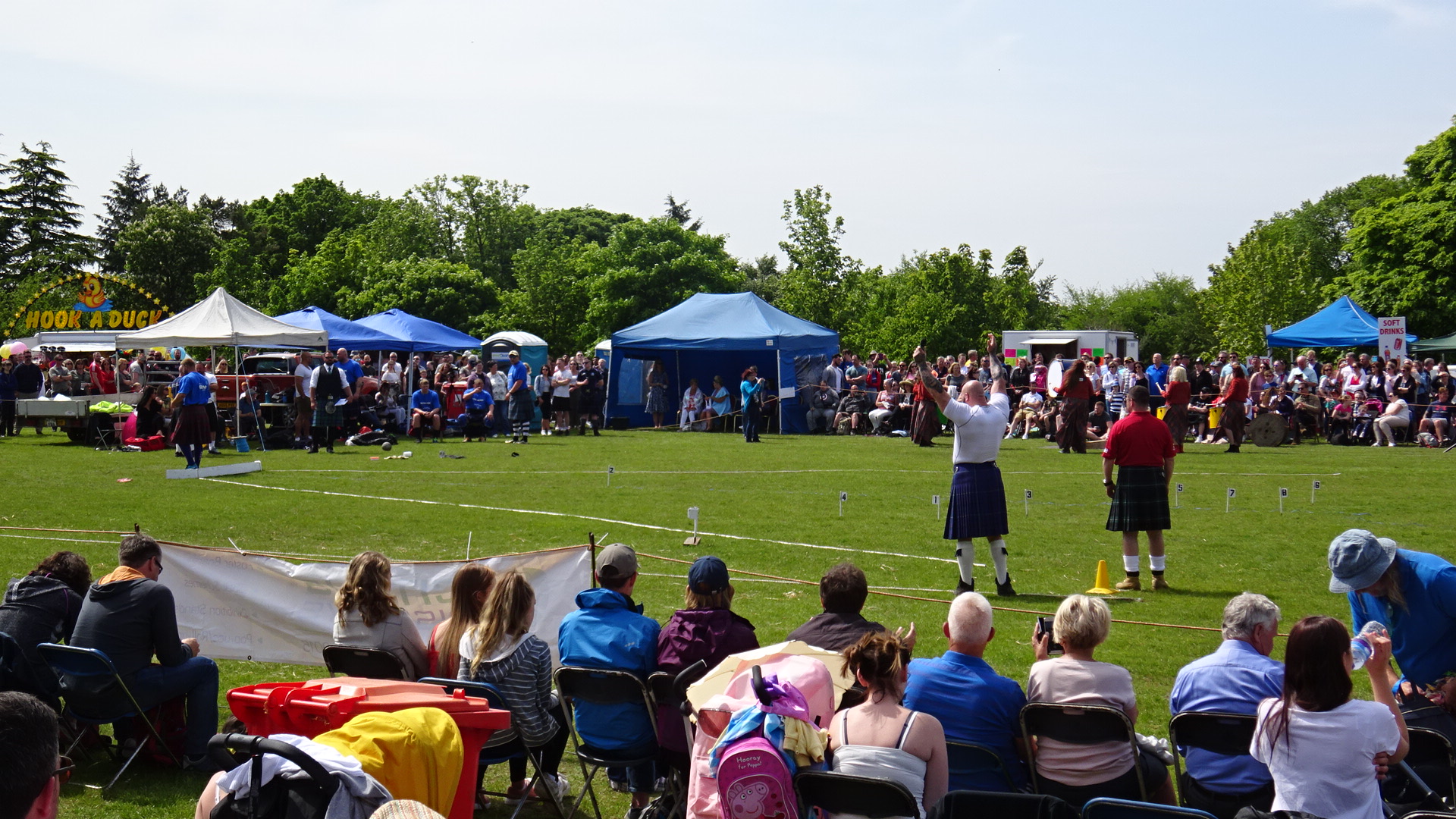
Travelers can gain a fuller understanding of these traditions by researching the history of local teams, attending community events, and exploring the neighborhoods around sporting venues.
Guided stadium tours and sports museums can provide useful historical context, but conversations with local supporters and visits to neighborhood establishments often reveal details that formal attractions overlook.
How major sporting events introduce visitors to a destination
Large sporting competitions can temporarily transform the cultural calendar of a host city.
The Paris 2024 Olympic and Paralympic Games demonstrated how sporting events can extend into public spaces and cultural institutions.
The city’s official Paris 2024 Games in numbers report recorded approximately 2.5 million visitors across 26 festival sites and 400 cultural performances.
These activities gave residents and international visitors opportunities to experience the city beyond competition venues.
Similar connections emerge during international football tournaments, Formula 1 weekends, and major tennis championships.
In Singapore, a Formula 1 visit can be combined with exploring hawker centres, historic districts, museums, and the city’s waterfront. In Melbourne, the Australian Open takes place in a city known for its cafés, galleries, live music, and sporting heritage.
However, visiting during a major competition requires careful planning. Accommodation prices can rise, public transport becomes busier, and popular attractions may require advance reservations.
Travelers can make better use of these trips by identifying cultural activities before arrival and allowing time to explore beyond the main event.
The changing role of hospitality in sports travel
As travelers combine sporting events with longer holidays, their accommodation and planning needs are becoming more varied.
Someone attending a major tennis tournament may want convenient access to the venue, restaurant recommendations, and additional leisure activities. A family traveling for a football match may prefer to extend the trip with sightseeing, entertainment, and time at a resort.
This has created opportunities for hospitality providers to offer services that connect sports, recreation, and destination experiences.
For instance, Sports Illustrated Resorts offers a vacation-ownership program with travel and entertainment benefits. The Sports Illustrated Resorts club benefits include travel planning services, a VIP ticket concierge, and access to select entertainment and event experiences. Members can also explore vacation options through the Varsity Pass and RCI Exchange programs, subject to membership terms and availability.
These services reflect a broader approach to sports-related hospitality, where attending an event can be part of a more extensive travel itinerary.
For travelers, the practical consideration is choosing accommodation and services that suit the entire trip. Proximity to a stadium may be convenient on matchday, but access to public transport, restaurants, cultural attractions, and other activities can be equally useful during a longer stay.
Why smaller sporting events deserve a place on travel itineraries
The cultural appeal of sports tourism is not limited to the Olympics, international football tournaments, or Formula 1.
Local competitions can offer opportunities to experience sporting traditions in a more intimate setting.
In Belgium, cycling enthusiasts can explore towns associated with historic road races, particularly in Flanders, where the sport is deeply connected to local identity. Routes, cycling cafés, and museums offer ways to discover this heritage outside major race weekends.
In Japan, regional sumo tournaments and exhibitions can introduce visitors to the sport’s ceremonial traditions and history. Availability varies by location and season, making advance research essential.
Across coastal destinations, local sailing competitions and traditional boat races can provide insight into maritime heritage and community life.
Smaller events may also be easier to incorporate into an existing holiday, particularly for travelers who prefer less crowded venues.
Local tourism boards, sporting associations, and official event calendars are useful starting points for finding competitions that coincide with travel dates.
How to plan a sports-focused cultural holiday
A rewarding sports trip begins with choosing a destination that offers experiences beyond the event itself.
- Research the local sporting culture. Learn about the teams, athletes, rivalries, and traditions associated with the destination. This background can make the experience more engaging and help visitors understand local customs.
- Plan around the full event schedule. Check match dates, venue access, transport arrangements, and ticket conditions before booking accommodation. Some competitions involve multiple sessions or activities spread across different locations.
- Allow extra time for cultural exploration. Adding one or two days to the itinerary creates opportunities to visit museums, explore neighborhoods, experience regional cuisine, or take short excursions.
- Choose accommodation based on the complete itinerary. Staying close to a venue may be convenient, but transport connections and access to other attractions should influence the decision.
- Book through reliable channels. Purchase tickets from official organizers or authorized sellers. Check refund policies, entry requirements, and any restrictions on ticket transfers.
- Support local businesses. Independent restaurants, neighborhood guides, local markets, and community attractions can provide experiences that are closely connected to the destination.
- Respect local sporting customs. Learn about supporter etiquette, venue rules, and cultural expectations. Some sporting environments have traditions that may be unfamiliar to international visitors.
A little preparation can help travelers participate more comfortably while leaving time for unexpected discoveries.
What the future of sports tourism could look like
Sports-related travel is expanding beyond spectatorship.
Amateur runners organize international holidays around marathons. Cycling enthusiasts travel to experience celebrated routes. Recreational athletes combine training camps and tournaments with leisure travel, while families increasingly incorporate sporting activities into their vacations.
This creates opportunities for destinations that may not host internationally recognized competitions but have strong sporting traditions or distinctive outdoor environments.
A mountain town known for trail running, a coastal community with a sailing heritage, or a region associated with cycling can attract visitors through experiences rooted in its landscape and culture.
For destinations, the opportunity is to introduce travelers to local communities and attractions while encouraging them to explore beyond the main sporting venue.
For visitors, sport offers a familiar starting point in an unfamiliar place.
A football match may bring someone to Buenos Aires, but the city’s neighborhoods, restaurants, music, and conversations can shape their lasting memories. A tennis tournament may inspire a first visit to Melbourne, while its cultural attractions provide reasons to return.
The most rewarding sports holidays leave room for both experiences: the excitement that brings people together inside the stadium and the everyday culture waiting beyond it.