
Park City / Dogs
Pet-Friendly Park City Condos: Find an Approved Unit That Fits
Turn pet-friendly search results into a verified accommodation shortlist.
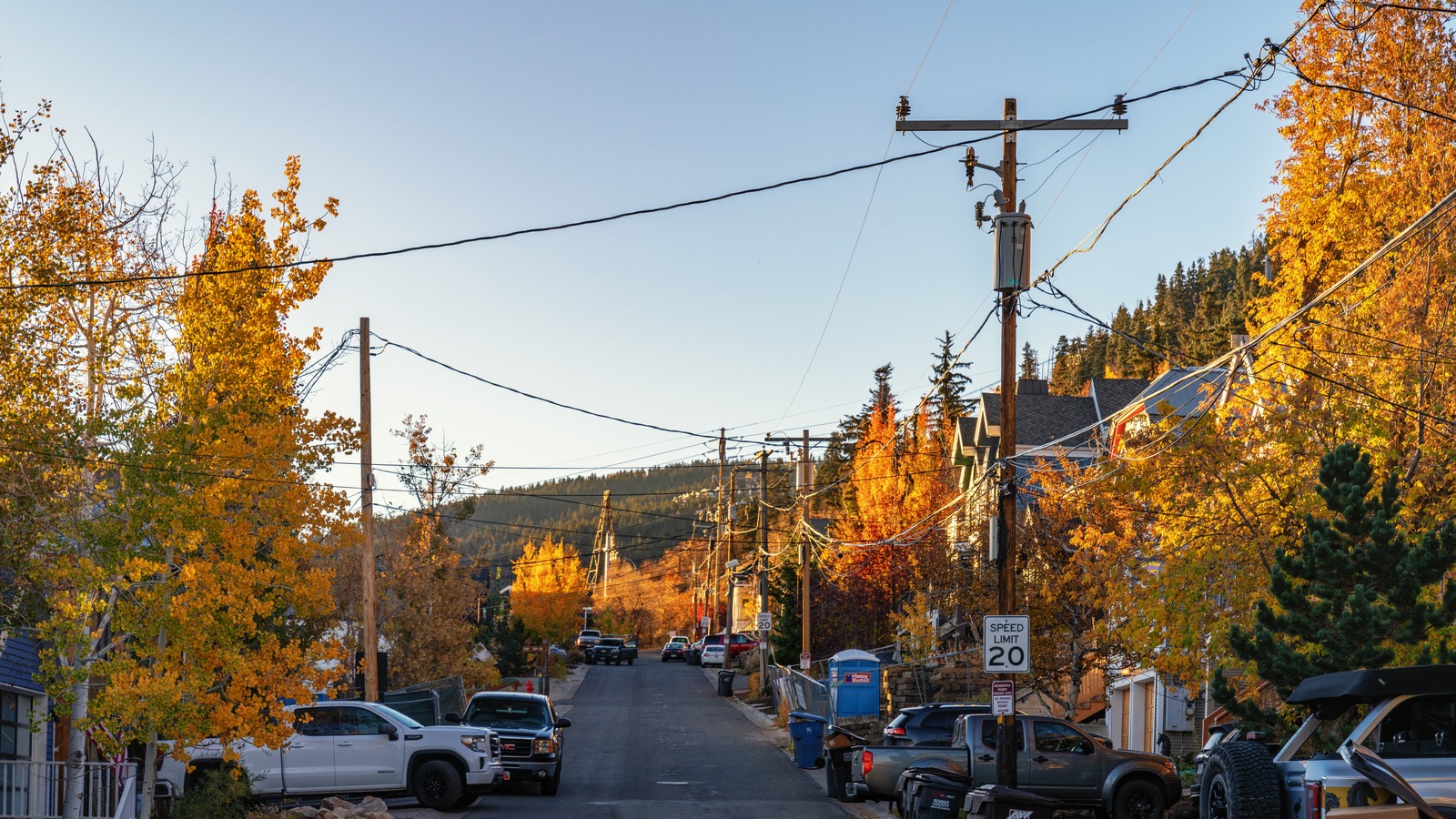
Homes along Empire Avenue in Park City, October 2022. Photo: Homes on Empire Avenue - Park City - Utah / Tony Webster / CC BY-SA 4.0
Plan a trip that works
Pet-friendly condos in Park City
The useful question is not whether Park City has pet-friendly condos. It is whether a particular unit accepts your dog, provides the sleeping space and access your party needs and supports the daily routine you have in mind. Permission, layout and location have to work together; a favorable answer to only one of them is not enough.
Condominium searches can blur three separate things: the building, the rental manager and the individual residence. One unit may be advertised through a pet-friendly collection while another unit in a similar setting is managed under a no-pet policy. Treat every candidate as an individual booking until the party taking payment confirms the terms.
Start with the Park City vacation planner for the wider trip and the guide to traveling with dogs for daily care and activities. This page concentrates on choosing and verifying the accommodation itself. It offers a method for turning a collection of attractive listings into a small, defensible shortlist without implying that any unit is currently available.
Explore this guide
- Begin with approved inventory, then narrow the search
- Separate the building's rules from the unit's permission
- Match the animal policy to your actual dog
- Inspect the door-to-outdoors route
- Choose the area for the caregiver as well as the skier
- Check family space and dog space together
- Compare condo, townhome and house compromises
- Build the true pet-inclusive quote
- Ask how winter and shoulder season change the unit
- Evaluate a proposed substitute on the same terms
- Make a final approval sheet before paying
01 / Pet-friendly condos
Begin with approved inventory, then narrow the search

Park City Rental Properties advertises a pet-friendly vacation-rental collection. Moose Management also provides search tools for pet-friendly homes across Park City and the wider Wasatch Back. These are useful starting points because they identify a subset to investigate rather than asking you to assume that all rentals welcome animals.
Natural Retreats offers a Park City search with property and amenity distinctions, including dog-friendly inventory. Its coverage includes different resort neighborhoods and areas beyond one compact town center. As with any search filter, the result is an invitation to read the selected listing and request confirmation, not a universal policy for every home the company manages.
Some prominent rental businesses are not an appropriate starting point for an ordinary pet. Park City Lodging and All Seasons Resort Lodging publish no-pet policies. Recognizing that early saves time and prevents a traveler from assuming that a familiar building name guarantees a suitable unit through every manager.
Avoid interpreting an empty or incomplete online result as proof that no pet-friendly homes exist. Dynamic calendars may require dates, guest numbers or an additional search step, and availability changes. Conversely, a collection page that remains visible all year does not prove that an approved unit is available for your dates.
Send a focused inquiry once you have selected the relevant companies. State the dates, adults, children’s ages, animal details and preferred area, then ask for exact units with written approval. A shortlist of three verified candidates is more useful than dozens of listings whose pet status remains uncertain.
02 / Pet-friendly condos
Separate the building's rules from the unit's permission
A building’s common-area rules and the rental agreement can impose different conditions. The unit owner or manager may approve a dog while the building restricts where it can go, which entrance it uses or how waste is handled. Ask for both sets of rules rather than treating permission inside the unit as permission throughout the property.
Identify the manager responsible for your reservation. A hotel desk in the building may not administer a privately managed residence, and a manager may not control shared facilities. If somebody promises an exception, confirm that the person has authority over the part of the stay involved.
Ask whether permission applies to the exact unit or only to a general room category. If the booking allows substitution, ask how pet approval will be preserved if the assigned unit changes. A replacement that matches the bedroom count but refuses the dog does not solve the family’s accommodation need.
Request the relevant terms in a form you can save with the reservation. The answer should identify the animal allowance, charges and conditions without requiring you to reconstruct several telephone conversations. Keep it accessible to every adult who may arrive first or speak to the property team.
The general condo and vacation-rental guide explains other building-versus-unit distinctions. For a trip with a dog, add pet approval to the same list of essential features as sleeping capacity and access. It should be treated as a booking requirement, not an informal preference.
03 / Pet-friendly condos
Match the animal policy to your actual dog
Tell the manager how many animals will travel and provide the size or other details its policy requests. Do not assume that a listing accepting one dog also accepts two, or that a broad pet-friendly label includes every kind of animal. Give accurate information before asking for a final quote.
Clarify whether an approval step occurs before payment, after booking or at arrival. If the approval is necessary for the trip to work, arrange it before you accept a cancellation penalty. A reservation made subject to a later discretionary decision can leave you with an accommodation commitment that does not meet your needs.
Ask about limits on furniture, bedrooms, balconies and common spaces. These rules shape how you use the unit and what equipment you should bring. A restriction is easier to manage when it is known in advance than when somebody discovers it in a welcome binder after unpacking.
Discuss the rule on leaving the dog unattended in precise terms. Ask whether the animal can remain alone at all, whether a crate is required and whether there are limits tied to time or behavior. Permission to sleep at the property does not establish permission to remain there during a full ski day.
Treat service-animal accommodation separately from ordinary pet permission. The businesses may publish distinct procedures for those categories. Use the category that actually applies to your animal and request clarification from the provider if a policy statement is unclear.
04 / Pet-friendly condos
Inspect the door-to-outdoors route
Look beyond the interior photographs and work through the route from the unit to the permitted relief area. Count the doors, stairs and elevator trips involved. A comfortable living room may still be inconvenient if every early or late walk requires navigating a long sequence of shared spaces.
Ask where snow is cleared and whether the route includes an exposed staircase or sloped walkway. This is a property-specific question, not something a destination map can settle. The same building can contain units with different entrances and substantially different access experiences.
Clarify whether a balcony, patio or yard is actually private and usable. A ground-floor photograph can make a shared landscaped area look like an enclosed garden, while a fenced area may have limitations that matter for your dog. Ask about boundaries and supervision rather than treating a picture as proof of secure containment.
Find out where pet waste goes and whether disposal supplies are provided. If the building designates a relief area, confirm its location relative to the unit and parking. A clear routine reduces friction with neighbors and helps the next adult taking the dog out know exactly where to go.
Test arrival and departure with the people available to manage them. Someone traveling alone needs to keep the dog controlled while handling bags; a caregiver may also need to supervise children. A simple entrance or confirmed luggage assistance can matter more than a distant amenity. Ask how unloading, check-in and the unit entrance connect, and whether the route suits any mobility equipment as well as the animal.
05 / Pet-friendly condos
Choose the area for the caregiver as well as the skier
Old Town, Mountain Village, Canyons Village, Deer Valley and Kimball Junction create different daily patterns. A ski-focused location can be excellent for the person going to lessons but less convenient for the adult staying with the dog. Decide whose journeys need to be easiest and how often they occur.
For a no-car stay, identify the exact walking routes and transport services available from the building. Ordinary-pet rules differ between Park City Transit and High Valley Transit, so access to a bus stop does not automatically settle a dog’s journey. A carrier requirement can make a connection impractical for a larger dog even if human passengers find it convenient.
If the family will split up, imagine the caregiver’s day in ordinary clothes. Can that person obtain food, take a permitted walk and return comfortably without depending on a skier’s vehicle? A lower-priced unit may become less attractive if every simple task requires a separately approved ride.
Look carefully at rentals marketed across the wider Wasatch Back. A home in Heber, Midway or Hideout can offer a different setting, but it is not an interchangeable address within Park City’s pedestrian districts. Decide whether you want that separate base and account for the journeys it creates.
Use the where-to-stay comparison to narrow the area and the pet-transport guide to test the connections. These checks should happen before choosing between two appealing interiors. The most attractive living room cannot compensate for a daily routine that nobody in the group wants to manage.
06 / Pet-friendly condos
Check family space and dog space together
List actual sleepers and beds rather than relying on maximum occupancy. If the living room becomes a bedroom at night, consider where the dog, its bedding and any crate will go. A layout that works for adults alone may become crowded once a sofa bed, children’s bags and pet equipment are in use.
Ask whether bedrooms can be separated from the main living space with real doors. That can matter for naps, an early-rising child and a dog that reacts to hallway noise. A loft or open sleeping alcove provides a different degree of separation from a fully enclosed bedroom.
Measure or request the dimensions of the space needed for a crate if the policy requires one. Check that placing it there will not block an exit, a heating source or the only route to the bathroom. Do not assume that an unused-looking corner in a wide-angle photograph has adequate usable floor area.
Consider eating and cleanup as part of the layout. A family may need a table with enough seats, somewhere to store the dog’s food and an entrance area for wet shoes. Those ordinary functions can matter more than the number of decorative features listed under amenities.
If the children and dog need different quiet periods, plan how the unit accommodates both. A compact studio may still work for a short, simple stay, but it should be chosen with a realistic schedule. More space is useful when it solves a specific problem, not simply because a listing describes the accommodation as spacious.
07 / Pet-friendly condos
Compare condo, townhome and house compromises
A condominium may put you close to services while requiring shared entrances, elevators and common-area rules. A townhome can provide a more direct entrance but may place bedrooms and living spaces on several levels. A detached house may offer more separation while creating longer journeys to meals or activities.
Evaluate those formats against your dog and family rather than declaring one universally better. A dog uncomfortable in elevators may benefit from a simple ground-level entry, while a family without a car may prioritize proximity to permitted transport. The right compromise depends on which difficulties occur repeatedly during the stay.
Check exterior stairs and internal stairs separately. A private front door does not guarantee step-free access, and a ground-level living room does not establish the location of bedrooms. Ask for a floor plan or clear description when mobility, carrying children or managing the dog on stairs is important.
A yard should be treated as a specific amenity requiring confirmation. Ask whether it is fenced, shared, accessible in the travel season and available for the use you intend. Do not assume that a snowy lawn or a property’s wooded surroundings provide an approved off-leash area.
Compare total cost only after the format meets the essential requirements. A larger house may spread costs across several adults, but it may also require more vehicles or separate care arrangements. A smaller approved condo can be the stronger option when its location supports the actual daily plan.
08 / Pet-friendly condos
Build the true pet-inclusive quote
Request the complete lodging total with the dog declared. Ask which charges are mandatory, whether any deposit is refundable and which events can create an additional charge. Distinguish a routine pet fee from damage responsibility rather than assuming one replaces the other.
Add transport costs that arise specifically from bringing the dog. If the intended shared ride will not accept it, a different vehicle may change the trip total. A more central approved unit may reduce some journeys, while a cheaper distant unit can create more occasions requiring transport permission.
Include any planned sitter or boarding arrangement in the comparison. A no-unattended-pets rule can turn care from an optional extra into an essential daily expense. Obtain an actual quote and availability from the provider before relying on an estimated number in the lodging budget.
Consider cancellation exposure if the pet approval or care arrangement falls through. The accommodation’s cancellation policy and a sitter’s policy are separate agreements, and neither necessarily protects the other. Arrange the sequence of bookings so the essential components are confirmed before you accept avoidable penalties.
Use the trip-cost worksheet to compare complete scenarios. One scenario might be an approved condo with a walking routine and adults sharing care; another might be a different base with a vehicle and professional care. Comparing those whole plans is more informative than comparing pet fees in isolation.
09 / Pet-friendly condos
Ask how winter and shoulder season change the unit
The same property can function differently in summer, peak winter and early season. Ask about snow clearing, outdoor access and shared amenities for the actual dates. A pool or patio photograph does not establish that the facility operates during Thanksgiving week or a late-autumn stay.
If the unit is advertised for ski access, ask what happens before the relevant terrain opens. Natural Retreats’ published access guidance makes clear that snow, weather and individual ability affect ski-in and ski-out suitability. A property can remain comfortable while losing the particular convenience that justified its price.
For dog walks, identify an alternative if a preferred route closes for maintenance or becomes unsuitable. Run-A-Muk’s official page has carried a dated resurfacing notice, illustrating why an area label alone does not establish today’s access. Avoid selecting a rental on the assumption that one specific walk will be available every day.
Ask about quiet periods and building work where those issues matter to the dog. The manager may not control every neighboring unit or construction project, but it can clarify known conditions and the limits of its knowledge. Do not interpret silence in a listing as a guarantee of uninterrupted quiet.
For a holiday stay, confirm grocery and meal plans before arrival. A kitchen is useful only if you can obtain the food and supplies needed to use it. Keep the first evening simple so the family can settle the dog into an unfamiliar environment without immediately leaving for a long reservation.
10 / Pet-friendly condos
Evaluate a proposed substitute on the same terms
Sometimes the first home you request is unavailable and a manager proposes another. Start the comparison again with the essentials rather than assuming the substitute inherits the original home’s pet permission. Ask for its own unit link, address and written approval, even when the company describes it as an upgrade.
Check which practical features have changed. A larger residence may introduce stairs, move the dog farther from an outdoor exit or put the caregiver beyond the transport route you planned. An attractive improvement in one area can therefore create a new problem elsewhere, and the word upgrade does not settle that tradeoff.
Compare the cancellation and payment terms attached to the replacement. If you are being moved after a reservation has already been made, ask the manager to explain the applicable agreement and your options clearly. Keep the explanation with the updated confirmation so the group’s decision is based on the offered arrangement rather than on the original listing.
Only accept after checking that the replacement still supports the whole trip. A suitable alternative can be a good solution, especially when the company explains the differences candidly. The important point is that approval applies to the actual accommodation you will receive.
11 / Pet-friendly condos
Make a final approval sheet before paying

Record the exact property, unit or room category, manager and travel dates at the top of the sheet. Add the animal details as approved, the charges and the unattended-dog rule. This creates a single reference when several adults are comparing listings or communicating with the company.
Next record the practical route outside, the sleeping arrangement and the caregiver’s daytime plan. Note any necessary equipment you must bring, including a crate if required. Mark unresolved essentials clearly rather than allowing a promising photograph to turn an unanswered question into an assumption.
Ask the manager to confirm any statement that would change your decision if it were wrong. Focus on concrete facts such as unit identity, approved animals, stairs and the terms of a substitute accommodation. General requests for a perfect vacation are harder to answer than specific requirements the company can verify.
After booking, save the confirmation and set a reminder to reconfirm arrival instructions and known seasonal arrangements near the trip. Do not repeatedly reopen the entire search unless circumstances change. Use the time instead to complete care, transport and the first day’s meals.
An approved pet-friendly condo is one part of a workable vacation, not the whole solution. The right selection combines permission with a suitable layout and a manageable location. Once those pieces are explicit, the accommodation becomes a reliable base for both the people and the dog.
Before you book
Questions before you book
Does a pet-friendly search filter guarantee permission?
No. It identifies candidates for further checking. Obtain approval for the selected unit, the specific animal and the travel dates before committing to the reservation.
Can different units in one building have different pet rules?
Yes, rental management and unit terms can differ, while shared areas may have additional building rules. Identify the company responsible for your exact reservation and ask for both sets of relevant conditions.
Is a pet fee the same as a refundable deposit?
Not necessarily. Ask which charges are retained, which amounts may be refunded and what damage or cleaning responsibilities remain under the agreement.
Can the dog stay alone while everyone skis?
Only if the exact property permits that arrangement under its stated conditions. If it does not, arrange approved care or an adult’s presence before buying the day’s activities.
Should I choose a condo near a bus stop?
Only after checking the operator and the dog’s boarding requirements. Park City Transit and High Valley Transit have different ordinary-pet policies, and the last walk between the stop and unit also matters.
Resources for your trip
Sources and useful links
- Park City Rental Properties pet-friendly collection
- Moose Management rental search
- Natural Retreats Park City properties and access guidance
- Park City Lodging rental policies
- All Seasons Resort Lodging policies
- Park City Transit dogs-on-buses policy
- High Valley Transit animal policies
- Run-A-Muk official conditions and area information
Photograph credits and licenses
- Homes along Empire Avenue in Park City, October 2022. Photo: Homes on Empire Avenue - Park City - Utah / Tony Webster / CC BY-SA 4.0 · Cropped and resized to 16:9.
- Lodging buildings below autumn slopes at Deer Valley, October 2022. Photo: Deer Valley Condos and Resorts in Autumn - Fall Colors in Park City Utah / Tony Webster / CC BY-SA 2.0 · Cropped and resized to 16:9.
- Historic Main Street in Park City, photographed in October 2026. Photo: Park City, UT_Cutler_20261006_122955 / Wendy Cutler / CC BY-SA 4.0 · Cropped and resized to 16:9.
Plan the complete trip