
Park City / Dogs
Park City With Dogs: Plan the Stay, Walks and Time Apart
Make the dog’s daily routine part of the accommodation, transport and activity plan.
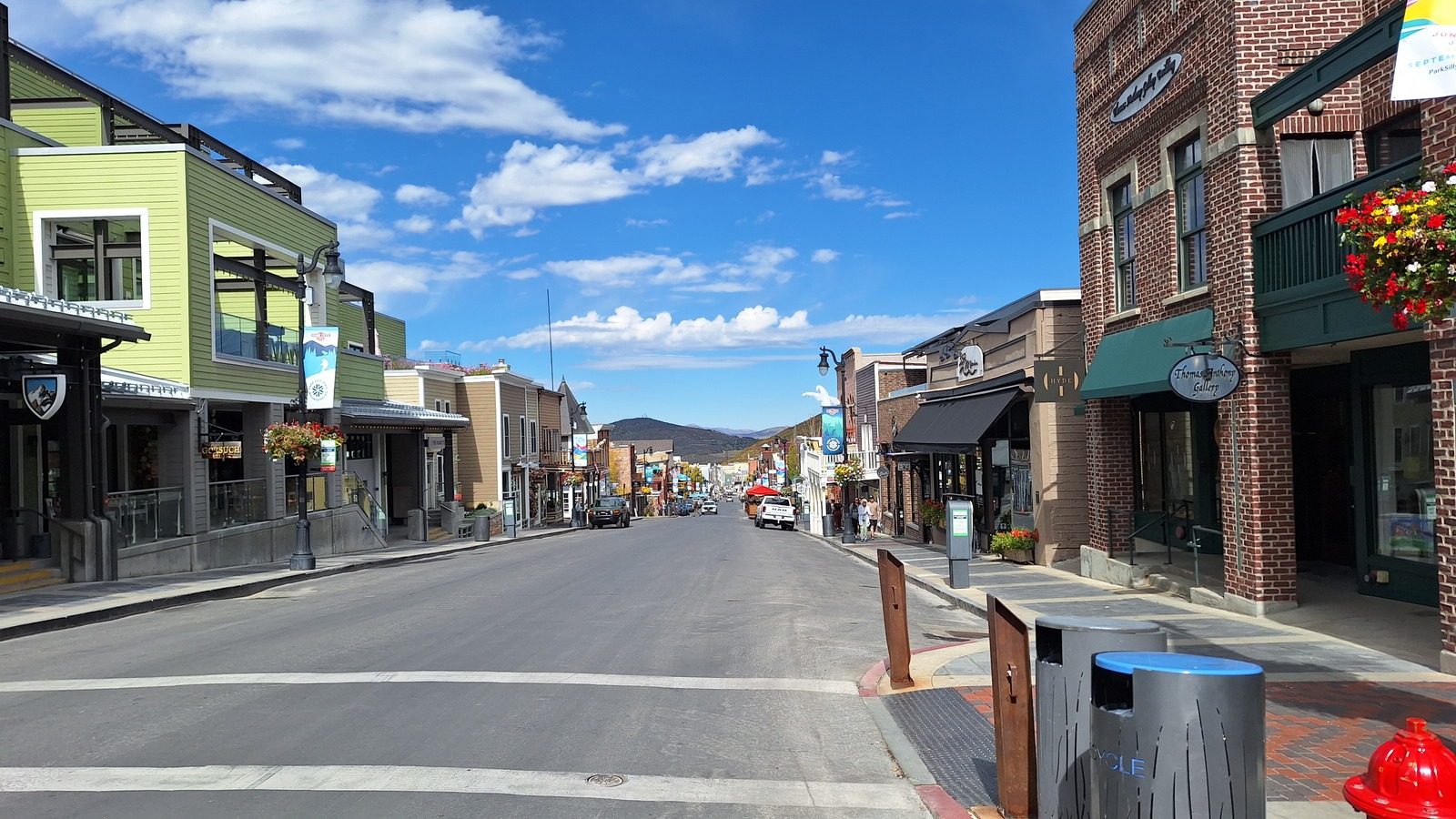
Historic Main Street in Park City, photographed in October 2026. Photo: Park City, UT_Cutler_20261006_122955 / Wendy Cutler / CC BY-SA 4.0
Plan a trip that works
Travel with dogs in Park City
A Park City vacation with a dog works best when the dog’s day is planned alongside the plans of the people traveling. A rental that accepts animals solves the overnight stay, but it does not arrange a ski-day caregiver, admission to an indoor attraction or a ride home from dinner. Those connections determine whether bringing the dog makes the vacation easier or more restrictive.
Start with an ordinary day rather than a list of dog-friendly labels. Picture the first walk, breakfast, the family’s main activity, the dog’s care during that activity and the evening return. Then repeat the exercise for bad weather and for arrival day, when everyone may be tired and carrying luggage.
Park City has outdoor space, selected pet-friendly rentals and public transport options that can accommodate dogs under specific rules. It also has important limits, including different policies across transport systems and restrictions at particular attractions. The Park City vacation planner connects those decisions to the wider trip; this guide focuses on making the dog’s presence workable from morning to night.
Explore this guide
- Decide whether this particular trip suits your dog
- Confirm the exact accommodation in writing
- Choose a base around the whole group's routine
- Arrange the arrival journey before choosing no-car travel
- Distinguish the two local bus policies
- Pick walks with specific access rules
- Plan the hours when the dog cannot join you
- Make meals and groceries compatible with the dog
- Pack for access and cleanup, not just a photograph
- Keep the household handover simple
- Build a daily plan that can bend
01 / Travel with dogs
Decide whether this particular trip suits your dog
Consider the vacation you actually intend to take. A week centered on long ski days creates different care needs from a relaxed stay with short walks, meals at the rental and adults taking turns on outings. Bringing a dog because the destination looks outdoorsy does not resolve the hours when the family is elsewhere.
Think about the dog’s experience of unfamiliar rooms, elevators, crowds and travel. A property may permit a dog without being a comfortable environment for that individual animal. The question is not simply whether a rule allows the trip, but whether your schedule and chosen accommodation give the dog a manageable routine.
Discuss responsibilities before booking. Decide who handles the early walk, who returns from an activity if care falls through and whether those duties rotate. A vague expectation that somebody will stay behind can turn into a substantial imbalance once lessons and lift tickets have been purchased.
Consider leaving the dog with familiar care at home if every important activity excludes it and nobody wants to shorten their day. That can be a sensible travel choice rather than a failure to find the right property. Compare the complete cost and experience of both options before committing to pet fees and specialized transfers.
If the dog has individual health or mobility needs, discuss the proposed travel and outdoor routine with your veterinarian. Build the practical plan around that advice rather than assuming that all dogs tolerate cold, elevation or long journeys in the same way. This guide does not prescribe a medical preparation or a universal safe exposure time.
02 / Travel with dogs
Confirm the exact accommodation in writing
Search for an approved unit, not just a pet-friendly destination or a manager with a pet category. Park City Rental Properties advertises selected pet-friendly accommodations, and Moose Management offers filters that can help identify candidates. Each candidate still needs a current answer for the specific dog, dates and unit.
Other businesses publish a different starting policy. Park City Lodging and All Seasons Resort Lodging prohibit ordinary pets in their rental inventory. A photograph of a neighborhood dog, a review of a nearby building or a resort’s general hospitality message does not override the company holding your reservation.
Ask about the number and type of animals, any size restrictions, charges and the conditions for leaving a dog alone. If the company requires a crate or prohibits unattended animals, that rule changes the whole daily schedule. Obtain the answer before buying activities that assume all adults will be away together.
Check the outdoor route from the unit. A high floor, several doors, stairs or an icy external path may make a quick relief break less simple than the listing suggests. Request the location of the permitted relief area and ask how waste should be disposed of on the property.
Use the pet-friendly condo guide for the detailed booking checklist. Keep written permission with the reservation confirmation so that the front desk, housekeeping team and property manager have a consistent record. Do not rely on bringing the dog first and explaining the situation at check-in.
03 / Travel with dogs
Choose a base around the whole group's routine
An Old Town stay may suit a group that wants short outings around Main Street, while a Kimball Junction location may fit errands and a different set of transport connections. Canyons Village and Deer Valley bases organize the day around their respective resort areas. None of those labels alone establishes a convenient walking route from the selected building.
For a dog, the first and last outdoor breaks can matter more than proximity to a lift. Look for a practical route from the entrance, a manageable surface and a place where a handler can wait without obstructing pedestrians. Ask the property about snow clearing rather than assuming that every adjacent path receives the same treatment.
Match the location to the adult who will be with the dog during the day. If that person is not skiing, a stay chosen entirely for slope access may leave them dependent on transport for groceries or a simple outing. Compare the needs of both parts of the group before choosing the more expensive base.
A wider Park City search may include Heber, Midway, Hideout or the Jordanelle area. Those can be deliberate alternatives, but they are separate locations with their own journeys. Do not assume a dog’s familiar walking routine or a town bus route will be available simply because the booking page uses Park City as a destination label.
The where-to-stay guide helps compare these location decisions. Give special weight to a base that allows the dog and its caregiver to have a pleasant day without repeatedly arranging rides. That is a more useful form of convenience than a short distance to an activity the dog cannot join.
04 / Travel with dogs
Arrange the arrival journey before choosing no-car travel
Tell every transport provider that an ordinary companion dog will be traveling, along with its size and the carrier you intend to use. Ask for approval for the actual vehicle and booking, not a general statement that the company sometimes carries animals. A private transfer, a shared shuttle and a public bus are different services with different capacity decisions.
Include the dog in the luggage calculation. A carrier, ski bags, a stroller and several suitcases can consume more space than the passenger count suggests. Give the provider that information before it assigns a vehicle, and ask where the dog and equipment will be placed during the journey.
Air travel adds another operator’s rules before the airport transfer begins. Check the airline’s current requirements for the exact flight and animal rather than assuming that a ticketed passenger can add a pet later. If a connection is involved, consider every flight segment and the practical handling between them.
If you drive, plan breaks that suit both the dog and the people in the car. Keep the leash, waste bags, water and a towel accessible without unloading ski equipment into a parking lot. Choose a lodging arrival time that leaves room for a walk before you begin unpacking the whole family.
The pet-transport guide covers the operator-by-operator checks. Complete that plan before declaring a no-car vacation possible. An accommodation can be well served for human passengers while a particular dog cannot use the intended connection under that operator’s rules.
05 / Travel with dogs
Distinguish the two local bus policies
Park City Transit permits one ordinary dog per handler subject to conditions that include a short leash and a properly fitted muzzle. High Valley Transit treats ordinary companion animals differently, allowing them in a closed carrier. A dog that meets one system’s requirements does not automatically qualify for the other system.
Identify the operator of each leg when planning a journey. A trip shown as two bus rides may involve a policy change at the connection. Do not assume that a bus painted differently is merely another route in the same network or that a muzzle substitutes for a carrier everywhere.
Think about handling as well as permission. One adult may need to control the dog, manage children and carry winter clothing while boarding. If the physical task is unrealistic, a route that is technically allowed may still be a poor choice for that part of the vacation.
Keep a return alternative, especially after a late meal or a busy event. Park City Transit’s rules allow refusal of ordinary dogs when there is inadequate space, and a carrier does not create unlimited capacity on another service. Avoid a plan that leaves your only way home dependent on one crowded departure.
Service-animal provisions are a separate category, and the operators publish their own guidance. Do not relabel an ordinary pet to fit a transport plan. For your companion dog, use the actual published pet policy and confirm any detail the policy does not clearly resolve.
06 / Travel with dogs
Pick walks with specific access rules
Run-A-Muk, below Utah Olympic Park, is a natural off-leash hiking area rather than a conventional manicured dog park. Basin Recreation requires handlers to retain sight and voice control, and fencing should not be treated as an escape-proof enclosure. Check current closures before traveling there; its published page has carried maintenance notices.
Choose the outing according to the conditions and the dog’s recall, not just the off-leash label. A natural area includes uneven ground and the possibility of wildlife. If you need a predictable enclosed exercise space, ask whether the specific facility meets that requirement instead of inferring it from the name.
Swaner illustrates another important boundary. Ordinary pets are excluded from the EcoCenter and boardwalk, while leashed dogs are allowed on its north-side trails. A visit to the preserve therefore requires choosing the permitted part of the property rather than assuming that outdoor areas all share one policy.
Keep walks within the permission and condition information for the actual route. Resort land, neighborhood paths, nature preserves and designated off-leash areas are not interchangeable. A busy ski run or an attraction’s approach should not become an improvised dog-exercise area because it is covered in snow.
Carry waste bags and remove waste even when the ground is snowy. Plan a route you can shorten if the dog or a child becomes uncomfortable. A modest nearby walk with an easy return can be more useful on a family vacation than an ambitious excursion that requires another long drive.
07 / Travel with dogs
Plan the hours when the dog cannot join you
Park City Mountain does not allow ordinary pets on its gondolas or chairlifts. That restriction affects a scenic outing as well as a ski day, so do not assume a non-skiing dog can accompany the family simply because people are riding in ordinary shoes. Check each activity’s rules independently before reserving it.
Indoor attractions, restaurants and shops also need their own checks. An outdoor destination reputation does not establish admission to every interior, and a patio may not operate in the season you are visiting. Ask about the current arrangement for the exact venue rather than relying on an undated dog-friendly roundup.
Arrange care before purchasing a long block of activities. If you plan to use a sitter or boarding provider, confirm its own availability, intake requirements, hours and cancellation terms. Do not assume that a last-minute search will produce a suitable place once everyone has reached the resort.
If adults will take turns, give the caregiver a real plan rather than an empty day at the rental. Include a permitted walk, access to meals and a clear handover time. This works better when the lodging location supports both the skier’s morning and the caregiver’s day.
Keep a fallback for a canceled booking or an unsettled dog. That may mean a shorter outing, separate dinner times or an adult remaining at the accommodation within its rules. Avoid treating the parked car as the planned substitute for appropriate care while the rest of the group disappears for hours.
08 / Travel with dogs
Make meals and groceries compatible with the dog
A usable kitchen can reduce the number of occasions when the family must choose between eating out and caring for the dog. Verify the equipment needed for the meals you intend to make, including storage and preparation space. A kitchenette description does not necessarily support a full holiday dinner.
Plan the first meal before arrival. A late check-in is a poor moment to discover that the nearest shop has closed or that somebody must remain with the dog while another adult searches for food. Bring or arrange a simple option within the accommodation’s rules and verify any delivery service for the actual address.
For restaurants, ask about the current dog policy and the seating area involved. Permission on an outdoor patio does not imply indoor admission, a heated space or service during a storm. If the weather makes that area unusable, decide whether the group will take food back or use another care arrangement.
Do not confuse a grocery stop with an activity for the whole group. If the dog cannot enter the store, determine who will remain with it and how the shopping will get back to the rental. The same question applies to equipment collection and other errands that look short in an itinerary but can involve waiting.
A practical daily plan may combine one meal out, one easy meal at home and a walk around the handover between adults. The food guide can help locate options by base, but pet admission still needs the venue’s own confirmation. The restaurant’s location and menu do not establish its animal policy.
09 / Travel with dogs
Pack for access and cleanup, not just a photograph
Bring the equipment required by your actual transport plan. A properly fitted muzzle for Park City Transit and a suitable closed carrier for High Valley Transit solve different requirements. Introduce unfamiliar equipment before the trip where appropriate, rather than expecting the first crowded boarding to be the dog’s first experience of it.
Keep identification, the accommodation’s written pet approval and any records requested by a care provider easy to find. Store copies where another adult can access them if the booking contact is away. This is particularly useful when a family splits between skiing and non-skiing activities.
Pack towels and a way to contain wet or muddy equipment according to the property’s rules. Ask whether designated pet towels are supplied instead of assuming guest bath linen is intended for that use. A small cleanup routine at the entrance can protect floors and make the next outdoor break easier.
Bring the dog’s familiar food and necessary supplies in quantities suited to the stay, with a reasonable margin for travel disruption. Verify local options before relying on a specialty item being available nearby. Treat medication storage and any health-specific equipment according to your veterinarian’s instructions.
Leave room in the luggage for the items you will actually carry on a walk. An elaborate packing list is less helpful if everything ends up buried beneath ski bags. Keep the leash, waste bags and immediate cleanup supplies together so any responsible adult can handle the next outing.
10 / Travel with dogs
Keep the household handover simple
If several adults share dog care, agree the handovers, next walk and meal, and access to keys and supplies. Do not assume every non-skier is available to cover the dog’s day. A solo traveler needs approved care or an itinerary the dog can join; a caregiver traveling with children needs both sets of responsibilities to fit. If a sitter is unavailable, simplify the activity plan rather than relying on unapproved unattended time.
Give children a role that matches their ability without making them responsible for an unfamiliar transport or property rule. An adult should retain control of the booking details, boarding equipment and any change in the day’s plan. The purpose of the handover is to reduce confusion, not to create an elaborate schedule that every family member must constantly update.
11 / Travel with dogs
Build a daily plan that can bend
Begin with a short morning walk and the day’s main decision: whether the dog stays with an adult, receives confirmed care or joins a permitted outing. Put that decision on the same schedule as lessons and restaurant reservations. It should not be an unresolved task passed between adults at the door.
Keep at least one low-commitment option for poor weather. That might be meals at the rental, a shorter nearby walk and adults taking turns on an indoor outing. A flexible day does not need a long list of attractions; it needs a realistic way for everyone, including the dog, to be comfortable.
For Thanksgiving or another early-season visit, judge the trip by what remains enjoyable without reliable snow activities. A dog walk and a town stay may still work, but lift access, tubing and outdoor dining should not be presumed available. Check the current holiday hours of each place you intend to use.
Before the final day, reconfirm the return transfer and the accommodation’s departure rules. Leave time for the dog’s walk, cleanup and loading without rushing children through breakfast. The final journey needs the same animal approval as the arrival journey, even if a different vehicle or driver is assigned.
The strongest plan has three clear answers: the dog is approved at the exact accommodation, every essential journey is workable and someone is responsible during activities it cannot join. Once those answers are settled, Park City can be planned around the whole group rather than around repeated last-minute exceptions.
Before you book
Questions before you book
Is Park City dog friendly?
There are selected pet-friendly accommodations, designated outdoor areas and transport options, but permissions vary by operator and place. Build the trip from the exact lodging, journeys and activities you intend to use.
Can my dog ride the local buses?
Park City Transit and High Valley Transit use different rules for ordinary pets. Review the operator-specific requirements for every leg and keep a backup if capacity prevents boarding.
Can a dog ride Park City Mountain's gondolas?
Ordinary pets are not allowed on the resort’s gondolas or chairlifts. Arrange a separate care plan for a family outing that uses them.
Can I leave my dog alone in a vacation rental?
Only if the exact property’s policy permits it under the stated conditions. Ask before booking, since a restriction on unattended animals changes ski days and evenings out.
Is Run-A-Muk a fully enclosed conventional dog park?
It is a natural off-leash hiking area. Basin Recreation says fencing can have gaps and handlers must maintain sight and voice control; also check current maintenance closures.
Resources for your trip
Sources and useful links
- Park City Transit dogs-on-buses policy
- High Valley Transit animal policies
- Run-A-Muk official area information
- Swaner EcoCenter accessibility and visitor information
- Park City Mountain summer arrival information
- Park City Lodging rental policies
- All Seasons lodging policies
- Park City Rental Properties pet-friendly collection
- Moose Management rental search
Photograph credits and licenses
- Historic Main Street in Park City, photographed in October 2026. Photo: Park City, UT_Cutler_20261006_122955 / Wendy Cutler / CC BY-SA 4.0 · Cropped and resized to 16:9.
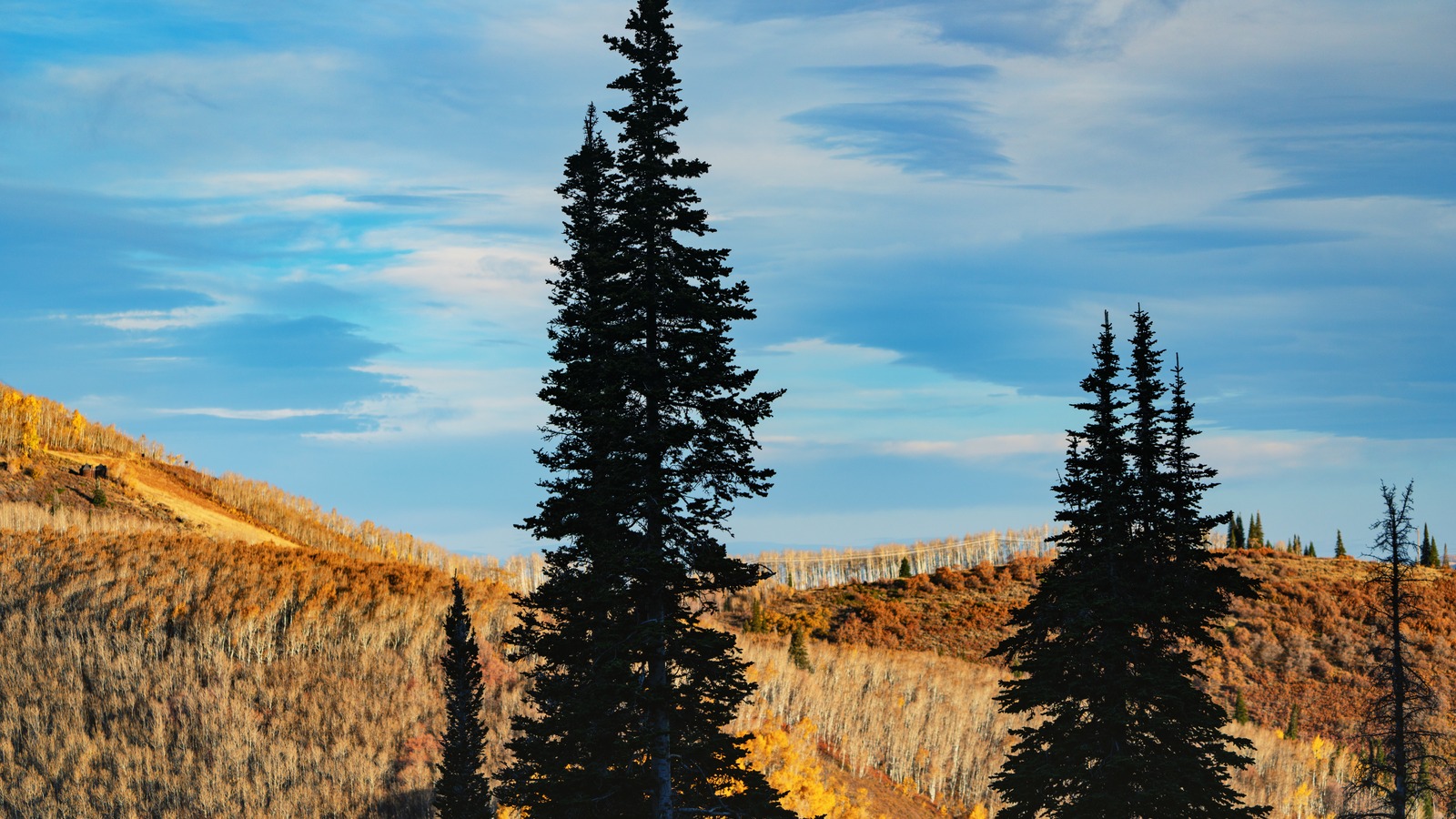
- Autumn trees in the Deer Valley mountains, October 2022. Photo: Deer Valley Mountains - Park City - Utah in Autumn / Tony Webster / CC BY-SA 2.0 · Cropped and resized to 16:9.
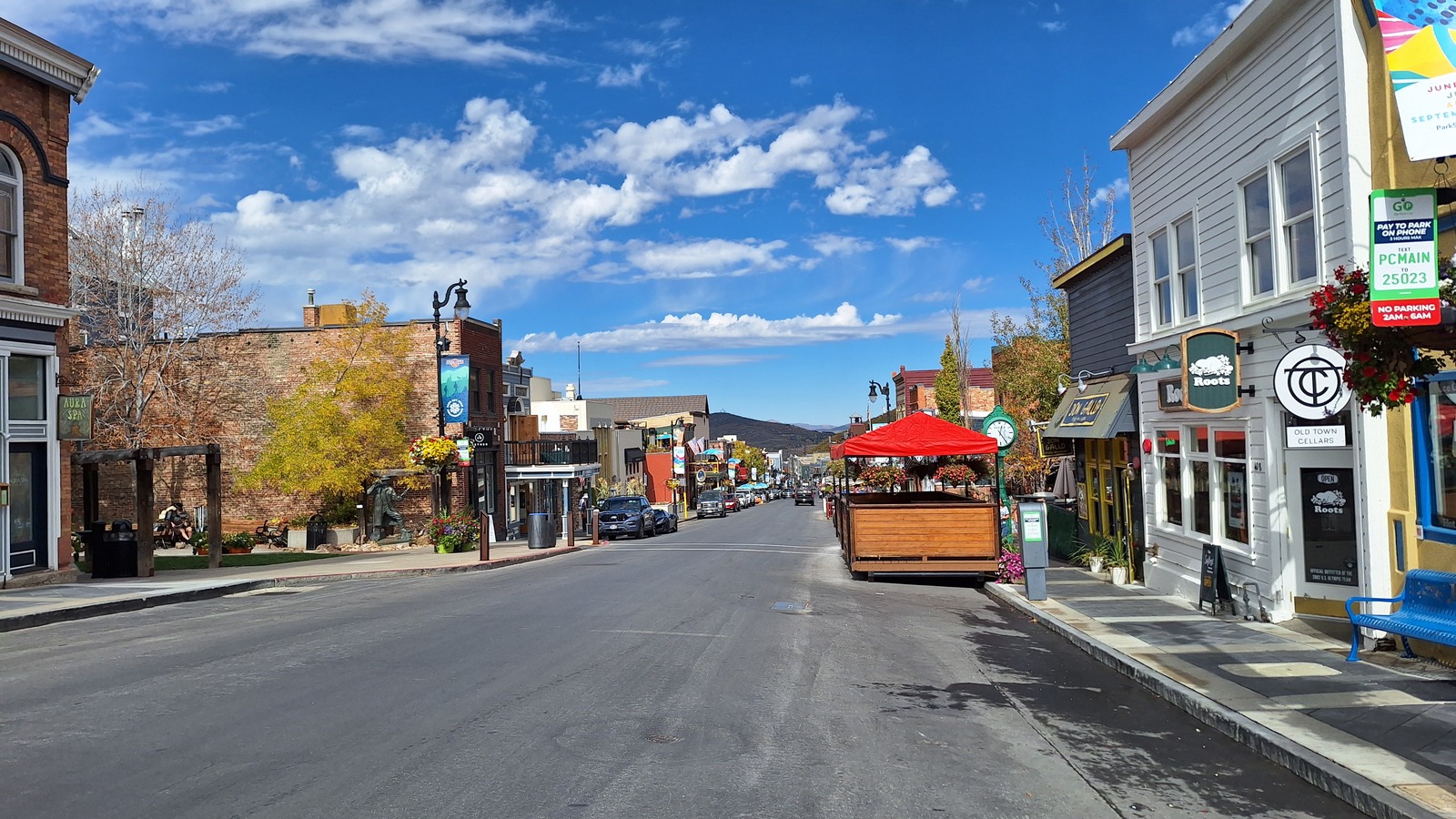
- A trolley on Park City Main Street, photographed in October 2026. Photo: Park City, UT_Cutler_20261006_122438 / Wendy Cutler / CC BY-SA 4.0 · Cropped and resized to 16:9.
Plan the complete trip