
Park City / Costs and outings
Park City on a Budget: Change the Trip Without Losing What Matters
Compare complete alternatives rather than collecting discounts that do not fit the trip.
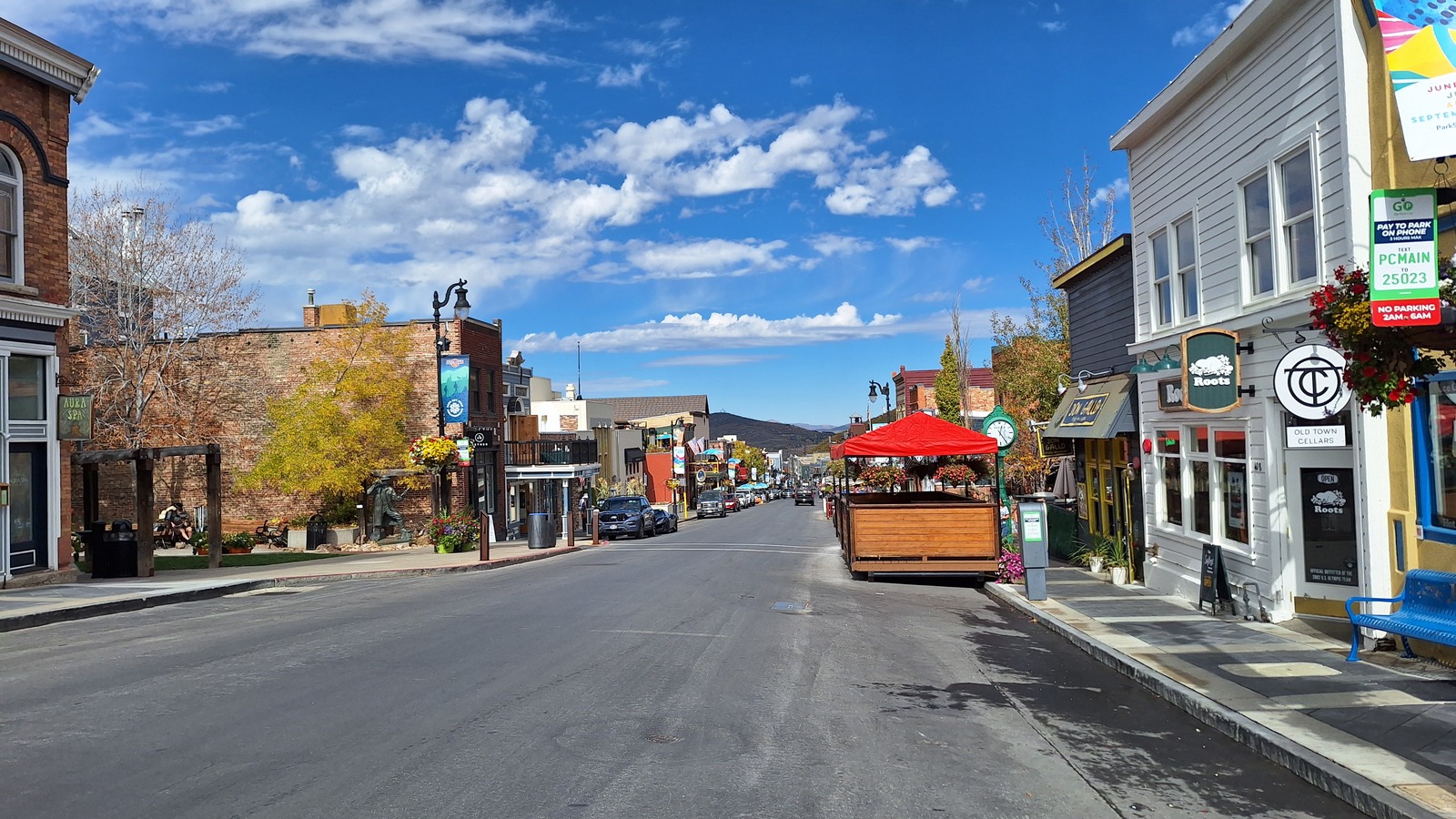
A trolley on Park City Main Street, photographed in October 2026. Photo: Park City, UT_Cutler_20261006_122438 / Wendy Cutler / CC BY-SA 4.0
Plan a trip that works
Budget choices in Park City
A less expensive Park City vacation starts with deciding which parts of the experience matter most. The largest useful changes often involve dates, lodging location, the number of paid activity days and whether the household needs a vehicle. Small savings can help, but they should not distract from a plan whose main components cost more than you want to spend.
This guide explores alternatives rather than assigning a universal cheap price to the destination. Use the Park City trip-cost worksheet to price one workable plan first, then compare the changes that would preserve the purpose of your vacation. The Park City vacation planner connects those choices with the actual neighborhoods, resorts and daily journeys.
Explore this guide
- Protect the few things that make the trip worthwhile
- Compare dates only within a suitable activity season
- Move the base only when the daily journey still works
- Compare the right amount of accommodation
- Remove a rental car only after testing essential trips
- Buy the ski experience the participant will use
- Build enjoyable days around low-cost or free-entry experiences
- Use the kitchen for the meals that are easiest to replace
- Compare gear and luggage as one decision
- Do not assume camping is the cheapest winter accommodation
- Check discounts against the actual eligible purchase
- Choose the alternative with the clearest worthwhile tradeoff
01 / Budget choices
Protect the few things that make the trip worthwhile

Write down the experiences the household would regret losing. That might be one good lesson, a particular event, time together in a comfortable condominium or an afternoon of snow play. Separating those priorities from optional extras makes it easier to reduce spending without creating a trip that nobody actually wants.
Ask each traveler rather than assuming the most expensive activity is everyone’s priority. A non-skier may care more about a walkable evening and a museum than about a premium mountain location. A child who wants tubing may not need several ski days, and another child may value one suitable lesson more than a packed list of attractions.
Set the spending limit for the whole household before comparing alternatives. A lower per-person figure can hide a higher total when more nights or activities have been added. Keep the actual number of people, nights and paid experiences visible so that the comparison reflects the amount you will spend.
Choose which requirements cannot change. An accessible entrance, a safe and suitable child-seat arrangement, approved accommodation for a dog or enough real beds may be essential. A cheaper option that fails one of those requirements is not a useful saving; it is a different product that does not meet the trip’s needs.
02 / Budget choices
Compare dates only within a suitable activity season
Flexible dates can create alternatives, but the activity calendar comes first. Park City Mountain’s 2026/27 opening target is November 20, weather permitting, while Deer Valley targets December 5, conditions permitting. A lower early-season room quote should not be treated as equivalent value if the resort or lesson you want is not operating.
The same principle applies to tubing. Soldier Hollow’s published season targets December 18, 2026 through March 13, 2027, weather dependent, and Woodward’s current page still carries an opening-update notice. A Thanksgiving stay cannot be priced as though a particular managed tubing experience is already confirmed.
Compare actual quotes for several dates that support the essential experience. Keep the room category, number of nights and cancellation terms as consistent as possible. This allows you to see a real date effect rather than comparing a refundable family unit on one weekend with a smaller nonrefundable room on another.
Do not assume a universal cheapest month or guaranteed quiet period. Events, available inventory and operating schedules can change the comparison. The seasons guide helps narrow suitable dates, including the important correction that the 2027 Sundance Film Festival is in Boulder, Colorado, rather than a Park City event to repeat automatically from older guides.
03 / Budget choices
Move the base only when the daily journey still works
A different lodging area can change the total substantially, but compare the entire routine. Old Town, Mountain Village, Canyons Village, Deer Valley and Kimball Junction offer different relationships to activities and services. A lower room quote may create more transfers, parking costs or effort with children and equipment.
Kimball Junction can be a practical area to investigate for groceries, services and access to the wider transit network. Newpark accommodation categories illustrate the need to compare the actual unit: a studio and a larger residence do not necessarily offer the same cooking or living arrangement. Do not label the area or property cheap without a current equivalent quote.
A broader rental search may include Heber, Midway, Hideout or the Jordanelle area. Those can be deliberate alternatives, but they are separate bases rather than interchangeable Park City neighborhoods. Include the road journey and any vehicle needed for the activities that drew you to the destination.
The where-to-stay guide provides the geographic comparison. Test the first morning, grocery run and return from dinner before accepting a more distant quote as a saving. If those journeys remain straightforward and the accommodation meets the household’s needs, changing the base can be a meaningful option rather than a compromise made blindly.
04 / Budget choices
Compare the right amount of accommodation
Pay for the space and facilities the group will use. A full kitchen may be valuable for a family preparing breakfast and several dinners, while a traveler who plans to eat out may prefer a different room arrangement. The presence of an amenity is not a saving unless it changes an expense or improves the experience in a way the household values.
Look closely at beds, bathrooms and shared living space. A unit advertised for a large maximum occupancy may rely on sofa beds or a layout that does not suit the actual group. Saving on a bedroom can become a poor trade if it prevents sleep or makes the shared space unusable every evening.
For two households traveling together, compare a shared residence with separate units using complete quotes. Include mandatory fees and the practical use of the kitchen, bathrooms and common areas. Agree how the cost will be divided before booking, particularly if the room sizes or preferred activities differ.
Direct rental managers can provide inventory beyond the most familiar booking platforms, but direct booking is not automatically cheaper. Compare the exact unit, dates and terms across legitimate channels, including cancellation and local support. The useful result is a suitable confirmed accommodation at an understandable total, not a general rule that one platform or manager always wins.
If sharing a larger property, also agree what happens when one household changes its plans. The booking may have one responsible payer and one cancellation policy even when several families contribute. Keep the payment arrangement and essential room assignments clear before treating a larger unit as the cheaper solution. A shared total can be attractive while still creating a practical problem if the group has not agreed how to handle a withdrawal or a different sleeping arrangement.
05 / Budget choices
Remove a rental car only after testing essential trips
A no-car stay can eliminate rental, fuel and parking expenses when the actual journeys work. Park City Transit and High Valley Transit provide public transport options, and High Valley Transit’s route network connects several useful areas. The budget decision should be based on the routes serving your accommodation and activities, not on the general statement that the destination has free buses.
Test the journey with the actual load and travelers. Lesson equipment, groceries, a stroller or a mobility aid create different handling demands. A fare-free route may still require more transfers than a solo caregiver can manage comfortably, while adults traveling lightly may find it useful. Compare a simpler base or an occasional prearranged ride before choosing a cheap room that creates the same difficult journey every day.
Include paid rides that remain necessary. Airport transfers, a distant snow-play outing or a late return may require a separate quote even if most local travel uses buses. Compare that full no-car total with the complete vehicle scenario rather than treating public transport as a promise of zero ground-transport expense.
The getting-around guide helps make this test concrete. If the family has a dog, the operator’s requirements can also change the choice: Park City Transit and High Valley Transit use different ordinary-pet rules. A lower transport budget is only useful if every essential passenger can actually complete the journey.
06 / Budget choices
Buy the ski experience the participant will use
For a beginner, the most useful purchase may be a suitable lesson day rather than the largest access product available. Compare the actual lesson, equipment and lift requirements for the participant’s age and sport. A cheaper headline ticket that does not fit the program can create an additional purchase instead of a saving.
Deer Valley is ski-only, while Park City Mountain offers skiing and snowboarding. Their pass arrangements differ, and owning an Epic or Ikon product does not establish access to every resort or date. Check the exact product and reservations before using a pass as the reason to choose a particular ski day.
If the household already owns a qualifying pass, distinguish the new trip cost from the amount previously paid. That can make the current vacation’s access spending lower, but it should not be described as free skiing for someone who would need to purchase the pass now. Compare the situation that actually applies to your group.
Avoid buying every day before a first-time participant has tried the activity unless the product and change terms make that commitment sensible for you. One good lesson followed by a non-ski day may suit a mixed-interest family better than several consecutive ski days. The first-ski guide explains the program and adult-supervision details that affect this decision.
07 / Budget choices
Build enjoyable days around low-cost or free-entry experiences
Utah Olympic Park identifies two complimentary museums in the Quinney Welcome Center. That creates a concrete cultural option, while its paid activities and tours remain separate. Choose the museum visit because the group is interested in the venue and winter-sports history rather than assuming every attraction at the park is included without charge.
Kimball Art Center offers free exhibition admission with an optional donation and welcomes all ages. Classes and camps are separately organized, so a free exhibition visit should not be represented as a free workshop. A short art visit paired with a suitable walk or meal can make a deliberate non-ski day.
Swaner’s general EcoCenter entry is free, with some special exhibitions carrying a fee. Its boardwalk, observation opportunities and accessibility information make it worth investigating for a nature-focused outing, subject to opening and pet restrictions. It is closed on Thanksgiving Day in the current calendar, so it cannot fill that particular holiday slot.
Round Valley’s winter trail system is free and multiuse, with grooming dependent on conditions. Use the current trail information to choose a permitted, suitable activity and account for any equipment you need. Free access is valuable, but it does not make a route appropriate for every ability, weather condition or form of snow recreation.
08 / Budget choices
Use the kitchen for the meals that are easiest to replace
Breakfast is often a practical place to reduce restaurant spending without sacrificing a meal the household particularly wants. Simple groceries can support an early lesson morning and avoid an extra journey before the day’s main activity. Confirm the unit’s actual refrigerator, appliances and utensils before relying on that plan.
Choose a small number of easy meals rather than buying ingredients for an ambitious full-week menu. A short stay can leave unused food, and cooking every evening may not match the vacation people expected. The goal is to replace the meals the household is comfortable preparing while preserving selected restaurant experiences.
Whole Foods Canyon Corners lists pickup and delivery services, but coverage, slots and charges need confirmation. For a no-car stay, compare delivery with the practical cost and effort of shopping in person. A large grocery order is not automatically a saving if it requires an expensive special journey or cannot be received at the unit.
Keep the holiday meal separate. Thanksgiving service, prepared-food availability and grocery deadlines can differ from ordinary operation. A simple, confirmed plan may provide better value than attempting a complicated meal in an unfamiliar kitchen, especially if it requires buying equipment or ingredients that will be used only once.
09 / Budget choices
Compare gear and luggage as one decision
Renting equipment can reduce the amount carried through airports and transfers, while bringing equipment can make sense for someone who already owns a suitable setup. Compare the complete costs on both sides: rental duration and collection location versus airline baggage, transport capacity and the effort of moving the equipment.
Airline rules are carrier-specific. Delta’s published policy describes ski and snowboard equipment and associated boot bags under particular size, weight and baggage conditions, but those details should not be generalized to another airline. Check the actual itinerary and packed load before deciding that bringing gear is cheaper.
For a first-time participant, avoid buying a complete personal setup solely because it appears to reduce one rental line. Equipment needs to suit the person and activity, and a first lesson may be the best way to learn whether they want to continue. Clothing decisions can also start with what the household already owns, provided it meets the activity’s requirements.
A rental provider’s location can change the value of a quote. A lower price at a distant collection point may add transport and morning complexity, while a convenient fitting may reduce that burden. Compare the equipment arrangement within the full lesson day rather than treating it as an isolated online purchase.
10 / Budget choices
Do not assume camping is the cheapest winter accommodation
An RV trip can be a preferred travel style, but it is not automatically a low-cost substitute for lodging. Include the rig’s rental or operating costs, fuel, campsite charges, winter equipment and the vehicle needed for daily outings. A campground outside Park City can also create a different journey from a town accommodation.
Seasonal access limits the available options. Jordanelle State Park’s campground season is not year-round, while winter cottages are a separate product from RV sites. Private operators may offer winter camping with specific rig requirements and services, but their pools or other facilities can still have separate seasonal schedules.
Family and pet rules can affect the suitable site. Mountain Valley RV Resort in Heber has an adult-only phase alongside family accommodation areas, and its pet policy prohibits leaving ordinary pets unattended in an RV. Those distinctions can change the workable plan and any care costs during a ski or town outing.
The RV guide explains the current candidates and limitations. Price the actual eligible site and complete daily routine before calling it a saving. If the household already owns a winter-suitable rig and enjoys the style of travel, the comparison may look different from that of a first-time renter buying equipment for one vacation.
11 / Budget choices
Check discounts against the actual eligible purchase
A promotion is useful only when it applies to the dates, people and product you intend to buy. Read exclusions, minimum stays and cancellation terms before comparing the discounted headline with another quote. A longer stay required to receive an extra night can still increase the total amount spent.
Passholder benefits also need a product-specific check. Park City Mountain advertises benefits through eligible Epic products, but the exact terms determine which purchases receive them. Do not assume that every restaurant, rental, lesson or booking channel participates simply because it is associated with the same destination.
A credit should be counted against a purchase you would otherwise make and that the credit actually covers. A dining or equipment credit has less value to a household that does not need the eligible service. Keep its use and expiry conditions visible rather than subtracting the headline amount automatically from the trip total.
Compare flexibility as well as the final number. A nonrefundable offer may be suitable for a fixed plan, while an uncertain early-season trip may benefit from different terms. The right choice depends on the household’s priorities and the actual contract, not a blanket rule that the lowest displayed rate is the strongest value.
Save the final promotion terms with the quote rather than relying on a headline screenshot. If the benefit requires a particular booking channel or payment timing, those conditions are part of the comparison. A discount discovered after making an ineligible booking may not be available retrospectively, so resolve the actual purchase path before committing.
12 / Budget choices
Choose the alternative with the clearest worthwhile tradeoff
After pricing the options, identify the change that produces a meaningful saving while preserving the trip’s purpose. That might be a different base, fewer paid activity days, a shorter stay or a kitchen-based meal routine. Make the tradeoff explicit so that everyone understands what changes and what remains important.
Test the revised itinerary as a whole. Removing a vehicle may require a different lodging address, and reducing ski days may create room for a museum visit or a relaxed food day. An effective budget change often alters several connected decisions rather than simply deleting one line from the worksheet.
Keep a modest amount of flexibility appropriate to your household and bookings. A plan that uses every available dollar before unresolved transport or food costs are known can become uncomfortable quickly. Mark unknowns honestly and decide how much unplanned spending the group can absorb before committing.
The final plan should still feel like a vacation the group wants to take. A smaller number of well-chosen experiences, practical accommodation and straightforward transport can support that goal. The useful measure is not how many discounts appear in the booking folder, but whether the confirmed trip fits the household’s budget and delivers the experiences it values.
Before you book
Questions before you book
What is the cheapest month to visit Park City?
There is no universal answer supported by a single calendar label. Compare actual equivalent quotes within the operating season for the experience you want.
Is staying outside Park City always cheaper overall?
Not necessarily. Add daily transport, parking and the practical journey before comparing a more distant lodging quote with a closer base.
Can we enjoy a trip with only one ski day?
Yes, if that suits the group. A suitable lesson or ski day can be combined with museums, art, food and condition-appropriate outdoor activities.
Are the Olympic Park museums and Kimball Art Center free?
The Olympic Park identifies two complimentary museums, and Kimball offers free exhibition admission with an optional donation. Paid activities, tours and classes remain separate.
Is an RV the budget choice for winter?
Only after pricing the full rig, campsite and daily journey and confirming winter eligibility and services. It is a different travel style, not an automatic saving.
Resources for your trip
Sources and useful links
- Park City Mountain 2026/27 winter announcement
- Deer Valley Hail Peak Express announcement
- Soldier Hollow tubing
- High Valley Transit routes
- Newpark accommodation categories
- Utah Olympic Park FAQs
- Kimball Art Center visitor information
- Swaner EcoCenter accessibility and visitor information
- Round Valley winter trails
- Whole Foods Market Canyon Corners store
- Mountain Valley RV Resort rates and site categories
- Mountain Valley pet policy
Source information checked October 19, 2026. No universal cheapest date, lodging rate or guaranteed saving is claimed.
Photograph credits and licenses
- A trolley on Park City Main Street, photographed in October 2026. Photo: Park City, UT_Cutler_20261006_122438 / Wendy Cutler / CC BY-SA 4.0 · Cropped and resized to 16:9.
- Whole Foods Market at Canyon Corners, photographed in October 2022. Photo: Whole Foods Market - Park City - Utah / Tony Webster / CC BY-SA 2.0 · Cropped and resized to 16:9.
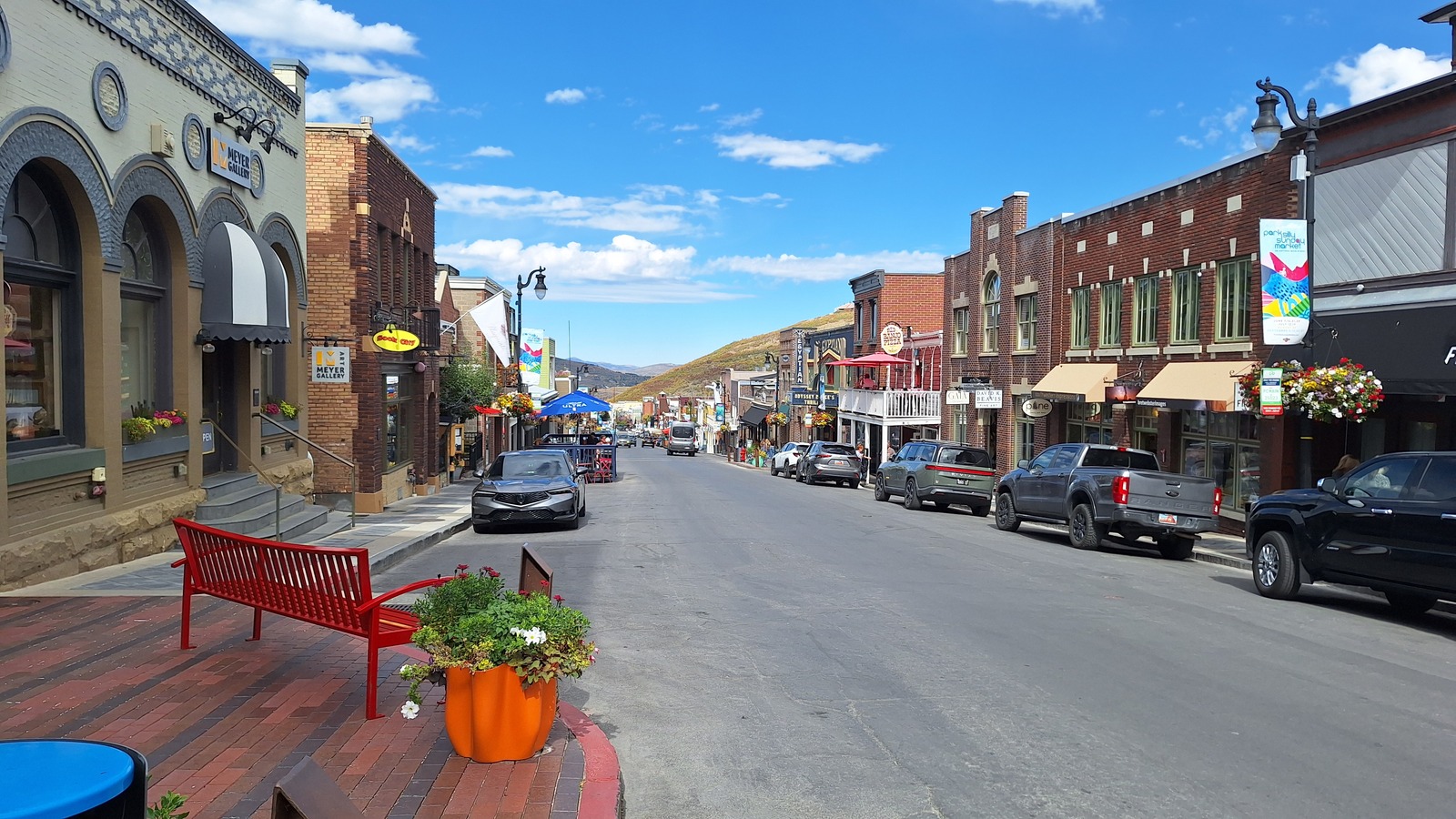
- Main Street and the Park City Museum frontage, October 2026. Photo: Park City, UT_Cutler_20261006_123457 / Wendy Cutler / CC BY-SA 4.0 · Cropped and resized to 16:9.
Plan the complete trip