

Cross-border packing system
International Travel Packing List
International packing is less about adding more clothes and more about removing single points of failure. Split documents, payment, medicine information, power, and arrival essentials so one lost bag does not stop the trip.
International packing is less about adding more clothes and more about removing single points of failure. Split documents, payment, medicine information, power, and arrival essentials so one lost bag does not stop the trip.
Fast read
What matters first
Use this page as the practical filter before you open booking pages, maps, or official policy documents.
Keep the critical layer with you
Passport, required visas, medicine, payment methods, phone, charger, and the first night of essentials belong in the personal item.
Build a second path
Carry two payment methods separately, save offline copies of reservations, and give a trusted contact a protected document copy.
Pack to the destination's rules
Check medication legality, plug type, entry requirements, weather, and baggage limits before choosing quantities.
Decision system
The planning sequence
Use the sequence below to decide how this should shape the trip.
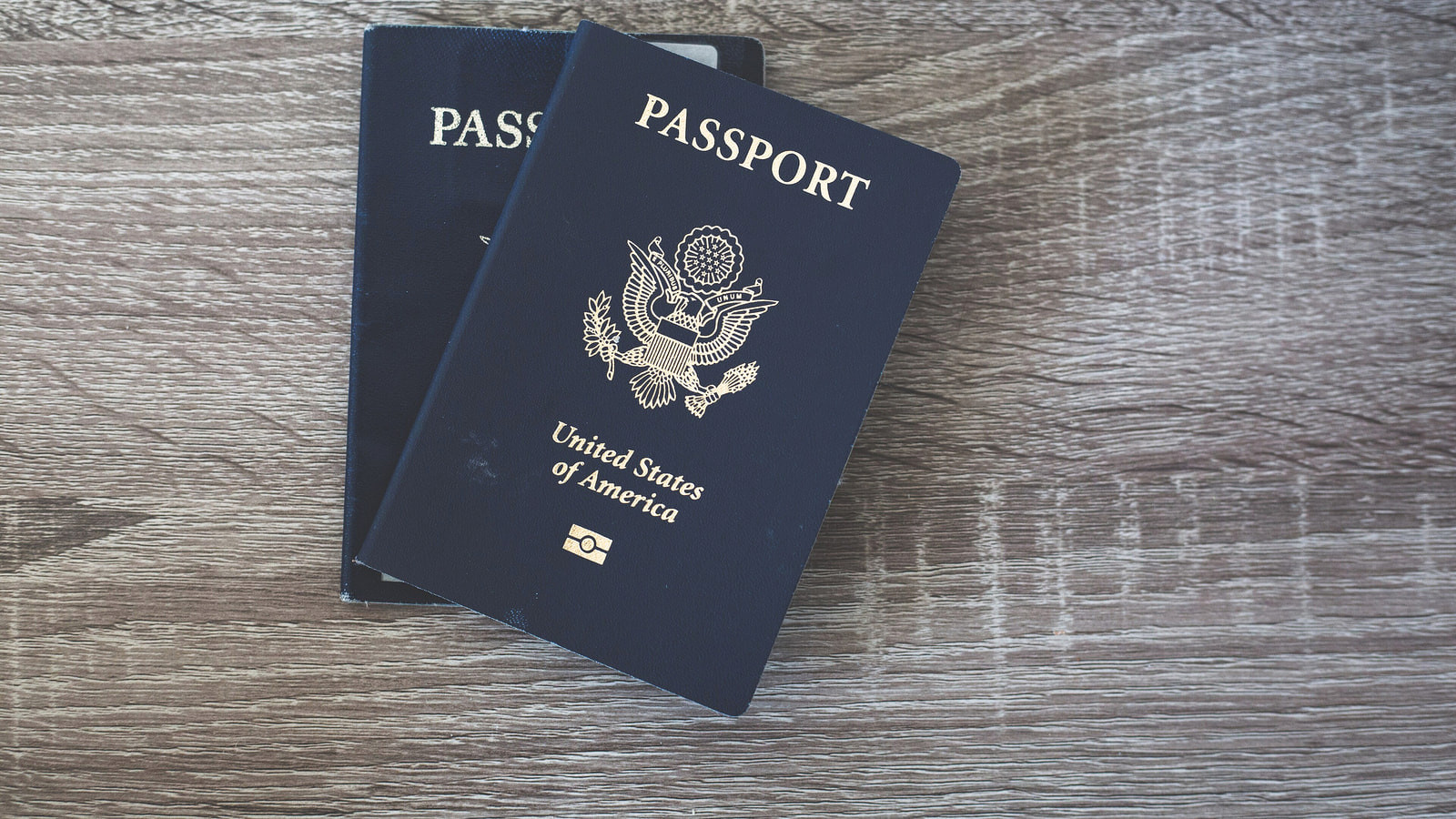
Kristin Hardwick, Wikimedia Commons, CC0; cropped and adjusted by Deep Arrival.
Route and planning context
Exact travel-document context for an international packing checklist
Use the visual as orientation, then confirm the current operating details through the official sources below.
Original packing layouts
Three suitcase plans you can copy
Use the diagram closest to the trip, then remove a cube if the case stops closing easily.
One week carry-on
A compact capsule with a protected critical layer.
Checked bag plus personal item
Split the failure-sensitive items from the replaceable items.
Multi-climate trip
Use compressible layers instead of duplicate outfits.
Troubleshooting
Fix the failure before travel day
| Problem | Likely cause | Bounded fix |
|---|---|---|
| Bag is overweight | Too many single-use outfits or full-size toiletries | Remove low-consequence clothing and decant permitted toiletries before moving essentials. |
| No data at arrival | Roaming or eSIM did not activate | Use saved offline addresses, tickets, and maps, then connect through a trusted network. |
| Card is declined | Issuer or terminal rejects the transaction | Use the separately stored backup and contact the issuer through its official app or number. |
Documents and entry proof
Carry the physical passport and any required visa, residence card, or travel authorization in the personal item. Confirm the destination's passport-validity and blank-page rules through official sources rather than a generic checklist. Save protected copies of the passport biographic page, entry approvals, insurance, and itinerary. Keep the copies separate from the original and leave a protected set with a trusted contact. Include the first lodging address and onward ticket where an arrival form may request them. A copy cannot replace a passport, but it can support reporting and replacement.
Medicine and health records
Pack enough prescribed medicine for the trip plus a reasonable delay, in original labeled containers when feasible. The U.S. Department of State warns that some medicines that are legal at home may be illegal abroad, so check the destination embassy or health authority before travel. Carry a prescription or clinician letter when appropriate, using the generic medication name. Keep medicine in hand luggage and preserve temperature controls. The CDC also recommends a destination-specific health kit rather than assuming the same pharmacy products and strengths will be easy to find.
Airport screening and liquids
The standard United States carry-on liquids rule applies to ordinary toiletries, but TSA permits larger quantities of medically necessary liquids after they are declared for separate screening. Keep medicines easy to remove and do not bury them under clothing. Outside the United States, screening rules can differ, so check each departure airport. Pack only the toiletry amount the trip needs, place possible leaks in a sealed pouch, and move full-size nonessential products to checked baggage when allowed. A small refillable kit is easier to inspect and repack during connections.
Payments without a single point of failure
Bring at least two payment methods from different accounts or networks when practical, and store them in separate places. Tell the issuer about travel only if the issuer still requests it. Keep a modest amount of arrival cash for transit, tolls, or a machine that rejects a foreign card. Record the card issuer's international contact method without writing the complete card number in an exposed note. Use an account alert for unexpected transactions and avoid carrying every card from your wallet. The goal is access, not a thick backup stack.
Phone, power, and offline access
Confirm whether the phone is unlocked and choose roaming, an eSIM, or a local SIM before departure. Save the hotel address, transfer instructions, insurance number, and key tickets offline. Match the plug adapter to every country and verify whether each device accepts the local voltage. Most modern phone and laptop chargers accept a broad voltage range, but hair tools and specialty appliances may not. Pack a compact power bank in hand luggage under airline battery rules. Test the cable, adapter, and charger together at home.
A compact clothing system
Choose a base palette so every top works with every bottom, then add one weather layer and one destination-specific item. Pack for the next realistic laundry point rather than every day of a long trip. Wear the bulkiest shoes and limit extra footwear to a genuine activity need. Include a light sleep set, underlayers, and one change of clothes in the personal item. Check local norms for religious sites, formal venues, and sun exposure. A flexible capsule handles more situations than a suitcase of isolated outfits.
The first 24 hour layer
Assume the checked bag is delayed and the airport data connection fails. In the personal item, keep identity documents, medicines, one clothing change, basic hygiene items, charging gear, payment, and the exact arrival address. Add a pen and an empty water bottle. If traveling with another person, split a small portion of each traveler's essentials between carry-ons. This layer should be light enough to keep under control in a crowded terminal. It is a continuity plan, not a second full suitcase.
A final departure check
Two days before travel, lay out the critical items and verify expiry dates, names, reservation dates, and country sequence. Charge devices, download offline maps, and confirm baggage size and weight. Photograph the packed bag and its identification tag without showing the image publicly. On departure day, use a short physical check: passport, phone, wallet, medicine, and keys. Everything else can usually be replaced. If the bag is overweight, remove low-consequence clothing before moving medicines or essential documents out of hand luggage.
Planning traps
Mistakes to avoid
These are the small decisions that quietly derail an otherwise good plan.
A common prescription at home can be restricted abroad, so verify legality and documentation before departure.
Separate the backup so one lost wallet does not remove all access to money.
Save the lodging address, transfer details, and critical documents offline before the flight.
Leave room for health, power, weather, and document needs that carry greater trip consequence.
Sources checked
Official and supporting references
Use these references to confirm live prices, dates, rules, and operating details before money changes hands.
Staying over? Compare hotels for this trip at Expedia.
Deep Arrival earns a commission when you buy through partner links. It does not change the price you pay.
FAQ
Common planning questions
What should always go in my personal item?
Should I carry a copy of my passport?
Can prescription medicine go in a carry-on?
How many payment methods should I pack?
Do I need a voltage converter?
How much clothing should I bring?
Continue planning