
Mammoth Lakes / Start here
Mammoth Lakes Vacation Planning Guide
Build the whole mountain holiday around the people traveling with you.
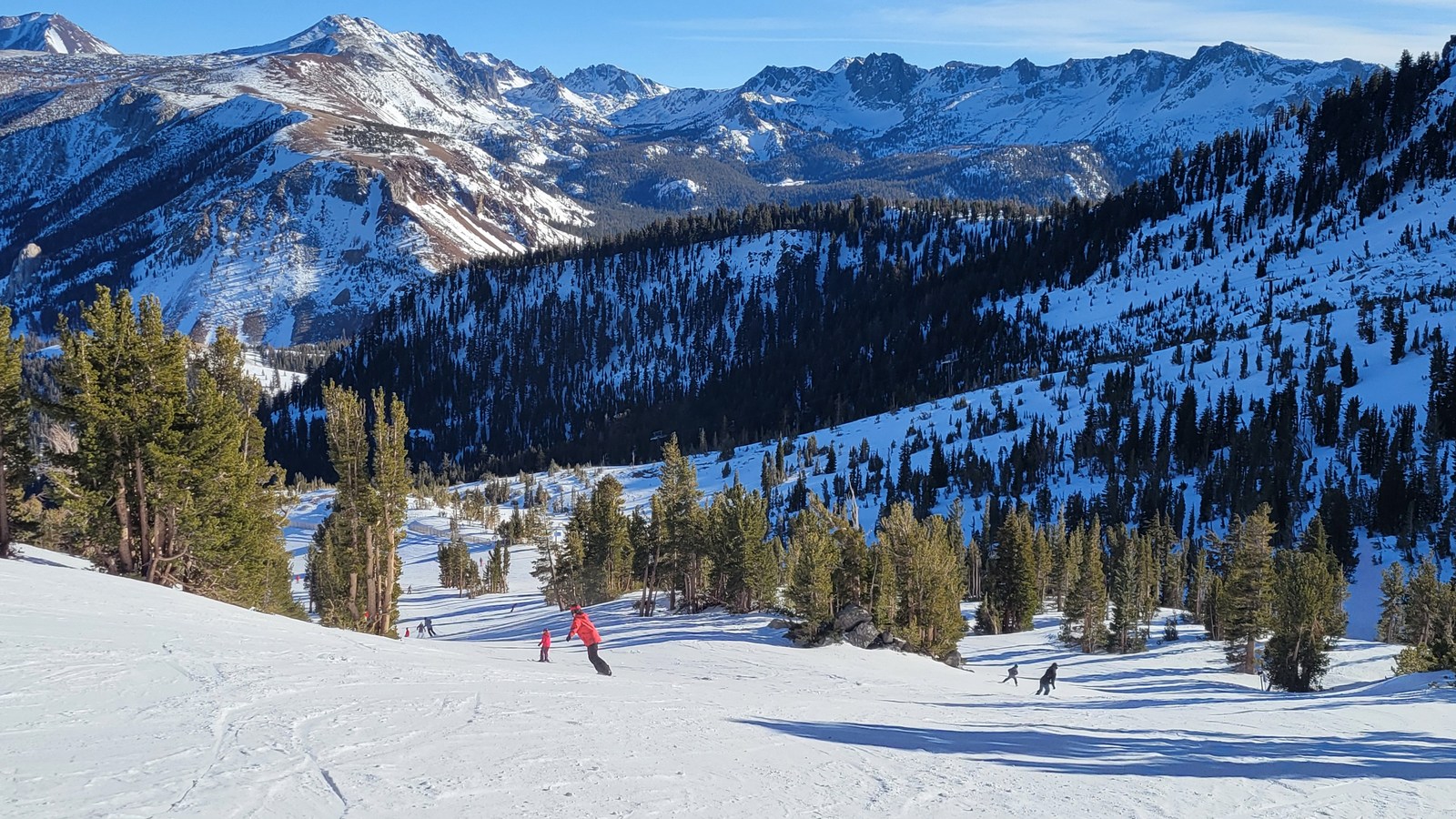
Ski terrain at Mammoth Mountain in January 2025. Photo: Mammoth Ski Run / Michael Kwok / CC BY 2.0
Plan a trip that works
Trip planner in Mammoth Lakes
Mammoth Lakes works best when you plan the town, the mountain and the rest of the holiday together. Mammoth Mountain supplies the ski resort, with several base lodges serving different approaches. The Village is a dining, lodging and gathering area connected seasonally to Canyon Lodge by gondola. Old Mammoth and other town neighborhoods offer another mix of condos, groceries and restaurants. The Lakes Basin brings a different setting again. A property described as being in Mammoth can fit one of these daily routines much better than another.
Start with what the household wants to do on an ordinary day. Skiers may want an easy lesson meeting point. Children may want tubing, a short snow outing or an indoor afternoon. A dog creates a care and transport plan of its own. Someone cooking most meals will value a useful kitchen and grocery access differently from a couple eating out. The right base is the one that makes those needs work together, not simply the property with the closest mountain photograph.
This planner connects the decisions in booking order, from dates and lodging through arrival, food, activities and cost. It also separates announced seasonal plans from guaranteed operation. Snow, road conditions and individual bookings remain important in Mammoth, including during Thanksgiving and the transition between winter and summer.
Explore this guide
- Choose dates around the trip you actually want
- Understand Main, Canyon, Eagle and the Village
- Choose lodging by the actual household routine
- Plan a dog trip as its own set of permissions
- Compare airports and the final ground journey
- Decide whether you need a car each day
- Give children a holiday beyond the ski lesson
- Build the first ski day around one meeting point
- Organize groceries, meals and a holiday dinner
- Compare the complete cost and keep useful alternatives
- Put the decisions into a manageable schedule
01 / Trip planner
Choose dates around the trip you actually want
For a ski holiday, begin with the intended activity and then look at the operating calendar. Mammoth Mountain’s announced opening day is November 13, 2026, subject to conditions. That announcement does not mean every base, lift, lesson location or non-ski attraction opens together. A booking near a later-opening base can still be a good choice, but only if the daily journey to the operating facilities makes sense.
Thanksgiving is especially sensitive to these distinctions. Woolly’s Adventure Summit and its tube park announce a November 20 opening, while the separate Snow Play product is scheduled for December 19, 2026, weather permitting. Tubing has a 42-inch minimum and one rider per tube. A shorter child cannot be assumed eligible because a parent can accompany them to the attraction. Build a holiday with options that suit every child’s actual eligibility.
Use the Thanksgiving guide for the dated holiday plan and the seasons and events guide for broader comparisons. A summer lake trip needs different access assumptions from a winter ski week, while a shoulder-season stay may offer a quieter town with fewer scheduled activities. Decide which two or three experiences are essential before accepting the tradeoff of a particular travel date.
| Trip priority | First decision | What to confirm |
|---|---|---|
| First ski holiday | Lesson base and operating dates | Age group, meeting point and rental pickup |
| Children seeking snow play | Activity eligibility | Height, opening date and a non-snow alternative |
| Condo holiday with a dog | Exact unit and care plan | Animal permission, transport and unattended rules |
| Car-free stay | Arrival and daily connections | Airport transfer, route dates and grocery journey |
| Summer mountain escape | Open road and activity access | Seasonal closures, bookings and dog rules |
A flexible itinerary also needs flexible reservations. Review what can be changed separately: lodging, lessons, flights, transfers and a special dinner can all have different terms. Avoid making every day depend on the same weather-sensitive activity. A useful trip has a satisfying version even if one planned mountain outing cannot happen.
02 / Trip planner
Understand Main, Canyon, Eagle and the Village
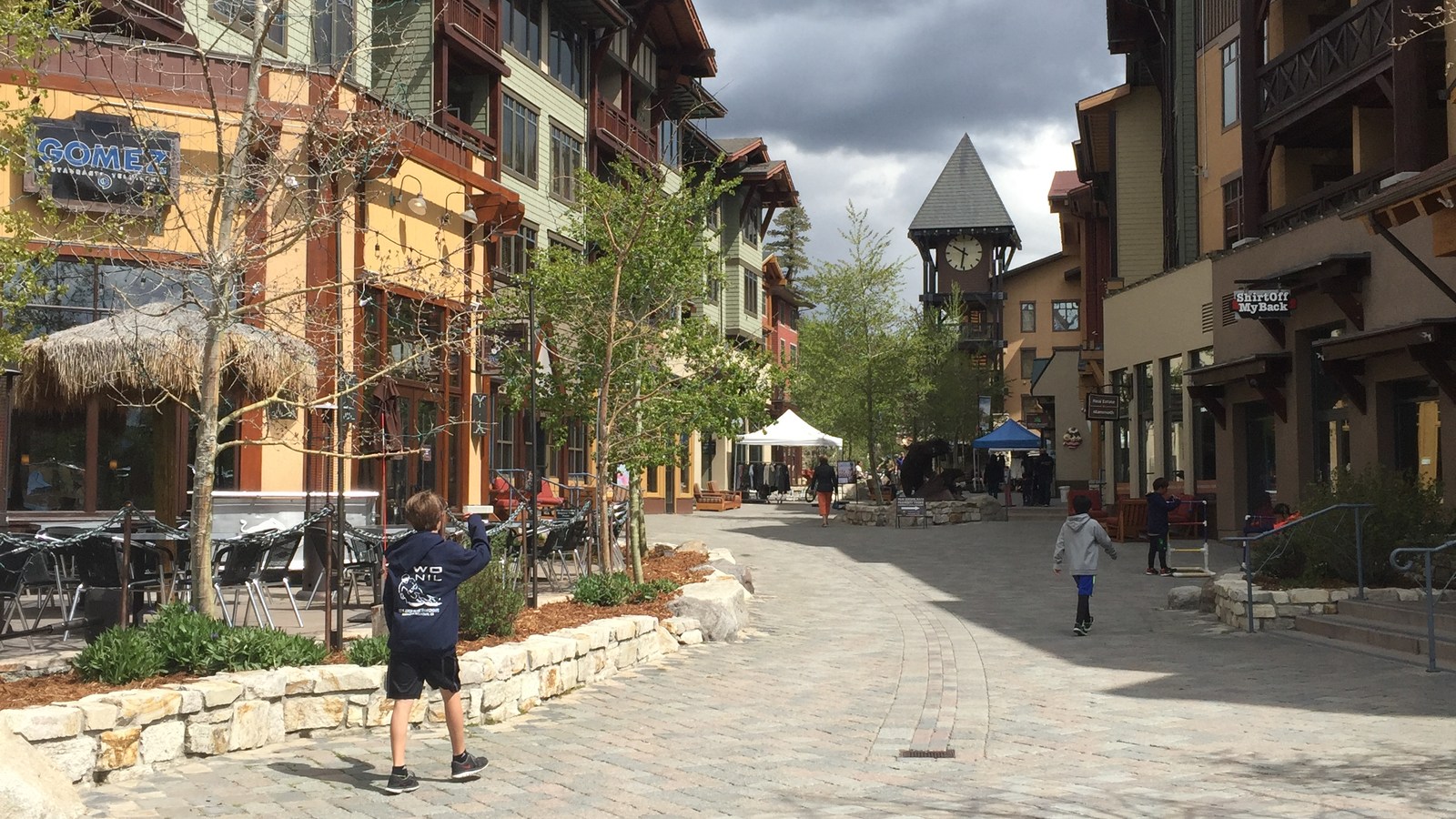
Mammoth Mountain’s base-lodge information is the starting point for matching lessons, rentals and access. Main Lodge sits beside the Mammoth Mountain Inn and is the departure area for the Panorama Gondola. Canyon Lodge and Eagle Lodge serve different approaches to the same ski resort. The Village Gondola connects the Village with Canyon. It does not connect the Village directly to Main Lodge or replace every journey around town.
The Village suits travelers who want restaurants and a common meeting place close to their accommodation. Its advantage depends partly on whether the gondola and Canyon facilities are operating for the dates and activities you need. Main Lodge can suit a trip centered on a Main lesson or early-season mountain access, but the evening journey to town deserves attention. Eagle-area lodging may fit an Eagle-based ski routine while being less useful if the chosen lesson operates elsewhere.
The Lakes Basin is another setting, not an extension of the Village’s pedestrian core. Tamarack offers lodge rooms and cabins near Twin Lakes, with different winter access and evening arrangements from a town condo. Snowcreek likewise describes a broad collection of residences and lodging operations rather than one uniform hotel. Compare the exact building, operator and address. The base-area comparison explains how these choices change a full day.
Before booking, test one realistic morning and evening from the proposed address. Identify where equipment is collected, where lessons meet, how a non-skier returns to the lodging and where dinner happens. If the same person must shuttle everyone between incompatible meeting times, change the base or simplify the schedule. A location that saves one ski walk can still add several other journeys.
03 / Trip planner
Choose lodging by the actual household routine
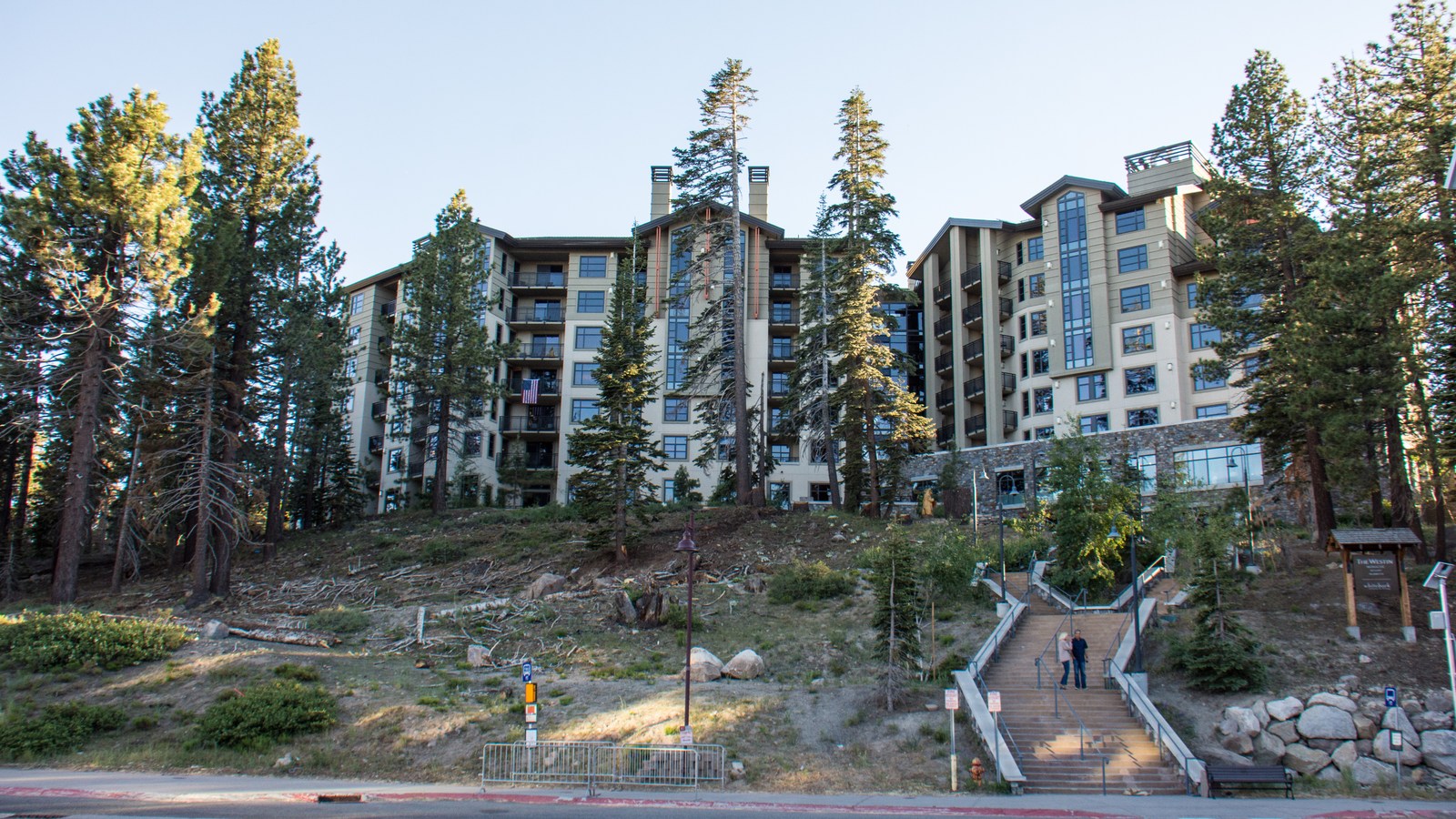
For a hotel or resort stay, start with a concrete shortlist by setting. The Village Lodge offers condo-style accommodation in the Village. The Westin Monache sits in the Village area with suites. Mammoth Mountain Inn is at Main Lodge, Juniper Springs Resort is associated with the Eagle base, and Tamarack offers its Lakes Basin setting. These are different products, not interchangeable names for a room beside the same lift.
A family planning breakfast, snacks and several dinners at home should examine the kitchen and dining arrangement rather than just the bedroom count. A couple using restaurants may value reception, walkable dining and an easier late arrival more highly. A group with older relatives should ask about steps, lifts, the exact parking approach and bedroom access. Photographs can suggest a layout but cannot establish that the route will work with luggage, snow or mobility equipment.
The where-to-stay guide compares these choices across the town and resort. After choosing an area, use the condo and vacation-rental guide to evaluate the unit itself. Check the bed arrangement, bathroom access, laundry, cooking equipment, heating and space to dry outerwear. A loft may add sleeping capacity without offering the privacy or stair arrangement the group expects from a separate bedroom.
Ask who actually manages the reservation. Two units in the same complex can have different furnishings, service arrangements, pet permissions and cancellation terms. The rental-company comparison distinguishes operators and the checks that matter when booking direct. Save the exact unit identifier with the confirmation so an attractive complex photograph does not become the only shared understanding of what you rented.
04 / Trip planner
Plan a dog trip as its own set of permissions
Pet-friendly lodging is only the beginning of a Mammoth dog holiday. The Village Lodge does not allow pets, while the Mammoth Mountain Inn offers pet-friendly accommodation. Tamarack’s dog accommodation applies to cabins rather than its lodge rooms. Rental managers may permit animals only in specifically designated units. Confirm the intended dog in the exact reservation rather than relying on the complex name.
During winter, Mammoth Mountain excludes ordinary dogs from slopes, lifts and gondolas under its published pet policy. Summer Panorama access is different after the ski and snowboard season has ended. A dog-friendly room near a gondola therefore does not make that gondola part of the dog’s winter day. Decide who provides care during skiing, lessons, indoor meals and activities where the animal cannot join.
The travel-with-dogs guide helps build that daily plan. The pet-friendly condo guide then addresses unit approval, limits, unattended rules and useful layouts. If the dog cannot be left alone, the schedule needs an adult or an accepted care booking, not an assumption that a crate changes the accommodation policy. Treat any care provider as a separate reservation requiring its own suitability and availability checks.
Transport adds another permission. ESTA permits well-behaved pets under its muzzle-and-leash or carrier rule, while Mammoth Taxi excludes pets from shared SUVs and directs guests to private arrangements. Neither establishes airline eligibility. Use the pet transportation guide to check the entire chain from airport to unit entrance and the daily journeys after arrival. Confirm child seats and animal equipment together when the party includes both.
05 / Trip planner
Compare airports and the final ground journey
Mammoth Yosemite Airport and Bishop Airport are different arrival choices, with different carriers and ground journeys. Visit Mammoth’s current flight information describes United service at Bishop and Advanced Air at Mammoth Yosemite. The destination has announced year-round Bishop service to San Francisco, but schedules and frequencies vary. Search the exact dates rather than carrying a winter route assumption into a spring or autumn holiday.
The closest airport is not automatically the easiest complete itinerary. Compare the originating airport, connection, arrival time, baggage terms and onward vehicle. A convenient flight becomes less convenient if the last ground connection does not suit the family or the chosen lodging address. Ski bags, strollers, pet carriers and child seats must fit the entire journey, not only the airline allowance. Obtain a transfer quote for the full party before finalizing the flight.
The airport guide separates the regional options and ground connections. For a car-free stay, confirm how the transfer reaches the accommodation and what happens if the flight is delayed. A scheduled service to town may involve a different final leg from a private vehicle approved for your address. Make the return booking equally specific, especially if departure requires leaving before the local daytime network is useful.
Do not assume that an overnight in another city is wasted travel time. If an arrival creates a difficult late mountain drive, an appropriate stop can change the practical quality of the whole trip. Compare the extra room with fatigue, winter conditions and the ability to collect groceries or reorganize luggage. Choose the sequence that the actual travelers can manage, then protect it with realistic connections.
06 / Trip planner
Decide whether you need a car each day
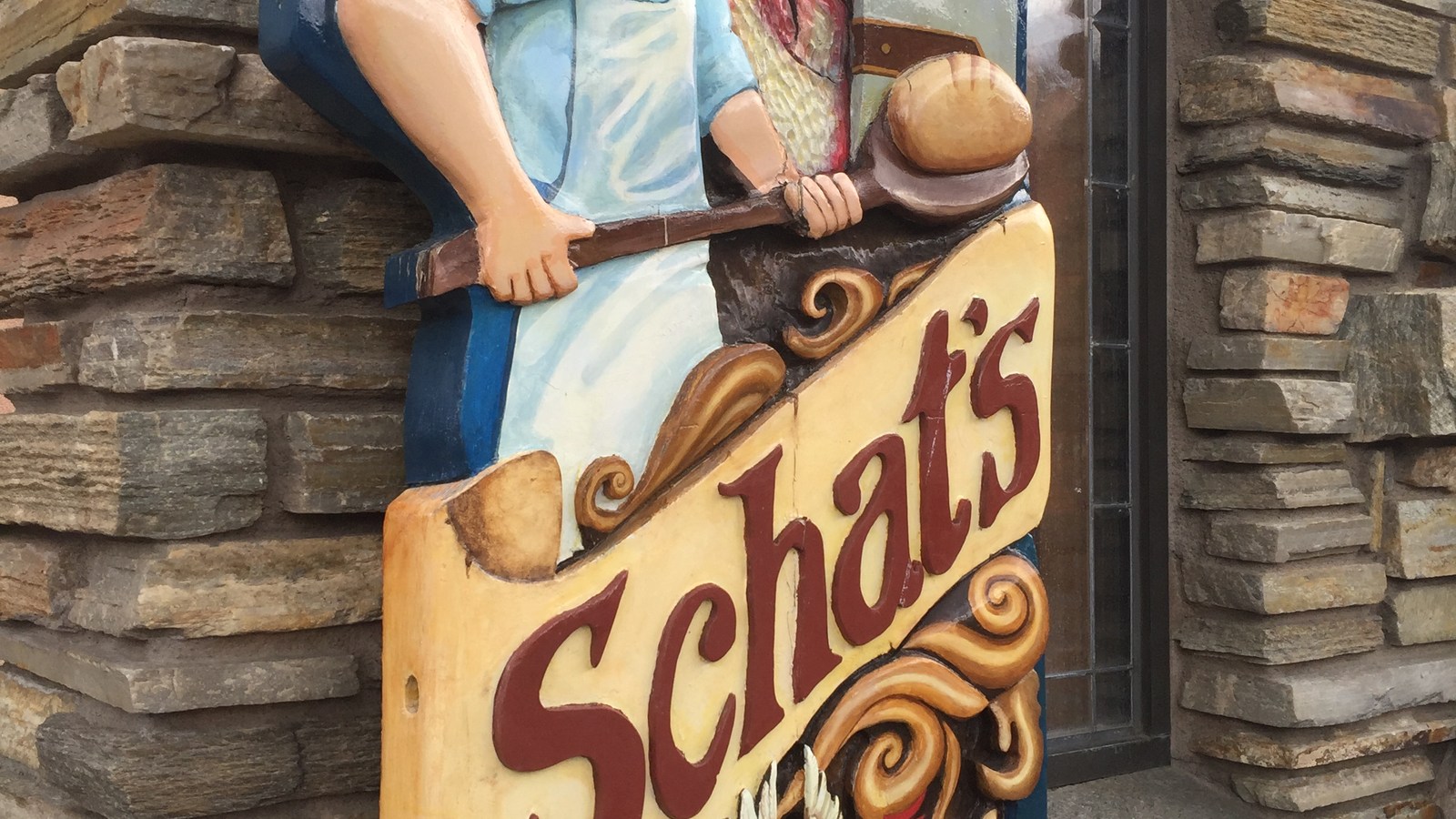
A no-car Mammoth holiday can work when the lodging, activities and operating buses line up. ESTA’s winter routes include seasonal mountain services as well as year-round routes. Check the current route and dates for the exact journeys you need. Do not assume a winter map means every service is running during an early-season week or that a daytime connection continues after dinner.
The getting-around guide is about these daily movements: walking, buses, luggage, groceries and the return from an activity. Before choosing a no-car base, locate the relevant stop and consider the actual approach from the building. A short distance on a map may still involve a hill, snow, steps or several bags. Reduce the number of transfers for a party with young children or an animal.
Driving creates flexibility for groceries and outings, but it also creates winter preparation and parking responsibilities. Caltrans chain controls can affect the journey even when the vehicle has all-wheel drive. Use the driving guide for route planning and equipment, then check current road conditions before departure. Do not build a winter itinerary around an attractive summer crossing that may not be available.
An RV is a separate lodging and transport decision. Mammoth Mountain RV Park advertises year-round operation, while nearby public campgrounds have seasonal closures and different facilities. The RV and campground guide distinguishes actual operators and winter service limits. A summer campground listing or large resort parking lot is not evidence of a permitted winter overnight stop.
07 / Trip planner
Give children a holiday beyond the ski lesson
Children who want snow may mean building something, sliding briefly, riding an attraction or simply seeing it from a warm place. They may not want a full ski day. Start with the experience they will enjoy, then check the activity’s age, height, weather and clothing requirements. The young-children guide helps organize short outings, meals and rest without making every adult follow the same schedule.
For organized tubing, Woolly’s Tube Park requires riders to be at least 42 inches tall and use separate tubes. Its planned opening does not establish operation in every weather condition. The distinct Snow Play area has a later announced opening for 2026. Use the sledding and tubing guide before promising a younger or shorter child a specific attraction.
Informal snow play also needs judgment about the location. A snowbank beside traffic, a condo driveway or a plow route is not a substitute for a suitable recreation area. Look at the runout and current signs, keep clear of roads and respect property rules. A short outing with dry clothes and a warm return plan can be more successful than trying to extend a tired child’s time outdoors.
Keep at least one indoor option that fits the actual date. Mammoth Rock N Bowl combines bowling with other entertainment and dining, while the library and town recreation facilities have their own schedules and programs. These are useful alternatives only when the relevant session or venue is operating. The things-to-do guide separates named options from assumptions about an all-season timetable.
08 / Trip planner
Build the first ski day around one meeting point
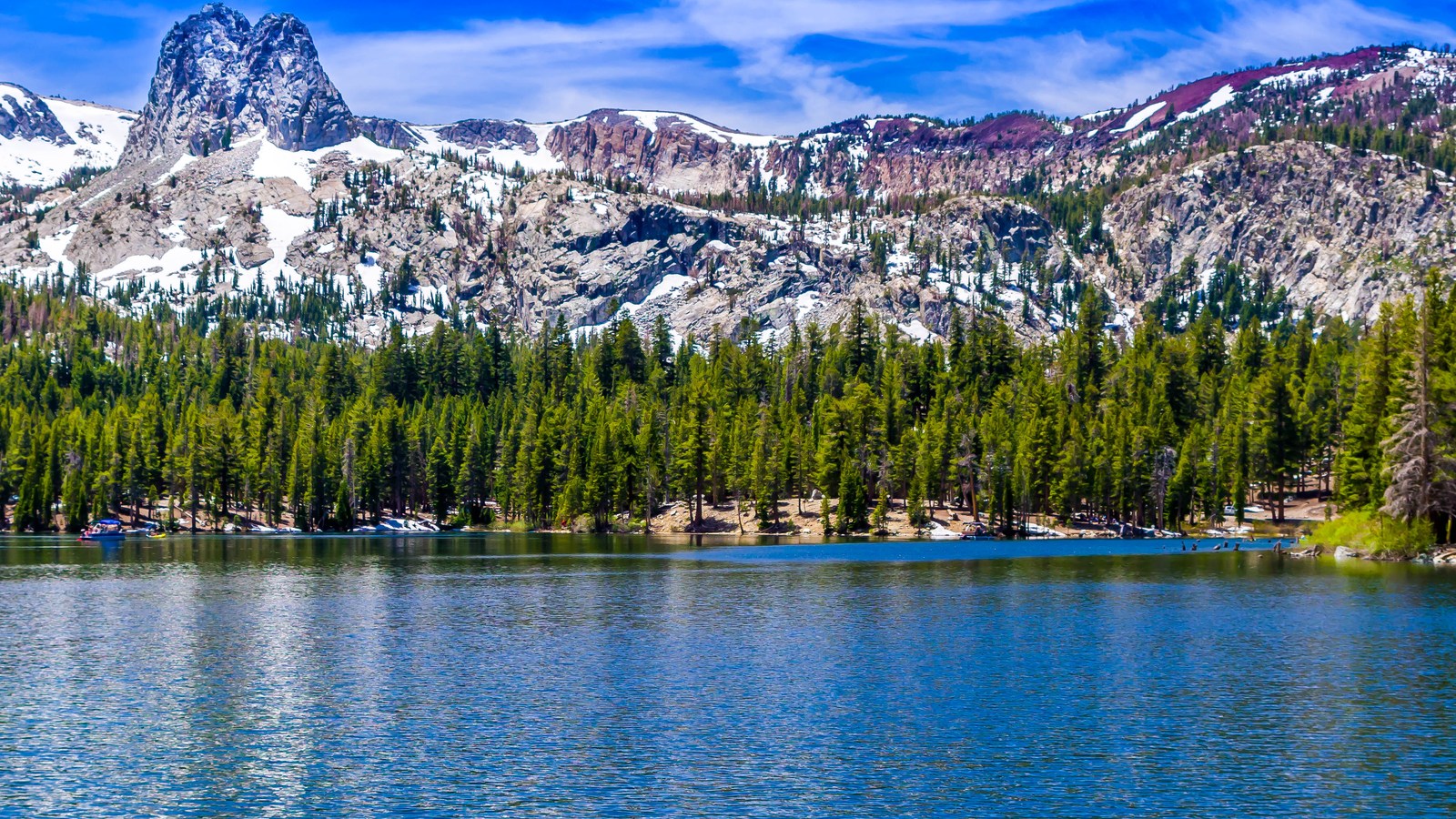
Mammoth’s ski and snowboard school offers different age groups and products at different locations. Choose the lesson before arranging the rest of the morning. Confirm the participant’s age and ability, the base, check-in requirements and what the purchase includes. Rental equipment, lift access and supervision should be explicit rather than inferred from the word lesson.
The first-ski-trip guide connects these decisions with rentals, clothing and the rest of the family. If one child attends a lesson and another does not, identify the accompanying adult’s practical day and meeting place. Avoid placing a second timed activity at another base unless the transfer has a comfortable margin. The first morning is easier when the household has one clear departure and one known destination.
Passes also require exact product checks. An Ikon product, an ordinary lift ticket and a beginner-specific ticket can have different access and restrictions. Do not assume a ticket grants every activity or that a child’s free eligibility removes the need for an issued ticket. Check the current product, dates and applicable terrain. Existing pass ownership can influence the budget, but it should not force a beginner into an unsuitable lesson plan.
Pack to keep the learner comfortable rather than adding unnecessary equipment. Suitable layers, dry replacements and a way to manage wet gloves help the entire day. Ask the rental provider what is supplied and where collection occurs. If gear is collected separately from the lesson base, include that journey in the morning plan instead of treating it as a quick errand with no timing consequences.
09 / Trip planner
Organize groceries, meals and a holiday dinner
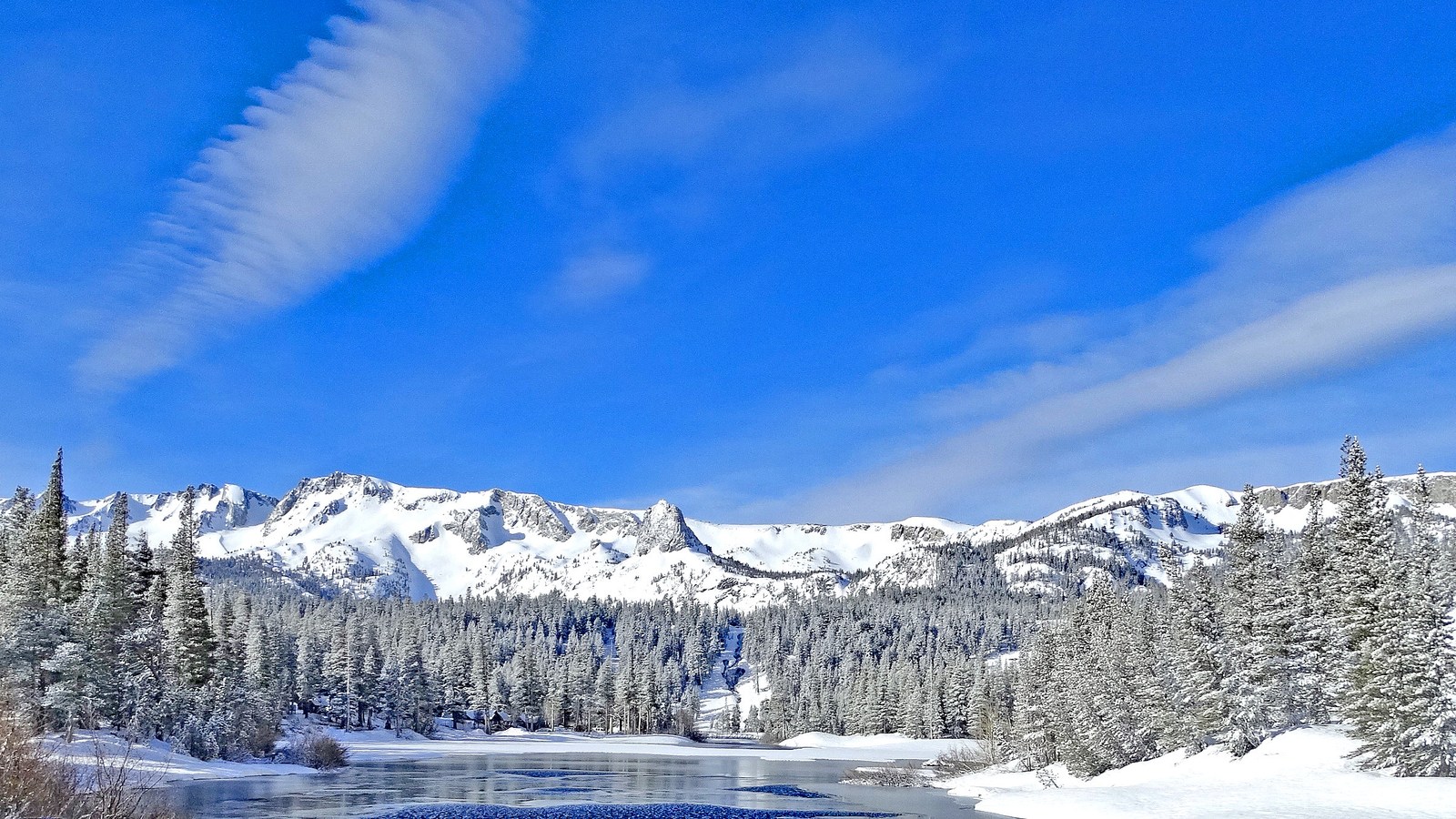
A useful meal plan begins with arrival night. Decide whether the household will eat out, collect food or cook, and ensure the choice survives a delayed arrival. Vons at 481 Old Mammoth Road offers groceries and related services, with pickup and delivery depending on the actual address and available slots. Do not assume the grocery, pharmacy and delivery schedule are identical. A compact first-night shopping list is easier than organizing the entire week while everyone is tired.
The food guide compares specific choices by setting and meal. The Stove serves breakfast and lunch on Old Mammoth Road, Roberto’s offers Mexican food in the same broader town corridor, and Toomey’s is a Village-area option with a different menu. On-mountain and resort restaurants belong to their own operating schedules. Choose a place near the end of the day’s activity rather than crossing town simply because a restaurant appeared on a generic list.
For Thanksgiving, use the resort’s current dinner information and the exact venue’s booking details. An announced restaurant name is not proof of a reservable holiday menu. Confirm seating, children’s meals, dietary suitability, pickup arrangements and the transport home. If preparing dinner in a condo, verify the kitchen equipment and refrigerator space before buying ingredients for an elaborate meal.
A grocery budget should include what you will actually use. A kitchen can make breakfast and snacks convenient, but it does not automatically make a rental cheaper after cleaning charges, supplies and transport. Plan a small number of realistic meals and leave room for changes. A family that cooks twice and eats out otherwise needs a different shopping and equipment plan from a group cooking every night.
10 / Trip planner
Compare the complete cost and keep useful alternatives
Build the trip-cost worksheet with real quotes for lodging, travel, local transport, tickets or lessons, food, equipment and the extras your household needs. Enter the amount paid by the group before dividing it among travelers. Separate refundable deposits from actual trip charges, and show what remains unquoted. A small nightly rate can be misleading if it excludes mandatory charges or requires a costly daily transfer.
The Town of Mammoth Lakes’ rental tax guidance identifies a 15 percent transient occupancy tax and 1 percent tourism business improvement district assessment on taxable rental charges. Some provider pages retain older percentages. Use the current official rule and the actual quote, including how mandatory charges are treated, rather than building a budget from an outdated headline rate.
For savings, change a decision that reduces the total. That might mean fewer paid activity days, a different base, a more practical kitchen or a travel date that fits the household’s flexibility. The budget alternatives guide focuses on these substitutions rather than simply repeating the cost worksheet. Protect the experiences that matter most and avoid a lower accommodation price that creates expensive or exhausting daily travel.
A day trip can be worthwhile when it adds something distinct, but it also consumes time and transport. The day-trip guide separates nearby places from seasonal road access and winter limitations. Devils Postpile, the Lakes Basin and Mono Lake are not interchangeable year-round excursions. Choose the outing for the conditions and travelers, then leave enough of the day to return without rushing.
11 / Trip planner
Put the decisions into a manageable schedule
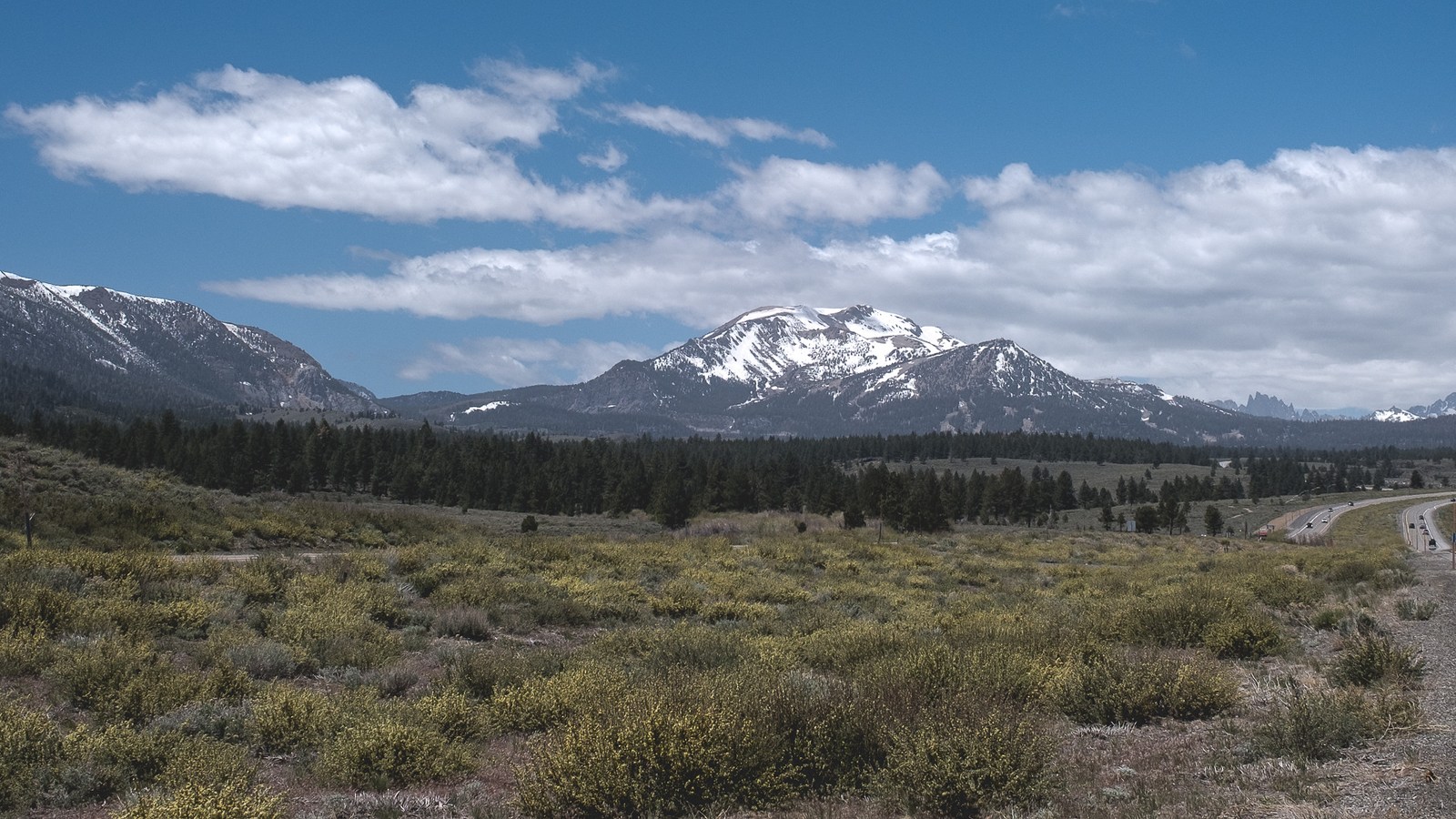
For a short winter stay, keep arrival day simple: reach the confirmed accommodation, collect essential food and settle the next morning’s meeting point. Use the first full day for the household’s main booked activity. Give the next day a different rhythm, such as a short outdoor outing with an indoor alternative, before adding another demanding ski or travel day. This is a planning pattern, not a promise that every named attraction operates on the chosen dates.
For a longer trip, separate commitments from optional outings. Book the scarce or essential components first, then leave open space for weather, energy and local conditions. Review the schedule from each person’s perspective, including the adult accompanying a non-skier or caring for the dog. A holiday is more resilient when those people have a pleasant day too, with food, transport and a place to rest already considered.
Keep one shared record of addresses, confirmations, cancellation terms and current operating information. Recheck conditions and timed bookings close to departure, especially for seasonal roads and attractions. With the base, arrival and daily needs settled, Mammoth becomes much easier to enjoy as a complete mountain holiday: skiing when it suits the group, useful alternatives when it does not, and a comfortable place to return to each evening.
Before you book
Questions before you book
Is Mammoth Lakes the same place as Mammoth Mountain?
Mammoth Lakes is the town and broader vacation destination. Mammoth Mountain is the ski resort with several bases. A town lodging address does not necessarily mean walking access to the correct ski base.
Can we visit without skiing?
Yes. Plan around the actual operating dates and suitability of snow play, scenic rides, indoor activities, meals and nearby outings. Some seasonal attractions and roads will not be available throughout the year.
Is Thanksgiving guaranteed to have tubing and snow play?
No. The tube park has a planned November 20, 2026 opening, subject to conditions, while the separate Snow Play product is scheduled for December 19. Tubing also has a 42-inch minimum.
Can we manage without a car?
A car-free trip can work with the right airport transfer, accommodation and operating local routes. Confirm the exact address, luggage and child or pet requirements, plus the journey home after evening activities.
Are dogs welcome throughout the resort?
No. Accommodation permissions vary, and ordinary dogs cannot use the winter slopes, lifts or gondolas. Plan transport, care and suitable walks independently of the lodging’s pet label.
Resources for your trip
Sources and useful links
- Mammoth base lodges
- Mammoth opening day
- Mammoth Snow Play
- Woolly’s Tube Park
- Mammoth ski and snowboard school
- Mammoth pet and access FAQ
- Visit Mammoth flight information
- ESTA winter routes
- Caltrans chain controls
- Mammoth Thanksgiving dinners
- Town of Mammoth Lakes rental tax guidance
Photograph credits and licenses
- Ski terrain at Mammoth Mountain in January 2025. Photo: Mammoth Ski Run / Michael Kwok / CC BY 2.0 · Cropped and resized to 16:9.
- The Village at Mammoth in May 2016. Photo: The village at Mammoth Lakes / m01229 / CC BY-SA 2.0 · Cropped and resized to 16:9.
- The Westin Monache exterior in July 2017. Photo: Westin Monache Resort - Mammoth Lakes Ca / m01229 / CC BY-SA 2.0 · Cropped and resized to 16:9.
- Snow-covered Mammoth Mountain scenery in December 2024. Photo: Mammoth Lakes ski area / Michael Kwok / CC BY 2.0 · Cropped and resized to 16:9.
- Paul Schat's Bakery sign in Mammoth Lakes in May 2016. Photo: Paul Schat's Bakery - Mammoth Lakes / m01229 / CC BY-SA 2.0 · Cropped and resized to 16:9.
- Lake Mary in June 2024. Photo: Lake Mary / Ron Reiring / CC BY-SA 2.0 · Cropped and resized to 16:9.
- Twin Lakes and late-spring snow in May 2017; check current access and safety conditions. Photo: Feather Sky over Snow, Twin Lakes / Don Graham / CC BY-SA 2.0 · Cropped and resized to 16:9.
- Mammoth Mountain and the Eastern Sierra in May 2022. Photo: Mammoth Mountain / Marty B / CC BY-SA 2.0 · Cropped and resized to 16:9.
Plan the complete trip