
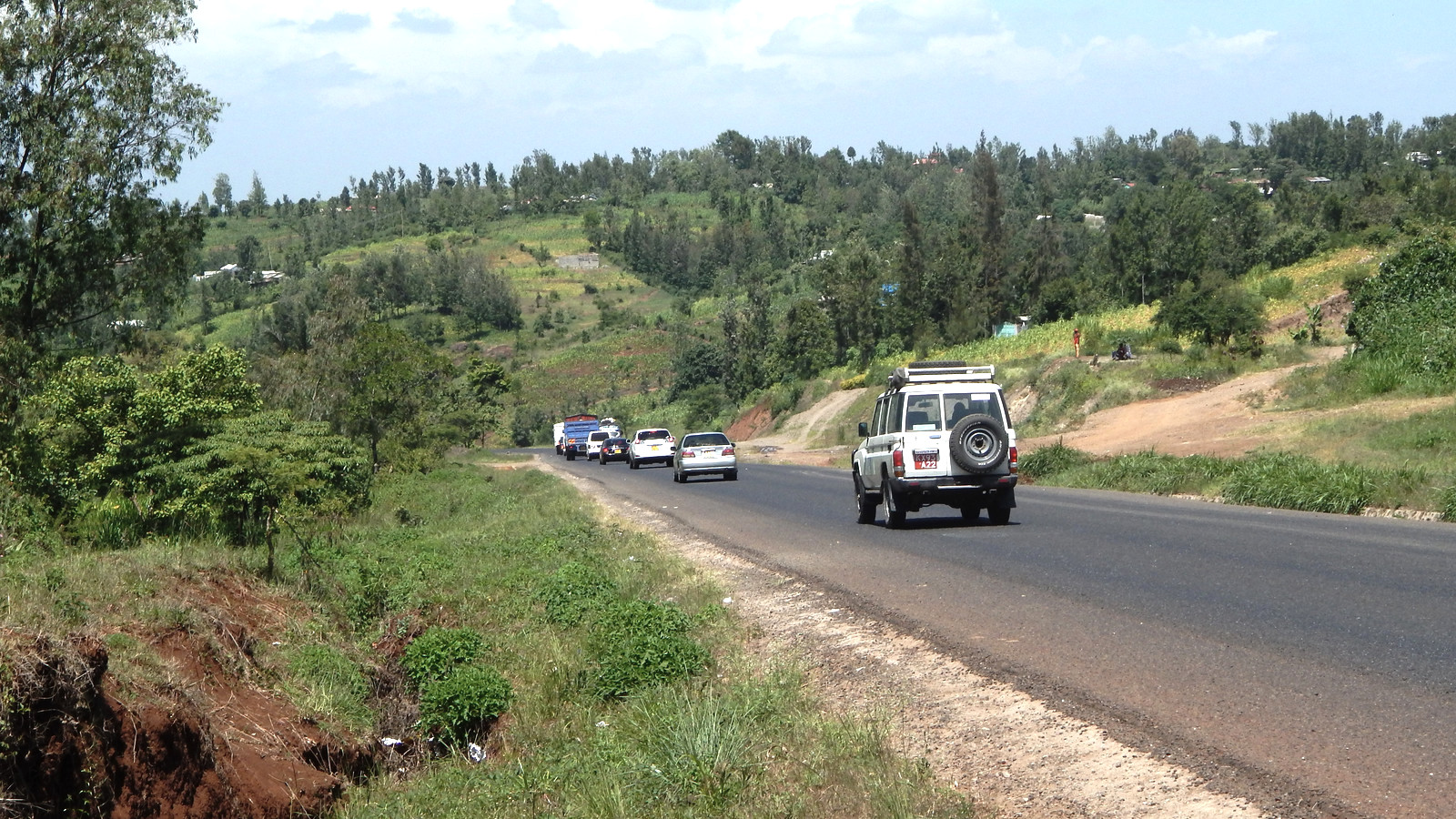
Artelnjeru, Wikimedia Commons, CC BY-SA 4.0; cropped and adjusted by Deep Arrival.
A route-first planning system
How to Plan a Road Trip
A good road trip begins with a time budget, not a list of attractions. Set the longest driving day you can tolerate, protect sleep and meal stops, then make every destination compete for the time it consumes.
A good road trip begins with a time budget, not a list of attractions. Set the longest driving day you can tolerate, protect sleep and meal stops, then make every destination compete for the time it consumes.
Fast read
What matters first
Use this page as the practical filter before you open booking pages, maps, or official policy documents.
Start with days and hours
Count arrival and departure days honestly. Decide the maximum hours behind the wheel before adding stops.
Choose only a few anchors
Use two or three places that define the trip. Add optional stops only after the route works.
Keep one recovery branch
Save a shorter route, a flexible night, or a bypass so bad weather does not break every reservation.
Decision system
The planning sequence
Use the sequence below to decide how this should shape the trip.
Put the decision into practice
Define the trip before searching for stops
Write the fixed start, fixed finish, number of nights, travelers, vehicle, and any reservations that cannot move. A route is feasible only when it fits those constraints. Treat the first and last day as travel days if flights, rental counters, school, or work reduce the usable time.
Set a driving ceiling that reflects the group
Mapping software estimates movement, not meals, fuel, restroom stops, traffic, viewpoints, or a tired driver. Set a personal daily driving ceiling before choosing attractions. Families, new drivers, mountain roads, towing, and winter conditions usually require more margin than a familiar interstate trip.
Use anchor stops to stop route creep
Choose two or three places that would make the trip worthwhile. Mark everything else as optional. When a new stop is added, count its detour, parking, visit, and recovery time. If it forces a late arrival or removes sleep, it does not fit this version of the trip.
Build overnights around arrival quality
An overnight town should have lodging, food, fuel or charging, and an arrival time that still lets the group settle in. Avoid a chain of single-night stays when unpacking and parking consume the time supposedly saved. Two nights at one anchor often creates a better trip than two extra dots on the map.
Price the route, not just gasoline
Estimate fuel from total miles, vehicle efficiency, and a conservative price. Then add lodging taxes, parking, tolls, meals, admissions, rental fees, one-way charges, and a contingency amount. A scenic detour may be cheap in miles but expensive in lodging or time.
Book the scarce pieces first
Reserve lodging inside national parks, limited ferries, timed attractions, and one-way rental cars before ordinary roadside hotels. Keep flexible nights where supply is broad. Record cancellation deadlines in one place so the route can change without losing every deposit.
Complete a vehicle and safety pass
NHTSA recommends checking tires, fluids, lights, wipers, battery, cooling, and recalls before a long drive. Carry a charged phone, water, first aid supplies, flashlight, tire tools, jumper cables, weather layers, and paper or offline directions. Match the kit to heat, cold, remoteness, and the vehicle.
Check roads and weather twice
Review road conditions while planning and again before each driving day. A scenic road can be seasonal, gated, under construction, or unsafe in smoke, snow, flooding, or high wind. Save the state transportation page and park alerts for each critical segment instead of relying only on a routing app.
Create a route that can lose one piece
Keep a bypass around the most fragile segment and identify one optional stop to cut. A flexible night near the middle can absorb a closure or slow morning. The best backup preserves the final reservation without requiring a dangerous late drive.
Use the final evening check
Confirm the next fuel or charging stop, weather, road alerts, parking, lodging address, and earliest hard deadline. Download the route and share the next arrival estimate. This small check prevents a stale plan from controlling the day.
Planning traps
Mistakes to avoid
These are the small decisions that quietly derail an otherwise good plan.
The route grows before anyone sets a driving limit.
Stops, traffic, parking, and meals disappear from the estimate.
One delay then threatens the rest of the trip.
A famous road may be closed or restricted on the travel date.
A long last drive leaves no recovery room for a flight or work deadline.
Sources checked
Official and supporting references
Use these references to confirm live prices, dates, rules, and operating details before money changes hands.
Staying over? Compare hotels for this trip at Expedia.
Deep Arrival earns a commission when you buy through partner links. It does not change the price you pay.
FAQ
Common planning questions
What is the first step in planning a road trip?
How many stops should a road trip include?
How do I estimate road trip cost?
Should I book every hotel in advance?
How much buffer should I add to driving time?
What should a road trip backup plan include?
Continue planning