
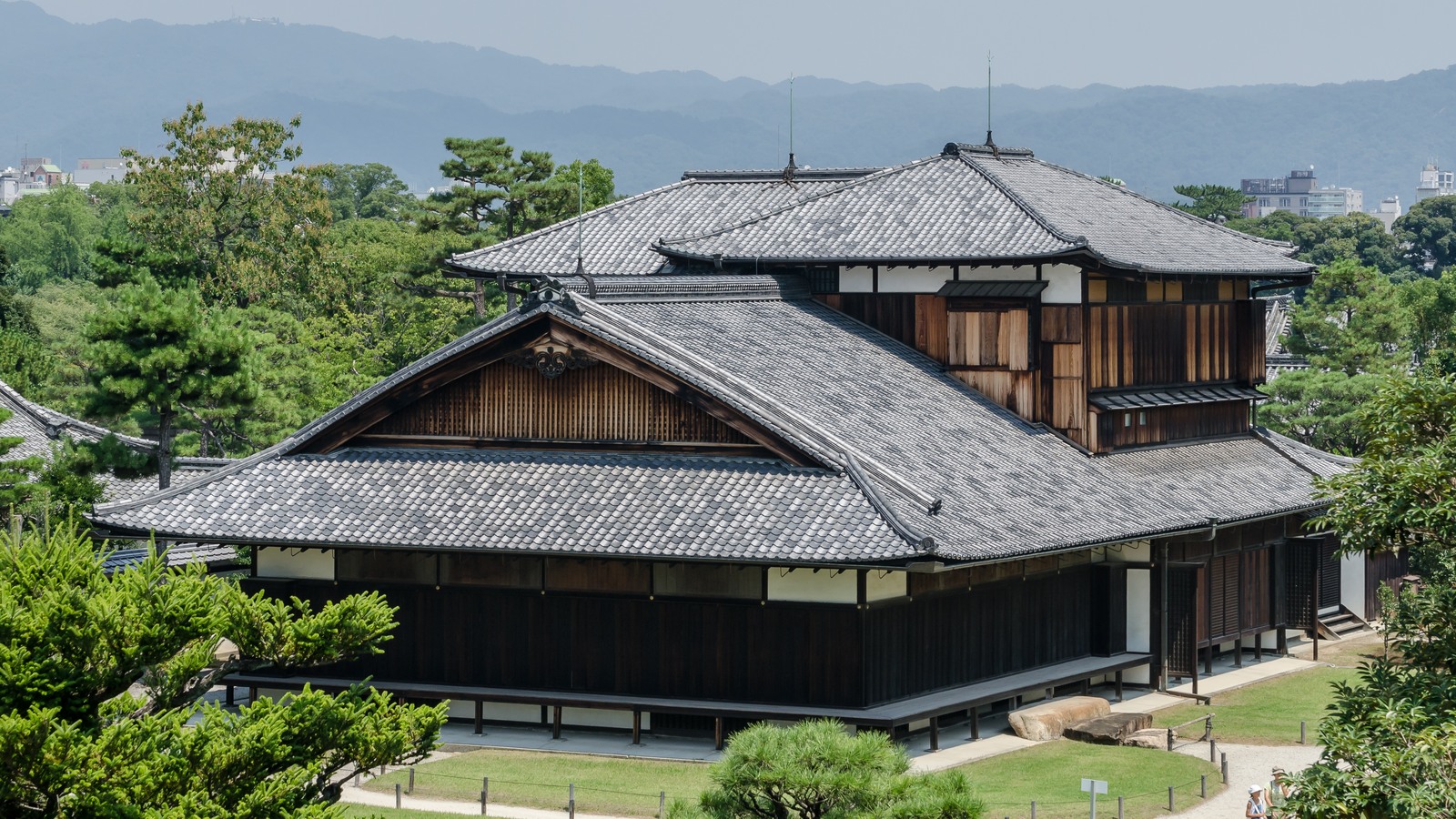
DXR, Wikimedia Commons, CC BY-SA 3.0; cropped to 16:9.
Kyoto castle ticket and palace route
Nijo Castle Visitor Guide
Nijo Castle is a compound with different palace-access rules, not one interchangeable ticketed room. Check the official calendar, decide whether Ninomaru or Honmaru access matters, and leave enough time for the moat and gardens.
Nijo Castle is a compound with different palace-access rules, not one interchangeable ticketed room. Check the official calendar, decide whether Ninomaru or Honmaru access matters, and leave enough time for the moat and gardens.
Fast read
What matters first
Use this page as the practical filter before you open booking pages, maps, or official policy documents.
Check the palace calendar
Ninomaru and Honmaru access can differ from general castle admission. Use the official ticket page before committing a Kyoto day.
Choose the palace first
Ninomaru is the stronger first-visit choice for many travelers. Honmaru requires advance planning, so do not assume it is a walk-in add-on.
Allow a real compound visit
The buildings, gates, moat, and gardens need more than a hurried palace stop. Two hours gives a more useful first route.
Decision system
The planning sequence
Use the sequence below to decide how this should shape the trip.
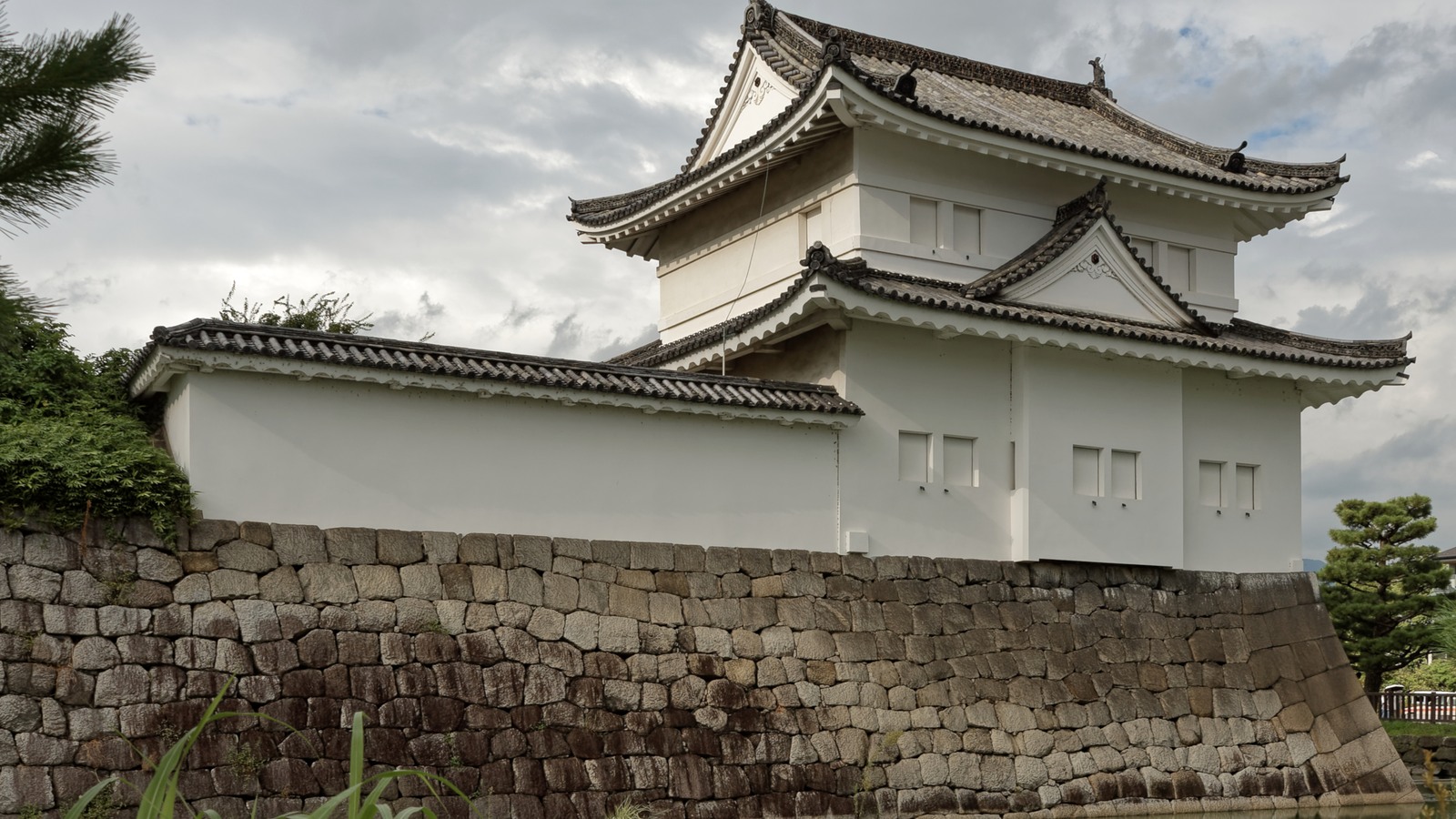
A castle compound, not one room
The moat and gate circuit set the scale of a shogunal residence
The exterior route supplies the defensive and garden context after the palace priority is settled.
A focused loop preserves energy for the rest of Kyoto rather than turning the visit into an unplanned all-day circuit.
Let the ticket type control the route
Nijo Castle sells distinct admission combinations. The official ticket page distinguishes general admission, Ninomaru Palace entry, and the reservation-led Honmaru Palace visit.
Start with Ninomaru Palace
Ninomaru provides the clearest introduction to the shogunal Kyoto compound. Treat it as the primary interior decision and schedule it before photos or a long garden loop.
Plan Honmaru separately
Honmaru Palace is not an automatic extension of the grounds ticket. Its timed, advance-access model means a traveler should decide on it before the rest of the Kyoto schedule is fixed.
Use the compound to add context
The gates, moats, walls, and gardens explain the scale of a former shogunal residence. Pick a concise exterior circuit after the interior rather than trying to see every path.
Watch closure patterns
The palaces can observe closure periods or maintenance rules that differ from the overall grounds. Check current official notices immediately before travel.
Build in station time
Nijojo-mae is the most direct subway reference point, but Kyoto transit, crossings, and the entrance approach still consume time. Do not schedule the ticket at the same minute as an arrival.
Keep access claims narrow
Historic floors and rooms are not interchangeable from an access perspective. Contact the castle for the current route when mobility support or a specific palace is essential.
Pair it with Kyoto deliberately
Nijo Castle works well as a history anchor before one nearby Kyoto district. Keep the rest of the day flexible enough to preserve the palace reservation or admission window.
Planning traps
Mistakes to avoid
These are the small decisions that quietly derail an otherwise good plan.
Match the ticket to the Ninomaru or Honmaru decision.
Enter the priority interior while the access window is safe.
Use advance reservation and timed-entry guidance.
Check the palace-specific notices.
Sources checked
Official and supporting references
Use these references to confirm live prices, dates, rules, and operating details before money changes hands.
Landing abroad? Set up a Yesim eSIM before you fly.
Deep Arrival earns a commission when you buy through partner links. It does not change the price you pay.
FAQ
Common planning questions
How long do you need at Nijo Castle?
Do you need a ticket for Nijo Castle?
Can you visit Honmaru Palace at Nijo Castle?
What should you see first at Nijo Castle?
Is Nijo Castle open every day?
Continue planning