
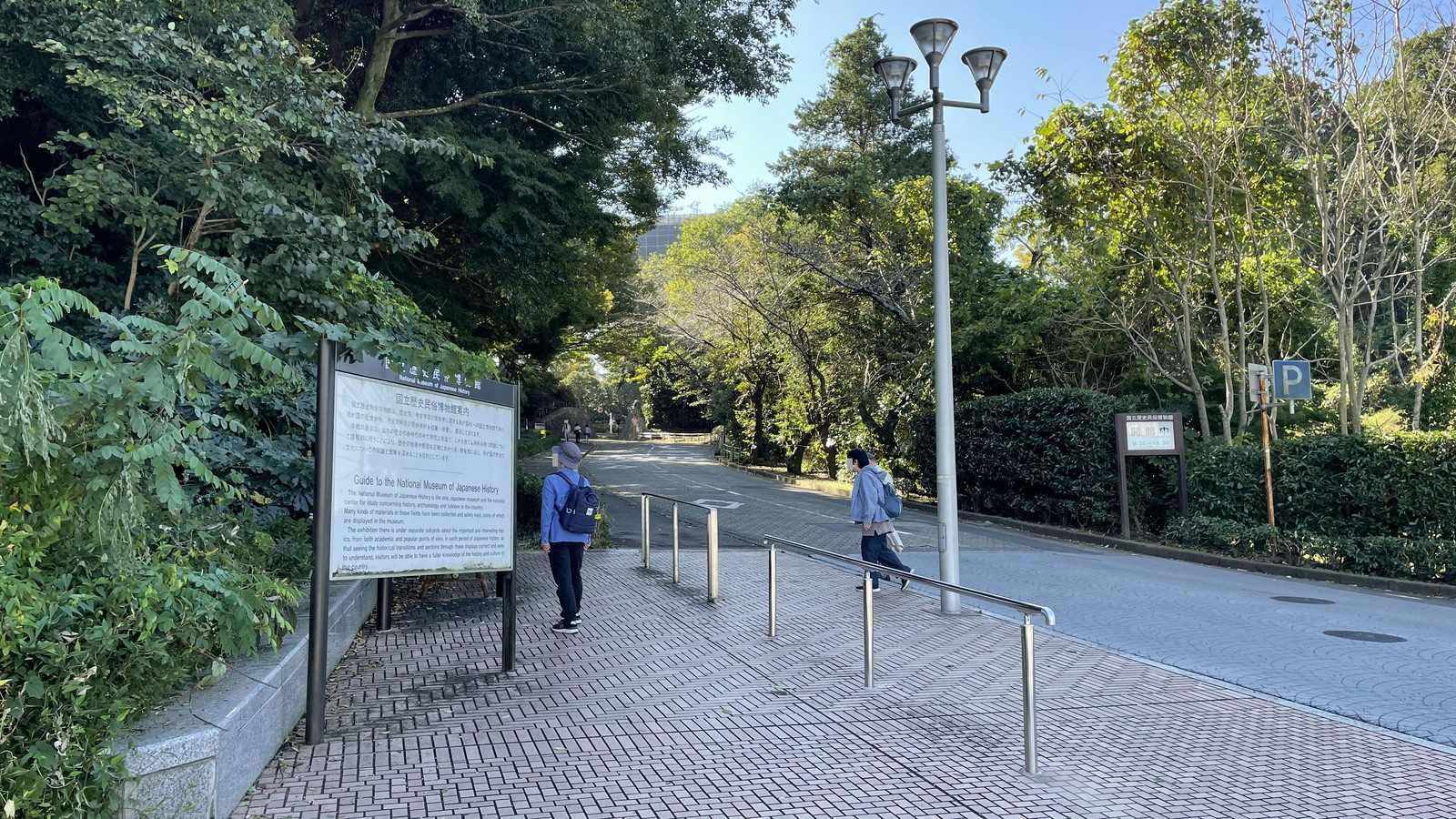
Higa4, Wikimedia Commons, CC0; cropped to 16:9.
Sakura history museum route and access guide
National Museum of Japanese History Visitor Guide
Rekihaku covers Japanese history and culture across six galleries on the former Sakura Castle grounds. The decision is how much chronology to cover, which station approach fits, and whether the museum deserves a dedicated Sakura half day.
Rekihaku covers Japanese history and culture across six galleries on the former Sakura Castle grounds. The decision is how much chronology to cover, which station approach fits, and whether the museum deserves a dedicated Sakura half day.
Fast read
What matters first
Use this page as the practical filter before you open booking pages, maps, or official policy documents.
Check the museum's current guide before travel
Confirm the current museum information, then reserve enough time to reach Sakura rather than treating Rekihaku as a spare airport layover activity.
Give the permanent exhibition at least two to three hours
A fast chronological pass can take about two hours, but three hours makes room to pause in the periods that matter most. Add time if a special exhibition or the castle park is part of the same day.
Do not turn a history museum into a Narita layover gamble
Use the six galleries as a simple timeline and stop longer only where the period fits your interests. The castle-park walk is an optional second activity, not part of the gallery clock.
Decision system
The planning sequence
Use the sequence below to decide how this should shape the trip.
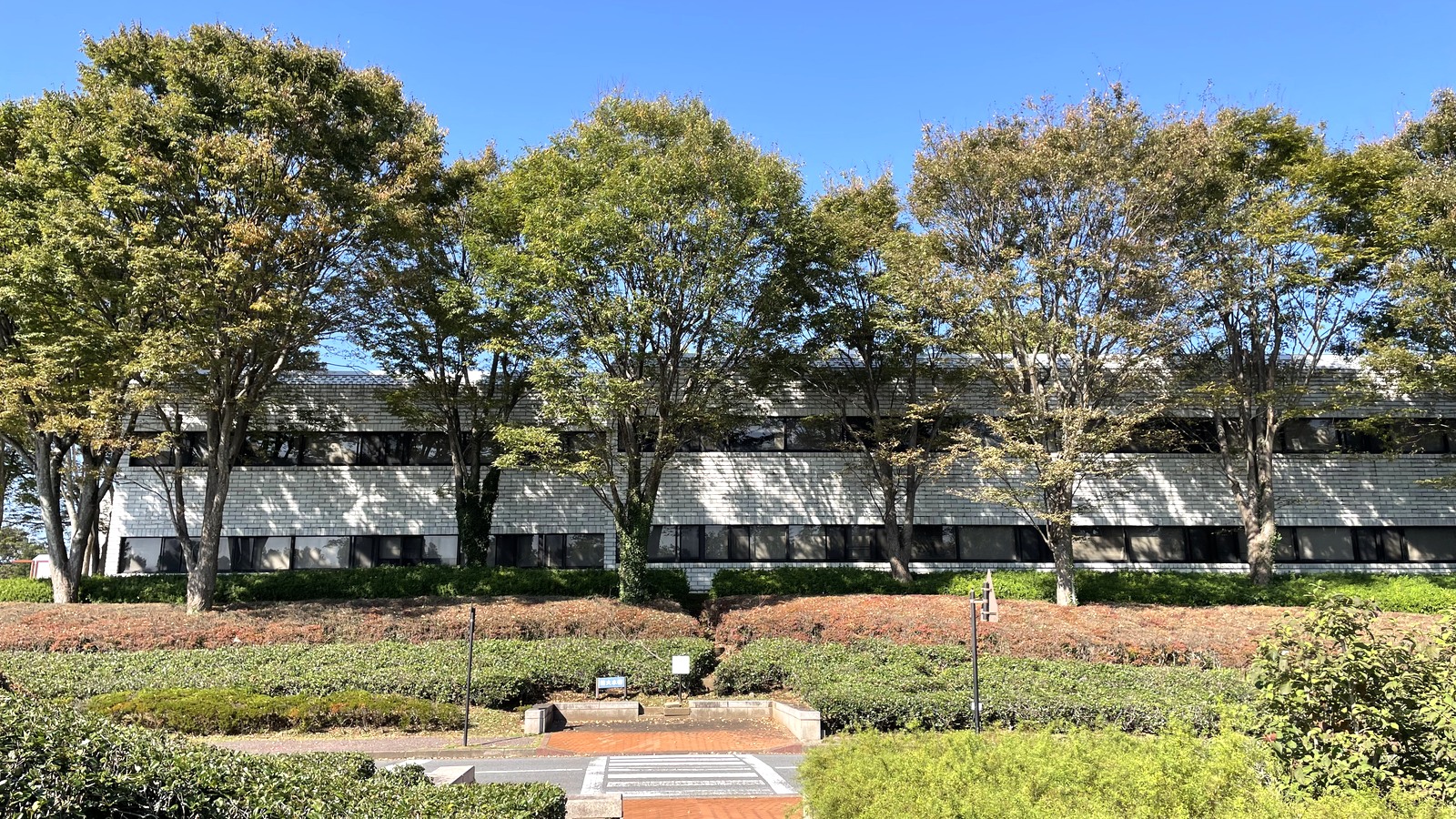
A national museum on historic ground
The museum sits beside Sakura Castle Park
The museum's exterior supports the distinction between the ticketed history galleries and the separate castle-park walk.
Build a route around the six-gallery chronology before adding the outdoor historic setting.
Check the museum's current guide before travel
The museum's own facility guide carries the current institutional details and points visitors to its official site for changes. Use that material for admission and temporary exhibition checks rather than relying on a general Tokyo itinerary.
Treat it as a national history sequence
The museum is dedicated to Japanese history and culture, using archaeology, historical material, and folklore across six gallery sections. It sits beside Sakura Castle Park, which adds a separate outdoor historical layer rather than an extension of the ticketed galleries.
Choose chronology before detail
Use the six permanent galleries as a chronological spine. Start with the earliest periods and then decide whether later social history, folklore, or a special show merits more time instead of rushing through every room.
Do not turn a history museum into a Narita layover gamble
The museum is near Narita in regional terms, but it is not an airport-terminal stop. Treat transit from the airport or Tokyo as a separate leg, then reserve the gallery time the collection requires.
Choose Keisei or JR Sakura deliberately
Visit Chiba lists a walk from Keisei Sakura and a bus option from JR Sakura. Choose the approach that matches the train already in use and verify the current bus timetable before depending on it.
Use the public accessibility listing as the starting point
Visit Chiba lists wheelchair rentals, ramps, accessible restrooms, parking, and service-dog access. Confirm the current route and any exhibition-specific constraints with the museum if mobility support controls the visit.
Pair it with Sakura Castle Park, not a rushed city transfer
The museum and castle-ruins park form a coherent history pairing. Add another Sakura stop only after deciding how much permanent-gallery time is genuinely needed.
Use it as a Chiba history day
The site works well for travelers interested in Japanese history beyond central Tokyo. Deep Arrival's Japan timing and Tokyo itinerary pages can provide wider trip context without duplicating the museum's six-gallery route.
Planning traps
Mistakes to avoid
These are the small decisions that quietly derail an otherwise good plan.
Allow for the regional transfer and at least two hours inside.
Use the six sections as the chronological route.
Treat the park as a separate outdoor addition.
Choose Keisei or JR based on the current route and timetable.
Sources checked
Official and supporting references
Use these references to confirm live prices, dates, rules, and operating details before money changes hands.
Staying over? Compare hotels for this trip at Expedia.
Deep Arrival earns a commission when you buy through partner links. It does not change the price you pay.
FAQ
Common planning questions
How long do you need at the National Museum of Japanese History?
Where is the National Museum of Japanese History?
How many galleries does Rekihaku have?
How do you reach the museum from Sakura Station?
Is the museum accessible?
Continue planning