
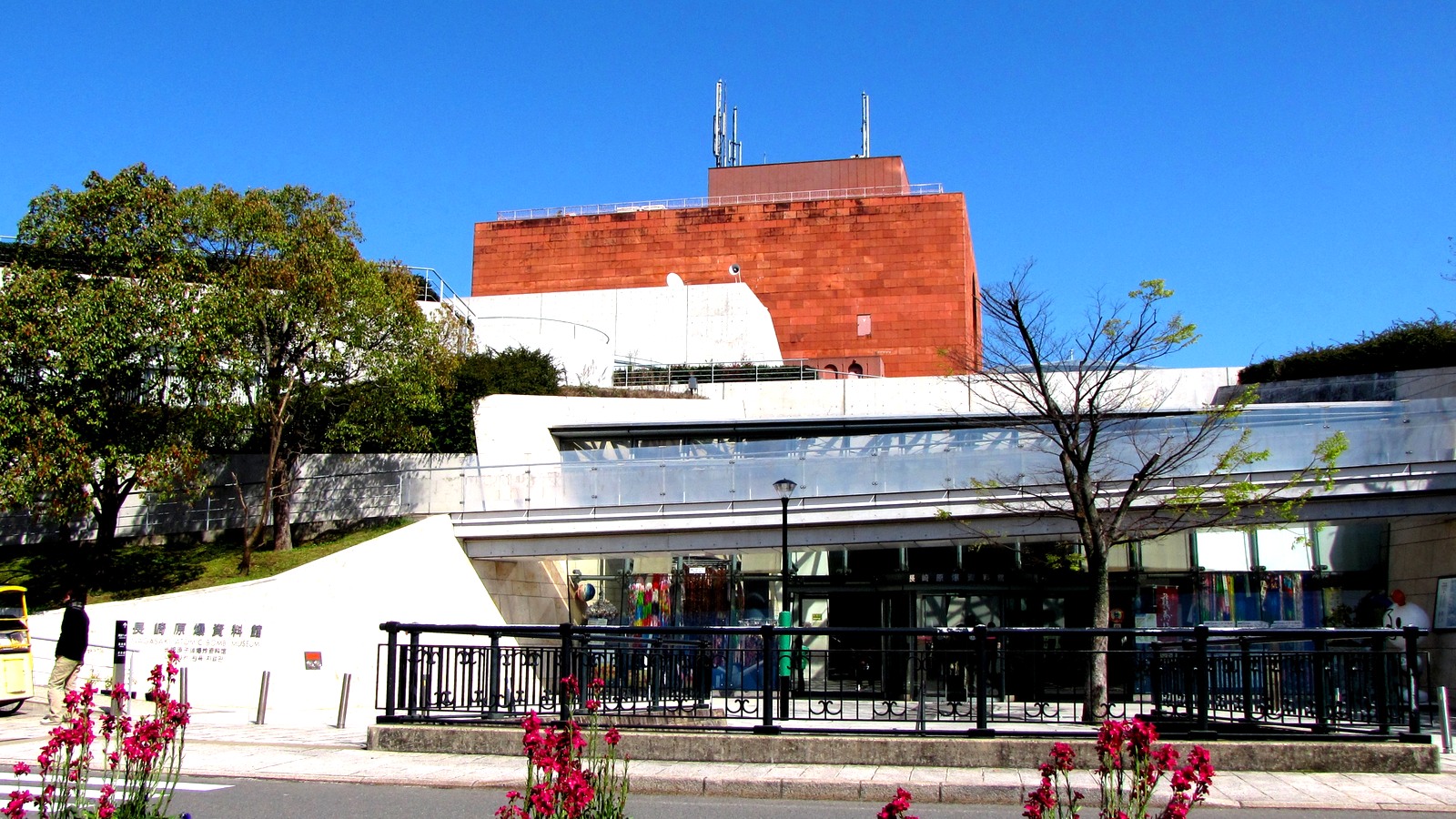
Nagasaki museum closure and route guide
Nagasaki Atomic Bomb Museum Visitor Guide
The museum is open, but a phased permanent-gallery renewal began in September 2026 and continues into March 2027. Check the exact closed section first, then move through the surviving narrative at a pace that leaves room for reflection and the nearby memorial landscape.
The museum is open, but a phased permanent-gallery renewal began in September 2026 and continues into March 2027. Check the exact closed section first, then move through the surviving narrative at a pace that leaves room for reflection and the nearby memorial landscape.
Fast read
What matters first
Use this page as the practical filter before you open booking pages, maps, or official policy documents.
Check the phased closure notice
The operator lists seasonal opening hours beginning at 8:30 a.m., 200 yen adult admission, and free admission for high school age and younger. More importantly, the special-exhibition room is closed from September 1, 2026 and parts of the permanent route close in later phases through March 2027.
Allow at least 90 minutes
The operator describes about one hour as a basic benchmark, but 90 minutes to two hours is more realistic for reading, film, difficult material, and pauses. Add another hour or more for the National Peace Memorial Hall, hypocenter, and Peace Park.
Give objects and testimony room
The museum's power comes from evidence tied to individual lives and the city, not from accumulating graphic details. Read a smaller number of objects and testimonies carefully, and avoid treating photography or speed as the measure of a successful visit.
Decision system
The planning sequence
Use the sequence below to decide how this should shape the trip.
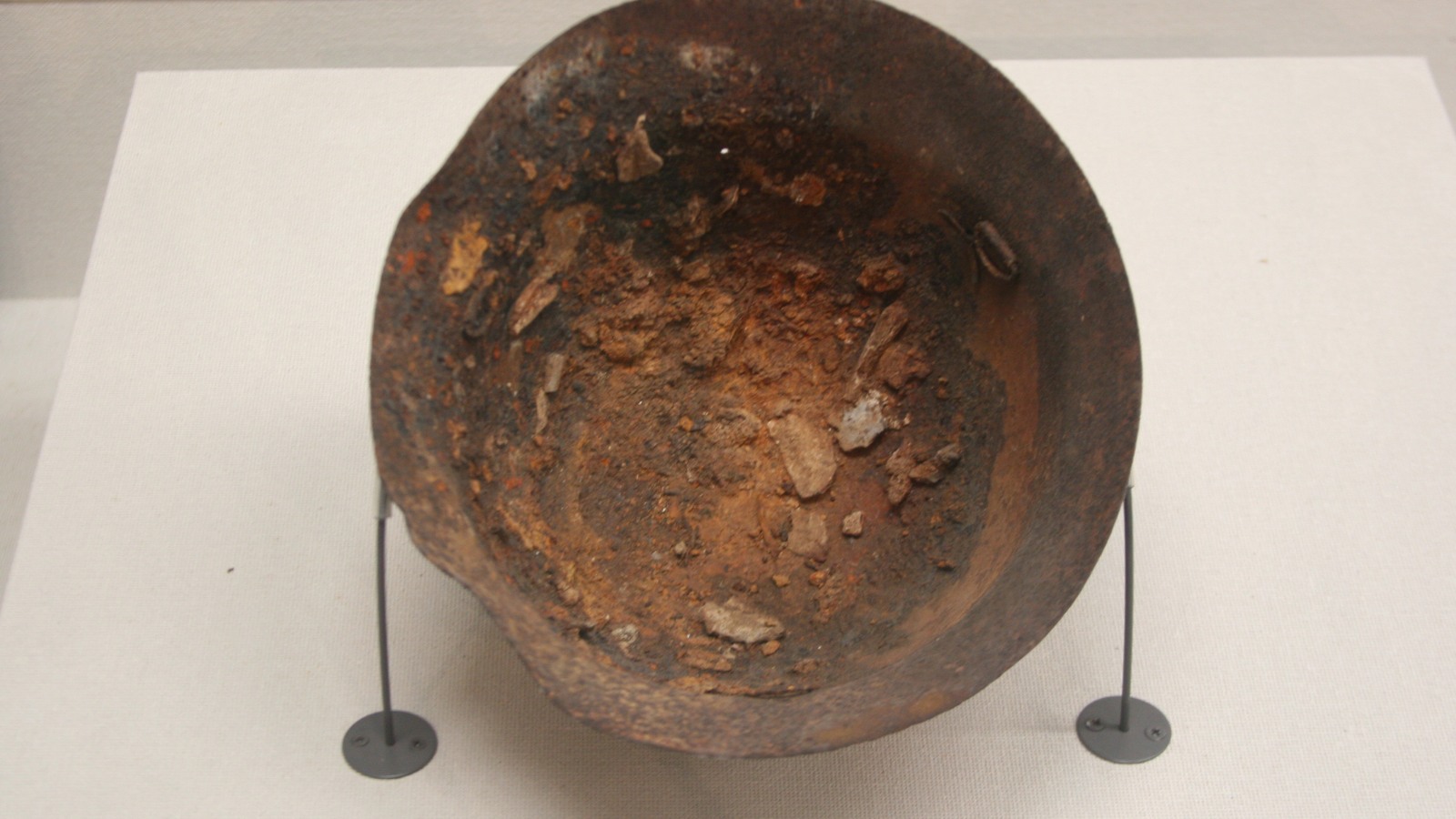
The evidence asks for a slower pace
A respectful visit is measured by attention, not volume
The museum connects damaged objects and testimony to individual lives and a wider nuclear history.
Leave room for pauses, then carry the visit into the nearby memorial landscape without turning the day into a race.
Check the phased closure notice
The operator lists seasonal opening hours beginning at 8:30 a.m., 200 yen adult admission, and free admission for high school age and younger. More importantly, the special-exhibition room is closed from September 1, 2026 and parts of the permanent route close in later phases through March 2027.
Follow the museum's historical sequence
The permanent exhibition addresses Nagasaki before the bombing, the atomic bombing and its effects, nuclear weapons development, and the pursuit of peace. Objects, photographs, survivor testimony, film, and multilingual interpretation support a human history rather than an attraction-style checklist.
Preserve the narrative even when sections close
Begin with pre-bombing Nagasaki, move through the damage and human consequences, and finish with nuclear history and peace. When a scheduled section is closed, use the operator's remaining panels and route rather than jumping directly to the largest object.
Give objects and testimony room
The museum's power comes from evidence tied to individual lives and the city, not from accumulating graphic details. Read a smaller number of objects and testimonies carefully, and avoid treating photography or speed as the measure of a successful visit.
Build one continuous peace-site route
The museum sits at 7-8 Hirano-machi near the National Peace Memorial Hall, hypocenter, and Peace Park. Use public transport or the operator's current access page, then walk the nearby sites in a deliberate sequence rather than making repeated vehicle moves.
Confirm the open route during renewal
Nagasaki's official tourism site publishes barrier-free information, and the museum provides lifts and visitor facilities. Phased construction can still change circulation, so confirm the exact open path before travel when an elevator, wheelchair route, or quiet rest point is essential.
Continue to remembrance, not another attraction
The National Peace Memorial Hall, hypocenter, and Peace Park form the natural continuation. Leave transition time between the indoor evidence and the outdoor memorial spaces, and avoid forcing all sites into a rushed hour.
Protect emotional and transport margins
The museum may require more recovery time than its floor area suggests. Cruise visitors should protect return transportation before adding distant stops, while Deep Arrival's Nagasaki day guide can position this sequence within the wider visit.
Planning traps
Mistakes to avoid
These are the small decisions that quietly derail an otherwise good plan.
Different sections close in phases through March 2027.
It is a minimum benchmark, not the ideal pace for every visitor.
Follow the historical and human sequence established by the museum.
Leave reflection and transport margin after difficult material.
Sources checked
Official and supporting references
Use these references to confirm live prices, dates, rules, and operating details before money changes hands.
Staying over? Compare hotels for this trip at Expedia.
Deep Arrival earns a commission when you buy through partner links. It does not change the price you pay.
FAQ
Common planning questions
Is the Nagasaki Atomic Bomb Museum open during renovation?
How much is Nagasaki Atomic Bomb Museum admission?
How long do you need at the museum?
What should you visit with the museum?
Is the museum wheelchair accessible?
Continue planning