
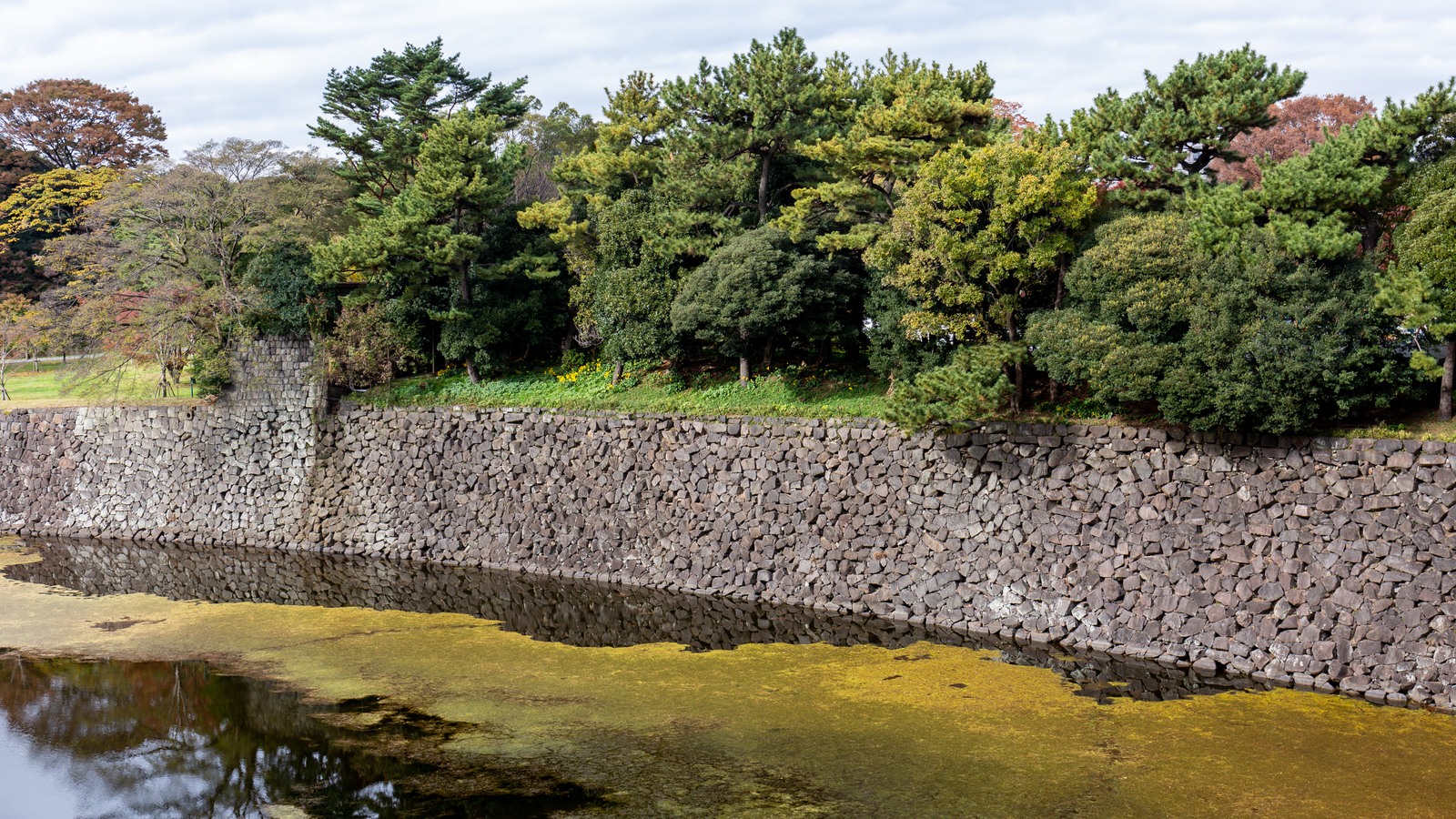
Edo Castle ruins and East Gardens route
Edo Castle East Gardens Visitor Guide
The castle keep is gone, but the former Honmaru, Ninomaru, and Sannomaru remain legible through gates, guardhouses, moats, stone walls, and the Tenshudai foundation. The useful decision is which public garden gate and route reveal that history, not whether a reconstructed tower exists.
The castle keep is gone, but the former Honmaru, Ninomaru, and Sannomaru remain legible through gates, guardhouses, moats, stone walls, and the Tenshudai foundation. The useful decision is which public garden gate and route reveal that history, not whether a reconstructed tower exists.
Fast read
What matters first
Use this page as the practical filter before you open booking pages, maps, or official policy documents.
Use the East Gardens calendar
The Imperial Household Agency lists free entry with no advance reservation, seasonal opening hours, and regular Monday and Friday closures with holiday exceptions. Baggage inspection occurs at entry, and temporary closures can supersede the normal calendar.
Allow 90 minutes for the castle sequence
A direct Otemon to Tenshudai to Ninomaru circuit works in about 90 minutes. Allow two hours for the museum, seasonal plantings, and slower study of the guardhouses and stonework, especially when security queues or heat reduce walking speed.
Choose masonry and guardhouses over lawn time
The defensive scale is easiest to understand at the gates, surviving guardhouses, and keep foundation. The Honmaru lawn marks the lost palace center, but it becomes more meaningful after the approach route has shown how movement was controlled.
Decision system
The planning sequence
Use the sequence below to decide how this should shape the trip.
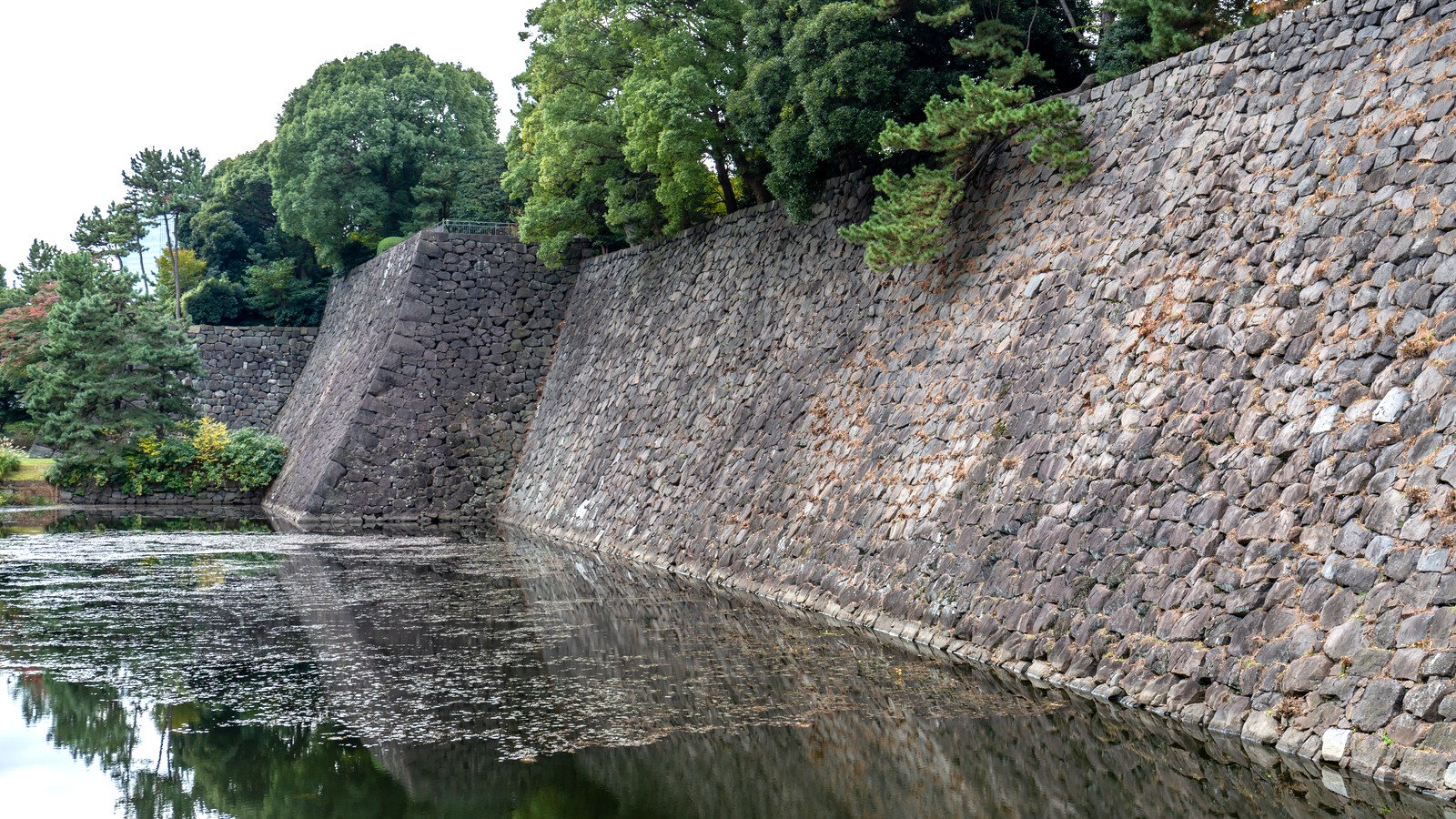
The walls are the surviving castle
Edo Castle is read through scale, gates, and foundations
The keep no longer stands, so the masonry and controlled approaches carry the story.
Walk from gate to guardhouse to foundation before treating the East Gardens as only a landscaped park.
Use the East Gardens calendar
The Imperial Household Agency lists free entry with no advance reservation, seasonal opening hours, and regular Monday and Friday closures with holiday exceptions. Baggage inspection occurs at entry, and temporary closures can supersede the normal calendar.
Read the garden as the core of Edo Castle
The East Gardens occupy parts of Edo Castle's former Honmaru, Ninomaru, and Sannomaru. What survives is a landscape of enormous masonry, guardhouses, gate lines, the keep base, and later gardens rather than an intact palace or reconstructed castle tower.
Enter at Otemon and finish toward Takebashi
Otemon gives the clearest first-time sequence: entrance walls, Doshin and Hyakunin guardhouses, the climb into Honmaru, the Tenshudai foundation, then Ninomaru Garden. Exit at Hirakawamon or Kitahanebashimon when Takebashi fits the onward plan.
Choose masonry and guardhouses over lawn time
The defensive scale is easiest to understand at the gates, surviving guardhouses, and keep foundation. The Honmaru lawn marks the lost palace center, but it becomes more meaningful after the approach route has shown how movement was controlled.
Choose the gate from the next stop, not habit
Otemon is convenient from Otemachi and Tokyo Station and works best for a chronological first visit. Hirakawamon and Kitahanebashimon connect more naturally to Takebashi; check the official map because the garden is not entered through every palace-side viewpoint.
Expect distance, slopes, and security
The public route includes broad paths but also historic gradients, stone transitions, and substantial walking between gates. The official map should control the chosen entrance and exit, and visitors with mobility constraints should confirm current assistance before arrival.
Pair the ruins with one palace-edge perspective
After the East Gardens, add the Outer Garden and Nijubashi viewpoint only if the extra perimeter walk fits. Do not assume the self-guided garden visit includes the inner palace tour, which uses a different process and route.
Use the site as Tokyo's political-history anchor
This route pairs well with Marunouchi, the National Museum, or another focused Tokyo district. Deep Arrival's Tokyo guide and Japan timing page can place the ruins within the wider itinerary without repeating generic palace descriptions.
Planning traps
Mistakes to avoid
These are the small decisions that quietly derail an otherwise good plan.
The Tenshudai is a surviving foundation, not a tower visit.
They are distinct visits with different access rules.
Check the official holiday and temporary-closure calendar.
Choose the gate that connects to the next Tokyo district.
Sources checked
Official and supporting references
Use these references to confirm live prices, dates, rules, and operating details before money changes hands.
Staying over? Compare hotels for this trip at Expedia.
Deep Arrival earns a commission when you buy through partner links. It does not change the price you pay.
FAQ
Common planning questions
Can you visit Edo Castle today?
Is the Imperial Palace East Gardens free?
How long do you need for the Edo Castle ruins?
Are the East Gardens and Imperial Palace tour the same?
Which gate is best for the Edo Castle ruins?
Continue planning