
Rome archaeology decision guide
Colosseum Tickets, Routes and Visitor Guide
A Colosseum ticket creates two different clocks: a fixed admission time for the amphitheatre and a broader window for the Roman Forum and Palatine. Secure the exact experience first, then decide whether the arena, underground levels or standard first and second tiers justify the extra cost and scheduling risk.
A Colosseum ticket creates two different clocks: a fixed admission time for the amphitheatre and a broader window for the Roman Forum and Palatine. Secure the exact experience first, then decide whether the arena, underground levels or standard first and second tiers justify the extra cost and scheduling risk.
Fast read
What matters first
Choose the access layer before building the day, because a basic ticket, arena visit and underground route do not deliver the same Colosseum.
Ticket choice
The standard Colosseum, Roman Forum and Palatine ticket is currently €18 and permits 75 minutes inside the amphitheatre; Full Experience products are currently €24, run across two consecutive days and can add the arena, underground levels, attic or special sites. Inventory and inclusions vary, so use the current official ticketing portal and read the exact product line before paying.
Hours and reservation
Colosseum admission uses a compulsory time slot; through September 30, 2026, published opening is 8:30 to 19:15 with last admission at 18:15, followed by earlier October and winter closing. Tickets generally open 30 days ahead, while some products use shorter sales windows, and the live product screen overrides any saved schedule.
Route and time
Allow 75 to 90 minutes inside the Colosseum, then at least two more hours for a purposeful Forum and Palatine route. Metro Line B stops at Colosseo, while buses 51, 75, 81, 85, 87 and 118 plus tram 3 serve the area; security and identity checks make a 15 minute margin prudent.
Decision system
The planning sequence
Spend for a different viewpoint or interpretation layer, not merely for a longer product name, then protect enough time for the Forum and Palatine included with the ticket.
One ticket creates two planning clocks
Fix the timed Colosseum entry before arranging the Forum
The amphitheatre uses a fixed admission time, while the Forum and Palatine portion follows a broader validity window.
Choose arena, underground or standard tiers for a specific viewpoint, then reserve enough daylight for the wider archaeological area.
Buy an access layer, not a vague upgrade
The €18 standard ticket covers the first and second Colosseum levels plus one Forum and Palatine visit but excludes the arena; the €24 Full Experience family contains distinct arena, underground, attic and special site products. Reseller labels do not define the route, so confirm the official product, gate, named holder, validity and included spaces before payment; standard visits allow 75 minutes, while several Full Experience products allow 90.
Treat the timed entry as immovable
The amphitheatre uses a reserved time, while the Forum and Palatine are entered separately within the ticket rules; arrive about 15 minutes early with matching identification and avoid a tight transfer from the Vatican, airport or cruise train. Published 2026 hours run 8:30 to 19:15 through September 30, then shorten in October and winter with last admission one hour before closing, while holidays and evening programs can alter the day.
Read the exterior before security
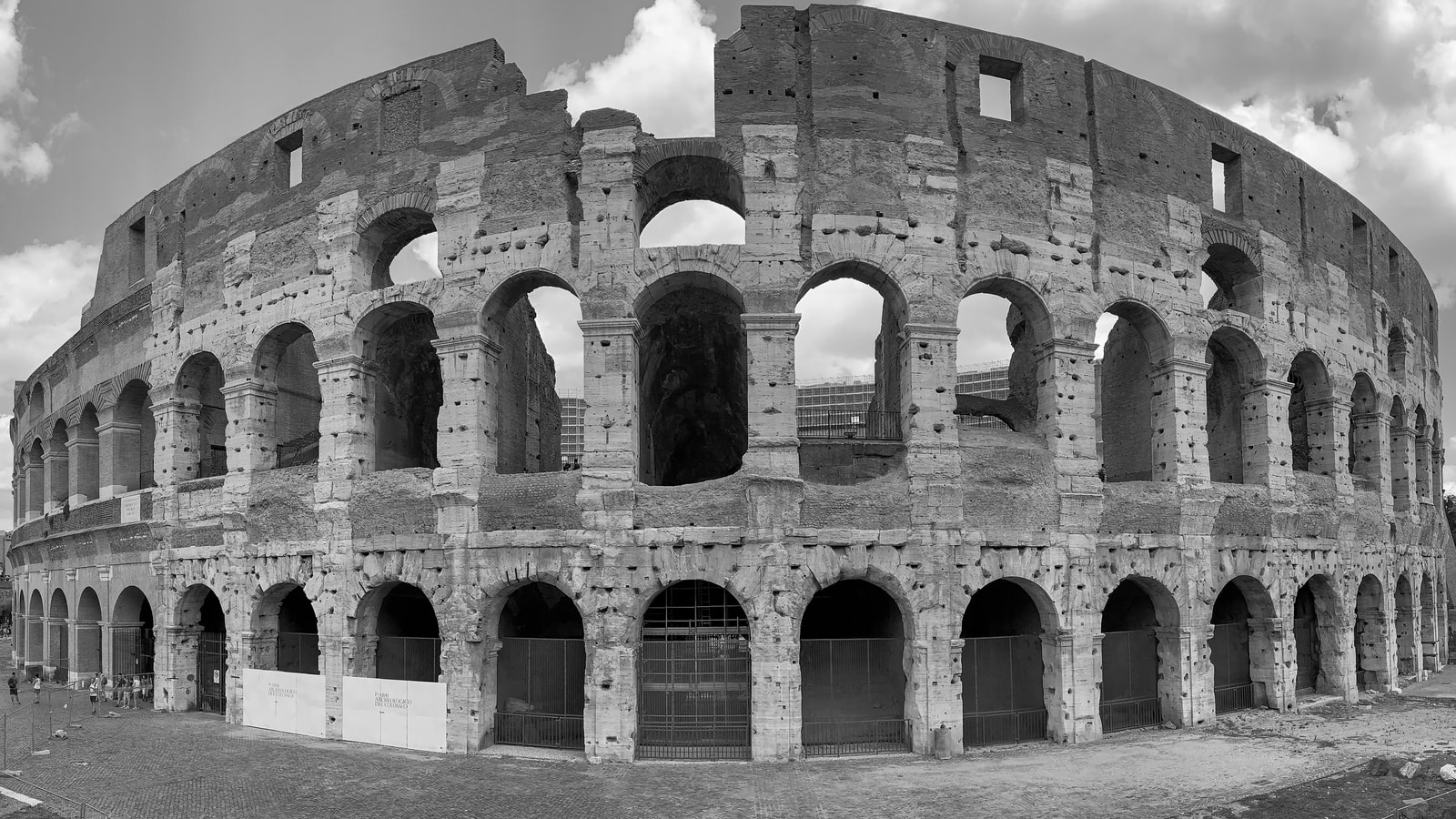
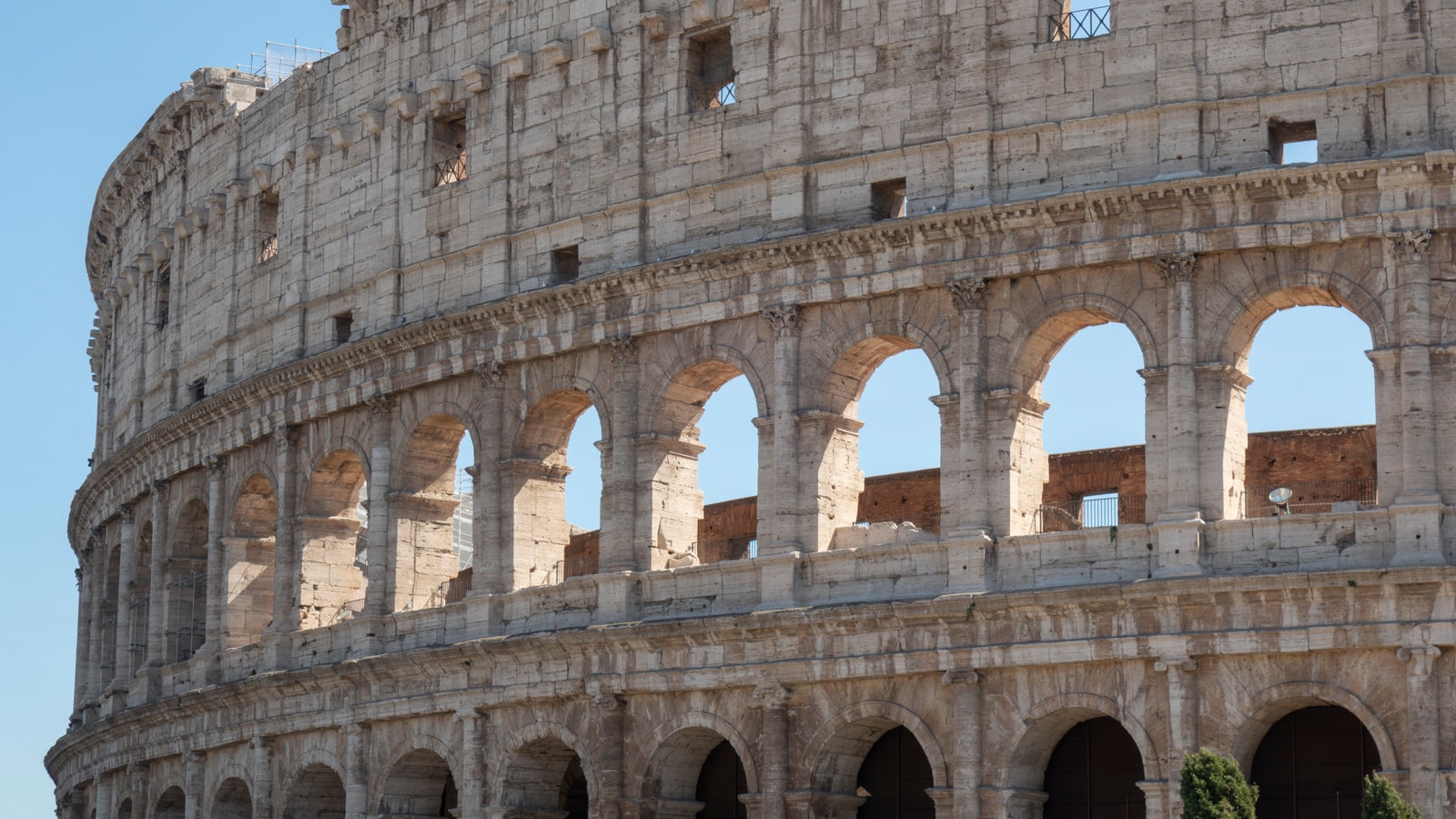
From Piazza del Colosseo, the surviving arcades reveal four architectural orders around an amphitheatre about 189 metres long, 156 metres wide and more than 48 metres high; the nearby Arch of Constantine belongs to a later imperial story. Vespasian began the amphitheatre around AD 70 on land associated with Nero's artificial lake, and Titus inaugurated it in AD 80, turning former private imperial space into a mass venue.
Use the cavea to understand the audience
The first and second levels reveal the cavea, where tiered seating organized roughly 50,000 people by status and route; velarium supports held a huge awning, while numbered entrances and radial corridors moved the crowd. The second level Colosseum Museum adds finds and interpretation from ancient spectacles through medieval reuse and modern restoration, giving meaning to the arena dimensions and surviving passages.
Choose the arena for performance geometry
Arena access reaches a reconstructed portion of the wooden floor that once covered the underground system, turning the cavea into an audience bowl and the exposed hypogeum into visible backstage infrastructure. It clarifies how performers, animals and scenery entered the spectacle, but it is not an underground walk and an arena only product may allow a brief stay, so choose it for perspective rather than a promise of completeness.
Choose the hypogeum for machinery and labor
The underground levels cover roughly half a hectare with fourteen visible corridors around a central passage, where elevators, winches, pulleys, trapdoors and control spaces moved people, animals and scenery; Domitian replaced early wooden works with masonry before fires and rebuilding changed the system. Access requires the appropriate Full Experience product and guided format, trading scarce inventory and group pace for an exact operational reading of the spectacle machine.
Protect the Roman Forum and Palatine half
In the Forum, use the Arch of Titus, Via Sacra, Curia Iulia and Basilica of Maxentius to follow triumph, government and imperial scale, then connect Palatine houses and palaces to the valley below. The Forum and Palatine share one archaeological admission, so leaving normally ends that portion; allow at least two hours, expect exposed stone and slopes, and avoid a late Colosseum slot that removes daylight from the bundled sites.
Match access and transport to the route
Metro Line B at Colosseo is the simplest arrival, with buses and tram 3 as alternatives; the venue lists accessible areas, toilets and lift or hoist service, but ancient surfaces and specialty routes are not equivalent. Confirm the accessible itinerary and lift status before buying underground, arena or attic access, avoid luggage because screening and storage change, and finish at the Forum or Palatine exit that best serves the next stop.
Planning traps
Mistakes to avoid
The common failure is paying for a label without understanding the access layer or leaving no time for the ticket's wider archaeology.
Use the official ticketing portal and confirm the exact product, because reseller language can hide exclusions or added fees.
The standard €18 route excludes the arena; underground and attic access also require their specific products.
Identity and security checks need margin, and a missed specialty slot can be difficult or impossible to replace.
The Roman Forum and Palatine form one controlled admission, so plan food, water and the route before entry.
Its political and urban meaning becomes clearer through the Arch of Constantine, Forum and Palatine landscape.
Sources checked
Official and supporting references
Current booking and municipal tourism sources control the visit; national tourism and an editorially reviewed history source support entity and chronology.
Staying over? Compare hotels for this trip at Expedia.
Deep Arrival earns a commission when you buy through partner links. It does not change the price you pay.
FAQ
Common planning questions
How much is a Colosseum ticket?
Do you need a timed ticket for the Colosseum?
Is the Colosseum underground worth it?
How long should you allow for the Colosseum and Forum?
What are the Colosseum opening hours in 2026?
Continue planning