
Aspen Snowmass / Arrival
Getting Around Aspen and Snowmass Without Guesswork
Identify the actual operator, transfer and final walk for each everyday journey.
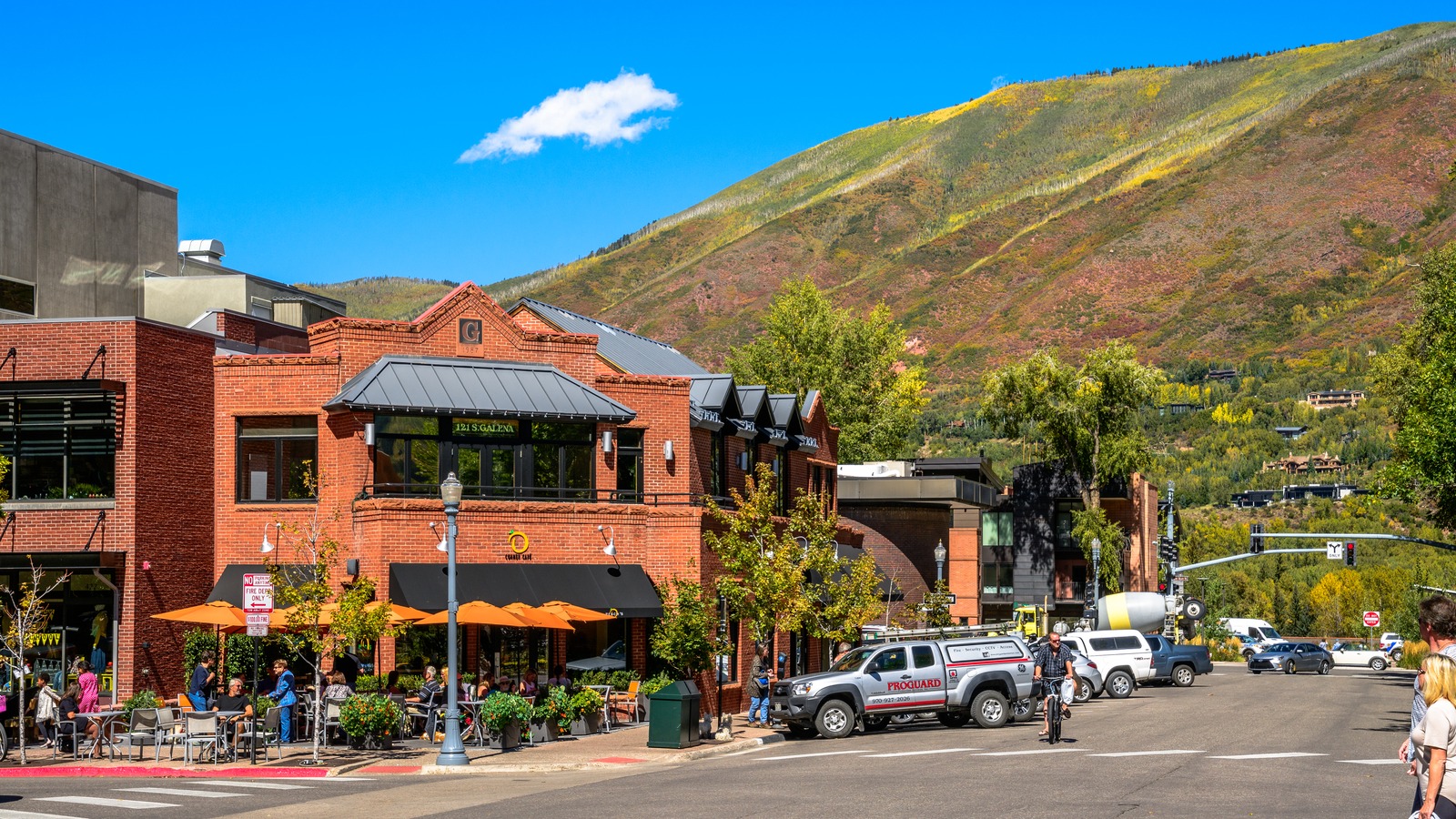
An Aspen street in September 2017. The town and Snowmass Village are separate bases for a stay. Photo: 2017 USA Mountain States - Aspen, Independence Pass, Colorado / dconvertini / CC BY-SA 2.0
Plan a trip that works
Getting around in Aspen Snowmass
Aspen Snowmass has useful public transport, but it is several connected systems rather than one continuous resort shuttle. RFTA links towns and mountain areas, the Town of Snowmass Village runs its own local shuttle, and properties may offer separate services for their guests. The practical plan identifies the actual operator, route, transfer and final walk for each outing instead of assuming that a free ride is always direct or available at the needed hour.
Begin with the accommodation entrance and the places you will use repeatedly. A few well-understood journeys can make a car-free stay comfortable, while an ambitious itinerary across both towns may add more waiting and equipment handling than expected. The Aspen Snowmass trip planner connects the wider vacation; this guide explains how to turn the destination’s transport options into an ordinary day that works.
Explore this guide
- Learn the main places before selecting a route
- Read the current Aspen to Snowmass connection carefully
- Use Snowmass Village Shuttle for local movement
- Move between the four ski mountains deliberately
- Reach Aspen town activities and the recreation center
- Understand free routes and regional fares
- Plan for children, equipment and dogs
- Organize groceries and evenings around the return
- Treat Maroon Bells and other outings as separate journeys
- Decide when a car or booked ride is worth using
01 / Getting around
Learn the main places before selecting a route
Aspen, Snowmass Village and the four mountain bases are separate locations. Downtown Aspen includes the base of Aspen Mountain and Rubey Park transit center, while Aspen Highlands and Buttermilk require their own approaches. Snowmass Village contains Base Village, the Mall and residential areas extending beyond both, so a destination label alone does not identify the last stop or walk you need.
Brush Creek Park and Ride is another important reference point because it connects Snowmass travel with the Highway 82 corridor. A journey can involve a transfer there even when the overall trip is described simply as Aspen to Snowmass. Identify the connection in the current route description rather than assuming that a familiar service name means the same direct ride in every season.
Record the exact address and entrance for accommodation and appointments. A lesson confirmation, restaurant reservation or condo arrival instruction can point to a different place from the broad mountain or building name you entered in a map. This is especially important when a group must arrive together with equipment or when one person needs to return independently before everyone else.
Use the Aspen versus Snowmass comparison if repeated cross-town journeys make the itinerary feel unnecessarily difficult. Choosing a base near the activities you will use most often can remove more transport work than optimizing a complicated daily sequence. The other town can remain a deliberate outing without becoming a compulsory commute for every meal or activity.
02 / Getting around
Read the current Aspen to Snowmass connection carefully
RFTA’s Snowmass route page describes the SM service and currently states that transfers at Brush Creek Park and Ride are required for Aspen-bound and downvalley routes. It also distinguishes the SMV service serving downvalley destinations. Check the actual route and date in the operator’s current tools rather than carrying a remembered direct service into a new visit.
The destination sign matters as much as the route family. RFTA explains that signs identify the furthest destination served, so confirm that the vehicle and direction match the intended connection before boarding. If uncertain, state the destination to the driver instead of relying on another passenger getting on with ski equipment or assuming that all buses at a stop go to the same place.
Build waiting and transfer time into the plan without inventing a universal journey duration. The useful calculation begins at the lodging door and ends at the appointment, including the walk to the first stop and from the last one. A free fare is helpful, but it does not make a multi-leg journey equivalent to stepping out of a slopeside room.
Check the return separately, especially after dinner or an evening event. The service pattern that works during the day may not be the one you want later, and a final connection can determine whether the outing remains practical. Decide on a return departure before committing to a reservation whose ending time would leave the group dependent on an unconfirmed ride.
03 / Getting around
Use Snowmass Village Shuttle for local movement
The Town’s Village Shuttle rider guide explains its numbered route system and provides ways to identify the route serving a particular lodging property. This is useful because Snowmass accommodation is spread across several roads and neighborhoods. Ask the property which route and stop serve the actual entrance, then verify the current schedule rather than treating the nearest stop on a broad map as sufficient.
Base Village and the Mall are separate reference points within that system. A route convenient for reaching the Mall restaurants may involve a different stop or connection for a lesson or activity near Base Village. Write down the destination you need in those terms, and ask the driver for help with the correct stop if you are unfamiliar with the village.
Some stops on Wood Road, Faraway Road and Meadow Road are request-based according to the Town’s guide. Follow the current request instructions instead of assuming that standing at every stop automatically signals the same service. This detail can be especially important for an outlying condo, where the route exists but the rider still needs to take an additional step to obtain the pickup.
The guide also explains how to signal and leave a shuttle, including asking for help when unsure of the destination. Use the marked stopping arrangement rather than trying to intercept a vehicle wherever the road looks convenient. With children or equipment, allow time to prepare for the stop so that the group can leave together without blocking the vehicle or forgetting a bag.
A property shuttle may overlap with the Town’s service but remains a separate operation. Confirm its service area, hours and eligibility for your booking before counting on it as a replacement. If it stops operating earlier than your planned dinner or excludes a dog, the public route or another approved vehicle must still provide a workable return.
04 / Getting around
Move between the four ski mountains deliberately
RFTA describes its Four Mountain Connector as a free winter-only service connecting the Aspen Snowmass mountains. That helps make a multi-mountain vacation possible without driving every day. It does not mean that a ski ticket physically connects the terrain or that the same transport pattern applies outside the winter operating season.
Plan the mountain day around the place where the activity actually begins. A lesson, equipment fitting or group meeting may require arrival before you would otherwise reach the lift, so allow time for those tasks as well as the bus journey. The first ski trip guide helps match age and ability to the lesson mountain before transport is added to the plan.
Changing mountains during a day can consume time in collecting equipment, reaching a stop and starting again at another base. It may be worthwhile for a specific purpose, but a short visit does not require visiting every mountain simply because the pass allows it. A full day at the appropriate mountain can be easier for mixed abilities and for anyone who needs an earlier return.
Agree on the return arrangements when the group separates. One person may finish a lesson while another remains on the mountain, and the shared accommodation should be reachable without forcing everyone to stop at the same time. A clear meeting point, route and contact plan is more useful than assuming that the group will find one another at a busy base later.
Check opening calendars as well as transport. For Thanksgiving 2026, the operator’s projected dates put Aspen Mountain and Snowmass ahead of Highlands and Buttermilk. A bus network and a four-mountain pass do not create an operating ski day at a mountain whose season has not yet started.
05 / Getting around
Reach Aspen town activities and the recreation center
Downtown walking can be the simplest way to combine nearby meals, shops and cultural stops, provided the route suits the group’s mobility and current surfaces. Start with the actual entrance and use crossings and maintained routes rather than assuming that a straight line through a map is practical. A short walk can be pleasant in ordinary shoes while becoming awkward with ski boots, a stroller or several grocery bags.
RFTA’s Castle Maroon route connects Rubey Park with Aspen Highlands Village, the Aspen Recreation Center and the hospital area along Maroon and Castle Creek roads. It is a useful named route for a non-ski outing to the ARC. Check the facility’s session and holiday hours before traveling, because transport to a building does not establish that the activity you want is available there.
Do not confuse Castle Maroon with the seasonal Maroon Bells shuttle. The similar name can make a trip look simpler than it is, but the local route description does not establish service to Maroon Lake. Use the dedicated Maroon Bells access information for that excursion and treat it as a separate reservation and seasonal question.
Aspen’s Downtowner service provides another local option within its mapped service area. The city describes it as free, on-demand, door-to-door transport with its own booking process and hours. It is not a valleywide or airport transfer, and a request is not a guarantee of an immediate vehicle for a time-sensitive appointment.
Before relying on an on-demand option, check any requirement that affects the actual party. Dog permission, child equipment and the ability to accommodate a particular mobility need should be confirmed with the service rather than borrowed from a public-bus policy. The most dependable everyday plan uses the right product for the job and leaves room for the waiting inherent in that product.
06 / Getting around
Understand free routes and regional fares
RFTA’s fare page lists City of Aspen routes and Aspen to Snowmass among its fare-free services. Regional travel is organized differently, with fares based on zones and separate age-related rules. Check the journey’s actual origin and destination before assuming that a free local day also covers an excursion farther down the valley.
The fare page explicitly separates the Maroon Bells shuttle from the ordinary fare chart. That is a useful reminder that a bus operated within the same destination can be a different visitor product with a reservation and separate price. Do not buy or activate a general ticket expecting it to settle a service that has its own booking system.
For a regional trip, choose the appropriate payment method before boarding and follow the current operator instructions. RFTA notes that cash payment requires the exact fare, while mobile and stored-value options have their own procedures. Keep the group organized so that payment does not become a rushed task while children, equipment and other passengers are waiting at the door.
The regional BRT information can help when an outing involves Basalt, Carbondale or Glenwood Springs, but the final local leg still needs to be checked. Reaching a town’s transit stop does not guarantee a convenient walk to a campground, hot-springs entrance or trailhead. The day trips guide compares outings with that complete journey in mind.
A free local service can reduce the need for a rental car without making transport effortless. Treat waiting, walking and equipment handling as real parts of the day even when they do not appear in the budget. This keeps the cost comparison honest and helps identify when a paid transfer provides useful convenience rather than an unnecessary upgrade.
07 / Getting around
Plan for children, equipment and dogs
A family bus journey works best when the adults know what must be carried and how the group will board together. Skis, a stroller, a pet carrier and shopping bags can exceed what the available hands can manage comfortably, even when the operator permits the items. Reduce unnecessary luggage for local outings and check any specific storage or boarding requirement with the actual service.
For ski days, decide whether equipment remains near the mountain or returns to the lodging each evening. A rental or storage arrangement may change the burden of the bus journey, but it must be confirmed with the equipment provider. Do not assume that a lift pass or a condo booking includes storage simply because lockers appear in a photograph or a nearby shop offers the service.
Dog rules differ materially between operators. RFTA requires an ordinary pet to fit and remain in a carrier, while Snowmass Village Shuttle allows controlled, leashed pets on the floor and out of aisles as much as possible. A large dog may therefore fit a Snowmass-local day without having an approved RFTA connection to Aspen; the pet transport guide explains that distinction in detail.
For child seats in a booked vehicle, ask the provider about the exact product rather than applying a public-bus assumption. A private car, shared airport van and municipal bus are different arrangements with different equipment possibilities. Confirm availability and responsibilities ahead of time, especially when the vehicle is the fallback for a late return rather than the primary plan.
Keep the stop name, lodging address and return route available to everyone who may travel separately. A route saved only on the skier’s phone does not help a non-skier returning early. For a solo caregiver, plan an outing the whole supervised group can leave together. In a larger party, agree who accompanies anyone needing assistance and ensure that person has keys, tickets and a usable way home.
08 / Getting around
Organize groceries and evenings around the return
A grocery trip is easier when it is sized to the transport you have. A walkable pickup or modest first shop can be more practical than carrying a full week’s food through several connections. Confirm where a delivery or order can be received if you use that option, because a condo entrance and a hotel desk may handle groceries differently.
Locate the shop relative to the actual accommodation, not just the town name. Snowmass Center, the Mall and Base Village serve different daily patterns, while central Aspen has its own walkable cluster of services. The food and groceries guide helps connect meals with the base so that a kitchen does not create an unexpected transport project every day.
For dinner in the other town, work backward from the return you can comfortably make. Include the walk from the restaurant to the stop and the final connection to the lodging, and leave room for a meal taking longer than expected. If the schedule does not fit, choose an earlier reservation, a nearer venue or a confirmed paid vehicle rather than relying on an unspecified late-night backup.
A dog adds another reason to plan the evening carefully. The restaurant may exclude the animal indoors, the lodging may restrict unattended time and the return vehicle may have its own policy. Resolve those conditions together before deciding that a cross-town meal is easy simply because a bus exists between the towns.
Keep at least one uncomplicated meal option near the accommodation. A weather change, tired child or missed connection can make the ambitious dinner plan unattractive even when it remains technically possible. A local alternative lets the group change course without turning the evening into an argument about recovering the effort already invested in getting there.
09 / Getting around
Treat Maroon Bells and other outings as separate journeys
The Maroon Bells access page lists a reservation-based shuttle from Aspen Highlands during its published season. For 2026, that season ran from May 22 through October 18, so it should not be presented as a Thanksgiving shuttle option. A future visit needs the current seasonal calendar rather than a repeated date from an older itinerary.
Reaching Aspen Highlands is only the first part of that excursion. The separate reservation, boarding arrangement and return have to fit the day, and any parking or local transfer is an additional consideration. A family that can travel comfortably to Highlands has not necessarily completed the planning for Maroon Lake or a longer walk beyond it.
Other outings down the valley have similar last-mile questions. Regional transit may reach a town, but a specific attraction can require another local service, a walk or an arranged vehicle. Check the closing time and return connection before buying an activity ticket, especially when the outing is intended as a backup to weather-dependent mountain plans.
Avoid treating a scenic route or trailhead as an ordinary bus destination without evidence. An attractive place in a destination guide may require seasonal road access or a private arrangement, and a summer image does not establish winter access. Choose the outing only after the full journey fits the party’s abilities, permissions and available time.
10 / Getting around
Decide when a car or booked ride is worth using

A rental car can be useful for particular excursions or a more isolated lodging address, but it adds parking and winter-driving responsibilities. Compare the trips you genuinely need it for against the local services available from the accommodation. A car that remains parked through most of the stay may be less useful than one or two well-chosen paid transfers.
RFTA’s park-and-ride information can help combine a vehicle with public transit. Confirm the lot’s current rules and the return service before leaving the car, and do not treat parking permission as permission to camp or sleep in the vehicle. The RV guide addresses overnight camping separately from an ordinary transit parking arrangement.
For an essential booked ride, specify the party, luggage, animal and exact pickup point in advance. A taxi listed in a directory or an on-demand app is not proof that a suitable vehicle will be available at a particular time. If the ride is the only way to make a return or an airport connection, confirm it as a reservation rather than leaving it as an assumption.
The final test is whether each day’s ordinary movements remain understandable. Know the operator, direction, transfer, final walk and return before leaving, then check current alerts when conditions change. That preparation allows public transport, walking and occasional paid rides to work together without forcing the group into a single transport choice for the entire vacation.
Before you book
Questions before you book
Are buses between Aspen and Snowmass free?
RFTA lists Aspen to Snowmass among its fare-free services. The current SM route description includes a Brush Creek transfer, so verify the actual route and timetable for your date.
Is Snowmass Village Shuttle the same as RFTA?
No. The Town operates its own local village service, with its own routes, request procedures and pet rules.
Can I take Castle Maroon to Maroon Lake?
The Castle Maroon route serves the Highlands, recreation center and hospital areas. Maroon Bells has a separate seasonal reservation-based access arrangement.
Do all four mountains connect by ski trails?
No. They have separate bases, and moving between them requires a road journey even when the same ticket covers skiing at several mountains.
Can I rely on the same service after a late dinner?
Check the return timetable and final connection separately. A useful daytime route does not establish a convenient late-night journey to the accommodation.
Resources for your trip
Sources and useful links
- RFTA fares and free routes
- 4 Mountain Connector - Ski Aspen/Snowmass Bus Routes
- RFTA rider safety and etiquette
- Aspen Snowmass lift tickets
- Maroon Bells summer access and reservations
- Snowmass Village Shuttle rider guide
- RFTA Snowmass Village routes
- RFTA regional BRT routes
- Castle Maroon free shuttle
- Aspen Downtowner
- RFTA park and ride locations
Photograph credits and licenses
- An Aspen street in September 2017. The town and Snowmass Village are separate bases for a stay. Photo: 2017 USA Mountain States - Aspen, Independence Pass, Colorado / dconvertini / CC BY-SA 2.0 · Cropped and resized to 16:9.
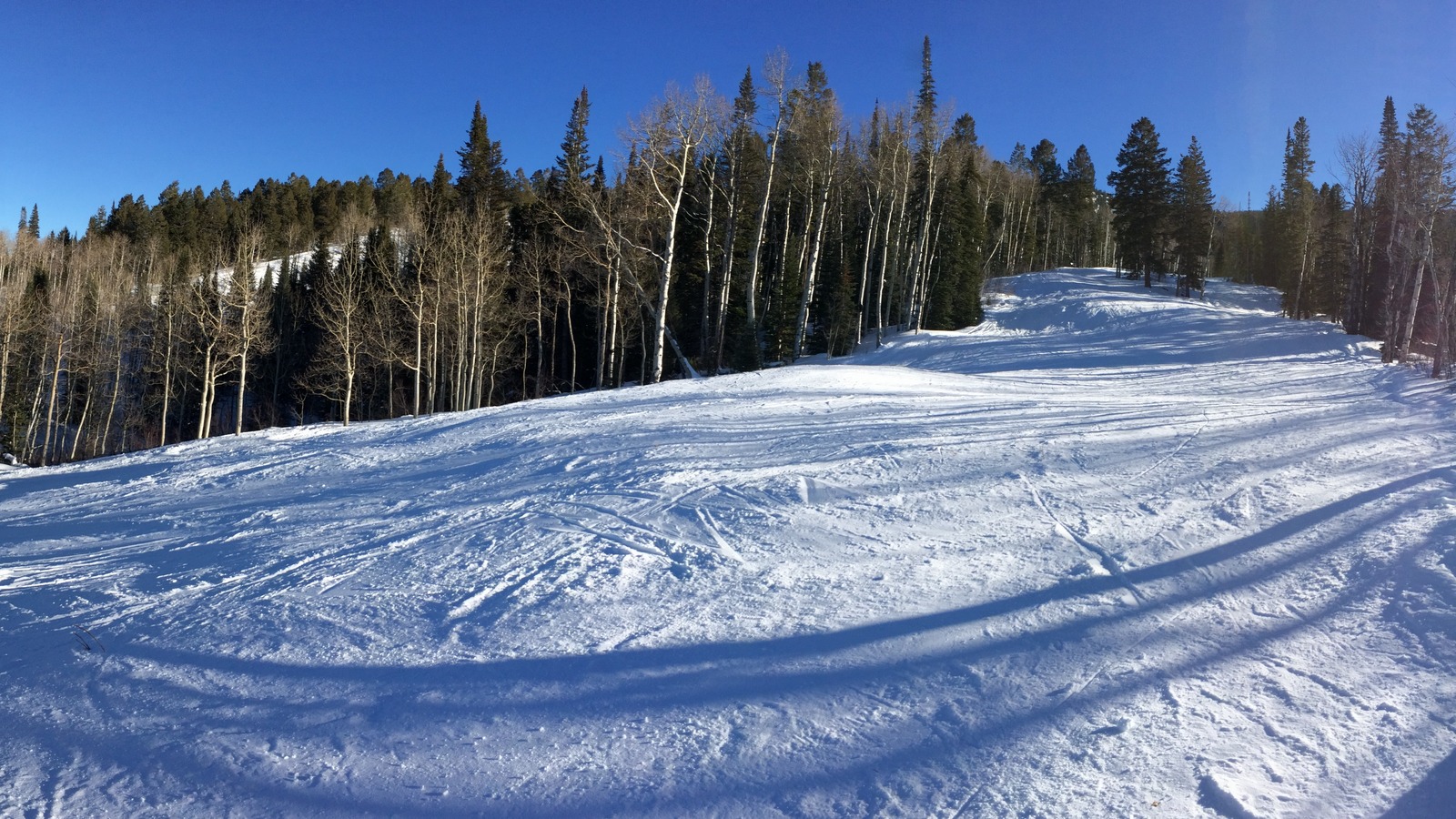
- Snowmass winter scenery, photographed January 2014. Check the mountain report for current operation and conditions. Photo: Snowmass / jfdervin / CC BY-SA 2.0 · Cropped and resized to 16:9.
- Flowers and a street clock in Aspen, photographed September 2019. Town outings can be part of a trip beyond skiing. Photo: Aspen | 190917-1010368-jikatu / jikatu / CC BY-SA 2.0 · Cropped and resized to 16:9.
Plan the complete trip