
Park City / Arrival
Driving From Salt Lake City to Park City: Routes and Winter Planning
Match the route, actual vehicle and parking to the destination and current road conditions.
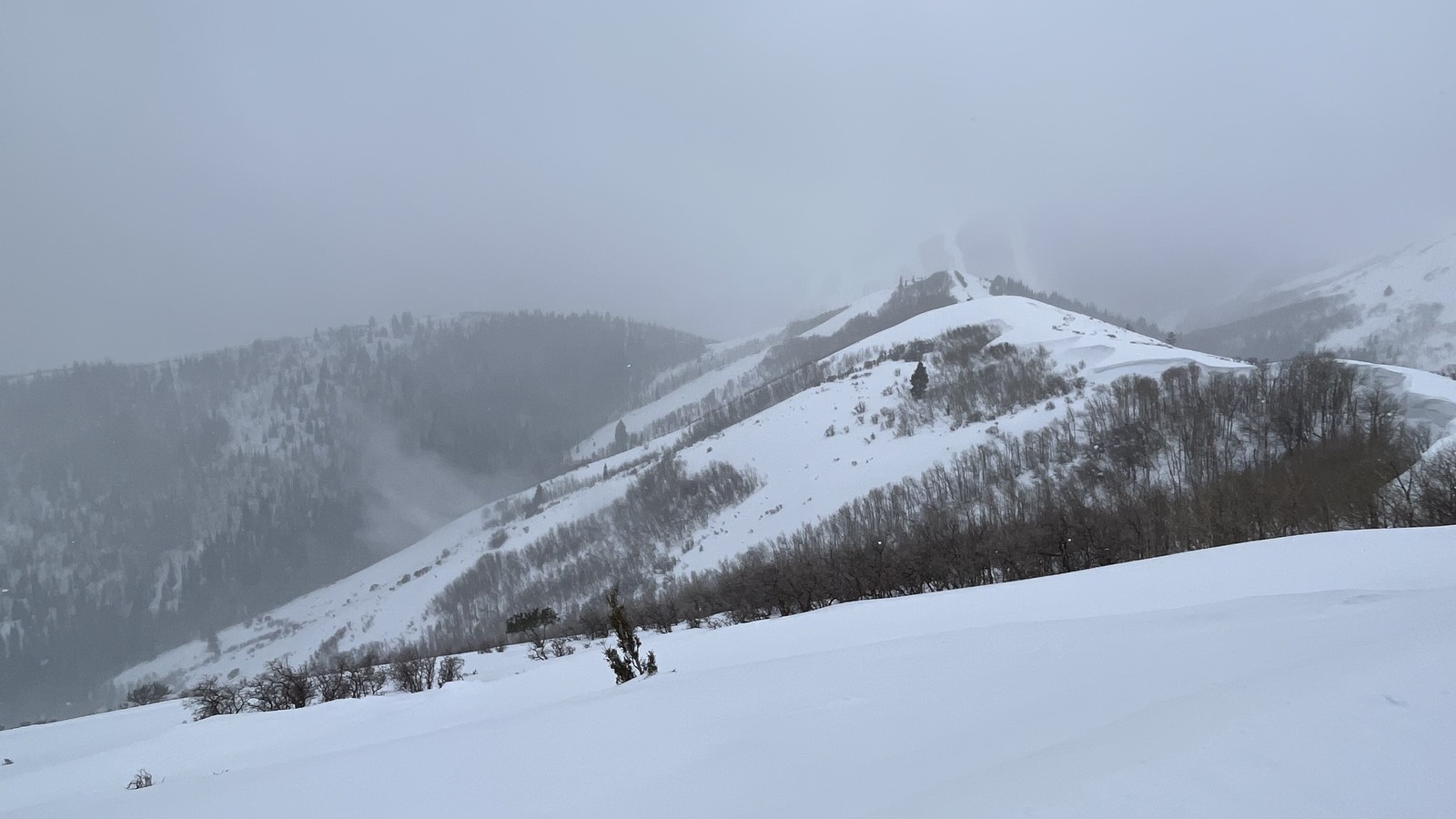
Snow-covered slopes west of Snyderville, photographed in March 2023. Photo: Untitled photograph / Rudi Riet / CC BY-SA 2.0
Plan a trip that works
Driving in Park City
The usual Salt Lake City approach to Park City uses I-80 through Parleys Canyon, followed by the appropriate local route for your destination. For many town and resort addresses that means the UT-224 corridor from Kimball Junction. Deer Valley East Village and other places near Jordanelle have a different approach associated with US-40, so start with the exact property rather than a generic Park City pin.
The road journey is straightforward to identify on a map, but its timing and requirements depend on conditions. Winter traction restrictions, traffic, construction and the final access road all matter. Do not treat a resort’s short advertised airport drive as a guarantee or as the complete allowance for catching a flight.
Use the Park City vacation planner to connect the drive with lodging and activities. This guide is for deciding whether to drive and preparing the actual journey. The airport guide compares flight and transfer options, while getting around Park City helps determine how much you will use a car once you arrive.
Explore this guide
- Put the exact destination into the plan
- Choose the route for current conditions
- Understand traction requirements without guessing
- Inspect the vehicle before loading the whole family
- Plan the drive as part of the arrival day
- Use winter driving habits suited to the road
- Arrange parking before deciding the car is convenient
- Include children, dogs and breaks in the route
- Compare driving with a transfer using the whole cost
- Recheck conditions for every regional outing
- Build the airport return from the full sequence
01 / Driving
Put the exact destination into the plan
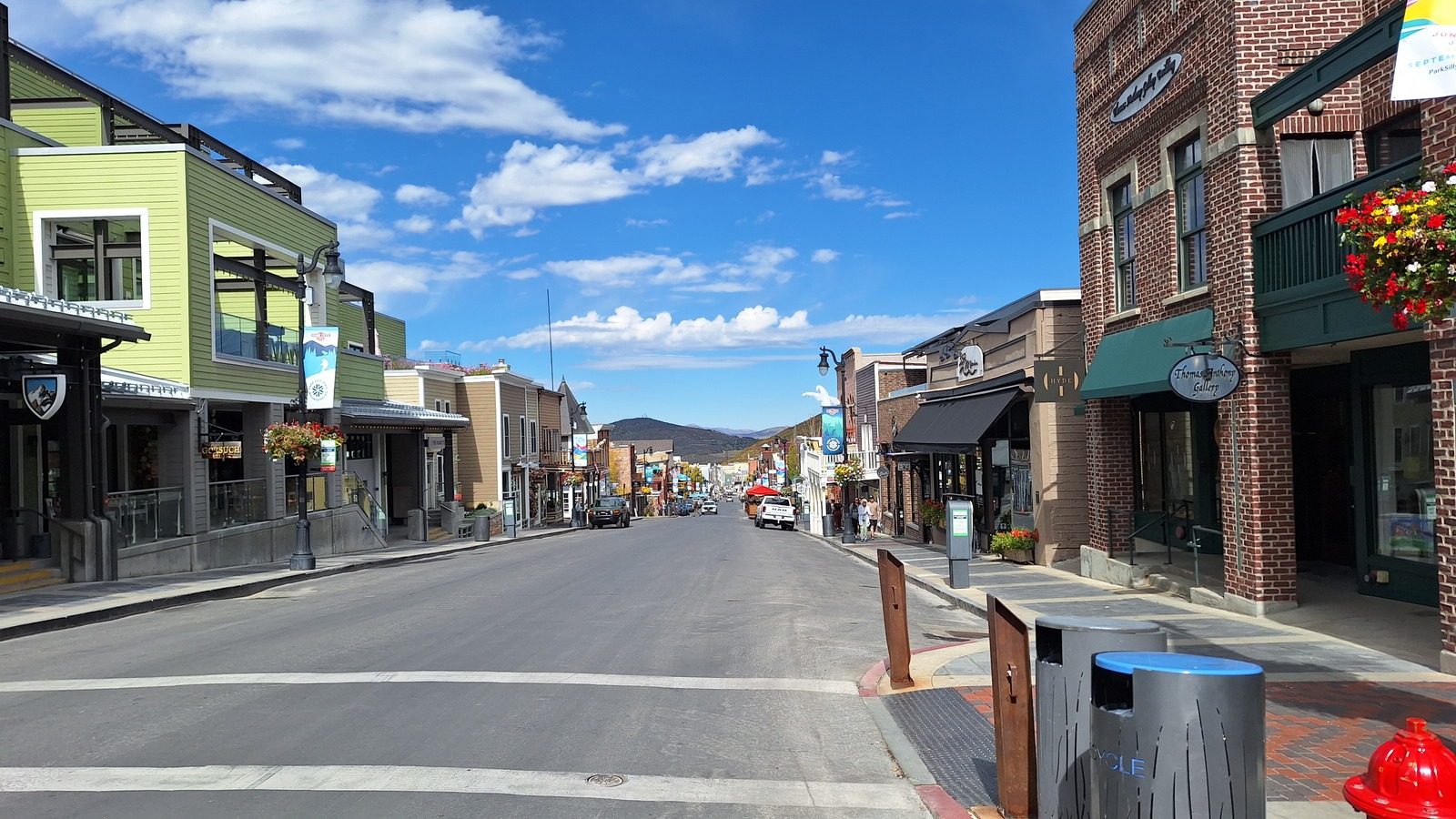
Park City Mountain Village and Canyons Village are separate arrival points at the same resort. Deer Valley is another resort with several base areas. A driver following only a resort name may reach a valid entrance that is inconvenient for the accommodation, lesson or activity booked.
For Park City Mountain, use the current main arrival page and the address attached to your booking. Mountain Village’s principal address is 1345 Lowell Avenue, while Canyons Village uses 4000 Canyons Resort Drive. Confirm the specific parking or loading instructions because the final destination may be a named lot, hotel entrance or equipment shop.
Deer Valley East Village is reached from the US-40 side and should not be treated as the same arrival as Snow Park or Silver Lake. The resort’s development information describes that distinct gateway. Use the current instructions from the exact hotel or service rather than routing through town simply because it is familiar.
Vacation-rental managers may have an office address different from the unit. Establish whether check-in requires an office visit and whether you can drive directly to the residence. A map pin copied from a confirmation footer can otherwise send you to the company’s administrative location instead of the place you will sleep.
Save the destination and entrance instructions before leaving the airport or overnight hotel. Give another adult access to them so the driver can concentrate on the road. If the final approach involves a private lane or garage, request the access code and any vehicle restrictions in advance.
02 / Driving
Choose the route for current conditions
I-80 through Parleys Canyon is the main corridor to understand for the Salt Lake City approach. The local continuation depends on the destination, with UT-224 serving important Park City and Canyons connections and US-40 relevant to Jordanelle and the Heber direction. Let the actual address and current road information determine the final routing.
Use UDOT’s traveler information before departure and again if conditions change substantially. Look at the relevant road segments, restrictions and closures rather than only the weather symbol for Salt Lake City. Conditions at the airport and conditions along the mountain approach are different pieces of information.
Do not improvise a seasonal mountain shortcut to avoid traffic. Guardsman Pass has a seasonal closure pattern and is not a dependable winter crossing. A map application displaying a short geographical connection does not establish that the road is open or appropriate for the vehicle and conditions.
If a route is closed or restricted, follow current official instructions and the driver’s comfort level rather than trying to recover time on an unfamiliar minor road. A delayed arrival can be communicated to the accommodation. Turning the last part of a holiday into an improvised winter detour creates a different problem from ordinary lateness.
For a regional day trip, repeat the route check instead of assuming that arriving successfully in Park City settles every subsequent drive. The Cottonwood canyons, Heber Valley and Salt Lake City involve different corridors and destination rules. A pass that includes another mountain is not a road-access or parking arrangement.
03 / Driving
Understand traction requirements without guessing
UDOT’s Wasatch Back guidance identifies traction restrictions that can affect I-80 in Parleys Canyon, US-40 and parts of the Park City approach. The equipment required depends on the active restriction and the vehicle’s configuration and weight. Road signs and UDOT traveler information communicate the requirements in force.
For ordinary vehicles, the guidance distinguishes AWD or four-wheel drive from two-wheel drive and recognizes different tire markings or approved traction devices. Heavy vehicles have additional provisions. Check the current official rule for the actual vehicle rather than reducing it to a slogan that all SUVs are permitted or every vehicle always needs chains.
Do not transfer the Cottonwood canyons’ specific Class 3 discussion to every Park City journey. The same UDOT page covers several corridors and rule categories, so read the part relevant to the road you will use. A statement about one canyon can be accurate there and misleading when repeated as a statewide instruction.
Ask the rental company to identify the supplied vehicle’s drive system and tire markings. Inspect what is actually delivered rather than relying only on the reservation category. If required equipment is missing or you do not know how to use the permitted arrangement, resolve that before entering the restricted route.
Meeting an equipment rule does not guarantee comfortable driving or eliminate weather risk. Choose a transfer or delay travel if the conditions exceed your experience. The useful decision is whether this vehicle and driver can make this journey appropriately, not whether a marketing label sounds reassuring.
04 / Driving
Inspect the vehicle before loading the whole family
Take time at collection to understand the controls, visibility and luggage arrangement. Identify the lights, wipers, defroster and the way to clear the windows. An unfamiliar vehicle is easier to learn while stationary than during a change in weather on the approach road.
Check that the selected child seats and equipment fit as planned. Passenger capacity and luggage capacity are related but different limits. A car that seats every traveler may not also hold all the ski bags, stroller and suitcases without compromising usable space.
Ask the rental company about permitted traction devices and any restrictions specific to the vehicle. Do not buy an arbitrary set of chains and assume it fits or is allowed. The provider and vehicle instructions should establish the appropriate equipment and procedure where needed.
Consider the accommodation’s garage before accepting a taller vehicle or adding a roof box. Verify height, length and assigned-space limits with the property. The vehicle that seems easiest at the airport can create a new difficulty if it cannot enter the parking arrangement included with the rental.
Keep the rental agreement, support contact and roadside-assistance information accessible. Understand the process for a vehicle problem before the family is waiting outside with luggage. This is a practical part of choosing a rental car, separate from deciding which insurance or coverage option suits your circumstances.
05 / Driving
Plan the drive as part of the arrival day
Landing is not the same as being ready to depart the airport. Allow for the terminal walk, baggage collection, vehicle pickup and loading. If you are bringing skis or a snowboard, include the possibility that oversized equipment is collected separately from ordinary suitcases.
Choose a simple first evening rather than making the drive the opening stage of several timed commitments. A meal at or near the accommodation, essential groceries and a check of the next morning’s route can be enough. This gives the family room to absorb a delayed flight or a slower road journey.
For a late arrival, compare continuing directly with an overnight near Salt Lake City. The decision depends on the conditions, the driver’s fatigue and the family’s schedule. If you choose an overnight, confirm both the hotel’s arrival arrangements and the next morning’s vehicle or transfer plan.
Tell the accommodation if your arrival time changes. Ask how after-hours access works and whether someone needs to receive you. A remote key code may be convenient, but only if the required instructions have arrived and the responsible adult can access them without relying on another traveler’s phone.
Keep food, warm clothing and the items children may need during a delay within reach. The aim is not to predict a specific interruption but to avoid making every routine need depend on unloading the luggage. A calm, flexible arrival plan reduces the pressure to drive faster than conditions justify.
06 / Driving
Use winter driving habits suited to the road
UDOT advises checking conditions and the vehicle before travel, clearing snow from windows and lights, reducing speed and leaving additional stopping room. It also emphasizes giving snowplows room to work. Follow the current official guidance and the vehicle’s instructions rather than treating four-wheel drive as permission to maintain ordinary dry-road behavior.
Keep the schedule flexible enough to follow those principles. A tightly timed restaurant booking or lesson can create pressure that has no place in the driving decision. Change the reservation or notify the provider when necessary instead of making up time on a slippery approach.
Avoid making navigation changes while the vehicle is moving. Ask another adult to handle route information where possible, or stop in an appropriate place before reviewing it. The same applies to messages from the accommodation or a family member asking for an updated arrival estimate.
Be particularly deliberate at the transition from highway to local access. The final road, parking lot or driveway may have different clearing arrangements from the main corridor. A successful interstate journey does not establish the condition of a private entrance several turns later.
If you become uncomfortable with the conditions, choose a safe opportunity to reassess rather than continuing because the destination seems close. Contact the accommodation or transport provider as needed. A mountain vacation should allow the itinerary to change when the practical driving situation changes.
07 / Driving
Arrange parking before deciding the car is convenient
Confirm parking at the accommodation, including whether it is assigned, paid, shared or subject to vehicle limits. Ask how you unload and where you leave the car afterward. A booking that includes one space may not accommodate a second household’s vehicle without a separate arrangement.
Park City Mountain publishes different parking plans for Mountain Village and Canyons Village. Its current 2026/27 page describes temporary surface parking and planned garage changes at Canyons, alongside reservation requirements at Mountain Village. Check the named lot and date instead of treating free parking as automatically reservation-free parking.
The resort’s published arrival information also prohibits overnight parking in its surface lots. A ski-day space should not be treated as permission to sleep in a vehicle or leave it for an extended stay. Travelers with an RV need a separate confirmed overnight location and should use the RV and campground guide.
For a meal or town outing, check the relevant parking information rather than assuming the accommodation’s rules apply elsewhere. A short visit can still involve a walk from the parking location, payment or a restriction during an event. Compare that effort with the actual bus or shuttle journey available from your lodging.
A car can be useful without being used every day. Leaving it parked for a resort visit may avoid a reservation or loading task, while retaining it for a grocery run or regional outing. Make that choice journey by journey instead of feeling obliged to drive simply because the rental has already been paid for.
08 / Driving
Include children, dogs and breaks in the route
Plan breaks around the passengers rather than the shortest uninterrupted driving estimate. Children may need a clothing change, a dog may need a permitted relief stop, and an adult may need an accessible restroom or a break from sitting. Identify suitable stops before setting out. If there is only one driver, allow time to rest without assuming another passenger can take over.
Keep the appropriate restraint and animal arrangements consistent with the vehicle and provider’s rules. If you rent a car, check the rental company’s pet and cleaning policy. If you book a private transfer instead, obtain the operator’s animal and child-seat confirmation for that exact service.
Choose stopping places for their actual facilities and access, not merely because they are near the route on a map. A roadside shoulder is not a family rest area or a place to exercise a dog. If part of the group goes indoors, keep the animal supervised under the applicable rules. A solo traveler may need a different stop or meal arrangement rather than assuming someone can wait with the dog.
Avoid turning the arrival into a large sightseeing circuit. A modest grocery stop may be useful, but several detours can exhaust the group before check-in. Save optional outings for a day when everyone has slept and the weather and road plan can be evaluated on their own merits.
The young-children guide and dog-trip guide help coordinate those daily needs after arrival. The road plan should support them rather than using all the family’s patience before the vacation begins. A simpler first journey often leaves more energy for the next day’s activity.
09 / Driving
Compare driving with a transfer using the whole cost
Add the vehicle rental, fuel, parking and any chosen coverage or equipment charges to the comparison. Include the possibility of paying for a larger vehicle to carry the actual group. A low daily rate is only one part of the cost of having a car throughout the stay.
Compare that with a confirmed airport transfer and the local journeys you would still need. Public transit may cover some days, while a particular outing requires a private ride. Use actual quotes and the same itinerary for both scenarios rather than giving one option an unrealistically simple schedule.
Consider the driver’s role as part of the experience. One adult may prefer not to manage winter roads after a flight or may want an evening without driving duties. That preference can be a legitimate reason to choose a transfer even when the arithmetic is close.
Conversely, a car can provide useful flexibility for a family staying outside convenient routes or making several separate outings. Test those journeys before deciding. A destination with good public transport can still contain individual properties whose last leg is inconvenient for your group.
Use the trip-cost worksheet to compare complete plans. The goal is not to prove that one transport mode is always cheaper. It is to choose the arrangement that fits the address, activities and people you are bringing at an understood total cost.
10 / Driving
Recheck conditions for every regional outing
Arriving in Park City does not make the rest of northern Utah one local driving district. A Salt Lake City museum trip, a Heber Valley excursion and a different ski resort can involve distinct roads and parking arrangements. Choose one main outing and understand its return before adding another destination.
Do not use Guardsman Pass as a presumed winter link between Park City and the Cottonwood side. Seasonal closure is a structural part of the route choice, not merely an inconvenient weather forecast. Plan the open-road journey appropriate to the date and avoid building a schedule around a closed crossing.
Check whether the attraction is operating before beginning the drive. A seasonal activity’s road can be open even when the activity is closed, and a state park can have day-use access while camping facilities are shut. The road and destination are separate confirmation tasks.
Keep the trip proportionate to the group’s energy and the conditions. A child who wants a short period of snow play may not benefit from a lengthy drive to collect another resort name. The day-trip guide helps compare nearby outings by purpose rather than by a list of places to visit.
Return with enough flexibility to respond to changing conditions. Avoid placing a nonrefundable late commitment immediately after a winter road outing unless you are comfortable with the possibility of changing it. A vacation can be full without every available hour being allocated to travel.
11 / Driving
Build the airport return from the full sequence
Start with the airline’s current guidance for the actual flight and baggage. Add loading at the accommodation, the road journey, any rental-car return and the terminal tasks. The final morning is a sequence of activities, not simply the reverse of an advertised airport-to-resort drive.
Check road conditions before the last evening and again before departure. If the forecast or restrictions suggest a more difficult journey, revise the plan while alternatives can still be arranged. A final-night stay nearer the airport is an option to compare when it solves a specific timing problem, not a mandatory addition to every trip.
Make sure all drivers know the rental-return location and fuel or charging terms that apply to the booking. Save the directions and support contact in advance. Last-minute searching for the correct entrance can erase the margin you deliberately built into the journey.
Pack the vehicle so the important travel items are accessible without dismantling the whole load. Check the accommodation for equipment, chargers and children’s belongings before leaving. A return for forgotten items is especially disruptive when the route or flight schedule is already constrained.
The drive is ready when the exact destination, actual vehicle, current restrictions and parking arrangement are all understood. Keep enough flexibility to change the journey if conditions require it. That preparation lets the car serve the vacation without making a fixed travel-time promise the foundation of the trip.
Before you book
Questions before you book
What is the usual Salt Lake City route to Park City?
The main approach uses I-80 through Parleys Canyon, with the local continuation determined by the exact destination. UT-224 serves important town and resort connections, while US-40 is relevant to East Village and Jordanelle approaches.
Is an SUV automatically suitable for winter restrictions?
No. Verify the actual drive system, tires and required equipment against the current UDOT restriction for the route. A rental category alone does not establish compliance or driving suitability.
Can I use Guardsman Pass as a winter shortcut?
Do not rely on it. Guardsman Pass has seasonal closures, and the current official road status must control the route.
Is free resort parking always available without a reservation?
No. Rules vary by lot and date, and free periods can still require a reservation. Check the current resort parking instructions for the named location.
Should I drive or book an airport transfer?
Compare the complete itinerary, parking, winter-driving comfort and actual quotes. A transfer may suit a stay centered on convenient local routes, while a car can help with a different base or several independent outings.
Resources for your trip
Sources and useful links
- Park City Mountain current arrival and parking
- Deer Valley East Village approach and development information
- UDOT Wasatch Back traction guidance
- UDOT winter driving guidance
- UDOT seasonal road closures
- UDOT current traveler information
- Salt Lake City airport ground transportation
Photograph credits and licenses
- Snow-covered slopes west of Snyderville, photographed in March 2023. Photo: Untitled photograph / Rudi Riet / CC BY-SA 2.0 · Cropped and resized to 16:9.
- Historic Main Street in Park City, photographed in October 2026. Photo: Park City, UT_Cutler_20261006_122955 / Wendy Cutler / CC BY-SA 4.0 · Cropped and resized to 16:9.
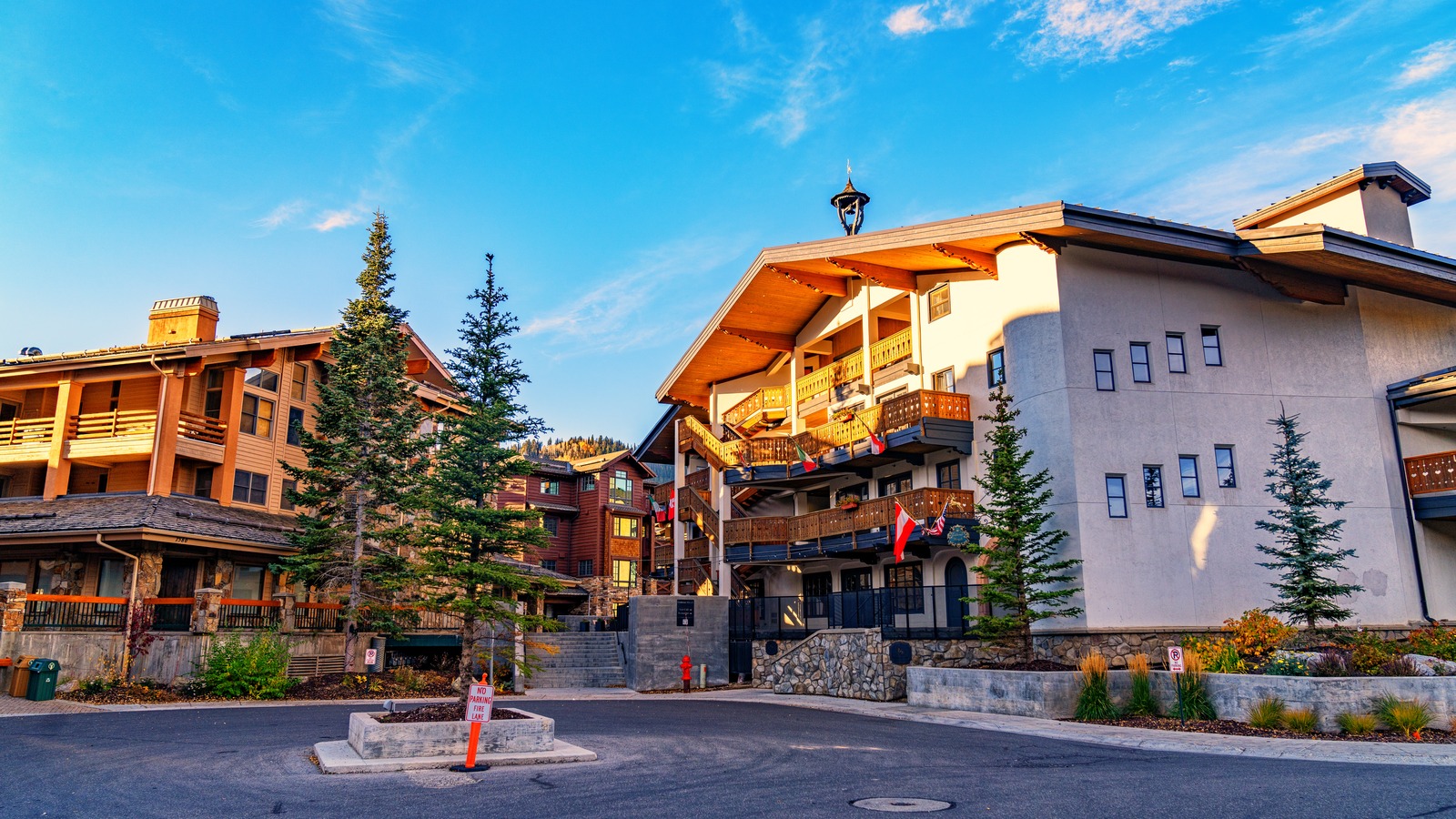
- Silver Lake Village at Deer Valley, photographed in October 2022. Photo: Silver Lake Village and Goldener Hirsch - Park City - Utah / Tony Webster / CC BY-SA 2.0 · Cropped and resized to 16:9.
Plan the complete trip