
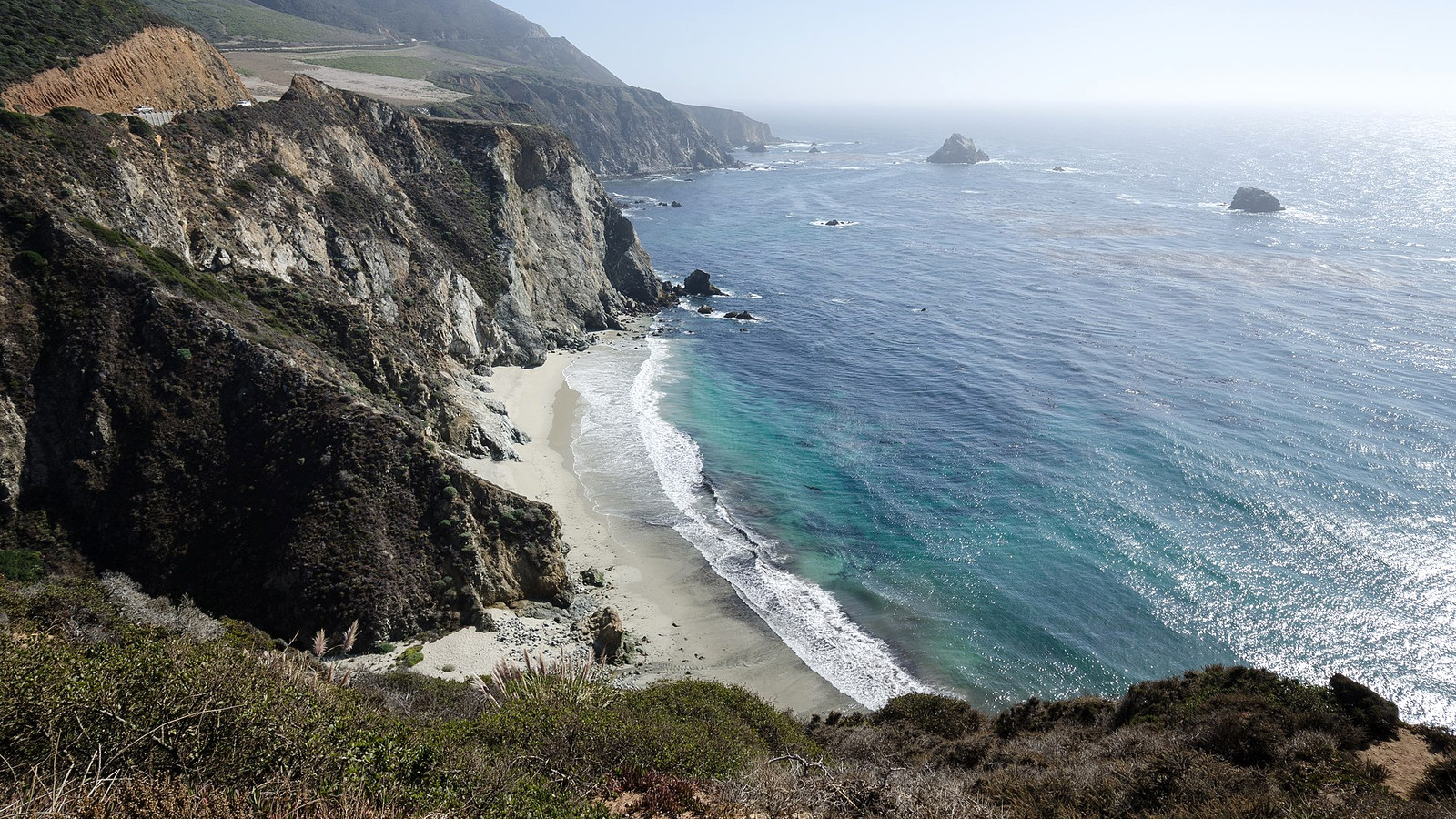
Tuxyso, Wikimedia Commons, CC BY-SA 3.0; cropped and adjusted by Deep Arrival.
First California route
California Road Trip: An 8 to 12 Day First Route
Use four modules: San Francisco, Yosemite, the Central Coast, and Los Angeles. Eight days requires one coast or mountain cut; ten to twelve days supports all four only when Caltrans and National Park Service road conditions keep the route connected.
Use four modules: San Francisco, Yosemite, the Central Coast, and Los Angeles. Eight days requires one coast or mountain cut; ten to twelve days supports all four only when Caltrans and National Park Service road conditions keep the route connected.
Fast read
What matters first
Use this page as the practical filter before you open booking pages, maps, or official policy documents.
Eight days
Choose San Francisco, Yosemite, and Los Angeles with a direct inland transfer, or choose San Francisco, the Central Coast, and Los Angeles without Yosemite.
Ten days
Use two nights in San Francisco, two in Yosemite, two on the Central Coast, and two in Los Angeles, with transfer nights or arrival margins.
Twelve days
Add one recovery night and one deeper module night. Do not use the extra time to create a new one-night base.
Decision system
The planning sequence
Use the sequence below to decide how this should shape the trip.
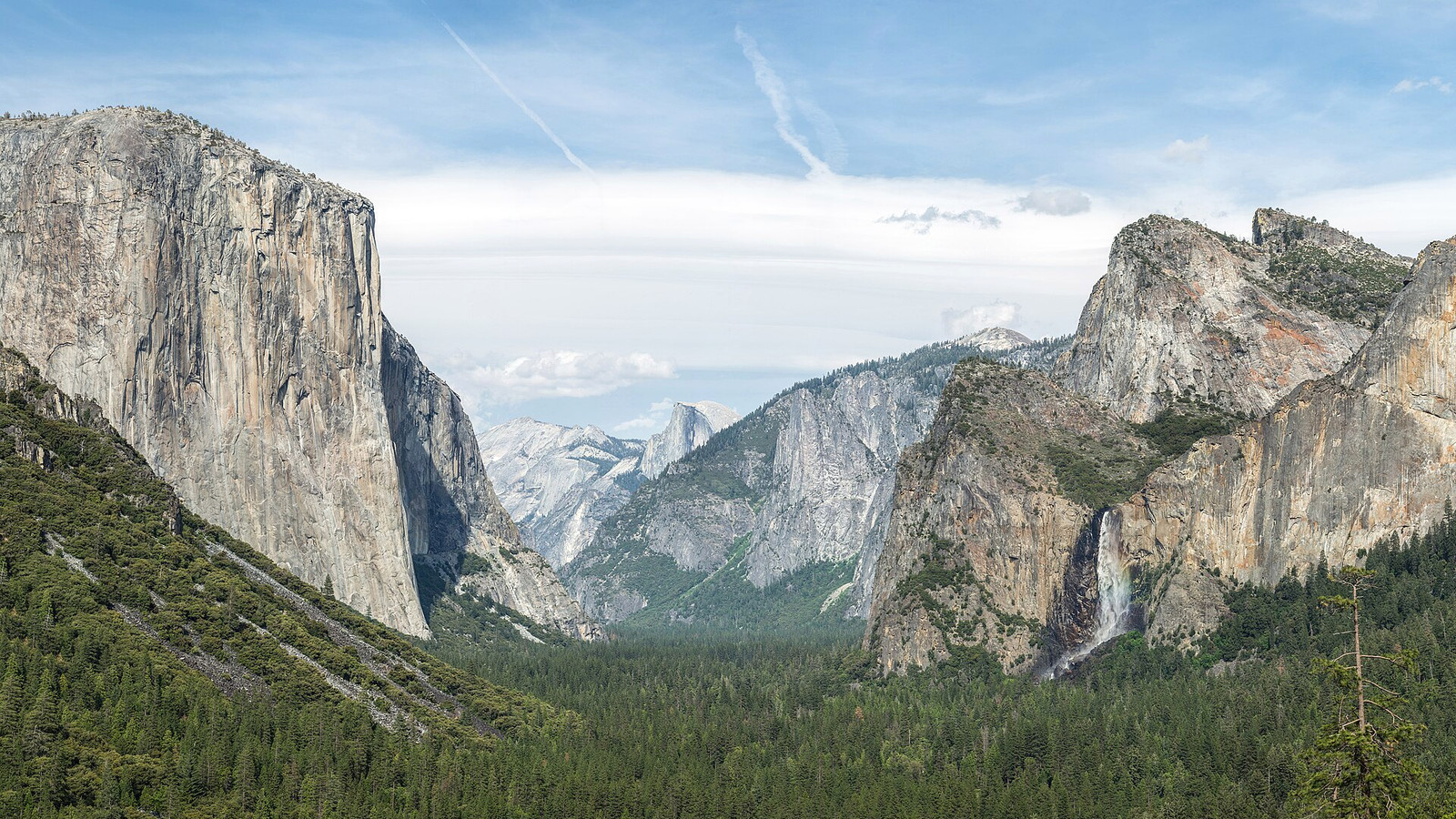
David Iliff, Wikimedia Commons, CC BY-SA 3.0; cropped and adjusted by Deep Arrival.
Mountain module
Yosemite is a road-status branch, not a fixed shortcut
Yosemite's open entrances, high roads, parking, and traffic controls can change how the park fits between San Francisco and the coast.
Check the National Park Service current-conditions page and choose the next transfer from the route that is actually open.
Use four modules instead of one giant checklist
The route is San Francisco, Yosemite, the Central Coast, and Los Angeles. Each module needs at least two nights to feel like a place rather than a parking stop. Eight days requires removing either Yosemite or the coast. Ten to twelve days can support all four when the live road network stays connected.
Days 1 and 2: start in San Francisco
Use two nights for one compact city day and an arrival buffer. Delay the rental car if parking and urban driving add no value. Alcatraz, waterfront sights, or neighborhood plans should be chosen before adding a distant day trip. Collect the car when leaving for Yosemite or the coast.
Days 3 and 4: give Yosemite two nights
Choose the entrance and lodging base from the roads that are open, not from a generic map. The National Park Service current-conditions page controls park-road status. Tioga Road and Glacier Point Road are seasonal, and a closed Tioga Road removes the direct eastern Sierra crossing. Build the park stay around one full day plus arrival and departure margins.
Use Yosemite traffic guidance inside the park
Parking can fill early during busy periods. Follow current National Park Service traffic guidance, park once when possible, and use available shuttles or walking routes. A crowded park day should not be followed by the longest transfer of the trip.
Treat the Yosemite-to-coast move as a full transfer
A route from Yosemite toward Monterey or Carmel crosses inland California before reaching the coast. Choose one planned stop and protect the arrival. Do not assume Tioga Road helps a westbound coast trip, and do not add a southern Sierra park unless the itinerary explicitly expands.
Days 6 and 7: use one Central Coast base
Base in Monterey, Carmel, or another location matched to the booked route. Use one day for nearby coast and Big Sur access. The full Pacific Coast itinerary covers any multi-state or long Highway 1 progression, while this page uses the coast only as one California module.
Let Caltrans decide whether Highway 1 is a through road
Caltrans road information is the controlling live source for state-highway conditions. If Highway 1 is disrupted, keep the coast as an out-and-back from the open side or use an inland route toward the next base. Never make a hotel or flight depend on an unverified through connection.
Day 8: move south with a stop cap
Choose no more than two anchor stops between the Central Coast base and Santa Barbara or Los Angeles. Meals, parking, viewpoints, and city traffic consume the margin. Cut the final optional stop when arrival starts moving into the evening.
Days 9 and 10: finish in Los Angeles by neighborhood
Use two nights and group activities geographically. The car can help with spread-out neighborhoods but can also add parking cost and friction. Return it when the remaining plan is compact or when the departure-airport transfer works better without it.
Use days 11 and 12 for depth and recovery
Add a third night to Yosemite, the coast, or Los Angeles, plus one flexible day. The extra days protect weather, road changes, and a slower arrival. They should not create San Diego, Sequoia, Death Valley, and Lake Tahoe branches in the same first trip.
Choose the eight-day version honestly
For San Francisco, Yosemite, and Los Angeles, use an inland transfer and skip the Central Coast module. For San Francisco, Monterey and Big Sur, and Los Angeles, skip Yosemite. Both routes are stronger than squeezing all four modules into a sequence of one-night stays.
Connect to the detailed pages without repeating them
Use the Yosemite-to-Kings Canyon guide only if the Sierra pairing replaces the coast. Use the Carmel guide for a selected coast base and the Southern California beach comparison for the final beach decision. Those pages provide the detailed planning while this route supplies the first-trip sequence.
Planning traps
Mistakes to avoid
These are the small decisions that quietly derail an otherwise good plan.
California's scale turns an unbounded list into repeated transfer days.
Check Caltrans and keep an inland alternative before binding lodging or flights.
Two-night modules protect full days and absorb traffic or road changes.
Tioga and Glacier Point roads require current checks and may close for winter.
Use spare days for depth and recovery instead of Tahoe, Death Valley, or San Diego scope creep.
Sources checked
Official and supporting references
Use these references to confirm live prices, dates, rules, and operating details before money changes hands.
Staying over? Compare hotels for this trip at Expedia.
Deep Arrival earns a commission when you buy through partner links. It does not change the price you pay.
FAQ
Common planning questions
How many days do you need for a California road trip?
Can you do San Francisco, Yosemite, and Los Angeles in one week?
Is Highway 1 always open through Big Sur?
When is Tioga Road open?
Should you rent a car in San Francisco?
Continue planning