
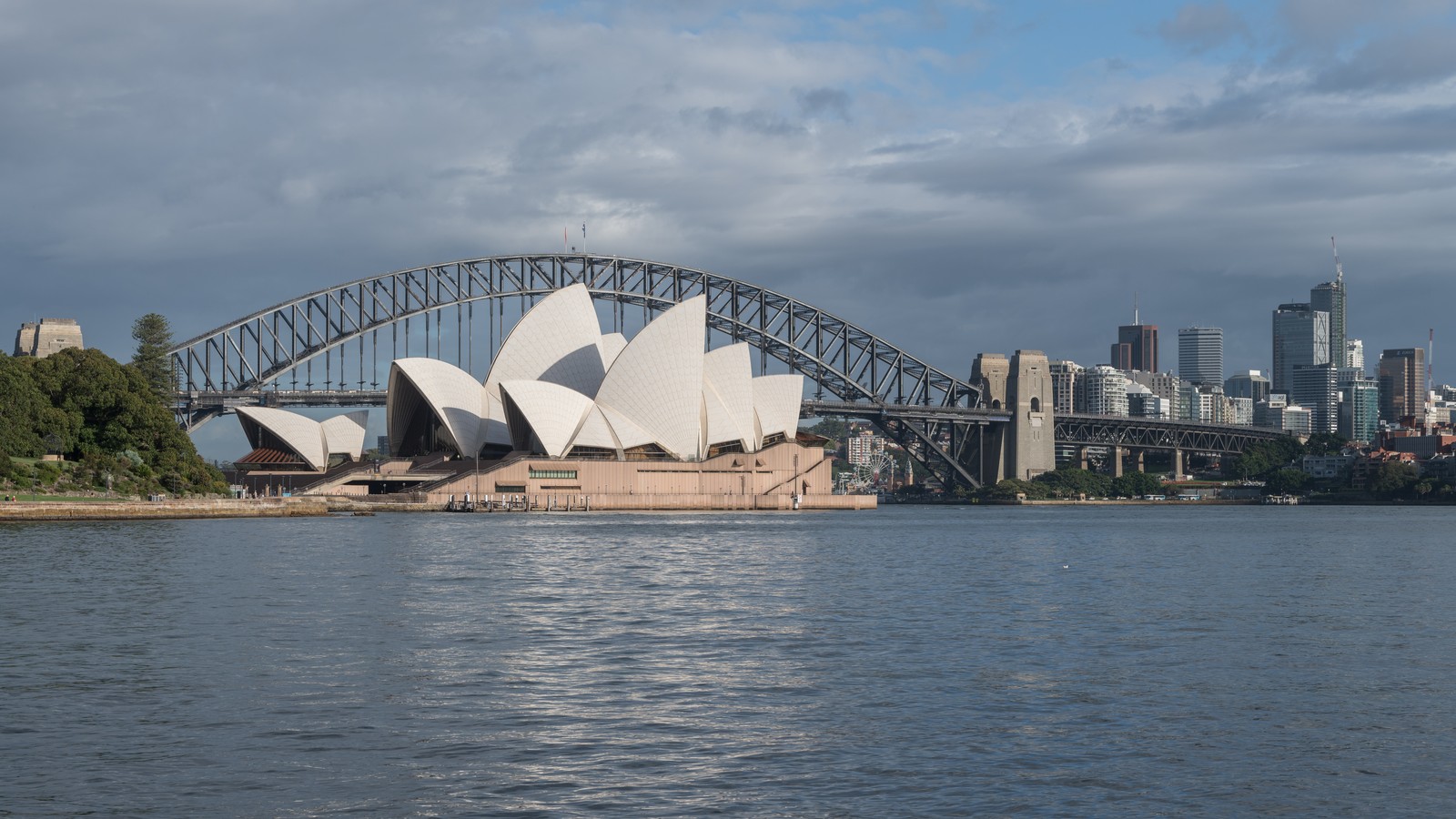
Photo: DXR, via Wikimedia Commons.
Destination timing
Best Time to Visit Australia
Australia is too large for one perfect month, but spring and autumn are the safest all-around windows. Use the month by month table to decide when the south, the tropical north, the outback, and the reef line up with your trip.
Australia is too large for one perfect month, but spring and autumn are the safest all-around windows. Use the month by month table to decide when the south, the tropical north, the outback, and the reef line up with your trip.
Fast read
What matters first
Use this page as the practical filter before you open booking pages, maps, or official policy documents.
Fast answer
The best time to visit Australia for most travelers is March to May or September to November, when southern cities are mild, the tropical north is entering or leaving its dry season, and prices are usually easier than the December to January peak.
Best fit
March works well for first shoulder month for broad itineraries.
Main exception
Choose a peak month only when the trip goal makes the tradeoff worthwhile.
Decision system
The planning sequence
Use the sequence below to decide how this should shape the trip.
Region split
The best month changes once the trip leaves the headline city
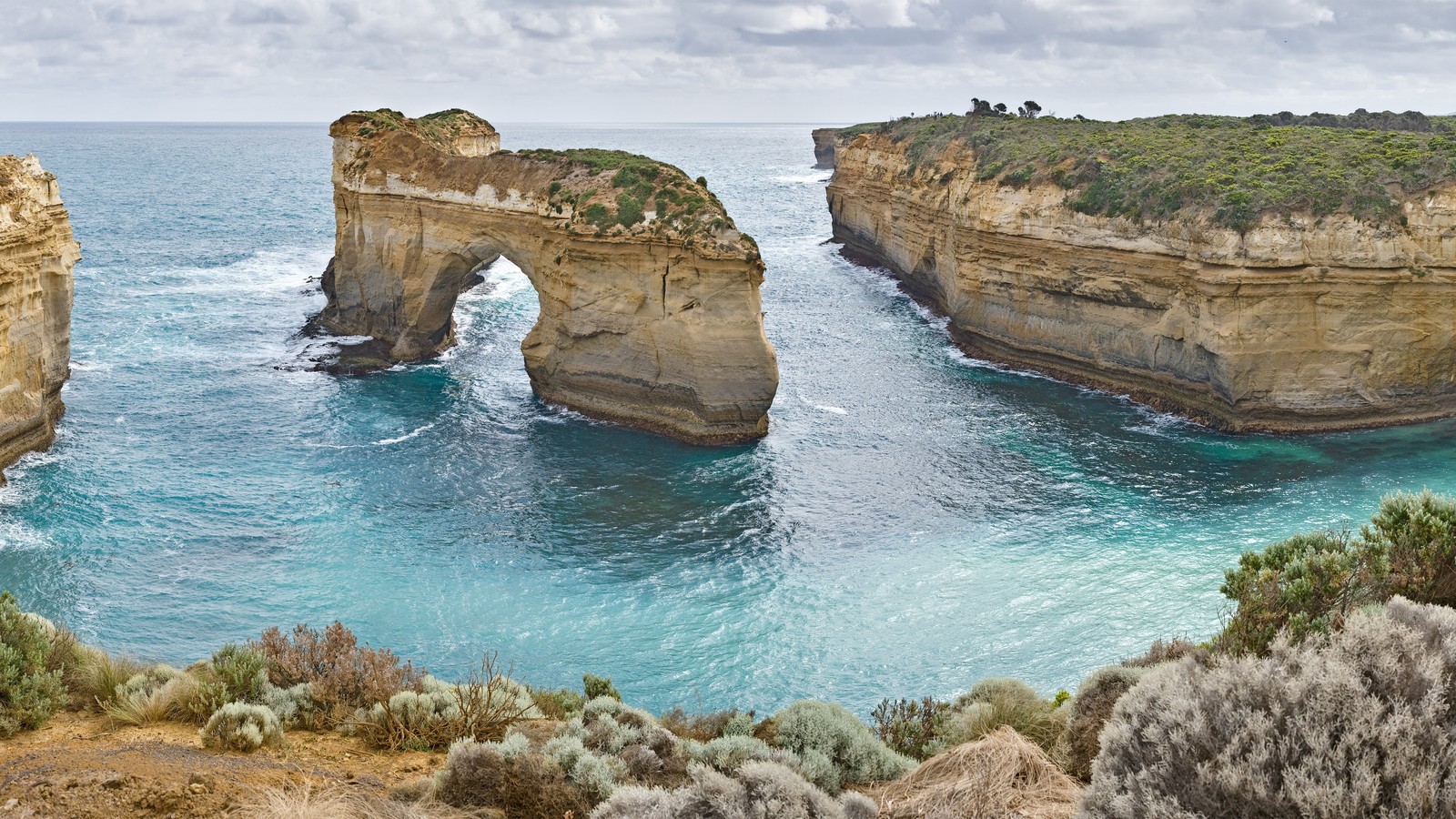
Australia timing gets clearer when the headline month is separated from regional exceptions. City, coast, island, and inland trips can all need a different final check.
Start with the broadest useful window
The best time to visit Australia for most travelers is March to May or September to November, when southern cities are mild, the tropical north is entering or leaving its dry season, and prices are usually easier than the December to January peak.
Split the trip by region
Australia timing gets clearer when coast, cities, islands, inland regions, and mountain or desert trips are treated separately. The national answer should stay visible, but the route needs a regional check before booking.
Use peak season with a reason
July is strongest for dry season north, ski or winter city trips, but the planning note is the tradeoff: excellent for darwin, kakadu, cairns, and the red centre, but domestic school holidays add pressure.
Use low season for value trips
January can fit southern beaches, school holiday trips, festivals, but it should be chosen for that specific trip style. Travelers should expect the tradeoffs named in the month table rather than treating low season as a universal shortcut.
Check current conditions before booking
September is a strong planning anchor, but current weather alerts, holiday timing, and major events still decide the final booking. Keep those checks separate from the evergreen month-by-month answer.
Planning traps
Mistakes to avoid
These are the small decisions that quietly derail an otherwise good plan.
Large destinations need regional exceptions near the top, especially when coast, inland, island, and mountain conditions split.
Climate normals help with planning, but the final booking decision still needs current alerts and flexible logistics.
A good weather month can still be crowded or expensive when local calendars push demand.
Keep the national timing answer clear, then send city-specific planning to the right internal guide.
Sources checked
Official and supporting references
These are the references checked while writing this page, so you can confirm live prices, dates, rules, and operating details before money changes hands.
Staying over? Compare hotels in Australia at Expedia.
Deep Arrival earns a commission when you buy through partner links. It does not change the price you pay.
FAQ
Common planning questions
What is the best time to visit Australia?
What is the cheapest time to visit Australia?
What month should you avoid in Australia?
Is summer a good time to visit Australia?
How should this page be checked before booking?
Continue planning