
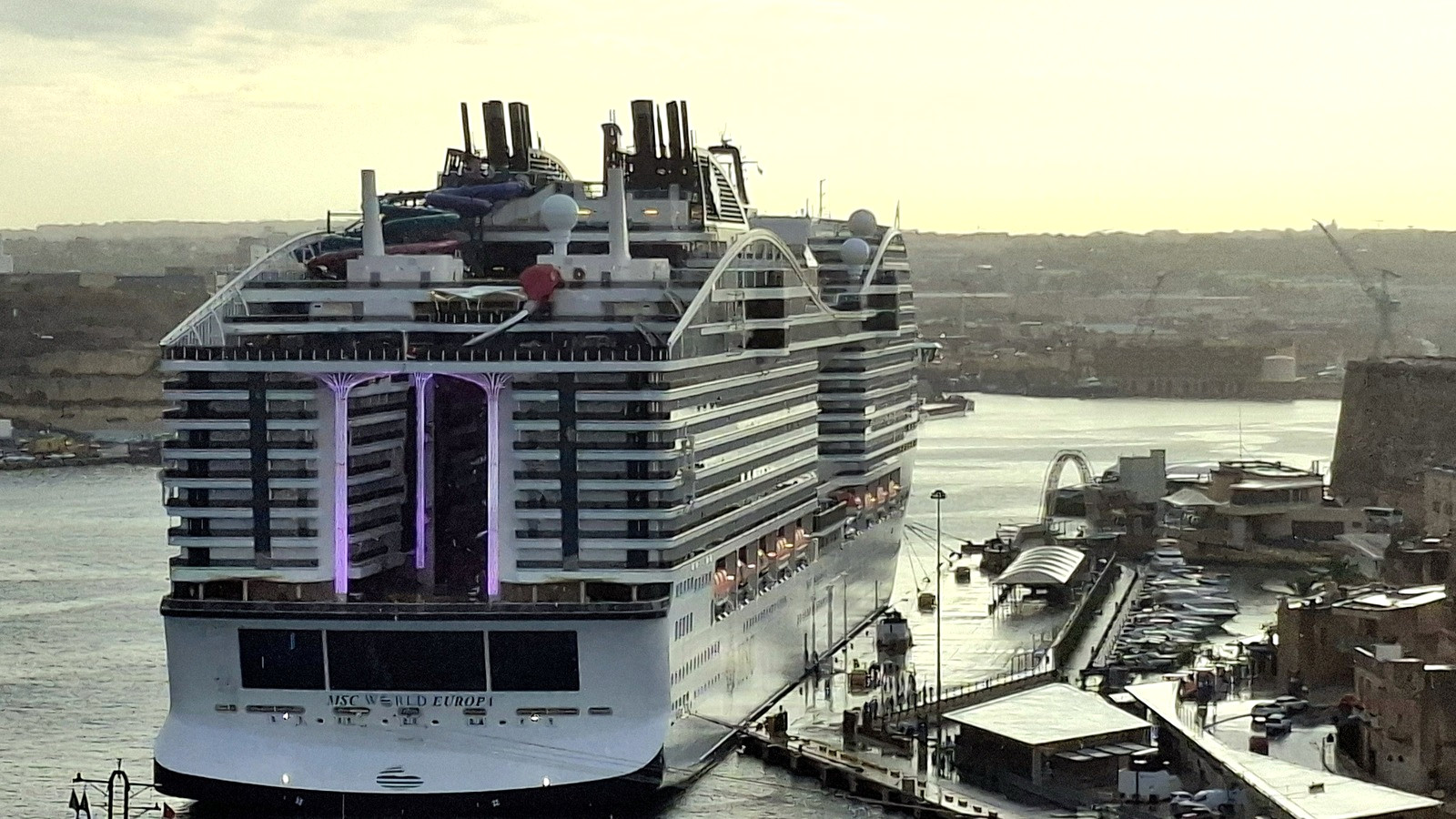
VynedJ, via Wikimedia Commons, CC BY 4.0. Cropped to 16:9 for Deep Arrival.
Cruise port guide
Valletta Cruise Port Guide: Quays, City Access and Return Planning
Valletta's cruise waterfront sits below the fortified city, so a short map distance can still include quay walking, a vertical connection, heat and a final security return. Confirm the ship and quay, then choose one route between the terminal area and the city level.
Valletta's cruise waterfront sits below the fortified city, so a short map distance can still include quay walking, a vertical connection, heat and a final security return. Confirm the ship and quay, then choose one route between the terminal area and the city level.
Fast read
What matters first
Use this page as the practical filter before you open booking pages, maps, or official policy documents.
Quay check
Confirm the ship, date and current quay through the cruise line and Valletta Cruise Port schedule. Do not navigate only to Valletta Waterfront.
City access
Choose a verified lift, walking, taxi, bus or booked vehicle route by mobility, heat and crowding. Recheck any lift or transport operation on arrival.
Return rule
Set the turn back from all aboard and include the descent to the waterfront, quay distance, security and gangway margin.
Decision system
The planning sequence
Use the sequence below to decide how this should shape the trip.
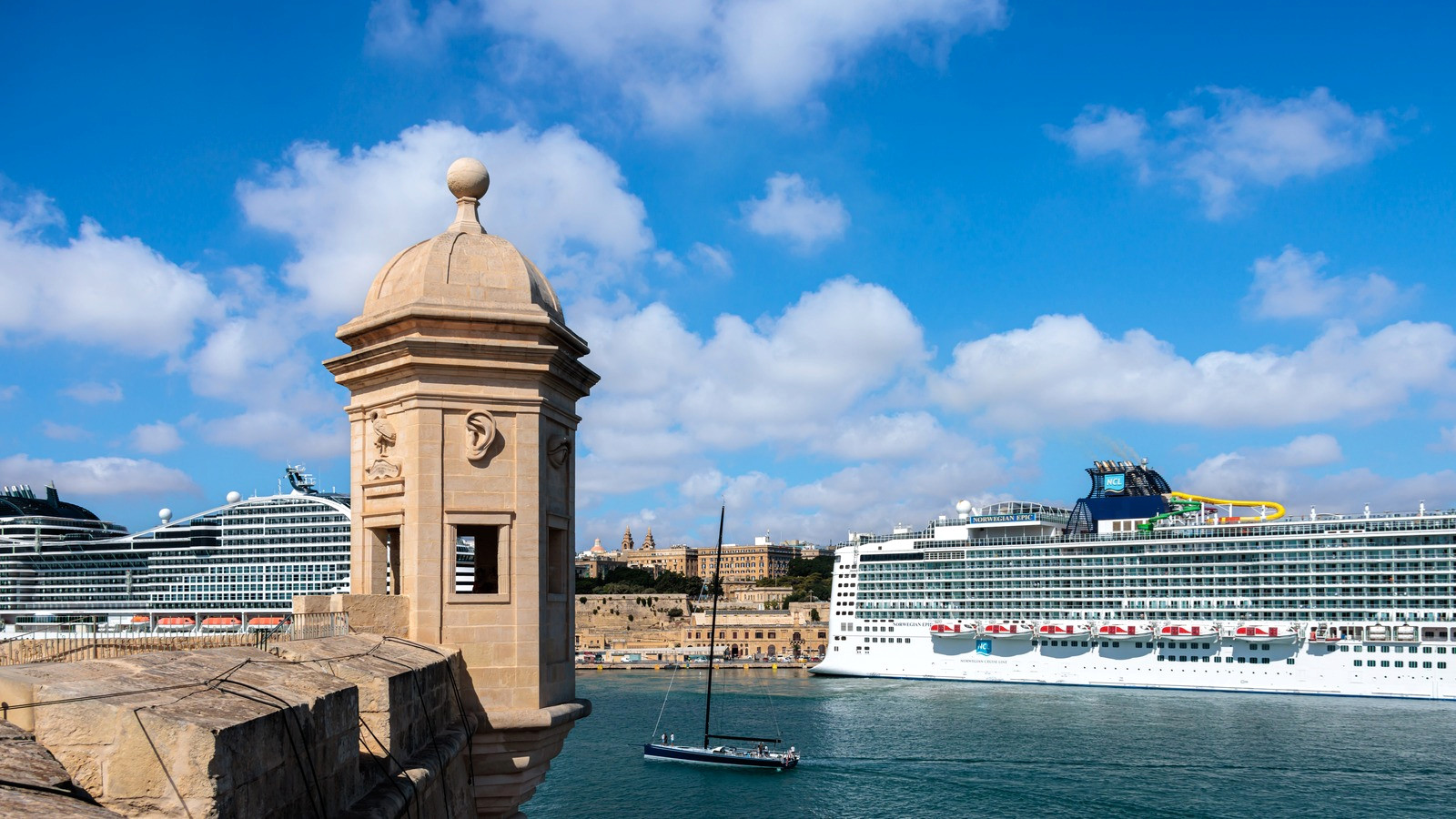
TerryDOtt, via Wikimedia Commons, CC BY 4.0. Cropped to 16:9 for Deep Arrival.
Waterfront levels
Valletta access includes a vertical decision
The cruise waterfront and the upper city are close on a map but separated by grade, quay distance and the chosen lift, road or walking connection.
Confirm the ship's quay first, then make the return through the same verified port entrance part of the plan from the start.
Confirm the quay and passenger entrance
The Valletta Cruise Port overview provides official port and terminal context for the waterfront operation. Match the ship and sailing date to the cruise line and current schedule before estimating a walk or booking a driver. Save the exact quay or passenger entrance offline. Valletta Waterfront is a useful orientation name, but it does not replace the berth, terminal security or gangway location. If the ship information changes, rebuild the first and final legs. Do not publish a permanent claim that a line or ship always uses one quay because operating assignments can change.
Use the current port schedule as a cross check
The Valletta Cruise Port schedule is the official current source for expected ship calls. Use it to cross-check the date and port context, then let the latest ship instruction control the passenger deadline and final entrance. Record all aboard separately from the scheduled sailing time. A schedule is not a guarantee against operational changes, so the page should teach verification rather than repeat a static list. When several calls share the port, allow more time for vehicle demand, waterfront crowding and security even if the geographic distance remains short.
Choose the city-level route before leaving
Valletta Cruise Port transportation information is the authoritative starting point for current passenger connections. Decide whether the group will use a lift connection, walk, taxi, bus or booked vehicle only after the actual quay is known. Recheck the lift or transport operation on arrival and do not promise a permanent schedule or fare. A direct vehicle may be the more resilient option for mobility needs or high heat. A walking branch should include quay distance, grade, shade, surfaces and the reverse route back to port security.
Verify terminal facilities and accessibility
The port's frequently asked questions publish current passenger facility and accessibility context. Use them to confirm what is available inside the terminal area, then distinguish that support from the full city route. A terminal can be accessible while the curb, lift queue, uphill segment or public vehicle remains difficult. Ask the cruise line where assistance begins and ends. Choose fewer handoffs when the traveler uses a mobility device, cannot stand for long periods or needs shade. Keep a verified vehicle fallback even when the primary route is short.
Use public transport only after solving the quay
Malta Public Transport publishes current official service information, including the Valletta ferry page and other network tools. A bus or ferry can extend the transport plan, but the passenger must first reach the correct stop or landing from the assigned quay. Check the live service and complete return chain near travel. Do not publish fixed fares, intervals or a last service as durable facts. If the route depends on one connection, begin the return while a taxi or direct vehicle remains available as a fallback.
Cruise cabin gear
The small fixes that make an interior stateroom livable, every pick cruise-line compliant.


Keep city access separate from attraction planning
This page should explain the waterfront, the city-level handoff, transport choices, mobility and the return. The live Valletta day guide owns the Upper Barrakka, Grand Harbour and other attraction decisions. Avoid turning a port logistics page into a ranked sightseeing list because that fragments the established intent. Once the passenger reaches the chosen upper-city point, send planning to the existing guide. The return instruction should begin from a clear city-side meeting point and end at the named port entrance, not simply at the general waterfront.
Let heat and crowds widen the margin
Malta heat, sun and several simultaneous calls can slow the quay walk, lift queue and vehicle pickup. Carry water as allowed, protect travel documents and decide which segment can be removed. Do not assume the downhill return is automatically faster because crowded approaches and port screening remain. If the lift is unavailable or heavily queued, move to the preselected vehicle or walking fallback before the schedule becomes fragile. Begin the return while more than one route remains practical, especially for a traveler who needs shade, seating or step-free access.
Protect the final waterfront and security handoff
Work backward from all aboard through the city-level descent, road or lift wait, quay walking, security and gangway distance. Confirm the port entrance before moving inland and photograph temporary signs. Give a driver the named terminal context rather than only Valletta Waterfront. If the route develops friction, remove the final city segment instead of borrowing from the ship margin. The plan is complete only when the group can repeat the final handoff without searching. Recheck the ship card, identification and access rules before joining the port queue.
Planning traps
Mistakes to avoid
These are the small decisions that quietly derail an otherwise good plan.
The traveler still needs the ship-specific quay and passenger security entrance.
Quay distance and a lift, road or uphill connection affect the real route.
Verify current operation and preserve another route.
Shade, crowds, grade and the slowest traveler can materially change timing.
The live Valletta day guide owns sightseeing and itinerary choices.
Quay walking, screening and the gangway remain after the city descent.
Sources checked
Official and supporting references
Use these references to confirm live prices, dates, rules, and operating details before money changes hands.
Landing abroad? Set up a Yesim eSIM before you sail.
Deep Arrival earns a commission when you buy through partner links. It does not change the price you pay.
FAQ
Common planning questions
Where do cruise ships dock in Valletta?
Can you walk from Valletta cruise port to the city?
Is there a lift from the cruise port to Valletta?
Can I use public transport from Valletta cruise port?
How early should I return to the ship in Valletta?
Continue planning