
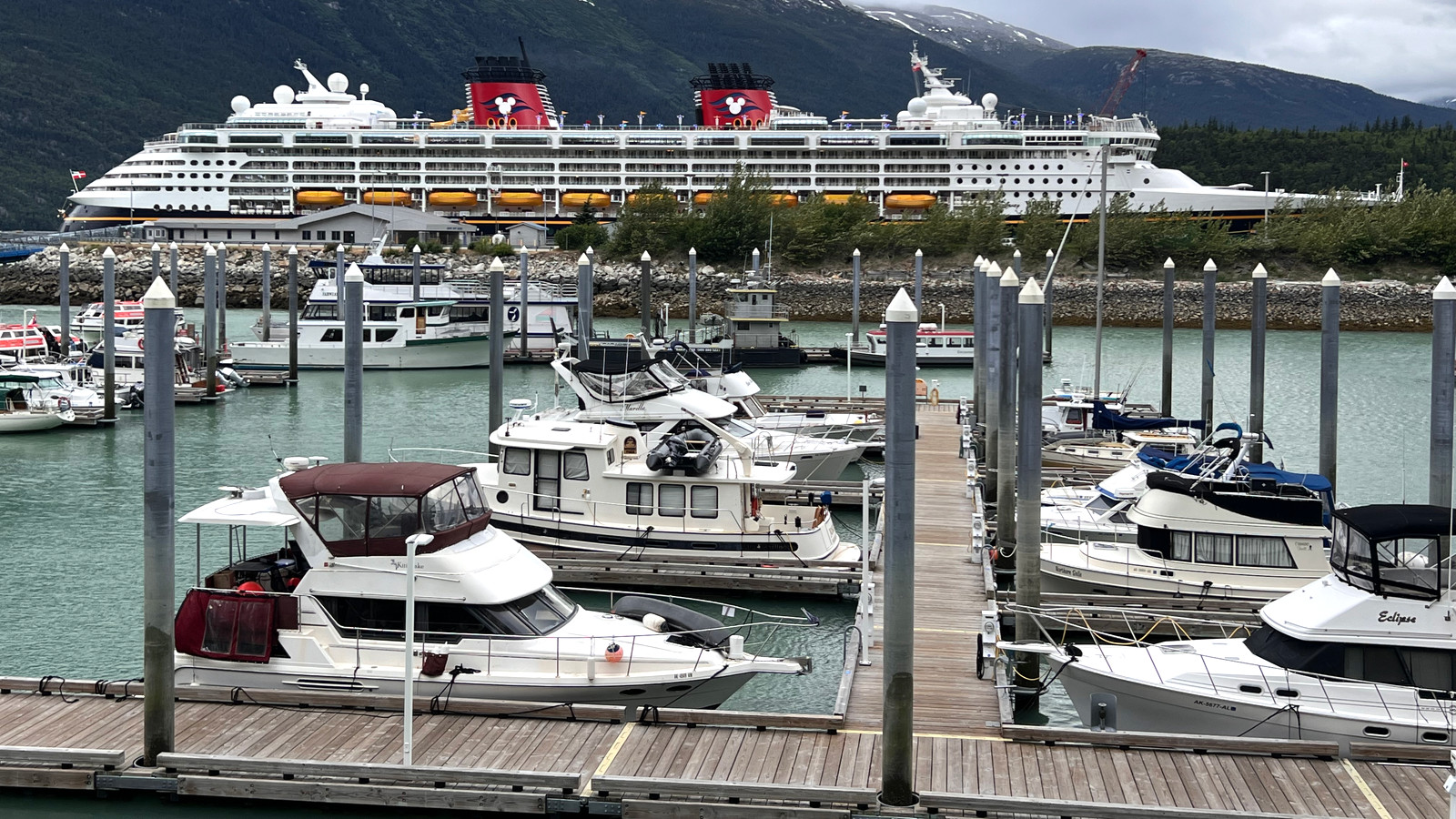
Photo: Ken Lund, CC BY-SA 2.0, via Flickr; cropped by Deep Arrival.
Cruise logistics guide
Skagway Cruise Port Guide: Docks, Town Access and Return
Skagway is compact, but the berth still matters. Confirm the current dock code and walking or shuttle path before building the town visit, railway departure, tour pickup, or return clock.
Skagway is compact, but the berth still matters. Confirm the current dock code and walking or shuttle path before building the town visit, railway departure, tour pickup, or return clock.
Fast read
What matters first
Use this summary to identify the checks that matter before you act.
First decision
Translate the live dock code into a real passenger route before choosing the first stop.
Town access rule
Use the current signed walk or SMART connection and verify where mobility assistance begins and ends.
Return rule
Protect all aboard with dock-specific walking, weather, queues, and a recovery margin.
Decision system
The planning sequence
Use the sequence below to make the decision in a clear order.
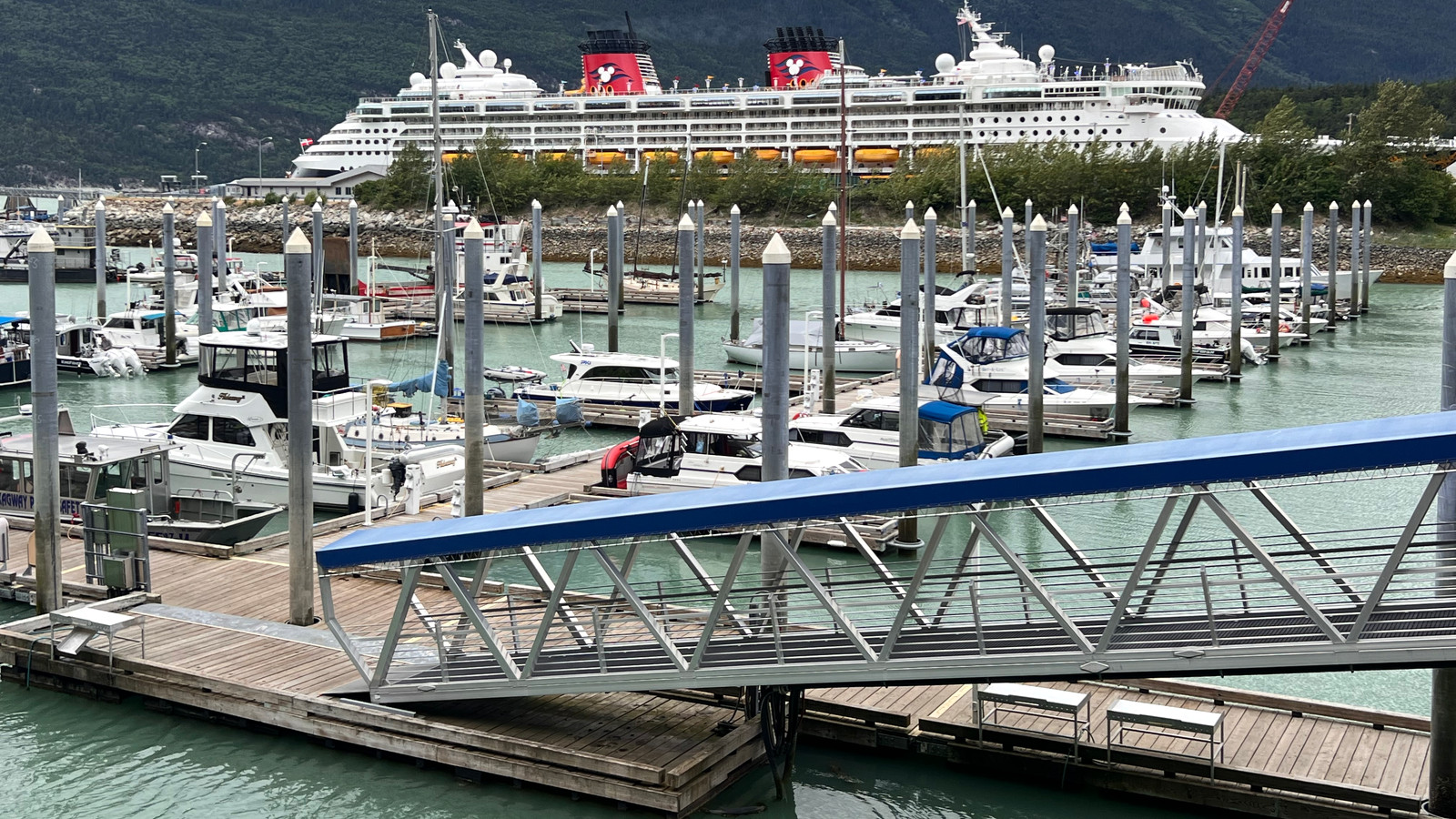
Photo: Ken Lund, CC BY-SA 2.0, via Flickr; cropped by Deep Arrival.
Dock first
A compact town still has several arrival paths
The Port of Skagway schedule uses dock codes that distinguish multiple waterfront berths.
The correct code controls the walking distance, shuttle decision, excursion meeting point, and final return path.
Decode the live berth
Use the current Port of Skagway schedule and ship notice to identify the berth. The official dock key distinguishes Railroad Dock Forward, Railroad Dock Aft, Broadway Dock, Ore Terminal Dock, and the Alaska Marine Highway dock. Assignments remain subject to change. Write the code beside the ship name rather than trusting memory, then compare it with the posted dock sign after disembarking. When the ship notice and an earlier schedule disagree, use the newest direct instruction and rebuild the route before leaving the controlled waterfront.
Connect your outing to the assigned dock
Use the things-to-do-in-Skagway guide to compare the railway, museums, hikes, and tours. Once the group chooses an anchor activity, map the journey from the assigned berth through check-in and back. Allow for the walk or shuttle into town, transport changes, mobility needs, and weather. An attractive itinerary becomes a workable port day only when each meeting point, walking segment, and return option fits the ship clock.
Choose walking or SMART from the real dock
A central berth may support a straightforward walk, while another berth may make the current SMART connection or a shorter assisted route more useful. Use the official downtown and walking maps to orient the town segment, then follow the current signed dock route and ship instructions at the waterfront. Check the operating stop, fare, accessibility, and return path on the day. Test the choice in reverse as well as outbound. A ride that saves energy going into town may be less useful if the return stop is unclear, a queue forms, or the group cannot board together with a mobility device.
Attach the excursion to the berth
A railway or road tour has its own check-in and meeting point. Save the operator, time, vehicle or train, contact method, and late-return process. Do not treat a tour ticket as proof that the group knows where to board. Separate tour check-in, actual departure, tour return, and ship all aboard on the timeline. If the operator changes the pickup location, confirm whether the return point changes too and whether a dock shuttle still connects the final segment.
Cruise cabin gear
The small fixes that make an interior stateroom livable, every pick cruise-line compliant.


Plan mobility over the full waterfront
Gangway slope, dock surface, distance, shuttle boarding, town sidewalks, railcar or vehicle access, and the final return are separate questions. Confirm the lowest-transfer route and where assistance ends. Ask for the specific accessible passenger path from the assigned berth rather than a general statement about Skagway. Preserve enough energy and time for the return gangway, which can matter more than reaching one additional stop in town.
Let weather reduce exposure
Rain, wind, cool temperatures, and slick surfaces can slow an otherwise short path. Carry layers and rain protection, keep a covered wait, and move the turnaround earlier when pace or visibility drops. Mark a sheltered decision point near town where the group can either continue or begin returning. If weather interrupts a railway, road, or shuttle plan, follow the operator and ship instructions rather than improvising along a restricted dock path.
Protect against a wrong-dock return
Photograph the ship, berth sign, and passenger gate before leaving. Share the precise dock with a driver. Build enough margin to correct a wrong turn or changed pedestrian path without spending the all aboard buffer. A driver who knows the town may still need the dock code and current passenger drop point. If the group separates, set one verified meeting point before the secure entrance and one deadline after which everyone returns independently.
Recheck on the morning of arrival
Dock assignments, shuttle operations, excursion dispatch, accessibility support, and weather can change. Follow the latest direct ship and port instruction, and keep event-specific dock disruptions out of this evergreen guide. Check again after breakfast and once more before leaving the dock because a same-day operational change can affect the walk or pickup. Keep the current route guidance offline, but obey temporary signs, barriers, and staff direction when they differ.
Planning traps
Mistakes to avoid
These are the small decisions that quietly derail an otherwise good plan.
The berth code is needed for the real passenger route.
Forward and aft are not interchangeable map labels.
Stop, service, fare, access, and return must be current.
Both deadlines need separate protection.
Weather changes walking pace and safe surfaces.
The group must reach the assigned dock and gangway.
Sources checked
Official and supporting references
Use these references to verify the factual guidance and recheck details that can change.
Landing abroad? Set up a Yesim eSIM before you sail.
Deep Arrival earns a commission when you buy through partner links. It does not change the price you pay.
FAQ
Common planning questions
Where do cruise ships dock in Skagway?
Can you walk into Skagway from the cruise port?
What is the SMART bus in Skagway?
Where do Skagway excursions meet?
How early should I return in Skagway?
Continue planning