

Photo: Joe Mabel, CC BY-SA 4.0, via Wikimedia Commons
Cruise timing basics
Ship Time vs Local Time on a Cruise: What Travelers Need to Know
Ship time and local time can match, but they do not always have to. The safest cruise habit is simple: know which clock the ship is using before you leave the vessel, because a beautiful port day can turn bad fast if you return by the wrong time.
Ship time and local time can match, but they do not always have to. The safest cruise habit is simple: know which clock the ship is using before you leave the vessel, because a beautiful port day can turn bad fast if you return by the wrong time.
Fast read
Cruise cabin gear
The small fixes that make an interior stateroom livable, every pick cruise-line compliant.


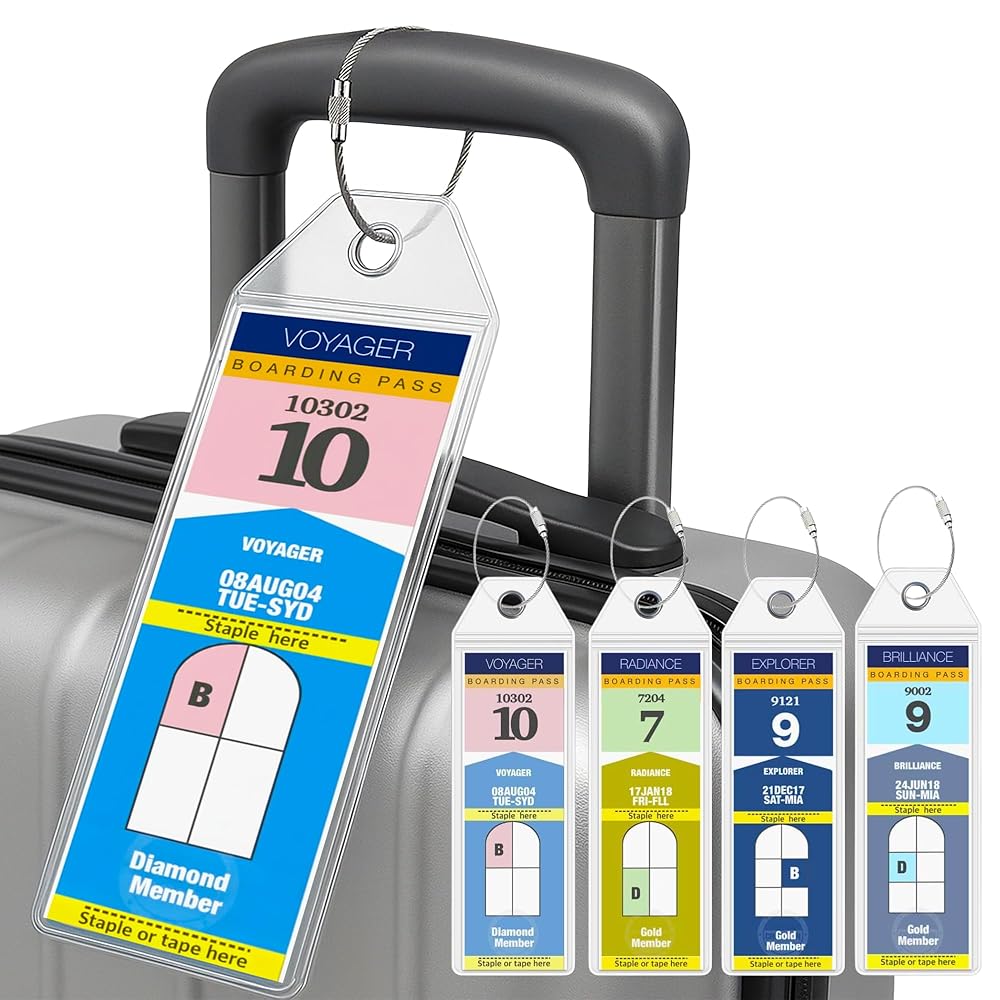

What matters first
Use this page as the practical filter before you open booking pages, maps, or official policy documents.
Short answer
Ship time is the time the cruise line tells guests to follow for onboard schedules and return deadlines, while local time is the clock used in the destination.
Most important rule
Before leaving the ship, confirm which clock governs all aboard time for that port day.
Why it matters
A mismatch between ship time and local time can be the difference between a smooth return and missing the ship.
Decision system
The planning sequence
Use the sequence below to decide how this should shape the trip.

Photo: Dr. Thomas Liptak, CC BY-SA 4.0, via Wikimedia Commons
Where the mistake happens
Time confusion usually hits on the way back, not on the way out
Travelers often leave the ship feeling clear and return later with one clock in mind and the ship following another. A quick check before you head ashore is worth far more than guessing later.
Ship time is the operating clock
The cruise line may keep one ship wide time for schedules even when the destination is using something different. Travelers do not need to love that system, but they do need to know which clock controls return deadlines.
Local time still matters on shore
Shops, tours, and public transport in port may follow local time. That is why port days can create confusion when the ship does not match the destination clock exactly.
The risk is highest on independent shore days
Organized line excursions usually work inside the ship's timing system. Independent plans need a traveler to manage both the destination clock and the ship's rules without drifting.
Phones are helpful, not infallible
A phone can update automatically, but that does not guarantee it is showing the same clock the ship is using for return. Treat the ship's stated rule as the final answer.
Deep Arrival recommendation
Before you step off, ask one question: what time is all aboard, and which clock is that? That habit is more useful than any broader time zone theory.
Planning traps
Mistakes to avoid
These are the small decisions that quietly derail an otherwise good plan.
Some sailings keep ship time on a different clock for practical reasons.
Auto updates help, but the ship's rule still matters more.
A short transit problem can become a major issue if the clock assumption is wrong.
Time handling can differ across an itinerary.
Sources checked
Official and supporting references
These are the references checked while writing this page, so you can confirm live prices, dates, rules, and operating details before money changes hands.
FAQ
Common planning questions
What is ship time on a cruise?
Can ship time be different from local time?
Which clock matters for all aboard time?
How do you avoid time mistakes in port?
Continue planning