

Photo: Bene Riobo, CC BY-SA 4.0, via Wikimedia Commons
Cruise ports
What Is a Tender Port on a Cruise?
A tender port is a cruise stop where the ship does not dock at a pier. Instead, passengers ride a smaller boat between the ship and shore. The idea is simple, but the planning difference is real: lines, mobility needs, weather, and all-aboard timing matter more than they do at a docked port.
A tender port is a cruise stop where the ship does not dock at a pier. Instead, passengers ride a smaller boat between the ship and shore. The idea is simple, but the planning difference is real: lines, mobility needs, weather, and all-aboard timing matter more than they do at a docked port.
Fast read
Cruise cabin gear
The small fixes that make an interior stateroom livable, every pick cruise-line compliant.


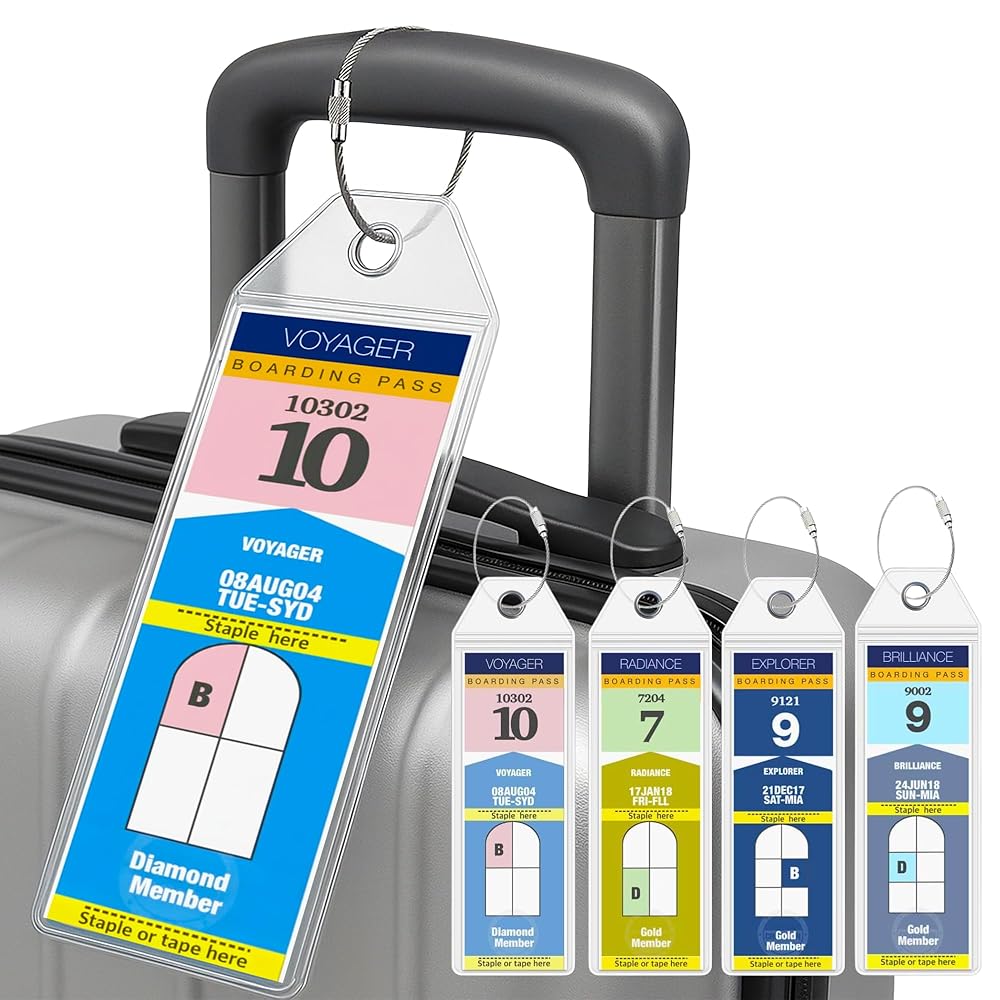

What matters first
Use this page as the practical filter before you open booking pages, maps, or official policy documents.
Short answer
A tender port is a port call where passengers transfer between ship and shore by small boat because the cruise ship is anchored or moored away from a dock.
Main difference
At a docked port, passengers walk off the ship onto a pier. At a tender port, passengers wait for a tender assignment or queue, board a small boat, ride ashore, then repeat the process to return.
Who should plan ahead
Travelers with mobility needs, tight independent tours, small children, seasickness concerns, or must-do plans should build in extra tender time and read the cruise line's accessibility notes.
Decision system
The planning sequence
Use the sequence below to decide how this should shape the trip.

Small-boat transfer
Tendering turns the pier into a shuttle system
Tendering is not a warning sign by itself. Many beautiful ports use tenders because of harbor depth, pier limits, protected scenery, or traffic rules. The tradeoff is time. Every passenger movement depends on small-boat capacity, sea conditions, and the ship's control of the tender queue.
A tender port means the ship is not alongside a pier
At a tender port, the cruise ship anchors or moors offshore and uses tender boats to move passengers between the ship and land. The tenders may be ship lifeboats designed for passenger transfer, local boats, or other approved craft depending on the port and line. From the passenger view, the key point is that the gangway does not lead directly to shore.
Tendering changes the morning rhythm
A docked port can feel instant once the gangway opens. Tendering usually adds a staging step. The ship may use tender tickets, excursion priority, group calls, or an open queue after the first rush. Independent travelers should not assume they can step off the ship at the scheduled arrival minute.
Accessibility can be the deciding factor
Tender boats move with the water, and boarding can involve steps, thresholds, narrow openings, and crew judgment. Cruise lines publish accessibility notes because conditions can affect whether a passenger can safely board. Anyone using a wheelchair, scooter, walker, or limited-mobility plan should check the cruise line's policy before counting on a tender stop.
Weather can change the whole port day
Tendering depends on sea and harbor conditions. A stop can be delayed, shortened, or missed if the captain and port authorities decide tender operations are not safe. That is why tender ports are poor matches for rigid independent plans with tight pickup times or heavy cancellation penalties.
The return tender matters as much as the first ride ashore
The biggest first-timer mistake is focusing only on getting ashore. The return tender line can build late in the day, especially if many passengers wait for the final window. Treat the last tender like a hard deadline, and aim for an earlier boat if missing the ship would be catastrophic.
Deep Arrival recommendation
For a tender port, plan the day with a wider timing buffer than a docked call. Book cruise-line excursions when timing is tight, keep independent plans close to the landing point, carry essentials ashore, and start back before the final tender rush.
Planning traps
Mistakes to avoid
These are the small decisions that quietly derail an otherwise good plan.
A tender stop can add waiting time before the ride ashore, so a pickup right after scheduled arrival is risky.
The tender ride back can take time, especially near the last tender window.
Tender boarding can depend on the vessel, weather, steps, and crew safety decisions.
Medication, ID, ship card, sun protection, and basic shore supplies should go with you because returning to the cabin is slower.
Sources checked
Official and supporting references
These are the references checked while writing this page, so you can confirm live prices, dates, rules, and operating details before money changes hands.
Landing abroad? Set up a Yesim eSIM before you sail.
Deep Arrival earns a commission when you buy through partner links. It does not change the price you pay.
FAQ
Common planning questions
What is a tender port on a cruise?
Is a tender port bad?
How long does tendering take?
Can wheelchair or scooter users take a tender?
Do cruise ships use lifeboats as tenders?
Continue planning