
AK-Bino, Wikimedia Commons, CC BY-SA 4.0; cropped and adjusted by Deep Arrival.
Cruise port day guide
Rome Cruise Port Guide: Civitavecchia to Rome or a Local Day
Rome is not at the cruise pier. Your ship arrives in Civitavecchia, where port shuttles, station access, and a long city transfer decide how much of Rome is realistic. Choose either one Rome zone or a local Civitavecchia day, then protect the port return.
Rome is not at the cruise pier. Your ship arrives in Civitavecchia, where port shuttles, station access, and a long city transfer decide how much of Rome is realistic. Choose either one Rome zone or a local Civitavecchia day, then protect the port return.
Fast read
What matters first
Use this page as the practical filter before you open booking pages, maps, or official policy documents.
Where ships arrive
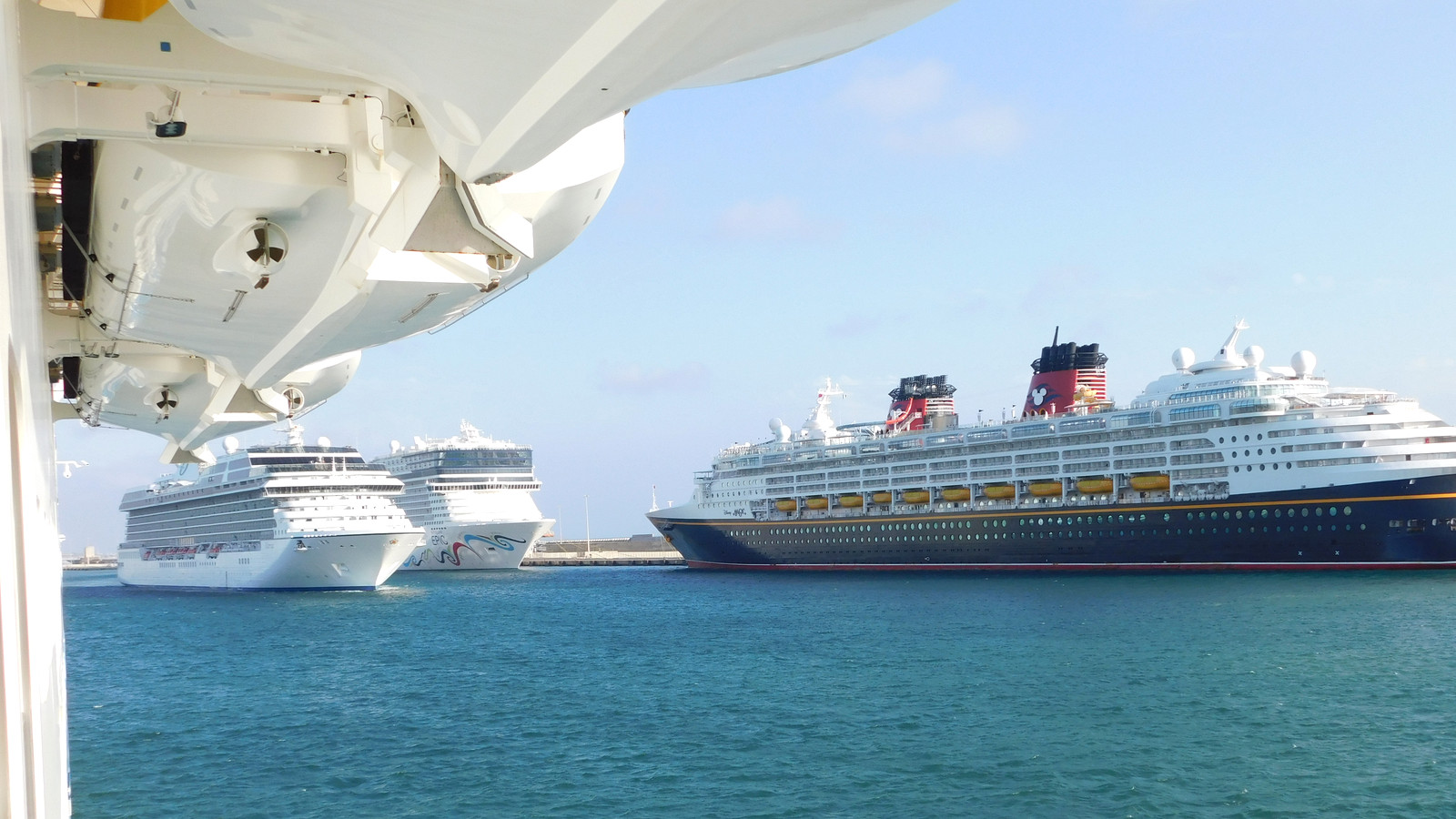
Cruise ships use Civitavecchia, west of Rome. Port Mobility operates internal shuttle services and publishes the current passenger connection points.
Best Rome branch
Use a long call for one compact Rome zone with no more than one timed interior. Treat the city transfer as two major legs.
Low-risk alternative
Stay in Civitavecchia for the waterfront, Forte Michelangelo area, market, and a relaxed meal when the call or mobility profile does not support Rome.
Decision system
The planning sequence
Use the sequence below to decide how this should shape the trip.
Notafly, Wikimedia Commons, Public domain; cropped and adjusted by Deep Arrival.
Local-day fallback
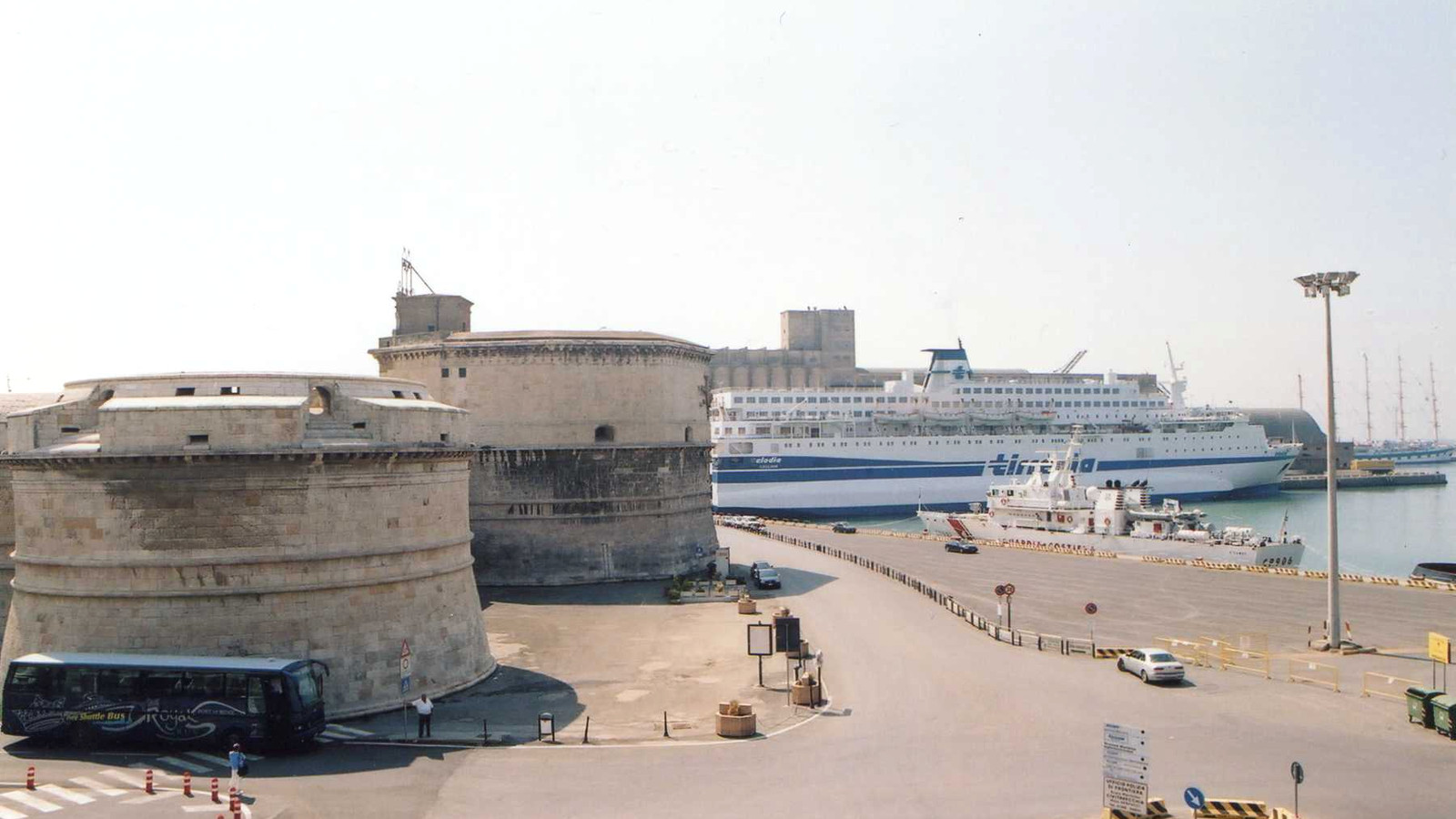
Forte Michelangelo makes staying local a real plan
Civitavecchia is more than a transfer point. The waterfront and fortress area provide a compact day when a long Rome transfer does not fit the call.
A credible local alternative is also the best contingency when rail disruption, heat, or mobility makes the original Rome plan too fragile.
Separate Civitavecchia from Rome in your planning
The cruise port is in Civitavecchia, not central Rome. The day begins with the ship's berth, the official port shuttle process, and the connection beyond the controlled area. Port Mobility publishes current shuttle information, and that should outrank an old blog map. If the first leg changes, reassess the entire city plan before continuing.
Choose rail only after a live check
The railway station can connect Civitavecchia with Rome, but the useful train, journey, platform, and station stop depend on the day's service. Check Trenitalia close to departure and again before boarding. Build a Rome plan around the station you actually intend to use, then identify one later train that still preserves the ship-side buffer.
Limit Rome to one decision zone
A strong independent day might focus on the Colosseum and Forum exterior zone, or on the Vatican and nearby streets, or on a compact historic-center walk. It should not promise all three. Timed entry, security, heat, and dense pedestrian routes consume the slack that a map hides. One reservation and one nearby walk creates a better port day.
Use Civitavecchia as the resilient alternative
The city's official information and port context support a local plan around the waterfront, Forte Michelangelo, central streets, and a meal. This is not a consolation prize when the call is short or Rome has already been visited. It removes the long rail leg and gives the day room to absorb weather, fatigue, or mobility needs.
Cruise cabin gear
The small fixes that make an interior stateroom livable, every pick cruise-line compliant.


Build for mobility before buying a Rome ticket
The port shuttle, station access, train boarding, Rome paving, and long periods on foot all belong in the accessibility decision. Ask the cruise line about terminal assistance and verify station accessibility for the exact route. A vehicle excursion may simplify transfers, while a local Civitavecchia plan can remove most of them.
Value excursions by the return they control
A ship excursion can be rational for Rome because the city transfer is the fragile link. Compare the actual included entrances, walking intensity, meeting point, and return guarantee. Independent rail is strongest for travelers comfortable navigating stations and changing the day immediately when service weakens.
Leave Rome early enough to survive one failure
Target Civitavecchia at least two hours before all aboard, then include the port shuttle and security after the train. Your chosen Rome departure should leave another workable train behind it. If the return depends on the last plausible service, the itinerary is already too tight.
Planning traps
Mistakes to avoid
These are the small decisions that quietly derail an otherwise good plan.
The transfer is a major part of both ends of the day.
One delayed train can collapse a stacked schedule.
Follow current Port Mobility and cruise-line instructions.
A useful plan leaves another workable service behind it.
Civitavecchia is the correct choice when the call or mobility profile is tight.
Sources checked
Official and supporting references
Use these references to confirm live prices, dates, rules, and operating details before money changes hands.
Landing abroad? Set up a Yesim eSIM before you sail.
Deep Arrival earns a commission when you buy through partner links. It does not change the price you pay.
FAQ
Common planning questions
Is the Rome cruise port actually in Rome?
Can you take a train from Civitavecchia to Rome?
What can you do in Civitavecchia without going to Rome?
Is a ship excursion worth it for Rome?
How early should you leave Rome for the ship?
Continue planning