
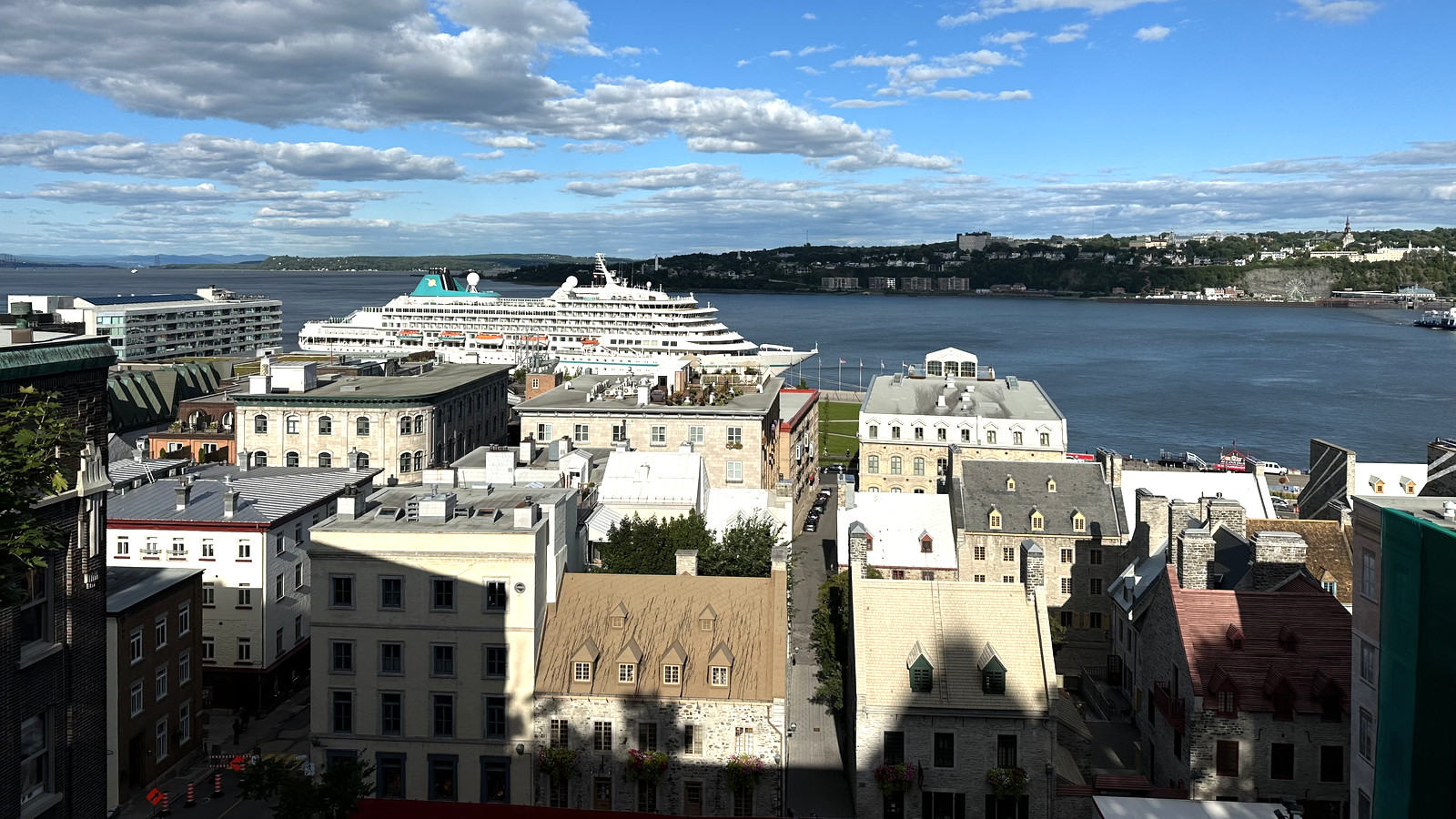
Une contributrice, Wikimedia Commons, CC BY-SA 4.0; cropped and adjusted by Deep Arrival.
Cruise port day guide
Quebec City Cruise Port Guide: Terminals and Old Quebec on Foot
Quebec City can deliver a complete port day within sight of the ship, but the hills and terminal assignment matter. Start from the correct wharf, climb only as much as the group wants, and use Lower Town as the flexible layer around one Upper Town priority.
Quebec City can deliver a complete port day within sight of the ship, but the hills and terminal assignment matter. Start from the correct wharf, climb only as much as the group wants, and use Lower Town as the flexible layer around one Upper Town priority.
Fast read
What matters first
Use this page as the practical filter before you open booking pages, maps, or official policy documents.
Where ships arrive
The Port of Quebec uses several cruise wharves and two main terminal facilities. The assigned berth changes the first walking leg.
Best independent day
Combine Petit-Champlain and Lower Town with one Upper Town route, using the funicular or a vehicle if hills are a concern.
Main planning risk
Old Quebec is compact but steep. Weather, stairs, and repeated climbs can consume more time than distance suggests.
Decision system
The planning sequence
Use the sequence below to decide how this should shape the trip.
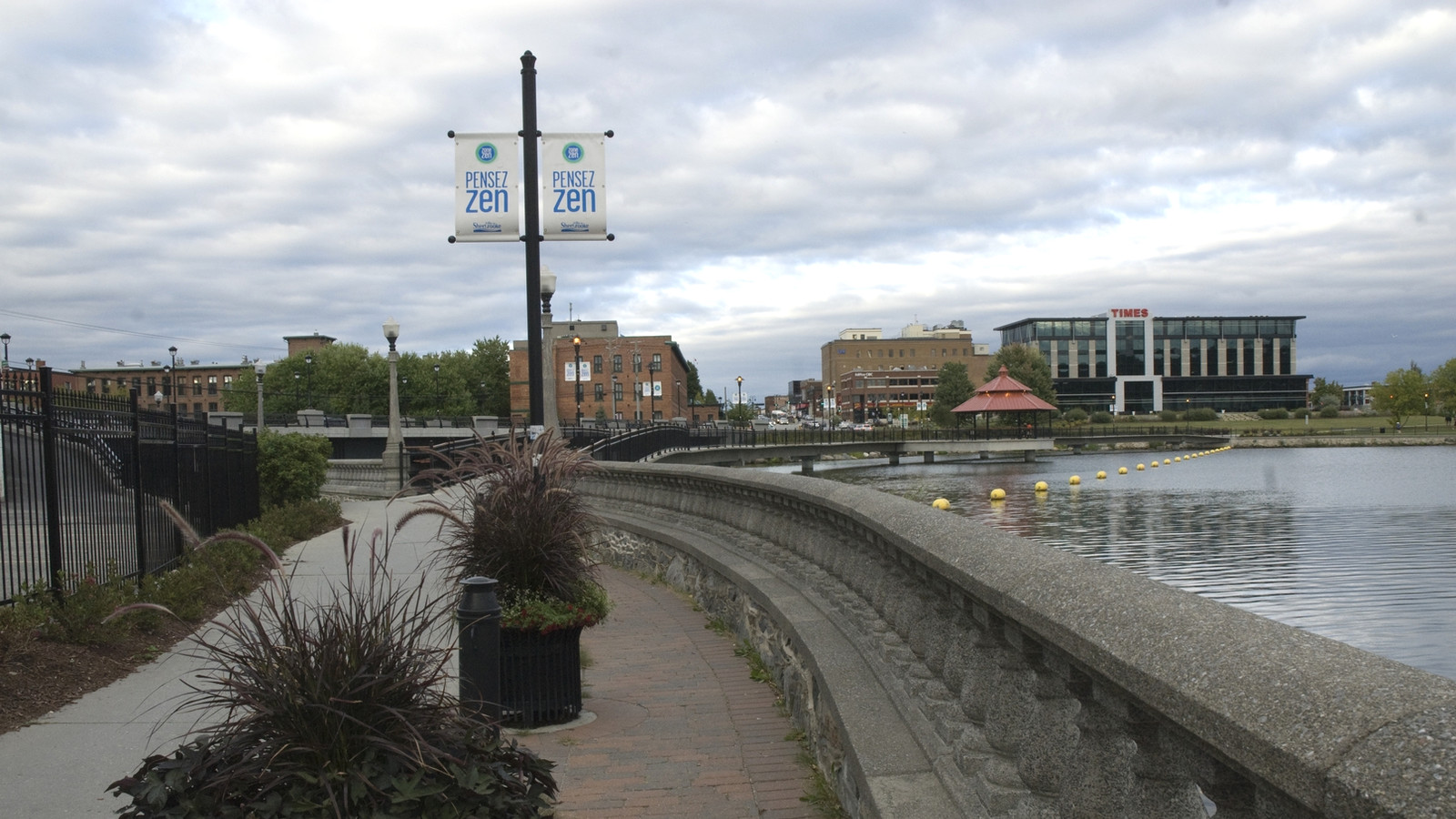
Nowisaod, Wikimedia Commons, CC BY-SA 3.0; cropped and adjusted by Deep Arrival.
Compact port city
Lower Town and the river stay connected to the ship
The Old Port sits beside the historic city, which makes Quebec one of the rare calls where the destination begins close to the wharf.
The advantage is not flatness. Plan the climb deliberately, then let Lower Town provide the flexible beginning or end.
Confirm the wharf before tracing the walk
The Port of Quebec lists multiple cruise terminals and other wharves that can serve ships. The Ross-Gaudreault terminal at wharves 21 and 22 sits near Petit-Champlain, while Terminal 30 creates a different approach. Use the live schedule or ship program for the berth, then open directions from that exact point rather than from a generic cruise-port pin.
Build the day from Lower Town upward
Petit-Champlain, Place Royale, and the nearby riverfront create a compact starting layer. From there, decide whether to climb, use the funicular, or remain in Lower Town. This order lets the day scale to weather and energy without losing its historic character. Save shopping for the descent so it cannot delay the first priority.
Choose one Upper Town route
Dufferin Terrace, the area around Chateau Frontenac, and the fortified historic core can anchor the upper-city segment. Keep the route directional and avoid repeated descents. If a museum or interior is the priority, check current hours and make it the only fixed entry. The street experience is strong enough that the day does not need a stack of tickets.
Use the funicular as a pacing tool
The funicular can reduce one steep transition between Lower and Upper Town, but queues and current operation still matter. Treat it as an option rather than a guaranteed shortcut. A taxi or local vehicle branch can provide a second way to manage elevation, especially when the assigned wharf is farther from the historic core.
Plan for cobbles, grades, and shoulder-season weather
Quebec cruise season can bring rain, wind, or cool temperatures. Cobblestones and grades make footwear and pacing important. Travelers with limited mobility should verify terminal elevators, funicular operation, curb access, and the exact walking surfaces for the chosen route. A Lower Town plan can still deliver a full sense of place.
Cruise cabin gear
The small fixes that make an interior stateroom livable, every pick cruise-line compliant.


Use an excursion only when leaving the city
Old Quebec is unusually strong for an independent port day because the historic core is close to the port. A ship excursion becomes more valuable for Montmorency Falls, countryside routes, or several vehicle-dependent stops. Compare how much time is spent outside the city with the flexibility you give up.
Return to the berth, not merely the waterfront
Target the assigned terminal at least ninety minutes before all aboard. Wharf numbers matter, especially on multi-ship days. If the ship is at a secondary berth, keep its route offline and tell every traveler the exact number. End the final stop on the same side of the elevation change as the terminal whenever possible.
Planning traps
Mistakes to avoid
These are the small decisions that quietly derail an otherwise good plan.
The assigned wharf changes the first and final route.
Choose one Upper Town loop and descend once.
Keep a walking or vehicle alternative.
Rain, wind, and cold can change the practical pace.
Record the berth number and offline route.
Sources checked
Official and supporting references
Use these references to confirm live prices, dates, rules, and operating details before money changes hands.
Landing abroad? Set up a Yesim eSIM before you sail.
Deep Arrival earns a commission when you buy through partner links. It does not change the price you pay.
FAQ
Common planning questions
Is Quebec City walkable from the cruise port?
What should you do on a Quebec City cruise day?
Is Old Quebec difficult for limited mobility?
Do you need a cruise excursion in Quebec City?
How early should you return to the Quebec terminal?
Continue planning