
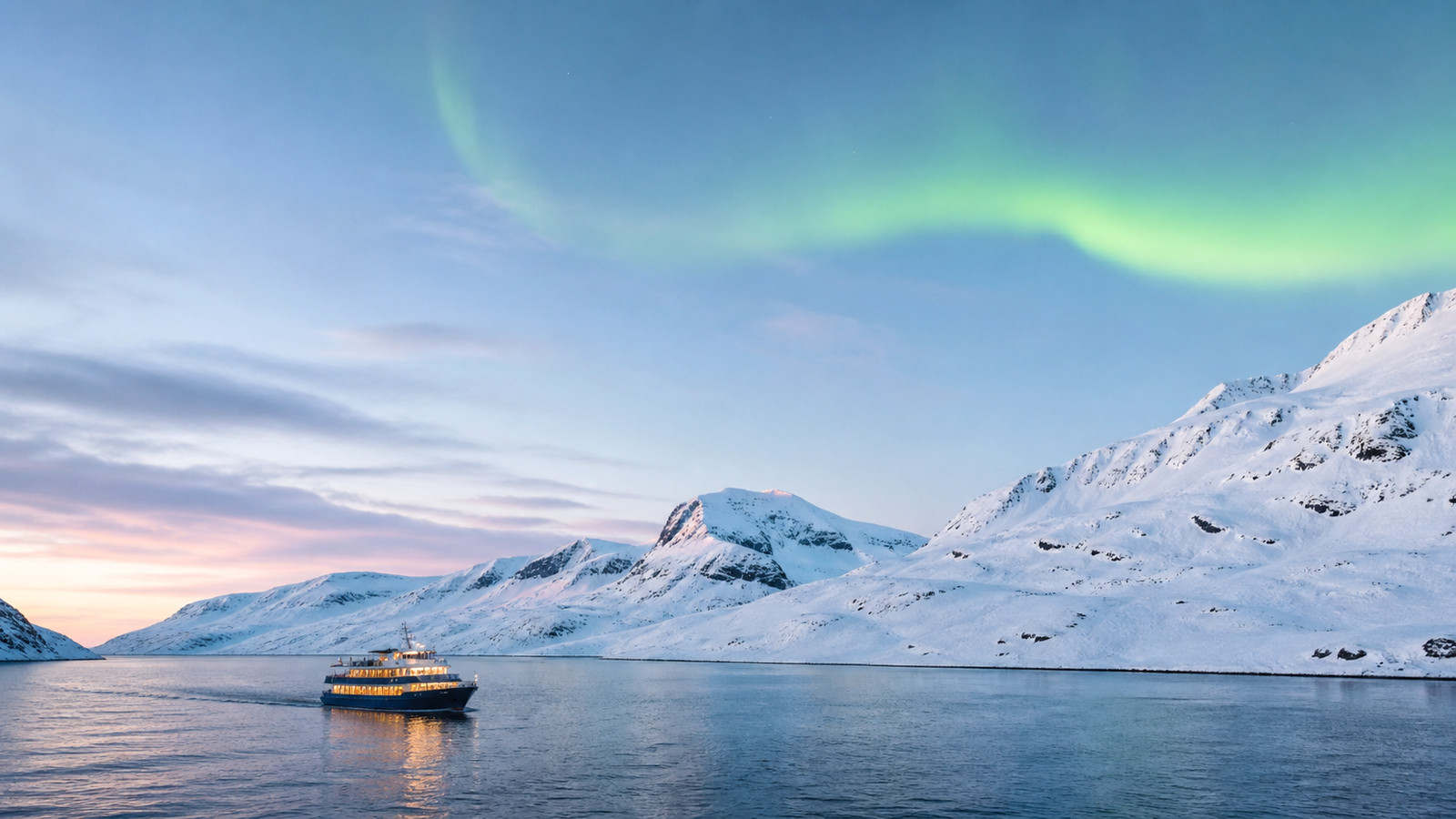
Northern Lights cruise guide
Northern Lights Cruises: Routes, Timing, and Realistic Odds
A cruise can reach dark northern routes and create repeated viewing windows, but it cannot guarantee clear skies or auroral activity. Choose the route and season for opportunity, then compare outdoor access, wake-up alerts, port time, cabin location, weather resilience, and the exact voyage.
A cruise can reach dark northern routes and create repeated viewing windows, but it cannot guarantee clear skies or auroral activity. Choose the route and season for opportunity, then compare outdoor access, wake-up alerts, port time, cabin location, weather resilience, and the exact voyage.
Fast read
What matters first
Use this page as the practical filter before you open booking pages, maps, or official policy documents.
Best chance
Prioritize dark hours, northern latitude, repeated nights, clear sky opportunity, and usable outdoor viewing space.
Never guaranteed
Auroral activity, cloud, weather, ship movement, light, and sleep timing all affect a sighting.
Choose the trip
Select a route worth taking even if the Northern Lights do not appear.
Decision system
The planning sequence
Use the sequence below to decide how this should shape the trip.
Opportunity, not a promise
Choose a trip that works under dark skies or clouds
A strong Northern Lights cruise creates repeated chances while delivering a worthwhile route even when the sky stays quiet.
Darkness, latitude, clear weather, auroral activity, outdoor access, and traveler readiness must align for a sighting.
Begin with realistic probability
The NOAA Space Weather Prediction Center explains aurora as a space weather phenomenon, while local cloud and visibility determine what a traveler can see. A cruise can improve opportunity through latitude, darkness, and repeated nights. It cannot guarantee auroral activity or clear sky. Judge the voyage by the number of plausible viewing windows and by whether the route remains worthwhile without a display.
Choose the route before the marketing label
A Norwegian coastal voyage, an expedition route, and a broader winter cruise can all use Northern Lights language while delivering different port time, scenery, activity, and ship comfort. Read the day by day route and mark the nights spent in northern latitudes. The live Norway Small Ship Cruises guide can help compare vessel format without replacing the exact itinerary review.
Use darkness and night count together
Long dark periods can create more viewing time, but one dark night still concentrates weather risk. A longer northern segment offers more independent chances for cloud and activity to align. Compare arrival and departure times, overnight port stays, and whether night excursions are practical. Avoid a rigid claim that one calendar month is universally best, because route, latitude, cloud, moonlight, and traveler tolerance differ.
Inspect the viewing setup
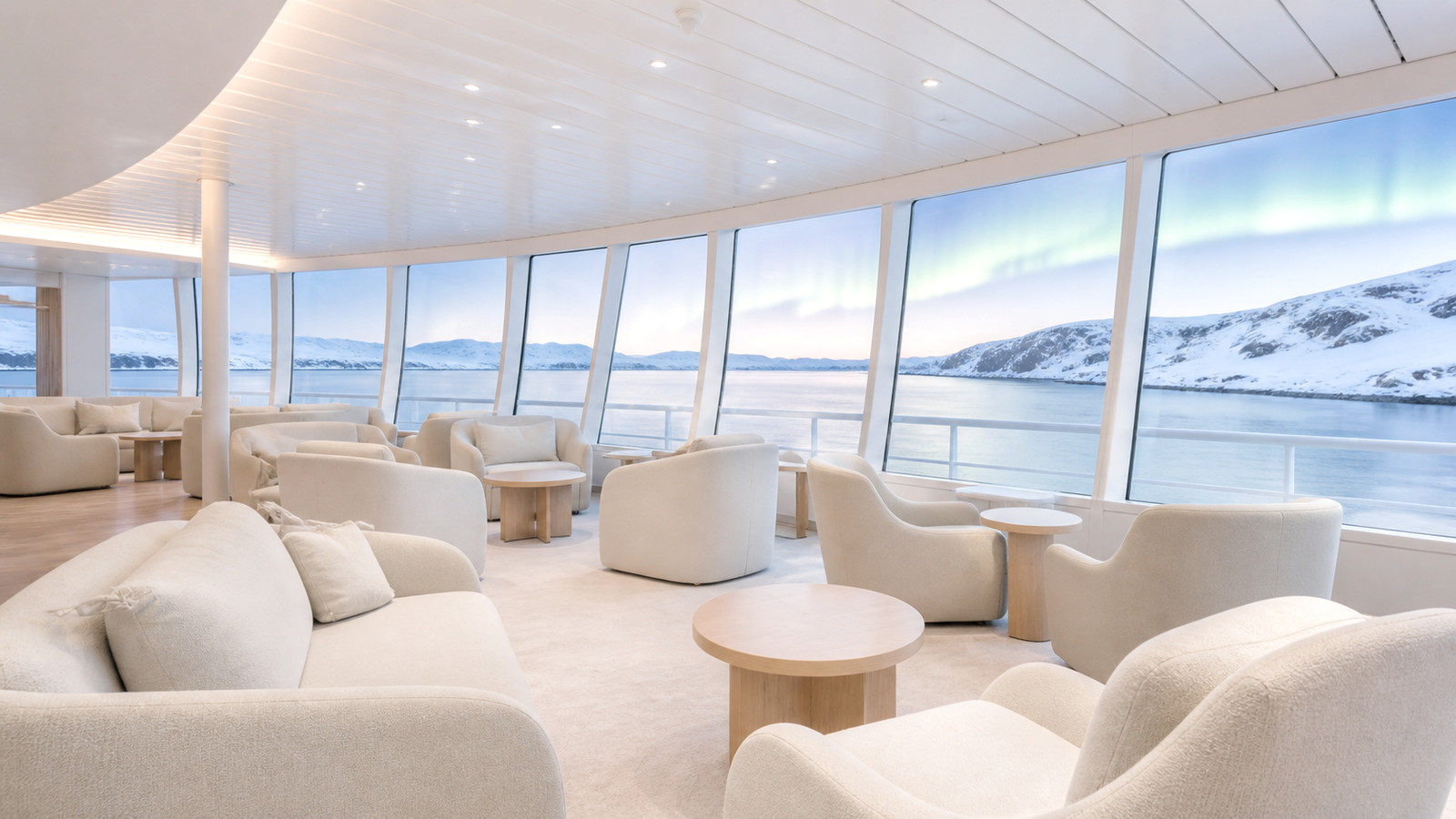
Ask where guests can stand, how much ship lighting reaches the area, whether sheltered outdoor space exists, and whether an aurora alert is offered. Check stairs, door thresholds, deck closures, wind exposure, seating, and elevator reach. A balcony can be convenient but may face the wrong direction or have obstructed sky. The best setup is one the traveler can reach quickly, safely, and repeatedly.
Prepare for cold and interrupted sleep
A sighting may require going outside late, waking quickly, and waiting in cold or windy conditions. Pack layered clothing, gloves that allow camera control, traction appropriate to the operator guidance, and spare batteries. Travelers should decide how much sleep disruption they will accept before the trip. A route with daytime destination value protects the vacation when repeated late alerts do not produce a display.
Cruise cabin gear
The small fixes that make an interior stateroom livable, every pick cruise-line compliant.


Plan photography without overpromising
A wide lens, manual controls, stable technique, and protected batteries can help, but a moving ship adds vibration and changing perspective. Some travelers will prefer a night shore excursion when weather, transport, and terrain allow. The useful goal is a workable setup and the discipline to watch safely. Do not promise phone results, vivid color, or a photograph that matches long exposure marketing images.
Separate evergreen planning from dated voyages
Hurtigruten's astronomy and Northern Lights pages provide current operator examples, while the live Holland America Northern Lights news page records a dated program. This guide should explain route, timing, viewing, and traveler fit without absorbing current deployment announcements. Recheck the official operator page for the exact year, ship, ports, alert policy, shore program, and any guarantee terms before booking.
Make the final choice conditional
Choose the voyage that combines repeated northern nights, useful outdoor access, realistic weather alternatives, a suitable cabin, and destinations the traveler values in daylight. Compare the exact itinerary, flights, winter transfer risk, shore activity, and full cost. The live Geiranger Cruise Port and Cruise Packing List pages can support regional and gear planning, but official voyage documents control the final decision.
Planning traps
Mistakes to avoid
These are the small decisions that quietly derail an otherwise good plan.
Auroral activity, cloud, visibility, ship movement, and traveler timing must align.
Compare latitude, night count, route, cloud exposure, and exact travel dates.
Select destinations and activities worth taking even without a display.
Verify lighting, obstruction, shelter, closures, stairs, and accessible viewing.
Layering, batteries, sleep expectations, and safe movement affect the experience.
Keep current deployments and program announcements in their own coverage.
Sources checked
Official and supporting references
Use these references to confirm live prices, dates, rules, and operating details before money changes hands.
FAQ
Common planning questions
Can a Northern Lights cruise guarantee a sighting?
What is the best time for a Northern Lights cruise?
Is Norway good for a Northern Lights cruise?
Can I photograph the Northern Lights from a ship?
How should I choose a Northern Lights cruise?
Continue planning