
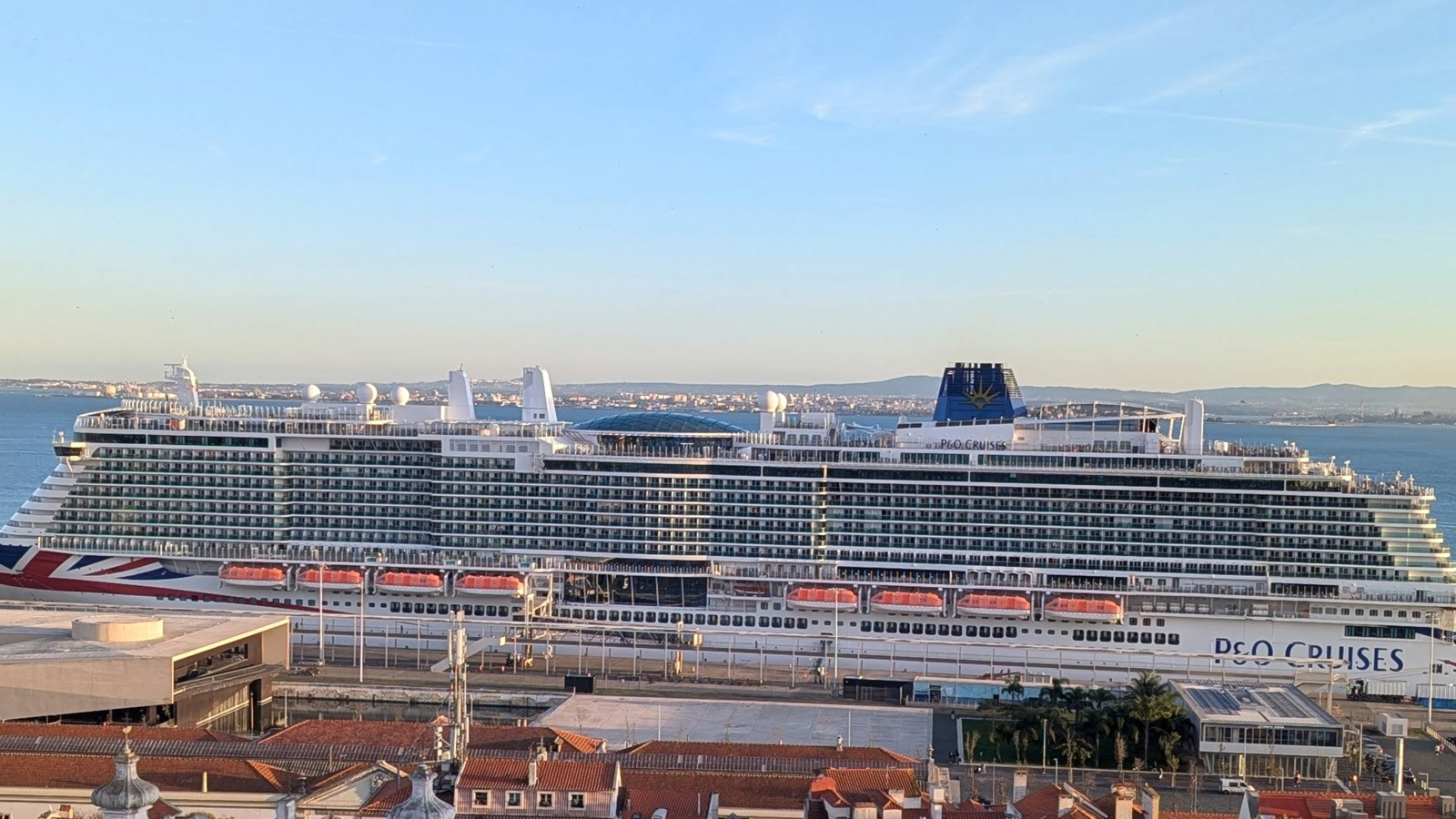
Denny, via Wikimedia Commons, CC BY 4.0. Cropped to 16:9 for Deep Arrival.
Cruise port guide
Lisbon Cruise Port Guide: Terminals and Transfers
Lisbon's passenger waterfront is close to the historic center, but a port call, embarkation morning, and disembarkation transfer need different plans. Confirm the assigned terminal first, then choose a route that protects luggage, mobility, and the cruise clock.
Lisbon's passenger waterfront is close to the historic center, but a port call, embarkation morning, and disembarkation transfer need different plans. Confirm the assigned terminal first, then choose a route that protects luggage, mobility, and the cruise clock.
Fast read
What matters first
Use this page as the practical filter before you open booking pages, maps, or official policy documents.
First decision
Match the cruise line document to the current passenger terminal. Do not navigate to a generic Port of Lisbon pin.
Best low friction branch
Use Alfama, Baixa, or the riverfront for a compact port call. Treat Sintra as a separate full day branch, not an add on.
Return rule
Work backward from all aboard or the check in appointment through traffic, walking, baggage, security, and the exact passenger entrance.
Decision system
The planning sequence
Use the sequence below to decide how this should shape the trip.
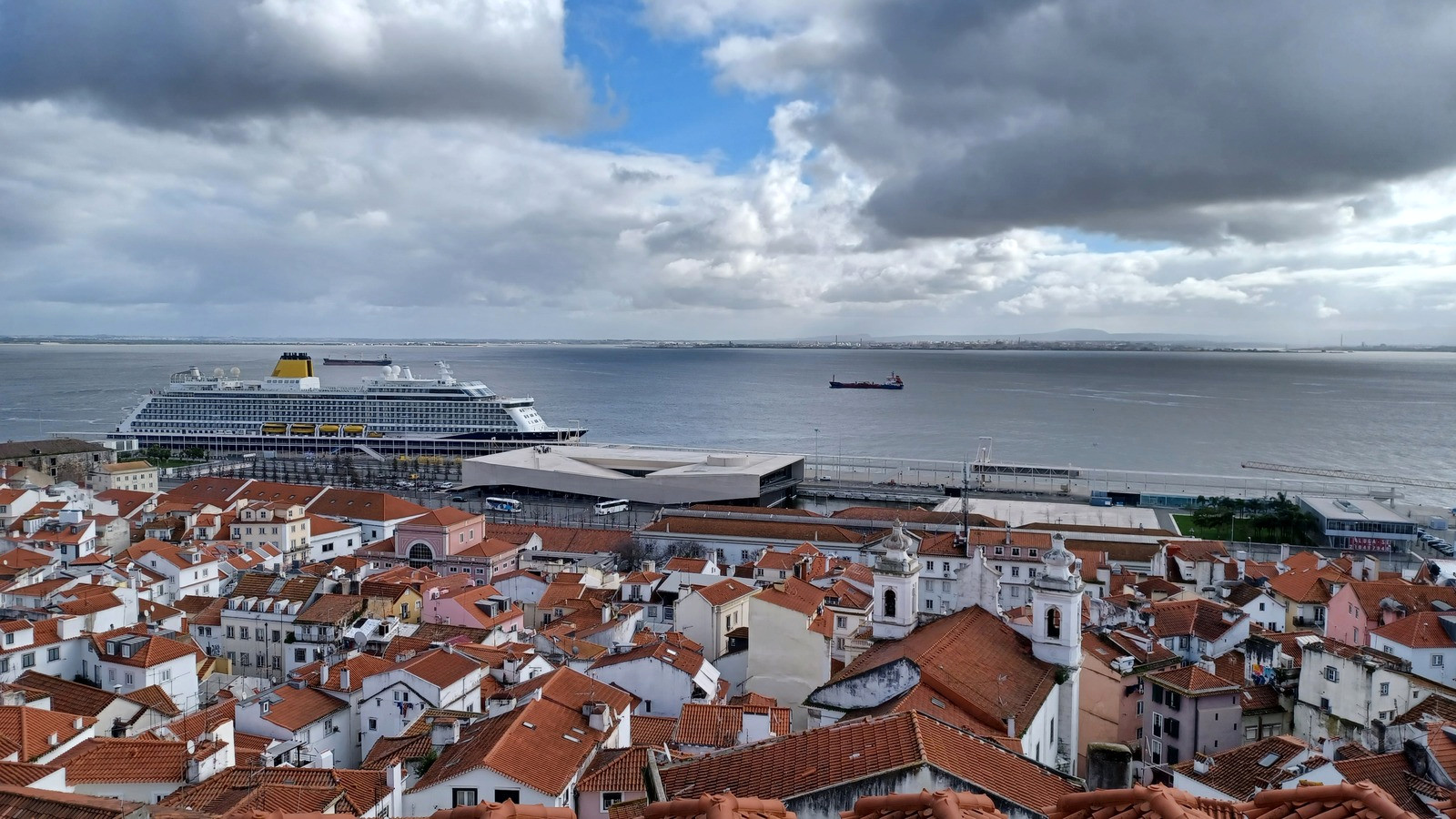
Simon Burchell, via Wikimedia Commons, CC BY-SA 4.0. Cropped to 16:9 for Deep Arrival.
Waterfront orientation
Central location helps only after the terminal is confirmed
Lisbon can support a compact independent port day because the passenger waterfront sits beside the historic center.
The terminal name, luggage state, hills, and final cruise deadline still control the useful route.
Name the terminal before choosing transport
The Port of Lisbon and the terminal operator publish current passenger facility information, but the cruise line document remains the controlling assignment for one sailing. Match the terminal name, address, and passenger entrance before opening a route app. A broad Port of Lisbon result can point toward commercial waterfront areas rather than the place where a traveler checks in or clears security. Save the address offline and keep the ship contact details available. If the cruise line changes the berth or entrance, discard the old route and rebuild the first and final legs from the new instruction.
Separate a port call from an embarkation day
A transit passenger leaves the ship with a cruise card and a fixed all aboard time. An embarking passenger manages luggage, identity documents, check in, and possible curb restrictions. A disembarking passenger may need baggage collection, storage, a hotel handoff, rail, or an airport connection. These are three different logistics jobs. Use the live Mediterranean Cruise Hub for regional planning, but keep this page centered on Lisbon terminal movement. On embarkation day, finish the cruise process before adding a city segment that can be shortened without affecting the booking.
Use central Lisbon as the resilient port call
Official destination information places the cruise passenger waterfront beside the historic and cultural center. Alfama, Baixa, and the riverfront can form a compact branch with several exit points. The live things to do in Lisbon guide owns attraction selection, while this page should explain how much walking and return complexity the branch creates. Hills, polished stone, cobbles, heat, crowded streets, and tram queues can turn a short map distance into a slower route. Choose one direction and keep the final stop on the waterfront side of the city.
Choose airport and station transfers by friction
Lisbon Airport publishes dedicated cruise terminal connection guidance, while the assigned terminal may sit near Santa Apolonia rail and Metro connections. Public transport can suit light luggage and confident travelers, but each transfer adds stairs, platforms, crowding, and a recovery point. A taxi or booked vehicle can reduce handling while still facing traffic and curb restrictions. The live where to stay in Lisbon guide can help with a hotel plan, but the cruise document controls the terminal handoff. Avoid a tight flight plan that assumes immediate baggage delivery and free flowing roads.
Cruise cabin gear
The small fixes that make an interior stateroom livable, every pick cruise-line compliant.


Treat Sintra as a separate operational branch
Sintra is not a quick extension to a full central Lisbon checklist. It adds an outbound connection, local movement, timed entries or queues, and the complete return to the passenger terminal. It can fit a generous call when the group accepts the transfer burden and maintains a direct fallback. It should replace central Lisbon rather than compete with it. Check live rail, road, and site conditions on the day. If the plan depends on one fragile connection, choose a controlled excursion or remain in Lisbon. The best time for a Mediterranean cruise guide can frame season, not promise operating conditions.
Build mobility and luggage fallbacks
A modern terminal can be accessible while the route beyond it includes slopes, uneven paving, curb changes, vehicle boarding, and limited seating. Confirm where ship assistance begins and ends, then test the full path to the chosen transport. Travelers with luggage should arrange hotel handling, verified storage, or a direct transfer before sightseeing. Do not leave bags unattended or assume a station locker will be available. A vehicle based city overview or one accessible waterfront stop is a valid replacement for a demanding walk. Preserve energy for the terminal process and the first day aboard.
Set the return from the real cruise deadline
Use the ship's all aboard instruction for a port call and the cruise line check in appointment for embarkation. Work backward through security, the terminal approach, possible traffic, a missed transit connection, walking from the stop, and one recovery option. The published departure time is not the passenger deadline. Leave the city while more than one practical route remains. If the day develops friction, remove the last activity instead of spending the return margin. Keep the terminal name visible to a driver and verify that the drop off point serves passengers.
Recheck the complete Lisbon chain
Before leaving home, reopen the cruise documents, Port of Lisbon information, terminal operator page, airport guidance, and any current transport notice. Confirm the terminal, dates, luggage plan, accessible route, payment method, and a direct fallback. On the ship, check whether the arrival location or all aboard time changed. Keep destination advice separate from port logistics so the page does not duplicate the Lisbon attraction guides. A durable plan names the decision points and tells travelers what to verify, rather than freezing one fare, route number, berth, or walking time that can change.
Planning traps
Mistakes to avoid
These are the small decisions that quietly derail an otherwise good plan.
The commercial waterfront and the passenger entrance are not interchangeable navigation targets.
Luggage, documents, check in, and terminal instructions must lead the day.
The regional branch should replace central Lisbon rather than overload it.
A short map distance can still be demanding with heat, bags, or limited mobility.
All aboard or the check in appointment controls the return plan.
The traveler still needs the exact passenger entrance, security, and ship process.
Sources checked
Official and supporting references
Use these references to confirm live prices, dates, rules, and operating details before money changes hands.
Landing abroad? Set up a Yesim eSIM before you sail.
Deep Arrival earns a commission when you buy through partner links. It does not change the price you pay.
FAQ
Common planning questions
Which Lisbon cruise terminal will my ship use?
Can you walk into Lisbon from the cruise terminal?
How do you travel between Lisbon Airport and the cruise port?
Can you visit Sintra during a Lisbon cruise stop?
What is the safest Lisbon plan on embarkation day?
Continue planning