

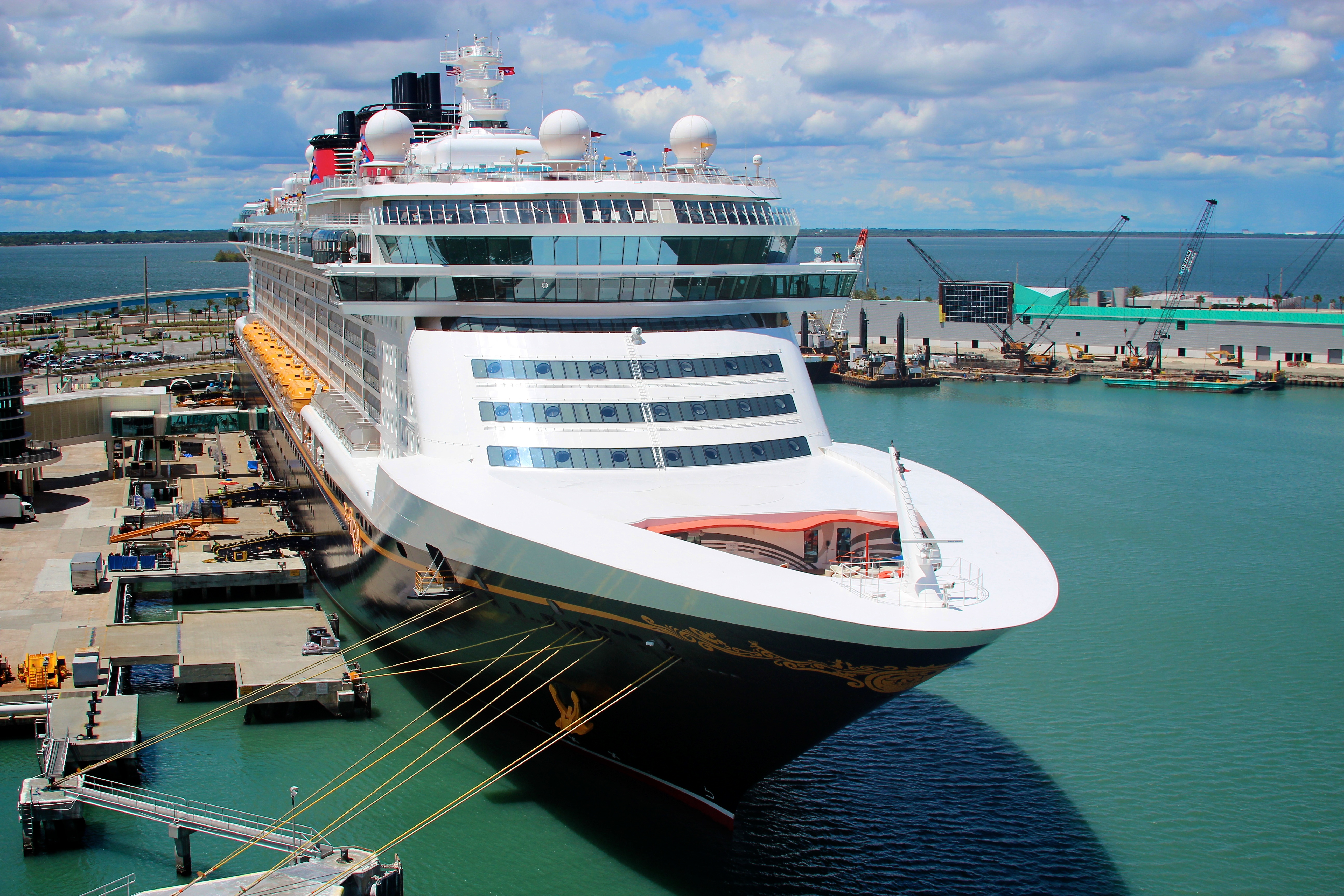
Photo: Sarah Stierch, CC0, via Wikimedia Commons
Embarkation timing
What Is Final Boarding Time on a Cruise?
Final boarding time is the hard cutoff by which guests must be on board under the cruise line’s instructions. It sits later than a port arrival time and earlier than sail away, which is why treating the cutoff as a casual target is one of the easiest ways to create avoidable stress.
Final boarding time is the hard cutoff by which guests must be on board under the cruise line’s instructions. It sits later than a port arrival time and earlier than sail away, which is why treating the cutoff as a casual target is one of the easiest ways to create avoidable stress.
Fast read
Cruise cabin gear
The small fixes that make an interior stateroom livable, every pick cruise-line compliant.



What matters first
Use this page as the practical filter before you open booking pages, maps, or official policy documents.
Short answer
Final boarding time is the latest time the cruise line will usually allow guests to complete boarding before the ship departs.
Best planning rule
Treat it as a safety line, not as the time you aim to arrive at the terminal.
Why it matters
It is the clock that turns traffic, flight, or check-in delays into a missed sailing if you leave no buffer.
Decision system
The planning sequence
Use the sequence below to decide how this should shape the trip.
Why the cutoff matters
Boarding closes before departure becomes the visible event
Many travelers picture the departure moment as the only real deadline. In practice the serious deadline comes earlier, when the line needs the terminal flow complete and the boarding process closed.
Final boarding time is the cutoff, not the invitation
Cruise lines use the cutoff to close the terminal process before departure. Travelers should read it as the last acceptable line, not as the ideal time to show up.
It is different from port arrival time
Arrival time tells you when the line wants you to enter the terminal flow. Final boarding time tells you when that flow is effectively over for guests who have not boarded yet.
Sail away happens after boarding closes
The ship's visible departure can make travelers think they still have time. In reality the line needs check in, security, and boarding wrapped before that later moment arrives.
Cutoff risk grows fast on same-day travel
Flights, bridges, parking shuttles, and traffic all become much more dangerous when a traveler is effectively aiming for the last line rather than building a calm margin.
Deep Arrival recommendation
Use the assigned arrival window as the operational target and final boarding time as the emergency edge you work hard to avoid.
Planning traps
Mistakes to avoid
These are the small decisions that quietly derail an otherwise good plan.
That turns one delay into a missed sailing risk.
Boarding closes before the ship's public departure moment.
Airport, highway, or shuttle delays can erase a narrow plan quickly.
Security, luggage handoff, and check in all need real time.
Sources checked
Official and supporting references
These are the references checked while writing this page, so you can confirm live prices, dates, rules, and operating details before money changes hands.
Landing abroad? Set up a Yesim eSIM before you sail.
Deep Arrival earns a commission when you buy through partner links. It does not change the price you pay.
FAQ
Common planning questions
What is final boarding time on a cruise?
Is final boarding time the same as sail away?
Should you arrive at the terminal at final boarding time?
Why do cruise lines set a final boarding time?
Continue planning