
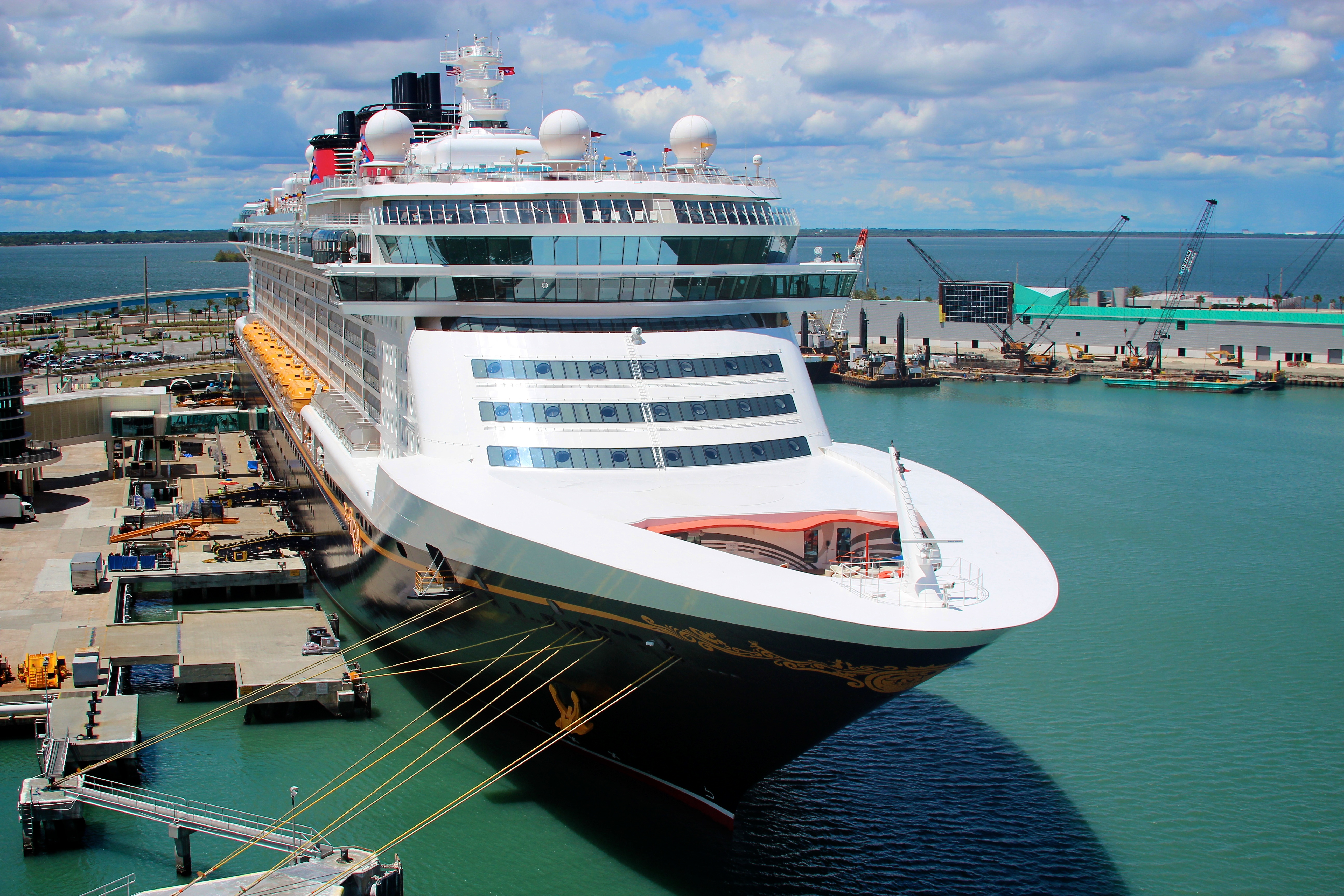
Photo: Nathan Forget, CC BY 2.0, via Wikimedia Commons
Cruise arrival and disembarkation
What Does Port of Destination Arrival Mean on a Cruise?
Port of destination arrival is the cruise term for the place where your sailing ends and you leave the ship for good. In practical traveler language, it is the debarkation port where checked luggage, customs, and onward transportation all come back into focus.
Port of destination arrival is the cruise term for the place where your sailing ends and you leave the ship for good. In practical traveler language, it is the debarkation port where checked luggage, customs, and onward transportation all come back into focus.
Fast read
Cruise cabin gear
The small fixes that make an interior stateroom livable, every pick cruise-line compliant.




What matters first
Use this page as the practical filter before you open booking pages, maps, or official policy documents.
What it is
It is the final port where your cruise ends and passengers leave the ship permanently rather than returning for the night.
Best for
Cruisers planning the last morning of the trip, especially anyone coordinating flights, transfers, luggage, and customs.
Think twice if
You are actually trying to understand a normal port-of-call stop, because destination arrival is the end-of-cruise term, not the midday sightseeing term.
Decision system
The planning sequence
Use the sequence below to decide how this should shape the trip.

Why the term affects your final morning
The terminal process starts after the ship docks
Even when the ship arrives early, guests still move through bag pickup, customs, and transportation in controlled waves. That is why port of destination arrival is more than a map label. It is the signal that the cruise is entering its final terminal sequence.
Port of destination arrival is the end-of-cruise term
On a cruise booking, port of destination arrival means the final place where the sailing ends for you. Unlike a port of call, this is not a temporary shore stop, because you leave the ship, reclaim your luggage, and move into the terminal process for the trip home.
The night-before luggage routine is part of the meaning
Destination arrival usually comes with a final-evening luggage handoff, because the line needs checked bags sorted before morning release. Guests keep only the carry-on items they need overnight and then collect larger bags inside the terminal after leaving the ship.
Customs and terminal flow matter more than sightseeing here
Once the ship releases guests, the job shifts to terminal steps such as baggage claim, customs, immigration where required, and finding the right ground transportation. That is why the term matters most on the final morning, when terminal timing can affect flights, rail bookings, and pickup plans.
It is closely related to embarkation and turnaround terms
This phrase sits in the same family as embarkation port, port arrival time, and turnaround port, but it describes the end rather than the start of the sailing. Deep Arrival treats it as a disembarkation-planning term, so the smartest next move is to pair it with the embarkation and final-boarding explainers before you book the trip home.
Planning traps
Mistakes to avoid
These are the small decisions that quietly derail an otherwise good plan.
Sources checked
Official and supporting references
These are the references checked while writing this page, so you can confirm live prices, dates, rules, and operating details before money changes hands.
Landing abroad? Set up a Yesim eSIM before you sail.
Deep Arrival earns a commission when you buy through partner links. It does not change the price you pay.
FAQ
Common planning questions
What does port of destination arrival mean on a cruise?
Is port of destination arrival the same as a port of call?
Does port of destination arrival mean the same thing as debarkation port?
Why should travelers care about the term?
Continue planning