

Photo: Wikimedia Commons, verify license on file page
Cruise embarkation, Hawaii
Honolulu Cruise Port Guide: Aloha Tower and Getting to the Ship
Honolulu is a homeport utility page first. Readers need the harbor orientation near Aloha Tower, the airport-transfer expectation, and a calm embarkation-day sequence rather than generic Waikiki filler.
Honolulu is a homeport utility page first. Readers need the harbor orientation near Aloha Tower, the airport-transfer expectation, and a calm embarkation-day sequence rather than generic Waikiki filler.
Fast read
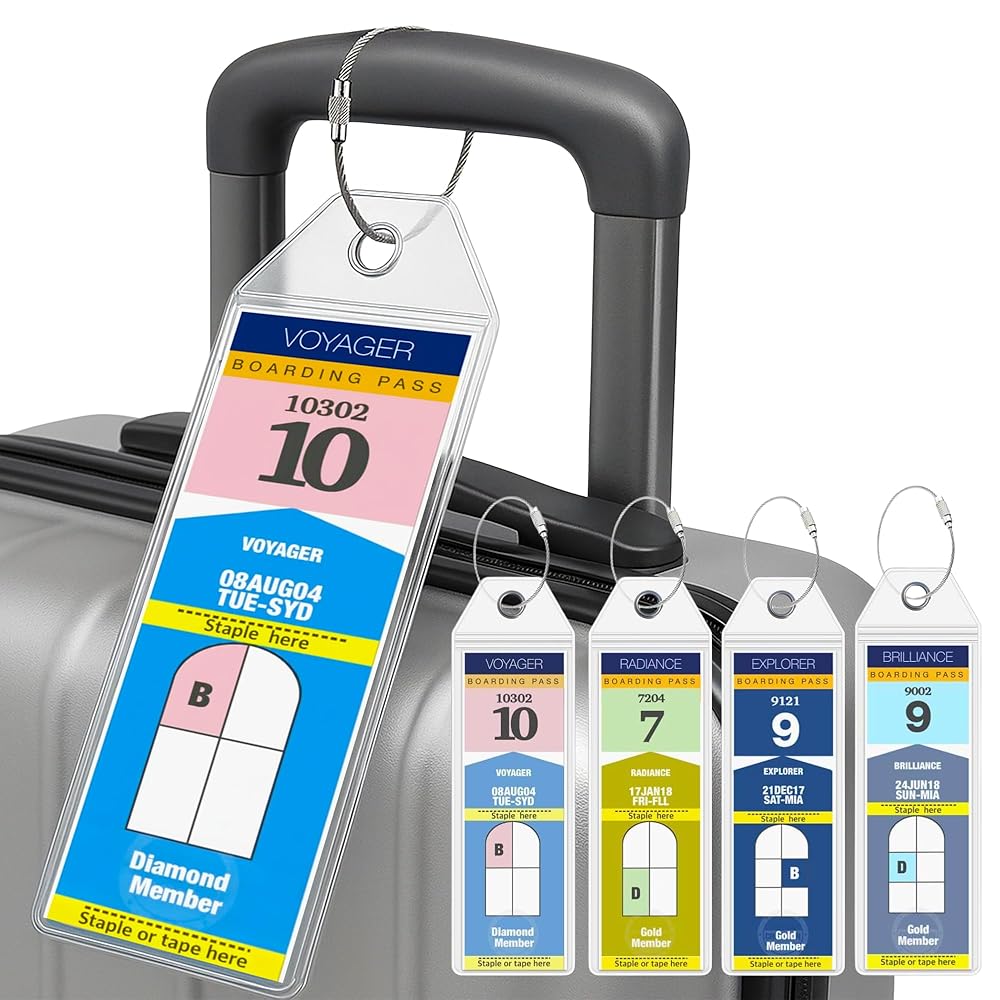
Cruise cabin gear
The small fixes that make an interior stateroom livable, every pick cruise-line compliant.



What matters first
Use this page as the practical filter before you open booking pages, maps, or official policy documents.
Best first check
Confirm the terminal area and transfer plan before thinking about pre-cruise sightseeing.
Main advantage
The airport-to-port move is short enough that the page can stay practical and calm.
Main caution
Do not overpromise exact pier labels or parking specifics without a fresh terminal check.
Decision system
The planning sequence
Use the sequence below to decide how this should shape the trip.

The harbor anchor
Aloha Tower is the orientation point that keeps the page useful
Readers do not need a broad Honolulu guide here first. They need the visual anchor that tells them where the cruise harbor sits and how embarkation day connects to the airport and nearby stays.
Why this page stays narrow
Honolulu cruise port works best as a homeport utility page rather than a general city planner. The reader need is the terminal area, transfer timing, and embarkation flow, not a broad list of Oahu attractions.
How to frame the airport transfer
The airport is close enough that the transfer can stay simple, but not so trivial that readers should cut the timing tight. That balance is what makes the page practical instead of either alarmist or careless.
When a pre-cruise stay is worth it
A hotel night makes sense when flights land late, connections feel fragile, or the first day is already carrying enough friction. The page should present that as a stress-reduction choice, not as mandatory upsell.
How to keep facts stable
Terminal areas and pier labels can shift, so the copy should stay on the Aloha Tower and Honolulu Harbor orientation instead of pretending every operational detail is permanently fixed. That keeps the page inside the safe fact zone.
Planning traps
Mistakes to avoid
These are the small decisions that quietly derail an otherwise good plan.
This page should solve harbor logistics before it sells Honolulu as a sightseeing stop.
A short drive still needs margin on embarkation day.
Stable orientation beats fragile terminal overprecision when the live detail can move.
Embarkation pages should keep the day sequential and calm.
Sources checked
Official and supporting references
These are the references checked while writing this page, so you can confirm live prices, dates, rules, and operating details before money changes hands.
Landing abroad? Set up a Yesim eSIM before you sail.
Deep Arrival earns a commission when you buy through partner links. It does not change the price you pay.
FAQ
Common planning questions
Where is the Honolulu cruise port?
How far is the airport from the port?
Is a pre-cruise hotel night worth it?
What should the page help with first?
Continue planning