
Arrival Windows, Traffic, Security Lines, and Smart Timing Rules
Short answer:
Arrive within your assigned check-in window, not hours before.
Long answer:
Cruise ports operate on scheduled arrival systems. Showing up too early does not get you on the ship faster. It often creates longer waits.
This guide explains:
- How cruise arrival windows work
- How early to arrive for parking
- When families should build extra buffer
- What to do if you have early flights
- How security and check-in timing affects boarding
If you haven’t reviewed the full process yet, start with:
👉 Embarkation Day: Boarding Process Explained
Arrival timing sets the tone for the entire trip.
The General Rule
Arrive for terminal check-in within your assigned arrival window. This guide’s 15–30-minute buffer is an optional travel-planning allowance, not permission to enter the terminal early. Carnival’s current instructions, for example, say to arrive promptly within the selected appointment.
Follow any different arrival instructions issued for your booking.
Why:
- Terminals operate in waves
- Early arrivals may be held outside
- Boarding groups are structured
- Showing up at 9 AM for a 12 PM window does not speed up boarding
Cruise lines stagger arrival windows to prevent terminal congestion.
Respect the window.
How Cruise Arrival Windows Work
When you complete online check-in, you select:
- A terminal arrival time
- Often in 30-minute increments
This is not sail-away time.
It is when you are allowed to enter the terminal.
After arrival:
- Luggage drop
- Security screening
- Check-in verification
- Boarding group assignment
- Waiting area
Full process here:
👉 Embarkation Day: Boarding Process Explained
When Should You Arrive for Parking?
If driving yourself:
This guide suggests a 20–30-minute parking and transfer allowance before your check-in window. Adjust that planning estimate to the actual garage or shuttle arrangements, and reach the terminal within your assigned arrival appointment.
This allows time for:
- Garage navigation
- Shuttle transfer (if applicable)
- Luggage unloading
- Walking to terminal
Large ports (Miami, Port Canaveral, Fort Lauderdale) can experience traffic surges on peak days.
If sailing from a major port, add:
- 30-minute traffic buffer
But still align with your assigned window.
How Early Should Families Arrive?
Families with:
- Young children
- Strollers
- Multiple bags
- Elderly travelers
Should build a slightly larger buffer.
Recommendation:
Allow this guide’s suggested 30-minute preparation or travel buffer if useful, but arrive for terminal check-in within your assigned window.
A larger personal travel buffer does not change the terminal appointment.
Children do not benefit from sitting outside terminals for extended periods.
First-Time Cruiser Timing Rule
If this is your first cruise:
Use this guide’s suggested 30-minute preparation or travel buffer if needed; terminal arrival should still be within your assigned appointment.
Why:
- You may need extra time for document checks
- You may be unfamiliar with terminal flow
- You may need extra time organizing carry-ons
Before arrival, confirm documentation:
👉 Cruise Documents Checklist
👉 Do You Need a Passport for a Cruise?
Missing documents cause delays — not arrival timing.
What If You Arrive Too Early?
If you arrive significantly before your window:
- You may be asked to wait outside
- You may sit in holding areas
- You may not clear security
Arriving 2–3 hours early does not increase boarding priority.
Boarding order is typically based on:
- Suite status
- Loyalty tier
- Assigned arrival group
Early arrival ≠ early boarding.
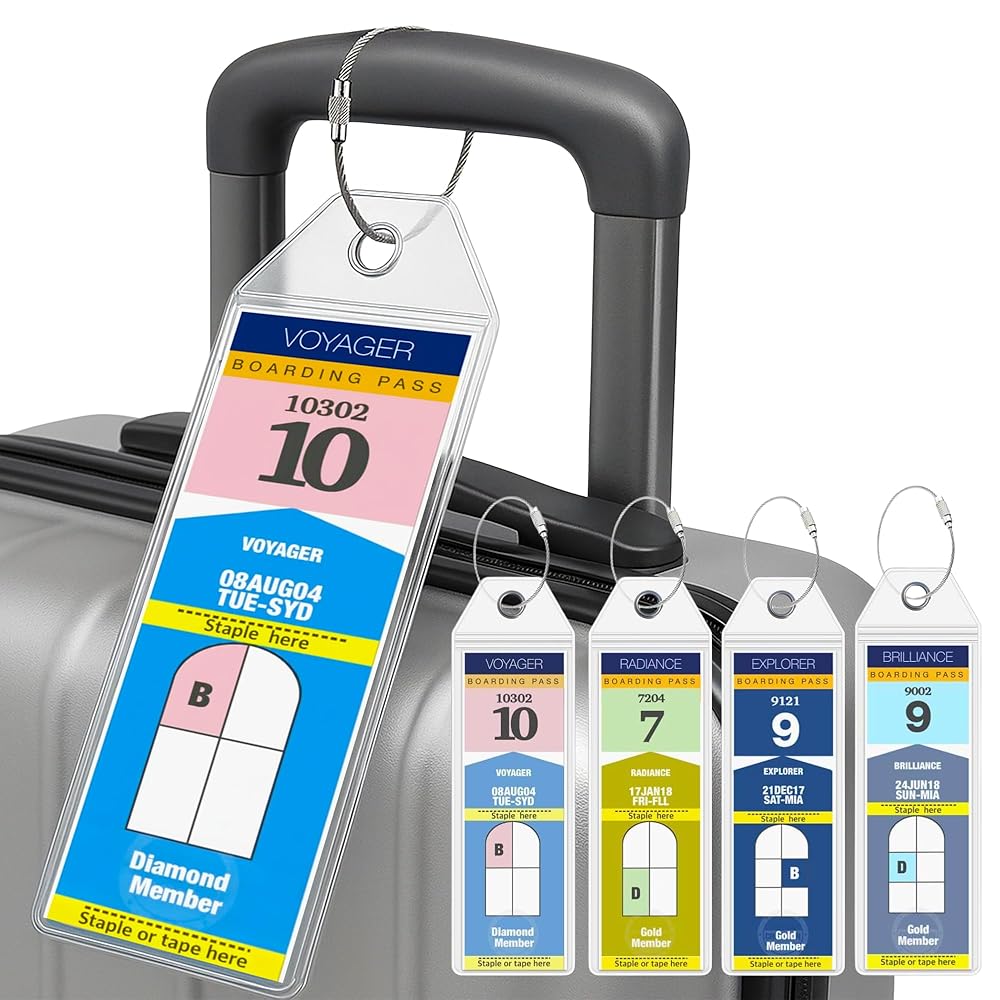
Cruise cabin gear
The small fixes that make an interior stateroom livable, every pick cruise-line compliant.



What If You Arrive Late?
If you miss your assigned window, follow the cruise line’s instructions rather than assuming late arrival will be accepted.
Arriving too close to final boarding can create risk. Carnival requires everyone onboard by the final boarding time printed on the boarding pass. That sailing-specific deadline governs; the general timing ranges below are the guide’s existing planning guidance, not a replacement for your line’s instructions.
Most cruise lines require:
- All guests onboard 60–90 minutes before departure
Never aim to arrive within 90 minutes of departure time.
If traffic or delays occur, that margin disappears quickly.
Flight Timing and Cruise Port Arrival
If flying in same day (not recommended for international cruises):
Plan flight arrival:
- At least 4–5 hours before ship departure
- Preferably earlier
Best practice:
Arrive the day before.
Same-day arrival increases risk of missing the ship.
If you must arrive same day:
Choose the earliest flight available.
Security Lines and Peak Timing
Peak congestion usually occurs:
- 11 AM – 1 PM
- Popular weekend sailings
- School break seasons
If you want lighter lines:
Select one of the earliest available arrival windows.
The guide’s 15–30-minute buffer is for travel planning; present for terminal check-in within your selected arrival window.
Carry-On Strategy and Timing
Because checked luggage can take hours to arrive in your cabin, your arrival timing affects:
- When you access essentials
- When you can swim
- When you change clothes
Pack your carry-on intentionally:
👉 Cruise Luggage Rules
👉 Cruise Packing Checklist (Master)
Your carry-on should include:
- Medications
- Documents
- Swimsuit
- Chargers
- Sunscreen
Early Boarding Myth Explained
Common belief:
“If I get there early, I’ll board first.”
Reality:
Boarding groups are controlled.
Even if you clear security early, you may wait for your assigned boarding group.
The ship is not waiting for early arrivals.
It is following a controlled loading schedule.
Port-Specific Considerations
Major U.S. Ports:
- Miami
- Fort Lauderdale
- Port Canaveral
- Galveston
Often experience:
- Heavy traffic on peak sailings
- Garage congestion
- Shuttle delays
Build buffer for traffic — not early arrival inside the terminal.
Quick Arrival Timing Cheat Sheet
The buffer figures below are this guide’s planning suggestions, not cruise-line check-in permissions or newly verified minimums. Follow the arrival appointment and final-boarding deadline for your sailing.
| Scenario | Arrival Timing |
|---|---|
| Solo traveler | Suggested travel buffer: 15–20 minutes; terminal check-in within assigned window |
| Family with kids | Suggested preparation/travel buffer: 30 minutes; terminal check-in within assigned window |
| First-time cruiser | Suggested preparation/travel buffer: 30 minutes; terminal check-in within assigned window |
| Driving to port | Suggested parking/transfer allowance: 20–30 minutes before window; terminal check-in within assigned window |
| Same-day flight arrival | 4–5 hours before departure (minimum) |
The guide’s original 1-hour early-arrival ceiling does not mean earlier terminal entry is permitted. Follow your assigned arrival window unless the cruise line instructs otherwise.
The Calm Arrival Formula
- Complete online check-in early
- Select preferred arrival window
- Pack carry-on intentionally
- Use the suggested 15–30-minute travel buffer if useful, and arrive for terminal check-in within your assigned window
- Follow terminal flow
- Wait for your boarding group
Structure eliminates stress.
Landing abroad? Set up a Yesim eSIM before you sail.
Deep Arrival earns a commission when you buy through partner links. It does not change the price you pay.
Final Thoughts
The best time to arrive at a cruise port is not “as early as possible.”
It is:
Within your assigned window — with a small buffer for traffic.
Arrive too early and you wait.
Arrive too late and you risk stress.
Arrive aligned, and the process feels efficient.
For full embarkation flow, review:
👉 Embarkation Day: Boarding Process Explained
Cruise travel works best when you respect the system.
Timing is part of that system.