
MSC Orchestra
MSC Orchestra is a 2007 Musica class midsize ship that leans on the itinerary, sailing the Mediterranean in summer and South America in some winters. It works best for travelers who care about the route and an easier ship size more than the newest onboard hardware.

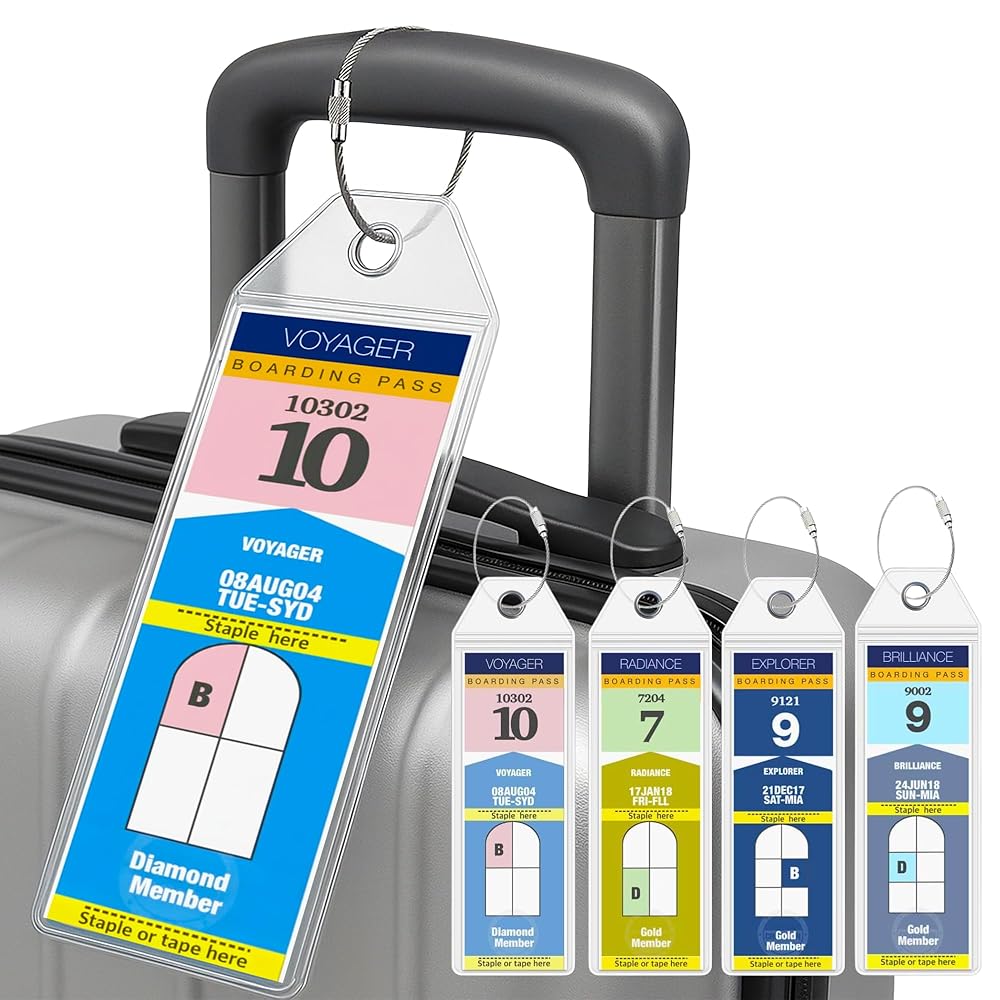
Cruise cabin gear
The small fixes that make an interior stateroom livable, every pick cruise-line compliant.



MSC Orchestra trip profile
Use this order next.
The trip profile is already above. From here, check the facts, choose the planning lane, then compare the nearby MSC Cruises choices.
MSC Orchestra ship facts
The first decision is not whether the ship is impressive. It is whether this ship helps the vacation your group is trying to build.
| Cruise line | MSC Cruises |
| Ship | MSC Orchestra |
| Class | Musica Class, second in the class |
| Debut year | 2007, the second Musica class ship |
| Builder | Chantiers de l’Atlantique, France |
| Gross tonnage | 92,409 |
| Length | 964 feet |
| Approximate capacity | About 2,550 guests at double occupancy |
| Crew | About 987 |
| Signature feature | An itinerary first midsize ship for the Mediterranean and South America |
| Dining style | Two main dining seatings on most fares, plus a buffet and a specialty row. What is included depends on the MSC fare experience and any dining package. |
| Premium layer | MSC does not sail an MSC Yacht Club on this class, so there is no ship within a ship enclave. The quiet and premium layer here is the Aurea spa thermal area, the adult only solarium, and a higher fare experience or a well chosen balcony. |
| Homeport pattern | Mediterranean homeports in summer, with South America or repositioning seasons in winter by year. Check the current schedule |
| Typical voyage length | Mostly 7 night Mediterranean weeks in summer, with South America coastal sailings in some winters |
| Port examples to check | Mediterranean ports such as Venice, Bari, Genoa, and Barcelona in summer, with Brazilian or Argentine ports in some winters. Confirm the exact ports for the date. |
Use this table as the fast factual read before comparing cabins, itinerary fit, and onboard zones.
The MSC Orchestra guide system
Use this page as the central Orchestra guide, then move into the planning lane that changes the trip most. Start broad here, then use each lane to decide what needs attention before booking or sailing.
Plan MSC Orchestra by operating zone
MSC Orchestra is easier to use when you choose where each day will start, reset, and end, rather than trying to memorize every venue before boarding. These are the operating zones most groups actually repeat.
Choose the job first
Use this as a trip router, not a second list of zones. Pick the need first, then jump to the planning card that explains where that need lives on the ship.
The top deck pool layer
These are midsize ships, so the top deck is about pools and sun more than marquee thrills. The aft cantilevered pool over the stern is the signature spot, with a waterslide and a covered pool on the modified Magnifica. Claim a base early on sea days.
Jump to pools and thrillsThe pool deck engine
The Musica class centers its pools on an outdoor deck and the distinctive aft pool that cantilevers over the stern, with a glass roofed pool on Magnifica for cooler routes. Claim a base early on sea days.
Jump to itinerary fitThe evening anchor loop
The main theater, the panoramic top deck disco, the lounge circuit, and the casino form the evening loop. MSC runs short repeating production shows you reserve through the app, so book them like dinner.
Jump to entertainmentThe dining anchors
The buffet, the included main dining rooms, and a smaller specialty row carry the dining on these midsize ships. The fare experience and any dining package decide how much is covered, so read the booking first.
Jump to dining flowThe adult quiet layer
The MSC Aurea Spa thermal area and the adult only solarium carry the quiet layer. On a midsize ship the quiet zones are easier to reach, which is part of the appeal.
Jump to pool strategyThe youth operating base
MSC splits youth by age band, from the Baby Club and Doremi kids clubs through the dedicated teen space. The ship works better when kids, teens, and adults are not sharing the same loop all day.
Jump to cabin strategyThe midsize, port focused character
The class signature is its scale and detail: the Swarovski crystal staircases, the aft pool over the stern, and a ship sized for itineraries rather than onboard spectacle. These ships make the most sense when the route matters more than the hardware.
Jump to itinerary fitThe separation layer
The Musica class predates the MSC Yacht Club, so cabin value runs on the fare experience you pick and the balcony you choose rather than a ship within a ship. Match the fare to how the group will use a midsize, port focused ship.
Jump to cabin strategyOrchestra works best when the trip is built around the itinerary, not the ship. The Musica class trades marquee hardware for an easier size and a port first rhythm, so let the route lead the decision.
Dining, entertainment, pools, and family flow
MSC Orchestra is not hard because there is too little to do. It is hard because the ship is large and the add on packages can blur what is included. These cards group the ship around the decisions most travelers actually make.
Dining still needs a plan
Start with the meals that would disappoint the group if missed and book them early, then let the included main dining rooms and the buffet carry the rest. The specialty row is smaller than on the newer ships, so confirm what your fare and any dining package already cover.
Protect the headline nights
The theater productions, the panoramic disco, and the lounge music circuit should be reserved through the app like dinner where reservations apply. The flexibility disappears fastest on show nights.
Sea days need a base
Pick a realistic base by age and noise tolerance: the main outdoor pool for the energy, the aft pool for the view, the solarium for quiet. Sea days are calmer than on the megaships, but middays still fill.
The ship works by splitting well
The ship is strongest when the group can separate and reconnect. The Doremi kids clubs and the teen room give younger guests a base while adults use the spa, the solarium, and the quieter decks.
Separate the base fare value from the upgrades
MSC Orchestra can feel affordable and nickel and dimed at the same time. The fare you pick decides a great deal: MSC sells Bella, Fantastica, and Aurea experiences plus drink, dining, Wi-Fi, and excursion packages, so the real trip cost moves with the bundle. Decide the upgrade budget before boarding.
Ready to price it? Compare MSC sailings at CruiseDirect.
Deep Arrival earns a commission when you buy through partner links. It does not change the price you pay.
Use the included layer first
Build the trip around the included main dining rooms, the buffet, the pools and the public lounges, the youth clubs, and the repeat zones that are already part of the fare before adding upgrades.
Pick paid items by friction, not hype
Specialty dining, drink packages, the spa thermal area, and excursions should solve a specific trip problem instead of becoming a second vacation budget. On a port focused ship the shore excursion budget often matters more than onboard add ons, so read what your fare includes.
Budget the crowded moments
MSC sells its experience packages and drink, dining, Wi-Fi, and excursion add ons hard, and the fare you book changes what is included. Decide the upgrade budget before boarding, then book the high demand slots early.
| Planning area | Use the included layer for | Consider paying extra when |
|---|---|---|
| Dining | Main dining rooms, the buffet, the buffet and the casual spots, and casual snacks. | A specialty dinner becomes the one anchor meal, since the row is smaller here. |
| Drinks | Water at the buffet and the basic drinks included only when your fare bundle or package covers them. | Cocktails, beer, wine, soda, or specialty coffee will be a daily habit, where an MSC drink package or a fare that bundles one can help. Run the math against your real consumption. |
| Entertainment | Theater productions, lounge and bar music, the casino floor, game shows, and deck events. | A paid experience solves a specific traveler priority. |
| Pools and activities | The outdoor pools, the aft pool, and the splash zones. | The spa thermal area carries charges, and the water lineup is lighter than on the newer classes. |
| Cabins | A room category that keeps the trip affordable and the route simple. | Without a Yacht Club aboard, the fare experience and a good balcony are the upgrades that change daily value most. |
Choose the room around movement, not just category
Cabin value on MSC runs on three questions: which fare experience matches how your group actually uses the ship, is the MSC Yacht Club worth it for this trip, and what sits above and below the room you are about to book.
| Traveler type | Cabin priority | Why it matters |
|---|---|---|
| Younger family | Route simplicity | Shorter repeat trips to the room can matter more than a view upgrade. |
| Teen family | Easy split and reconnect points | The ship works better when teens can use activities without dragging the whole group along. |
| Value buyer | Inside and the right fare bundle | MSC’s value comes from matching the cabin to the Bella, Fantastica, or Aurea experience that bundles what you actually use. |
| Premium buyer | A suite, the Aurea fare, and the spa | Without a Yacht Club on this class, the premium move is a suite, the Aurea experience, and the spa thermal area rather than a ship within a ship. |
| Light sleeper | Deck buffer | Rooms directly below busy pool, buffet, music, or activity zones can feel different from the same category in a quieter stack. |
| Repeat zone | What to check before booking | Why it matters |
|---|---|---|
| The pools and the Doremi clubs | Route from room to the family pools, slides, and the Doremi club programming. | Younger families often make repeated room trips for naps, clothes, snacks, and resets. |
| The aft pool and sun decks | Elevator path, stairs, shade timing, and distance to casual food. | Sea days get easier when the group is not fighting the ship every time it needs something. |
| Main theater and show nights | Show timing, dinner seating, and how the group gets back after late events. | The larger the group, the more a bad evening route can make the ship feel harder than it is. |
| The buffet and public lounges | Access to everyday food, coffee, bars, shopping, and movement corridors. | These are the connector spaces many travelers pass through more than they expect. |
| The Aurea spa and solarium | Whether the group will use the premium or quiet layer enough to factor it into cabin position. | Premium value is strongest when it changes daily movement, crowd pressure, and recovery time. |
MSC Orchestra follows the route, season by season
The destination question leads here. Orchestra runs the Mediterranean in summer and South America in some winters, so the first planning step is the route and season, then the departure city.
Orchestra’s homeport varies by season and year. Confirm the departure city and region for your dates first.
Summer leans 7 night Mediterranean routes calling at ports such as Venice, Genoa, and Barcelona. Confirm the port list.
Some winters bring South America coastal sailings. Match the season to the region you want.
MSC’s Bella, Fantastica, and Aurea experiences decide what is included. Match the fare to your group, then book the high demand slots early.
MSC Orchestra versus the nearby MSC choices
The useful question is not which ship is biggest. It is which ship solves the trip better. These are the comparisons most travelers are actually weighing when Orchestra is on the shortlist.
MSC Orchestra
A Musica class midsize ship for the Mediterranean and South America, with the route leading the decision and an easier size than the megaships.
MSC Musica
The 2006 lead Musica class ship, the same midsize platform. The comparison is mostly deployment.
MSC Poesia
The 2008 Musica class sister with broad deployment. Compare if the route lines up.
| Ship | Best use | Planning tradeoff |
|---|---|---|
| MSC Orchestra | A route led cruise on an easier midsize ship | Older midsize hardware and no Yacht Club |
| MSC Musica | The original Musica class | A year older, similar |
| MSC Poesia | Broadly deployed sister | Similar midsize ship |
Where the MSC Orchestra facts come from
MSC Cruises’s own materials check the ship facts. Deep Arrival adds the planning read, including trip fit, cabin movement, dining, deck flow, adult spaces, and itinerary logic. Pricing, sailing dates, port lists, and program details change. Use these as the next step after this guide.
Cruise lines do not cover medical evacuation. EKTA travel insurance covers it from about 1 dollar a day.
Deep Arrival earns a commission when you buy through partner links. It does not change the price you pay.
MSC Orchestra questions families ask first
How big is MSC Orchestra?
MSC Orchestra is about 92,409 gross tons and roughly 964 feet long. It is the second Musica class ship, a midsize platform from the late 2000s.
How many guests does MSC Orchestra hold?
MSC Orchestra carries about 2,550 guests at double occupancy, with a crew of about 987. Total counts run higher when third and fourth berths fill on family heavy sailings.
How old is MSC Orchestra?
MSC Orchestra entered service in 2007. It entered service in 2007 as the second Musica class ship and has run repeated South America seasons.
Where does MSC Orchestra sail from?
MSC Orchestra sails the Mediterranean in summer and South America in some winters, on mostly 7 night weeks. Confirm the exact season, departure city, and route for your dates.
Does MSC Orchestra have the MSC Yacht Club?
No. The Musica class predates the MSC Yacht Club, so there is no ship within a ship enclave. The premium and quiet layer here is the Aurea spa thermal area, the adult solarium, and a higher fare experience or a good balcony.
What class is MSC Orchestra?
MSC Orchestra is the second Musica class ship, after MSC Musica in 2006. The Musica class is a midsize platform from the late 2000s that predates the MSC Yacht Club.
What is MSC Orchestra like as a ship?
Orchestra is a midsize Musica class ship that leans on its itineraries, including regular South America seasons. It trades marquee hardware for an easier size and a port first rhythm, often at a value price.
When was MSC Orchestra built?
MSC Orchestra was built by Chantiers de l’Atlantique, France and delivered in 2007. MSC keeps its onboard lineup current, so check the current deck plan for the latest venue list.
What restaurants are on MSC Orchestra?
MSC Orchestra centers on the included main dining rooms and the buffet, with a limited specialty option as the paid anchor on this midsize ship. What is included depends on your fare experience and any dining package, so read the booking first.
Is MSC Orchestra good for families?
It can. MSC Orchestra works for families that prioritize the itinerary, with included main dining, pools, and age banded Doremi kids clubs plus a teen room, though the onboard lineup is lighter than the megaships. Confirm which fare experience matches how your group will use the ship.
Keep comparing MSC Cruises ships
Use the MSC Cruises fleet guide to compare Orchestra with MSC Musica and MSC Poesia, and the rest of the fleet before choosing the ship that fits the trip.
Back to the MSC Cruises hub