
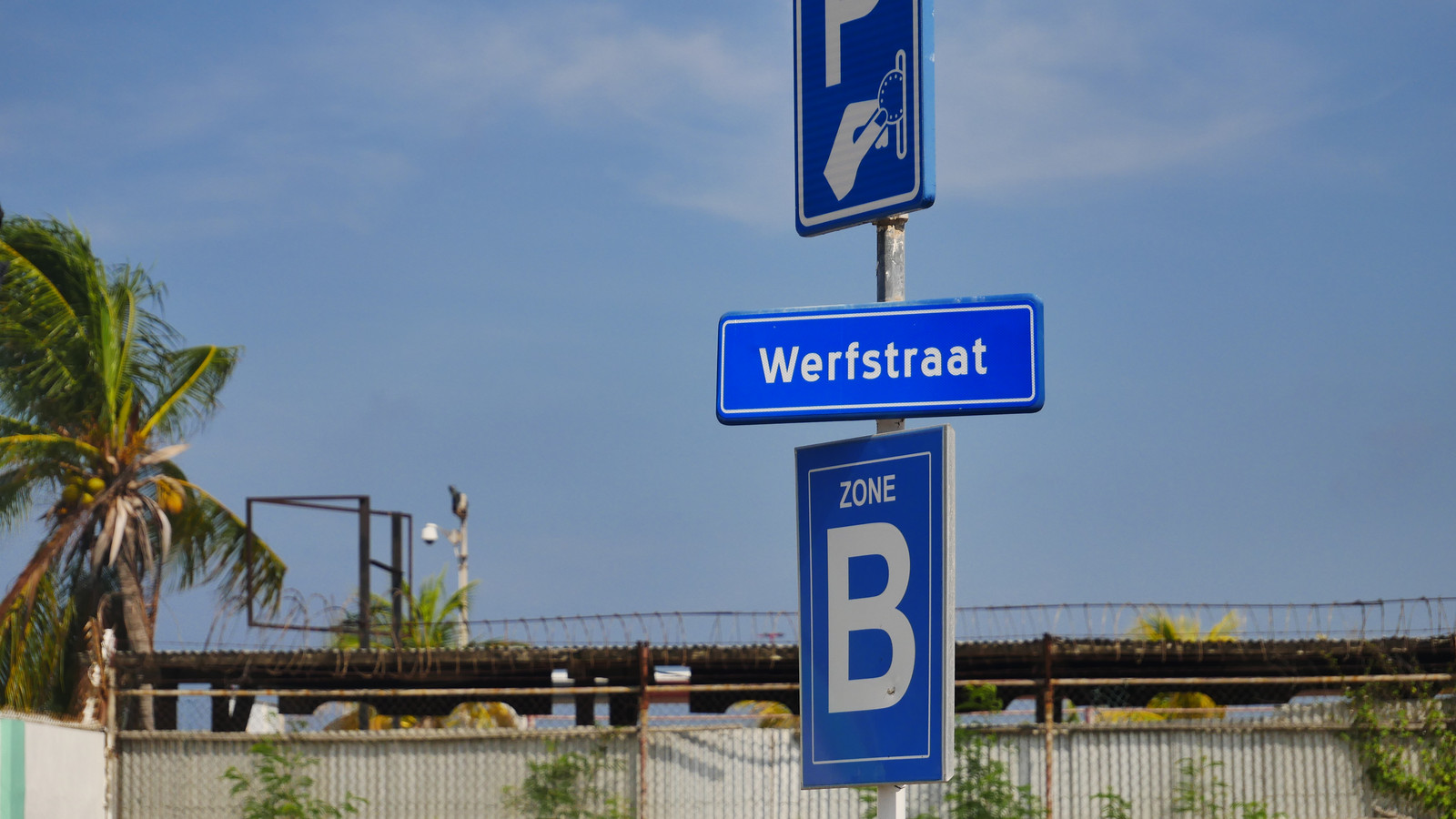
Photo: Ginelly.Q, CC0 1.0, via Wikimedia Commons; cropped by Deep Arrival.
Cruise decision guide
Car Rental at Aruba Cruise Port: Pickup and Return Guide
Fast read
What matters first
A rental car can unlock a flexible Aruba loop, but only when the vehicle is physically waiting where the reservation says it will be and the return closes well before all aboard.
Pickup proof
Get the exact meeting point, office or shuttle, walking instructions, contact, and grace period in writing.
Vehicle proof
Match seats, luggage, mobility equipment, transmission preference, road plan, and permitted use to the contract.
Return proof
Reserve time for fuel, parking, inspection, keys, the terminal walk, security, and a recovery margin.
Decision system
The planning sequence
Compare the complete rental loop, not just the advertised vehicle class. Every row below changes either the pickup burden, the usable driving time, or the risk of a late return.
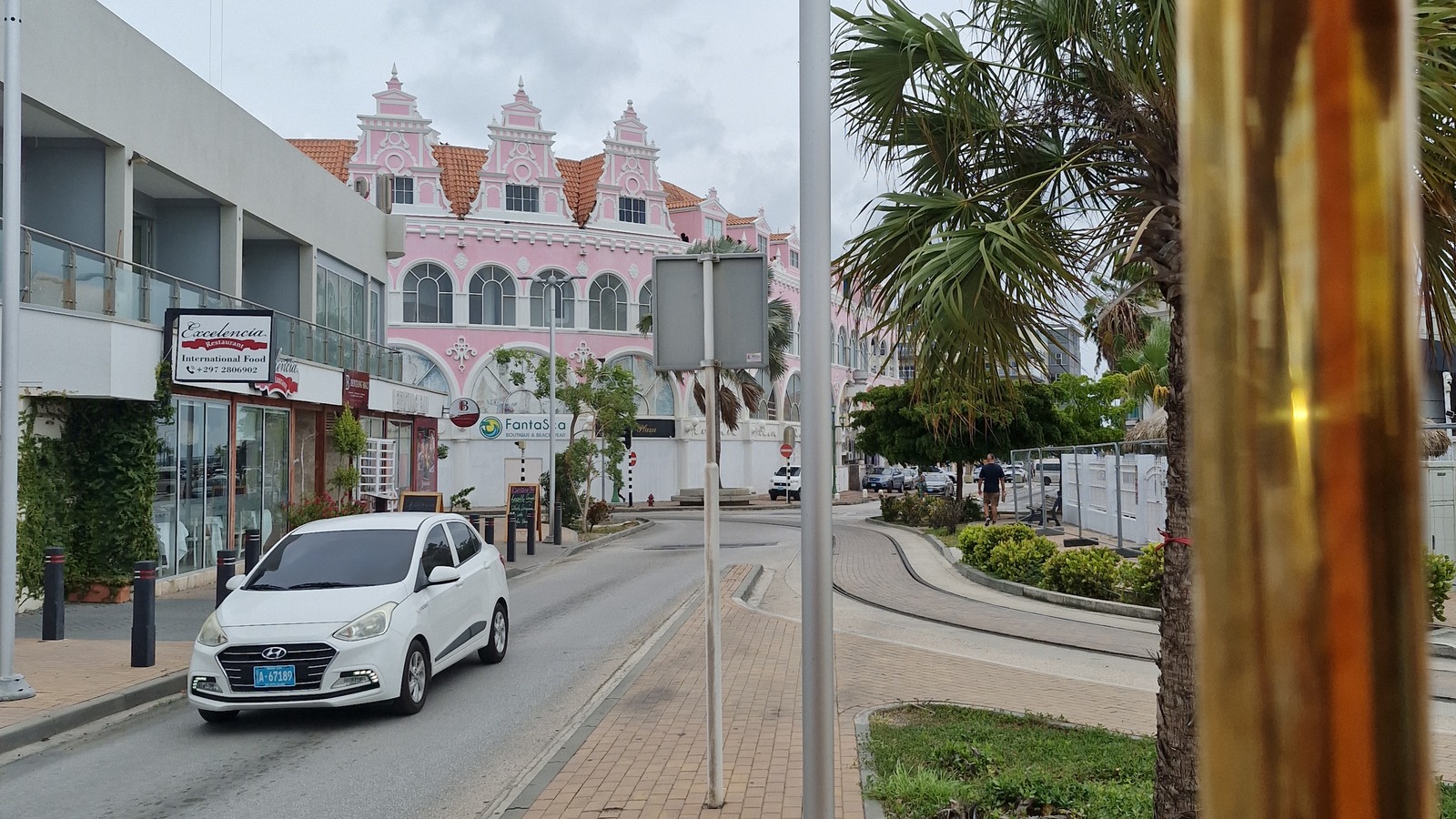
City driving
Make the return route part of the rental decision
Weststraat in Oranjestad is shown in July 2025. Confirm your own rental handoff location rather than using a photograph as a pickup instruction.
Allow time for city streets, parking, fuel and the final walk back through the port before the ship’s all-aboard deadline.
Decide if a car creates enough usable freedom
Begin with the stops that genuinely require independent wheels. A car can make sense for a spread out route, a family carrying beach gear, or travelers who want to control the sequence.
It can be a poor trade for one central stop because pickup, contract review, parking, fuel, and return all consume time. Compare the car with a taxi or organized excursion using door to door minutes, not headline price.
The existing Oranjestad Aruba cruise port guide covers the broad port, beach, and transit choice. This guide focuses on the rental chain after a traveler decides that self driving is the better tool.
Give the car plan a clear win condition, such as two distant stops with simple parking. If the itinerary still works after removing the car, the simpler option may leave more time ashore and less exposure to a missed handoff.
Pin down the pickup before paying
Car rental at a cruise port can mean a representative at an agreed terminal point, a walk to an Oranjestad office, a shuttle to another facility, or a transfer to the airport area. Those are not interchangeable products.
Ask the company for the exact meeting point from the cruise passenger exit, whether the vehicle is delivered or the traveler rides elsewhere, the local contact, operating hours, grace period, and procedure if the ship clears late. Request a written answer attached to the reservation.
Aruba Ports Authority establishes the port setting, but it does not certify a rental company's pickup promise. Do not assume a brand name means the airport and cruise locations share inventory or hours.
If a shuttle is involved, ask how many passengers and mobility devices it can take. Keep a taxi fallback that can reach the office or return directly to the ship if the representative is absent.
Read the contract for the route you intend to drive
The useful contract questions are practical. Confirm the driver license requirements, age rules, deposit, accepted card, additional driver terms, fuel policy, mileage treatment, insurance choices, roadside number, damage process, and geographic or surface restrictions.
Ask whether the reserved category guarantees the feature that matters, such as an automatic transmission, luggage space, or a device that fits without dismantling. A sport utility label is not permission to drive anywhere, and a vehicle pictured online may not be the one supplied.
Photograph every side, wheel, window, interior mark, fuel level, and dashboard warning before moving. Make the agent record disputed damage.
Keep the agreement and roadside contact available offline. If a term is unclear, resolve it at the desk while another vehicle or transport option is still possible.
The objective is a car whose authorized use matches the route, not simply a set of keys.
Build the route around Aruba driving rules
Aruba's official tourism guidance says traffic keeps to the right, road signs use kilometers, and vehicles already on a roundabout have priority. Review the live page before travel because rules and guidance can change.
Set navigation to each actual parking entrance rather than an attraction label in the middle of a property. Download an offline map and share the stop order with a passenger who can watch turns without distracting the driver.
Avoid stacking distant stops just because the island appears compact on a screen. A wrong turn, road work, slow queue, or search for legal parking can consume the margin quickly.
If the proposed route includes an unpaved or rough section, ask the rental company whether that use is permitted and whether the supplied vehicle is suitable. When the answer is vague, stay on the simpler paved loop or choose a guided operator for that segment.
Cruise cabin gear
The small fixes that make an interior stateroom livable, every pick cruise-line compliant.


Treat parking as part of every stop
Official Aruba guidance notes meters in Oranjestad and restrictions such as yellow curb areas, while the Government of Aruba has publicized enforcement and towing in the city center. Read the current sign and meter at the space rather than relying on a saved blog post.
Confirm the legal parking boundary, payment method, expiration, and walking route back to the vehicle. Do not leave passports, cruise documents, medication, electronics, or visible bags in the car.
Before walking away, photograph the vehicle position and a nearby sign so the group can find it without searching. If a lot is full or its rules are unclear, skip the stop or use the preselected alternative.
The final Oranjestad stop deserves extra discipline because a ticket, tow, or misplaced car can threaten the ship return. Parking time belongs in the itinerary from the start, not as an invisible add on after arrival.
Protect comfort, mobility, and heat tolerance
Vehicle capacity on a listing may not describe usable capacity for adults, a folded scooter, a walker, beach gear, and purchases. Ask for cargo measurements when fit is critical and keep an alternate class in writing.
Confirm whether the pickup shuttle is accessible and whether the traveler must climb into a high vehicle. Air conditioning, seat access, and the ability to load without blocking traffic matter on a hot port day.
Plan water and sun protection, but do not leave heat sensitive items in the parked car. At each stop, consider the route from the parking space to the destination, not just the driving distance.
A traveler who conserves energy in the vehicle can still face rough ground or a long unshaded approach. If the car adds transfers or lifting rather than reducing them, choose a direct vehicle service that has confirmed the required equipment.
Preserve enough energy for the rental return and gangway.
Close the rental before the return becomes urgent
Set a rental desk target that is earlier than the terminal target. Before the last stop, check fuel level, traffic, office status, and the precise return entrance.
Follow the contract's fuel rule and keep a receipt if it may resolve a dispute. At the return, photograph the vehicle, odometer, fuel gauge, parking position, keys, and any signed inspection.
Ask for a closeout receipt or written acknowledgment. A key box may be convenient, but confirm that it is allowed for the booking and understand when responsibility for the car ends.
After closeout, the group still needs a walk, shuttle, or taxi to the cruise terminal plus security and boarding. Do not spend the ship margin debating a charge.
Record the evidence, return to the vessel, and handle a billing question later through the documented channel.
Keep a failure plan that returns people, not the car
The car can develop a warning light, flat tire, collision, lockout, missing key, or delayed inspection. Save the rental roadside number, local office, cruise line contact, insurer process, and terminal pin.
If trouble occurs, tell the company early and state the ship deadline. The safest branch may be to secure the vehicle as instructed and send the passengers directly to the terminal by another method.
Never abandon a car without explicit provider direction, but do not let a replaceable rental become more important than reaching the ship. For a minor delay, cancel the final stop immediately.
For a major delay, divide tasks only if every person has documents, money, phone access, and a verified reunion point. The Deep Arrival shore excursion comparison can help travelers decide when the risk transfer of an organized product is worth more than independent freedom on a future call.
Planning traps
Mistakes to avoid
Rental problems usually come from a missing handoff or an invisible chunk of time. Remove these six assumptions before confirming the car.
Confirm whether the vehicle, representative, shuttle, or office is actually at that point.
Add transfer, deposit, insurance, fuel, parking, additional driver, and return costs.
The contract and supplied vehicle control where and how it may be driven.
Meter rules, curb restrictions, payment, enforcement, and towing can change the plan.
Fuel, inspection, keys, terminal travel, and security still remain.
Call the provider, protect the ship deadline, and activate direct passenger transport early.
Sources checked
Official and supporting references
The port, tourism, and government sources below establish the current setting and road rules. Rental inventory, price, insurance, pickup, and contract terms must come directly from the chosen company.
FAQ
Common planning questions
Can I rent a car near the Aruba cruise port?
Do I need a rental car for an Aruba cruise day?
Which side of the road do people drive on in Aruba?
Can I take a rental car on rough roads in Aruba?
When should I return the car?
Continue planning