

Cruise terms explained
Boat vs Ship: The Difference for Cruise Travelers
Everyday speech uses size and operating context, while maritime rules use defined terms for a particular purpose. The safest answer identifies the exact craft and the rule that matters.
Use ship for a large seagoing passenger vessel and boat for a smaller craft in ordinary cruise planning, but never treat that convention as a universal legal size test.
There is no single worldwide length or tonnage line that turns a boat into a ship. The International Maritime Organization notes that ship type definitions are not universally applicable across all rules, while its individual instruments define terms for their own purposes.
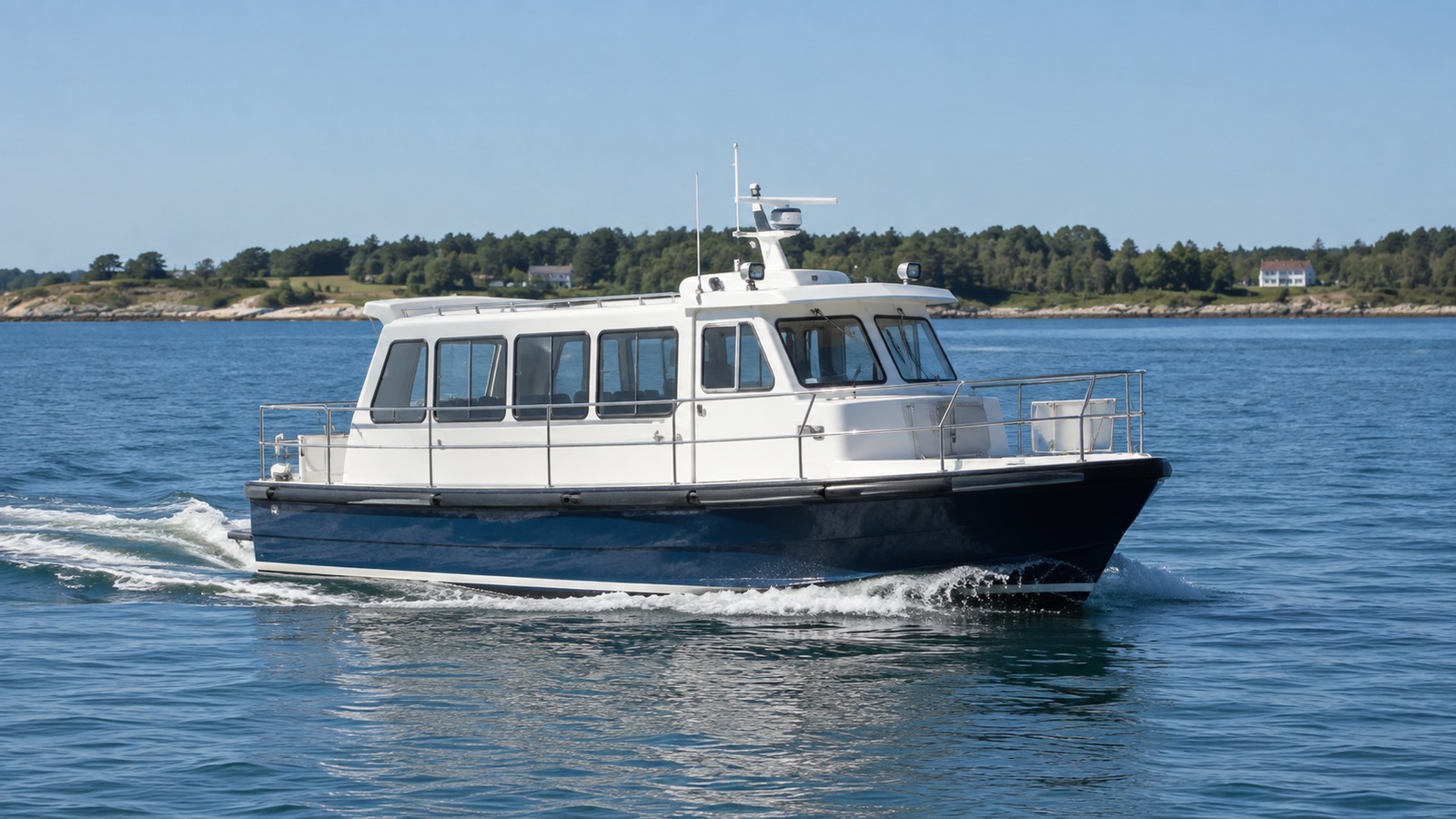
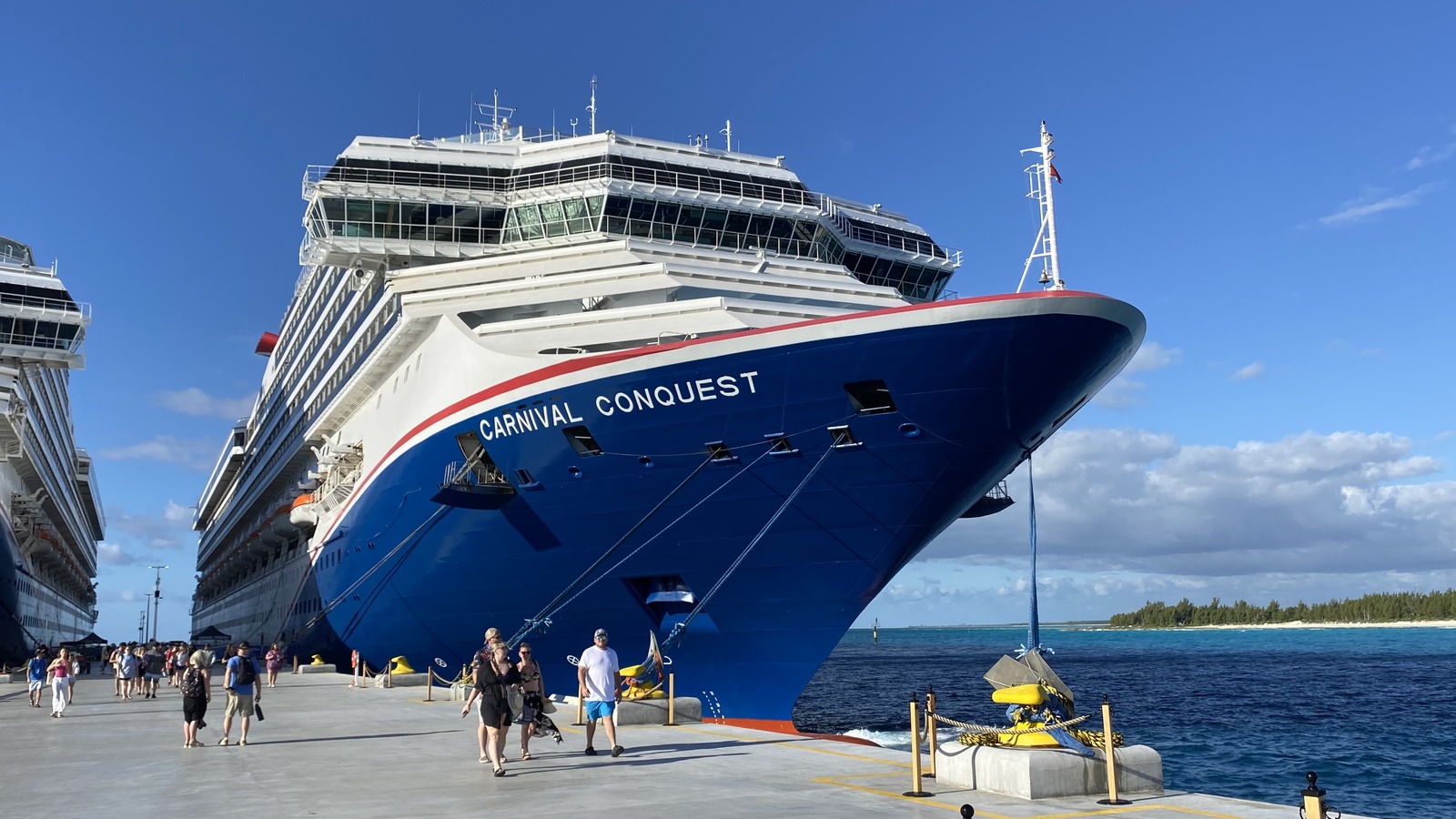
In ordinary cruise language, the main oceangoing cruise vessel is called a ship. Smaller craft used for tendering, lifeboats, excursions or local transport are commonly called boats. Size matters in conversation, but function, operating area, construction and regulatory context matter too.
When a term affects boarding, safety, accessibility or a ticket, stop debating the label and identify the exact vessel, operator and applicable rule. The United States Coast Guard uses vessel as a broad legal term that can include many kinds of watercraft.
Boat or Ship
Boat
You mean a smaller tender, lifeboat, tour craft, ferry or recreational craft in ordinary conversation.
- Smaller craft used for transport, rescue, recreation or an excursion
- None
- Harbor, shore transfer, tender route, local water or short excursion
- Tender boat or small excursion craft
- May still be a vessel under the governing rule
Ship
You mean the large seagoing passenger vessel that carries the cruise itinerary, accommodation and hotel operation.
- Main oceangoing passenger vessel with accommodation and voyage operations
- None
- Seagoing voyage with passengers, crew, navigation and hotel functions
- Cruise ship carrying the itinerary
- May be a passenger ship under a rule specific definition
Cruise cabin gear
The small fixes that make an interior stateroom livable, every pick cruise-line compliant.


Reject the one number shortcut
Length, tonnage or passenger count can illustrate scale, but no single worldwide number universally separates every boat from every ship. The International Maritime Organization says definitions used in its conventions vary by context.
Treat any confident one number answer as a cue to ask which rule and jurisdiction it comes from.
Use ordinary cruise language first
Call the main oceangoing passenger vessel a cruise ship. Call a smaller tender, rescue craft, excursion craft or local passenger craft a boat when that wording communicates the trip clearly.
This convention helps travelers understand the chain without pretending to issue a legal classification.
Understand why vessel appears in rules
Vessel is often the broader formal word. The United States Coast Guard glossary describes it broadly enough to encompass watercraft used or capable of being used for transportation on water.
A ticket, regulation or safety notice may therefore use vessel where conversation uses boat or ship.
The International Maritime Organization says its ship type definitions are not universally applicable, so no single casual rule settles every context. Sources: International Maritime Organization regulations overview, International Maritime Organization passenger ships overview, United States Coast Guard National Pollution Funds Center glossary, Royal Caribbean cruise terms guide.
The International Maritime Organization uses a more than twelve passenger threshold for passenger ship in specified regulatory contexts; that is not a universal boat versus ship cutoff. Sources: International Maritime Organization regulations overview, International Maritime Organization passenger ships overview, United States Coast Guard National Pollution Funds Center glossary, Royal Caribbean cruise terms guide.
The United States Coast Guard glossary uses vessel broadly, which is why a document may call both a small craft and a large ship vessels. Sources: International Maritime Organization regulations overview, International Maritime Organization passenger ships overview, United States Coast Guard National Pollution Funds Center glossary, Royal Caribbean cruise terms guide.
Compare the factors in decision order
| Planning factor | Boat | Ship |
|---|---|---|
| Everyday cruise useSources: Royal Caribbean cruise terms guide | Smaller craft used for transport, rescue, recreation or an excursion | Main oceangoing passenger vessel with accommodation and voyage operations |
| Universal size cutoffSources: International Maritime Organization regulations overview | None | None |
| Typical operating contextSources: Royal Caribbean cruise terms guide, United States Coast Guard National Pollution Funds Center glossary | Harbor, shore transfer, tender route, local water or short excursion | Seagoing voyage with passengers, crew, navigation and hotel functions |
| Cruise traveler exampleSources: Royal Caribbean cruise terms guide | Tender boat or small excursion craft | Cruise ship carrying the itinerary |
| Regulatory wordingSources: International Maritime Organization passenger ships overview, United States Coast Guard National Pollution Funds Center glossary | May still be a vessel under the governing rule | May be a passenger ship under a rule specific definition |
| Safety questionSources: International Maritime Organization regulations overview | Check operator, capacity, boarding method and local operating limits | Check cruise line procedures, muster information and itinerary conditions |
| Accessibility questionSources: Royal Caribbean cruise terms guide | Confirm steps, transfer seating, lift or ramp, sea conditions and assistance | Confirm accessible cabin, route, gangway and operator assistance |
| Best decision ruleSources: International Maritime Organization regulations overview, United States Coast Guard National Pollution Funds Center glossary | Identify the exact craft and trip segment | Identify the exact vessel and applicable voyage rule |
Boat and ship are practical ordinary language labels here. Formal definitions depend on the specific law, convention, operator and operating context; no universal length or tonnage cutoff is asserted.
What the better fit actually buys
Keep passenger ship definitions in context
The International Maritime Organization describes a passenger ship as one carrying more than twelve passengers for relevant international safety instruments. That threshold tells you how those instruments organize requirements.
It does not mean every craft carrying thirteen people should be called a ship in ordinary speech.
Read tender and excursion notices literally
A cruise itinerary may move from the ship to shore by tender boat or another local craft. Identify who operates it, the boarding location, capacity process, sea condition limits and last return time.
Do not infer the boarding experience from the word boat alone.
Check access on the exact craft
For a tender or excursion, ask about steps, gap, transfer seating, mobility device rules, ramp or lift, weight limits and assistance. For the cruise ship, confirm cabin, gangway and onboard route needs separately.
A large ship can be accessible while one small trip segment remains the limiting link.
Separate technical and conversational answers
A naval architect, regulator, insurer, marina and cruise guest may classify the same craft for different purposes. State the purpose before arguing about the word.
For a traveler, the useful answer is usually the craft identity, operator, boarding method and role in the itinerary.
Write the itinerary with exact nouns
In a plan, name the cruise ship, tender boat, ferry or excursion craft when known. Add the operator and departure point.
Exact nouns reduce missed transfers and accessibility surprises far more effectively than a universal sounding boat versus ship rule.
Which choice fits this trip
Choose Boat
For Boat against Ship, use this fit test: You mean a smaller tender, lifeboat, tour craft, ferry or recreational craft in ordinary conversation.
Choose Ship
For Ship against Boat, use this fit test: You mean the large seagoing passenger vessel that carries the cruise itinerary, accommodation and hotel operation.
Tie breaker: The legal, safety or operating context matters and the governing source uses the broader formal term.
Questions travelers ask before choosing
Is there a size where a boat becomes a ship?
Is a cruise ship a boat?
What is a vessel?
Does carrying more than twelve passengers make something a ship?
Why does this difference matter on a cruise?
Useful next pages
Current evidence behind the comparison
September 20, 2026 Checked September 20, 2026. Maritime definitions are instrument specific. Use the exact operator and governing authority when a classification affects safety, access, licensing or a booking.