

Photo: Gordon Leggett, CC BY-SA 4.0, via Wikimedia Commons
Alaska cruise packing
Alaska Cruise Packing List: Layers, Rain Gear, and Day Bags
An Alaska cruise packing list is less about formal outfits and more about controlling weather swings. A single day can move from cold wind on deck to warm sunshine in port, then back to rain near a glacier. Pack breathable layers, a real rain shell, walking shoes, and a carry-on that handles embarkation day without the checked suitcase.
An Alaska cruise packing list is less about formal outfits and more about controlling weather swings. A single day can move from cold wind on deck to warm sunshine in port, then back to rain near a glacier. Pack breathable layers, a real rain shell, walking shoes, and a carry-on that handles embarkation day without the checked suitcase.
Fast read
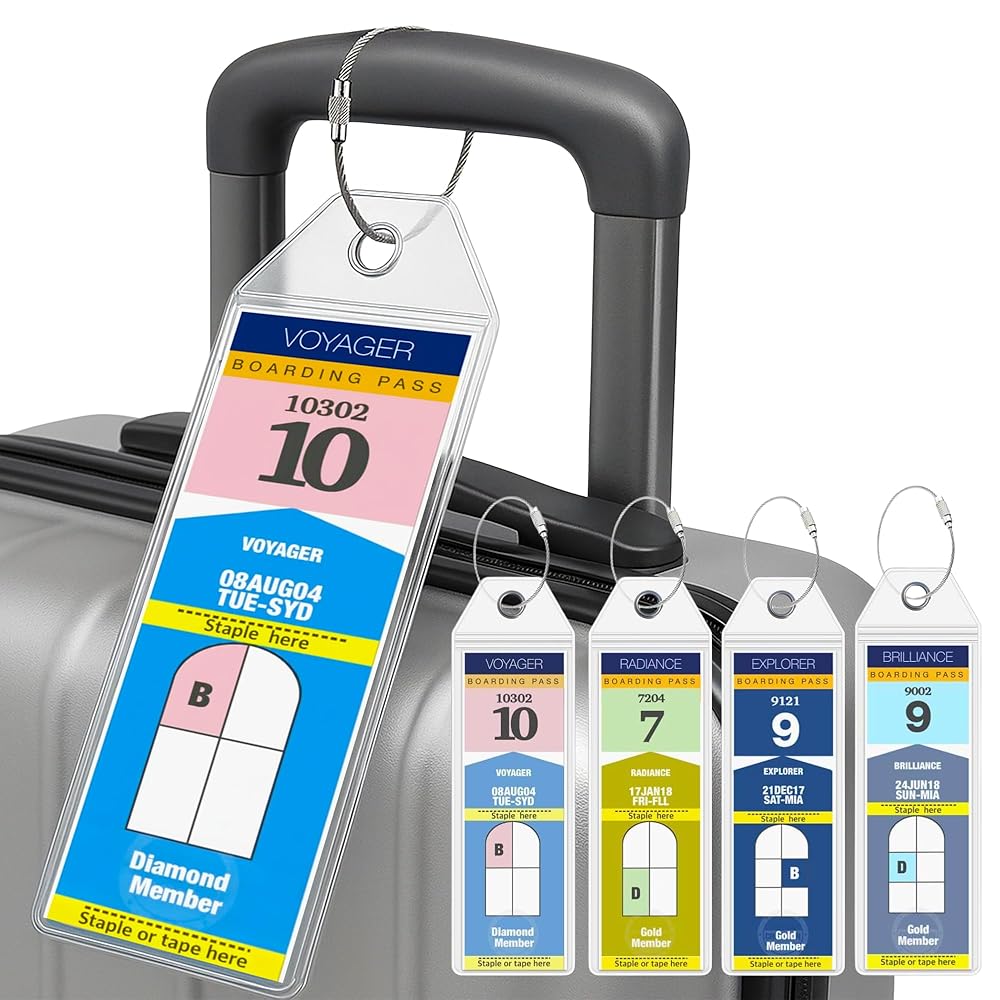
Cruise cabin gear
The small fixes that make an interior stateroom livable, every pick cruise-line compliant.



What matters first
Use this page as the practical filter before you open booking pages, maps, or official policy documents.
First-day carry-on
Documents, medicine, swimwear if needed, charger, light layer. Alaska embarkation can still involve warm terminals and cool deck wind
Core clothing
Base layers, fleece or sweater, rain shell, long pants. Layering handles more weather than one heavy coat
Footwear
Water-resistant walking shoes plus casual ship shoes. Port sidewalks, wet docks, and excursion paths punish weak shoes
Decision system
The planning sequence
Use the sequence below to decide how this should shape the trip.

Photo: Familydestinationsguide.com, CC BY 2.0, via Wikimedia Commons
The packing split
The carry-on protects the first day
Cruise packing works best when the carry-on is treated as the first-day plan, not as leftover space. Documents, medication, valuables, chargers, swimwear, and one clean dinner layer stay with the traveler. Once that bag is right, the checked suitcase can focus on clothes, shoes, port gear, and weather.
Pack layers instead of a winter suitcase
The strongest Alaska cruise suitcase starts with a light base layer, a fleece or sweater, and a waterproof shell. That stack adapts to Juneau rain, sunny sea days, cold glacier mornings, and warm indoor lounges without forcing a bulky parka into the bag. Most travelers need flexible layers more than heavy snow gear.
Treat rain as normal, not as a surprise
Southeast Alaska is wet, and a packable rain jacket earns its space. Add a small dry bag or zip pouch for phones and paperwork on excursions. A compact umbrella can help in town, but wind near the water makes a hooded rain shell the more reliable tool.
Use footwear to decide the suitcase
Port days in Alaska often mean docks, uneven paths, buses, boat tours, and wet pavement. One pair of water-resistant walking shoes should be broken in before departure. A second lighter pair can handle dinner and ship time, but avoid packing shoe variety that does not match the itinerary.
Keep glacier viewing gear easy to reach
Binoculars, a warm hat, gloves, sunglasses, and a phone battery belong near the top of the bag before glacier days. The best viewing can happen from open decks where the air feels much colder than the ship interior.
Plan dinner as smart casual, not expedition formal
Most Alaska cruises are relaxed by day and cleaner at dinner. A small dinner capsule, such as dark pants with a few tops or a simple dress layer, is enough for most travelers unless the line or venue calls for something specific.
Deep Arrival recommendation
Pack Alaska like a wet walking trip with a ship attached: layers, rain shell, practical shoes, and a first-day carry-on. Add only the dress pieces your actual line requires, then save space for souvenirs and cold-weather accessories.
Planning traps
Mistakes to avoid
These are the small decisions that quietly derail an otherwise good plan.
A thick coat is less flexible than a base layer, fleece, and rain shell that can be worn separately.
Alaska port weather can change quickly, and wet clothing makes excursions miserable.
Smooth soles and new shoes are bad matches for wet docks and uneven paths.
Anything needed on the first afternoon or glacier viewing day should stay in the carry-on.
Sources checked
Official and supporting references
These are the references checked while writing this page, so you can confirm live prices, dates, rules, and operating details before money changes hands.
Cruise lines do not cover medical evacuation. EKTA travel insurance covers it from about 1 dollar a day.
Deep Arrival earns a commission when you buy through partner links. It does not change the price you pay.
FAQ
Common planning questions
What should I pack for an Alaska cruise?
Do you need a winter coat for an Alaska cruise?
Are jeans okay for an Alaska cruise?
Should you bring binoculars on an Alaska cruise?
What shoes are best for an Alaska cruise?
Continue planning