
Wikimedia Commons Contributor, CC BY SA 4.0, via Wikimedia Commons
Passenger accessibility and mobility assistance regulations
Airline Approved Scooters: Sizing and Battery Guide
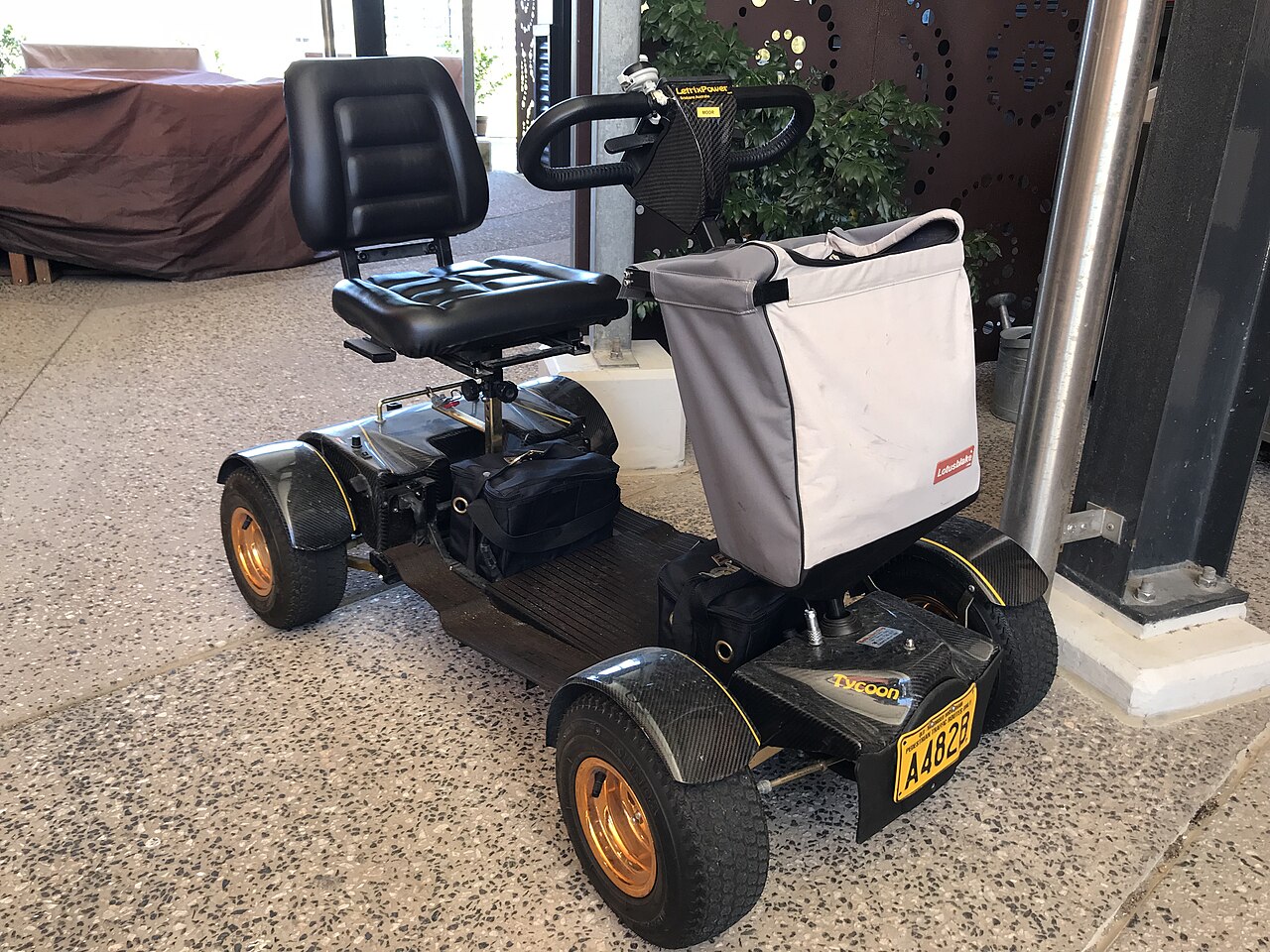
Identifying airline approved scooters is essential to ensuring a safe, stress – free, and compliant journey for travelers utilizing mobility assistance devices. Because airline transport is governed strictly by the Federal Aviation Administration (FAA) and Department of Transportation (DOT) battery safety limits, understanding key equipment rules is vital to bypass gate check delays.
Identifying airline approved scooters is essential to ensuring a safe, stress – free, and compliant journey for travelers utilizing mobility assistance devices. Because airline transport is governed strictly by the Federal Aviation Administration (FAA) and Department of Transportation (DOT) battery safety limits, understanding key equipment rules is vital to bypass gate check delays.
Fast read
Carry-on essentials
Move through the airport fast and keep everything in its place from gate to gate.


What matters first
Use this page as the practical filter before you open booking pages, maps, or official policy documents.
What it is
A comprehensive passenger accessibility directory and airline baggage manual detailing the battery limits, folding dimensions, check – in procedures, and safety rules for airline approved mobility scooters.
Best for
Travelers with limited mobility, seniors, and families wanting to transport battery – powered mobility scooters safely on commercial passenger flights.
Think twice if
Your scooter utilizes a large, non – removable lithium – ion battery that exceeds three hundred Watt – hours, as airlines are strictly mandated by safety rules to reject these batteries at boarding.
Decision system
The planning sequence
Use the sequence below to decide how this should shape the trip.
Wikimedia Commons Contributor, CC BY SA 3.0, via Wikimedia Commons
Planning context
Airline Approved Scooters: Sizing and Battery Guide
Identifying airline approved scooters is essential to ensuring a safe, stress – free, and compliant journey for travelers utilizing mobility assistance devices. Because airline transport is governed strictly by the Federal Aviation Administration (FAA) and Department of Transportation (DOT) battery safety limits, understanding key equipment rules is vital to bypass gate check delays.
Ensuring Seamless Flight Connections with Mobility Scooters
An objective evaluation of the regulations surrounding airline approved scooters highlights the highly detailed guidelines governing passenger accessibility on commercial flights. To compare airline baggage rules, study seat configurations, and review terminal assistance services across global hubs, travelers can check our detailed Deep Arrival airlines directory to plan their next trip. Under current federal guidelines, commercial airlines are legally mandated to support and accommodate passengers utilizing wheelchairs and mobility scooters, but travelers must ensure their equipment complies with strict battery safety rules.
Deconstructing the Lithium – Ion Battery Watt – Hour Limit
The single most critical technical rule when traveling with a mobility scooter is the battery's capacity limit, enforced strictly by the Federal Aviation Administration (FAA) and international aviation bodies. For lithium – ion batteries, the maximum allowable limit is three hundred Watt – hours (Wh). If your scooter utilizes a larger lithium battery (commonly found on heavy, non – folding outdoor models), the airline will reject the device at the gate. If your scooter utilizes two lithium batteries, each individual battery must not exceed one hundred and sixty Watt – hours.
Baggage Logistics and Free Gate – Check Protection
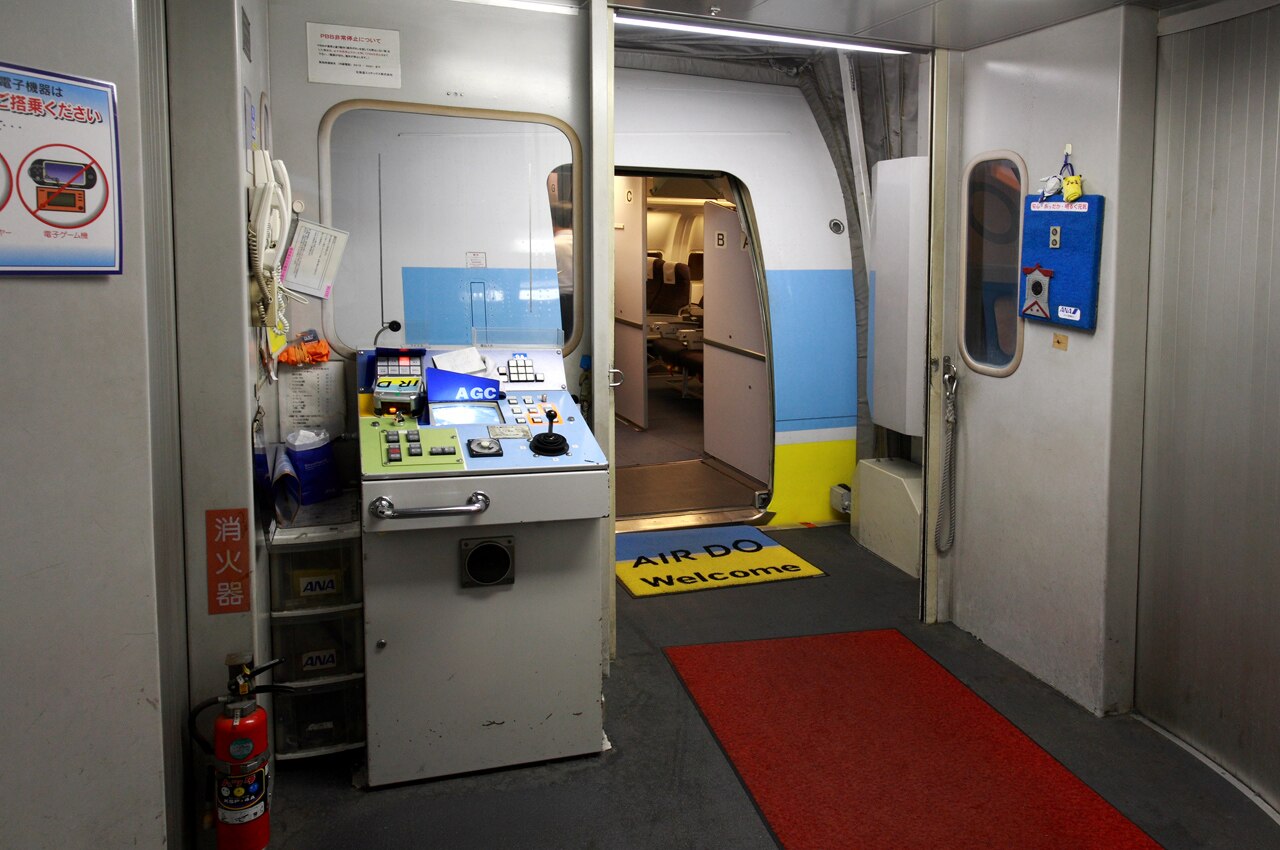
By Department of Transportation (DOT) guidelines under the Americans with Disabilities Act (ADA), airlines must transport approved mobility scooters free of charge, completely exempting them from standard checked bag fees or weight penalties. Passengers can ride their scooters directly through the terminal to the departure gate. At the jet bridge, the scooter frame is gate – checked and loaded into the cargo hold. To prevent damage, it is highly recommended to select a lightweight, folding mobility scooter that disassembles without the use of complex tools.
Planning traps
Mistakes to avoid
These are the small decisions that quietly derail an otherwise good plan.
Sources checked
Official and supporting references
These are the references checked while writing this page, so you can confirm live prices, dates, rules, and operating details before money changes hands.
FAQ
Common planning questions
Can I bring a mobility scooter on a commercial airplane?
What is the maximum battery size allowed for airline travel?
Do I have to remove the battery before gate checking my scooter?
Do airlines charge a fee to transport my mobility scooter?
Continue planning